 English
 Nederlands
 Deutsch

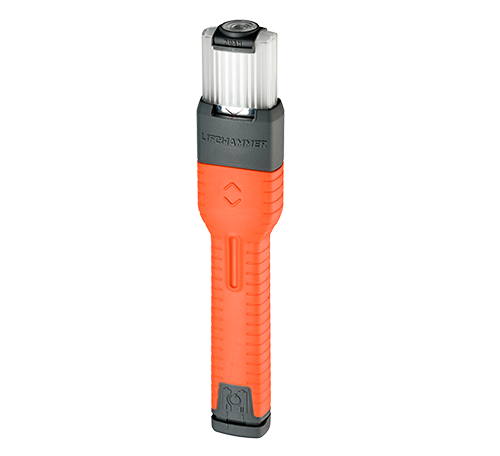

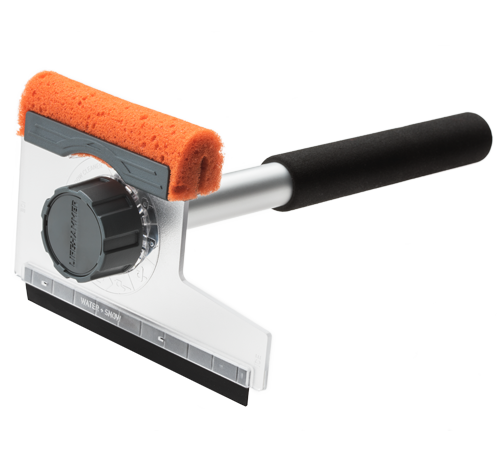
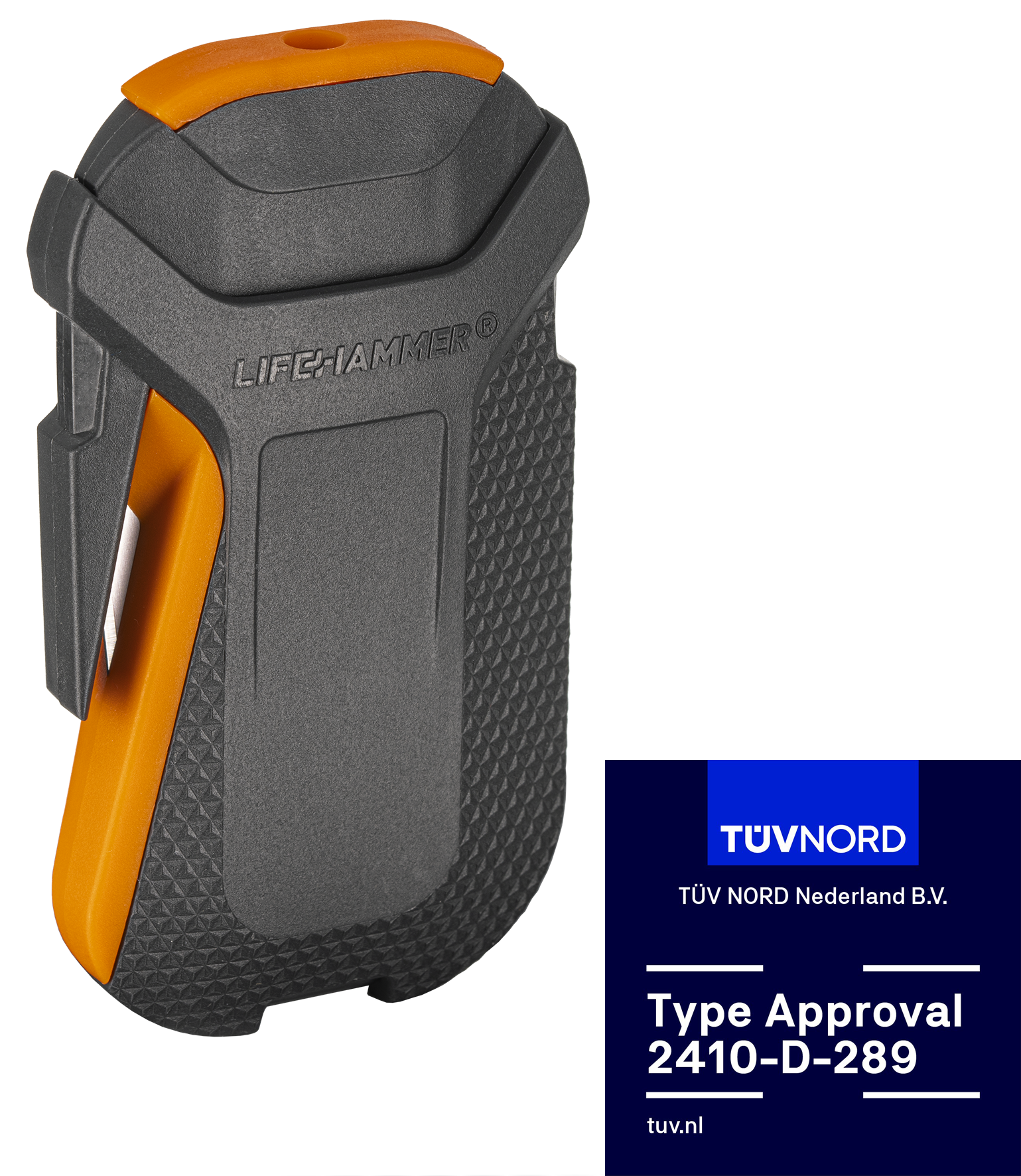



A family car emergency kit should include first aid supplies, a warning triangle or reflective vest, a torch, water, a phone charger, and a car escape tool such as a safety hammer. The exact contents depend on the ages of the people travelling with you, the distances you regularly cover, and the conditions you drive in. The questions below walk through everything you need to build a kit that is genuinely useful rather than just a box of things you never open.
What should every family car emergency kit include?
A well-built family car emergency kit covers four needs: first aid, visibility, communication, and escape. At a minimum, your kit should contain a certified first aid kit, a warning triangle or reflective safety vest, a working torch, a phone charging cable or power bank, bottled water, and a car escape tool. These items address the most common situations drivers and passengers face when something goes wrong on the road.
Beyond the basics, a few additions make a real difference for families specifically. A small blanket is useful if you break down in cold weather and need to wait for assistance. Snacks and a spare bottle of water matter more when children are in the car. A pen and notepad are surprisingly useful for recording details at the scene of an incident. Gloves protect your hands if you need to handle debris or change a tyre.
A good way to think about your kit is to group items by purpose rather than piling everything into one bag:
- First aid: Plasters, bandages, antiseptic wipes, pain relief, any prescription medication your family regularly needs
- Visibility: Reflective vest, warning triangle, torch with spare batteries or a rechargeable option
- Communication: Phone charger, power bank, a printed list of emergency contacts in case your phone is unavailable
- Escape and safety: A car escape tool that cuts seatbelts and breaks tempered side windows
- Comfort and waiting: Water, snacks, a blanket, and a small activity for younger children if a long wait is possible
How is a family emergency kit different from a standard car kit?
A standard car emergency kit is designed for the driver alone. A family kit accounts for multiple passengers, different ages, and the specific needs that come with travelling alongside children or elderly relatives. The core items overlap, but the quantities, additions, and placement of those items change significantly when you are responsible for others in the vehicle.
For families, first aid supplies need to be broader. A kit that works for an adult may not include the right plaster sizes for a child, or age-appropriate pain relief. If anyone in the family has a known allergy or medical condition, the kit should include relevant medication and a brief written note about that condition for first responders.
Comfort items also become more relevant. Children who are anxious, cold, or hungry in a stressful situation are harder to manage safely. A small blanket, a familiar snack, and a simple distraction can make a significant difference while you wait for help. These are not extras to be added later; they are part of what makes a kit genuinely suited to family use.
Finally, a family kit should include a car escape tool that is accessible to adults in the front of the vehicle. In an emergency where a door cannot be opened or a seatbelt is jammed, a tool that cuts the belt and breaks tempered glass gives you a way out quickly. This is one item where quality matters: a tool that fails under pressure is worse than not having one at all.
Where should you store a car emergency kit for quick access?
The most useful location for a family car emergency kit is the boot, with one important exception: your car escape tool should be within arm’s reach of the driver, not buried under luggage. The boot is the right place for bulky items like the first aid kit, blanket, and water. The escape tool belongs somewhere you can reach it without unbuckling your seatbelt or leaving your seat.
Common mounting positions for a car escape tool include the door pocket, the centre console, or attached to the door frame near the driver’s seat. The goal is that the tool can be reached with one hand, even if the vehicle is in an unusual position. Keeping it inside a bag in the boot removes most of its practical value in the moments it would actually be needed.
For the rest of the kit, a dedicated bag or box in the boot works well. Keeping everything together means you can check and restock it easily, and you always know where to look. Avoid storing water or food directly next to items that could be contaminated, and make sure the bag is secured so it does not slide around on longer journeys.
How often should you check and update a family car emergency kit?
You should check your family car emergency kit at least twice a year, and any time there is a significant change in your family’s circumstances. A practical approach is to tie your checks to the seasonal shift in spring and autumn, when driving conditions change and it is a natural moment to review what is in the car. In 2026, with more families taking longer road trips during school holidays, checking before any major journey is also good practice.
What to look for during each check:
- Expiry dates: First aid supplies, medication, and food items all have shelf lives. Replace anything that has expired.
- Battery life: Test your torch and check your power bank is charged. Replace batteries that are low.
- Completeness: Items get used and not replaced. Run through your list and restock anything that is missing.
- Relevance: If your family situation has changed, such as a new baby, an elderly passenger who travels with you regularly, or a new medical need, update the kit to reflect that.
- Condition: Check that your escape tool is still securely mounted and undamaged. A tool that has been knocked around or exposed to extreme heat should be inspected carefully.
A quick check takes less than ten minutes and significantly increases the chance that your kit is actually useful when you need it.
What car escape tools are worth including in a family kit?
A car escape tool worth including in a family kit is one that reliably cuts a seatbelt and breaks tempered side or rear windows, is easy to operate under stress, and is mounted where the driver can reach it quickly. The two core functions, seatbelt cutting and window breaking, should both be present in a single compact tool. A tool that only does one of these is significantly less useful in a real situation.
When evaluating car escape tools, look for the following:
- Window-breaking mechanism: Tools use either a hardened steel hammerhead or a ceramic pin. Both are designed to break tempered glass. It is important to understand that laminated glass, which is used in most windscreens, cannot be broken with a standard safety hammer. Side and rear windows are typically tempered, which is where these tools are effective.
- Seatbelt cutter: This should be a recessed blade that cuts through the belt without requiring a sawing motion. Speed matters here.
- Ease of use: The tool should work without requiring significant force or a specific grip. In a stressful situation, fine motor control is reduced. A well-designed tool accounts for this.
- Certification: Look for tools that carry independent certification, such as TÜV certification to German standards. This confirms the tool has been tested to a defined standard, not just marketed on the basis of its appearance.
- Mounting system: A tool stored loose in a glove box is far less useful than one mounted in a fixed position within reach. Check that the mounting system is secure and appropriate for your vehicle.
Tools trusted by first responders and professional drivers are a reliable reference point. If a product is used by people whose work regularly involves vehicle emergencies, that is a meaningful indicator of its reliability.
How Lifehammer® supports you with building a family car emergency kit
At Lifehammer® we have been developing vehicle safety tools since 1983, and building a reliable family car emergency kit is exactly the kind of situation our products are designed for. Whether you are equipping your car for the first time or reviewing what you already have, we focus on tools that are reliable, compact, and genuinely useful when it counts.
- Our safety hammer range includes four models. The Classic and Plus use a hardened carbon steel hammerhead; the Safety Hammer Evolution and Smart use an automatic ceramic striking mechanism. All four cut seatbelts and break tempered side and rear windows.
- All Lifehammer® safety hammers are TÜV certified to German standards and trusted by first responders, fleet operators, and professional drivers across Europe.
- Our Safety Vest Ultra comes in an ultra-flat vacuum pack that stores discreetly under any floor mat and decompresses immediately on opening. It is one-size-fits-all and suitable for drivers and passengers alike, making it a practical addition to any family kit.
- Our mounting systems are designed to keep your escape tool within reach of the driver at all times, not buried in a bag in the boot.
If you have questions about which products are right for your car or your family’s needs, our Q&A section covers the most common topics in straightforward detail.