 English
 Nederlands
 Deutsch





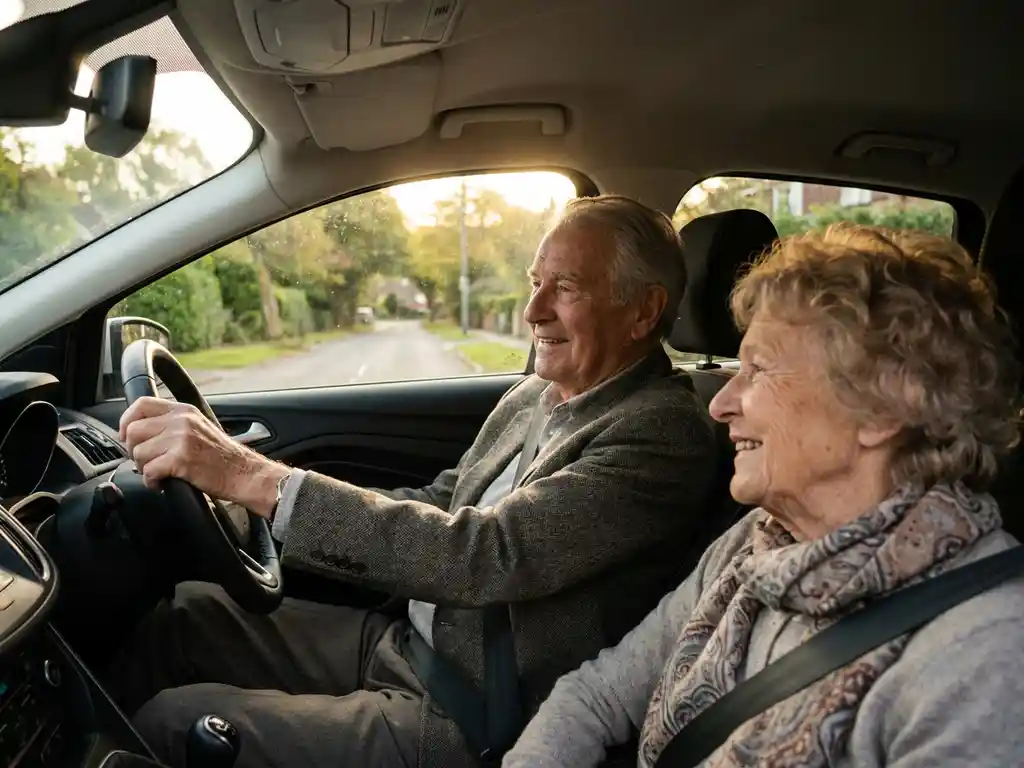
Driving becomes safer for seniors when the physical changes that come with ageing are acknowledged and addressed through the right vehicle features, regular health checks, and sensible preparation. The adjustments do not need to be dramatic. Small, practical steps, from choosing a car with better visibility to keeping the right items within reach, make a real difference to both safety and confidence behind the wheel. The questions below cover the most relevant areas, from how ageing affects driving ability to knowing when it might be time to step back.
How does ageing affect driving ability?
Ageing affects driving ability through gradual changes in vision, reaction time, joint flexibility, and cognitive processing. These changes do not happen overnight, and many older drivers compensate for them naturally over time. Understanding what shifts and why is the first step toward safer driving for seniors who want to stay on the road with confidence.
Vision is one of the earliest areas to change. Contrast sensitivity decreases, making it harder to distinguish objects in low light or against similar backgrounds. Peripheral vision narrows, and the eyes take longer to adjust between bright and dark conditions. Night driving becomes more demanding as a result.
Reaction time also slows with age. The gap between perceiving a hazard and responding to it extends slightly, which matters most in fast-moving traffic or emergency braking situations. This is not a reason to stop driving, but it does support the case for maintaining greater following distances and avoiding high-speed motorways during peak traffic.
Joint stiffness, particularly in the neck and shoulders, can limit the ability to check blind spots or reverse confidently. Reduced grip strength may affect steering control. Cognitive changes, even mild ones, can make it harder to process multiple inputs simultaneously, such as navigating, monitoring mirrors, and managing speed at the same time.
The important point is that awareness of these changes allows drivers to adapt. Many older adults are among the most experienced and conscientious drivers on the road precisely because they understand their own limits.
What vehicle features make cars safer for older drivers?
Vehicle features that make cars safer for older drivers include large, easy-to-read displays, adjustable seating with good lumbar support, wide door openings for easier entry and exit, and modern driver assistance systems such as rear-view cameras, lane-keeping alerts, and automatic emergency braking. These features reduce the physical and cognitive demands of driving.
Visibility is a priority. Vehicles with large windows, thin A-pillars, and high seating positions give older drivers a better view of surrounding traffic. Blind-spot monitoring systems are particularly useful when neck rotation is limited, as they provide an alert without requiring the driver to turn fully.
Parking sensors and 360-degree cameras reduce the strain of low-speed manoeuvring, which is often where minor incidents occur. Automatic transmission removes the need to manage a clutch, which can be difficult for drivers with knee or hip stiffness. Keyless entry and push-button ignition also reduce the physical effort of getting in and starting the car.
For drivers who already own a vehicle, aftermarket additions such as swivel seat cushions, steering wheel covers for improved grip, and wide-angle mirror attachments can make a meaningful difference without requiring a new car purchase.
Driver assistance technology has advanced significantly, and in 2026 most new vehicles include at least some of these features as standard. When choosing a car with elderly driving safety in mind, it is worth prioritising systems that reduce reliance on fast reactions rather than simply adding comfort features.
What health checks should seniors have before driving?
Seniors should have regular vision tests, hearing assessments, and reviews of any medications that may affect alertness or coordination before continuing to drive. A general health review with a GP, specifically mentioning driving, is the most direct way to identify whether any medical condition requires assessment by a specialist or the relevant licensing authority.
Vision is the most important check. Even small declines in visual acuity or contrast sensitivity can affect hazard perception. Conditions such as cataracts, macular degeneration, and glaucoma are more common in older adults and can develop gradually without obvious symptoms. Annual eye tests are a straightforward way to stay on top of this.
Hearing loss can reduce awareness of emergency vehicles, horns, and road sounds that inform driving decisions. A hearing assessment every two years is a reasonable habit for older drivers.
Medication is an area that is often overlooked. Many common prescriptions, including some blood pressure medications, antihistamines, sleep aids, and pain relief drugs, can cause drowsiness, dizziness, or slowed reactions. Reviewing the full list of current medications with a pharmacist or GP, specifically in the context of driving, is a useful step that many people skip.
Conditions such as diabetes, heart disease, and neurological conditions may also have licensing implications depending on the country of residence. Drivers are generally required to inform their licensing authority of relevant diagnoses. Checking the current rules and staying up to date is a responsibility, not just a precaution.
What should seniors keep in their car for emergencies?
Seniors should keep a well-stocked emergency kit in their car that includes a warning triangle or reflective vest, a charged mobile phone or portable charger, a first aid kit, water, and a window escape tool. Older drivers benefit particularly from items that require minimal physical effort to use and that are stored within easy reach.
A reflective safety vest is important for any breakdown situation where the driver needs to exit the vehicle on a roadside. Being visible to other drivers quickly reduces risk significantly, especially in low-light conditions or on motorways. A vest stored in an accessible location, rather than buried in the boot, is the one that actually gets used.
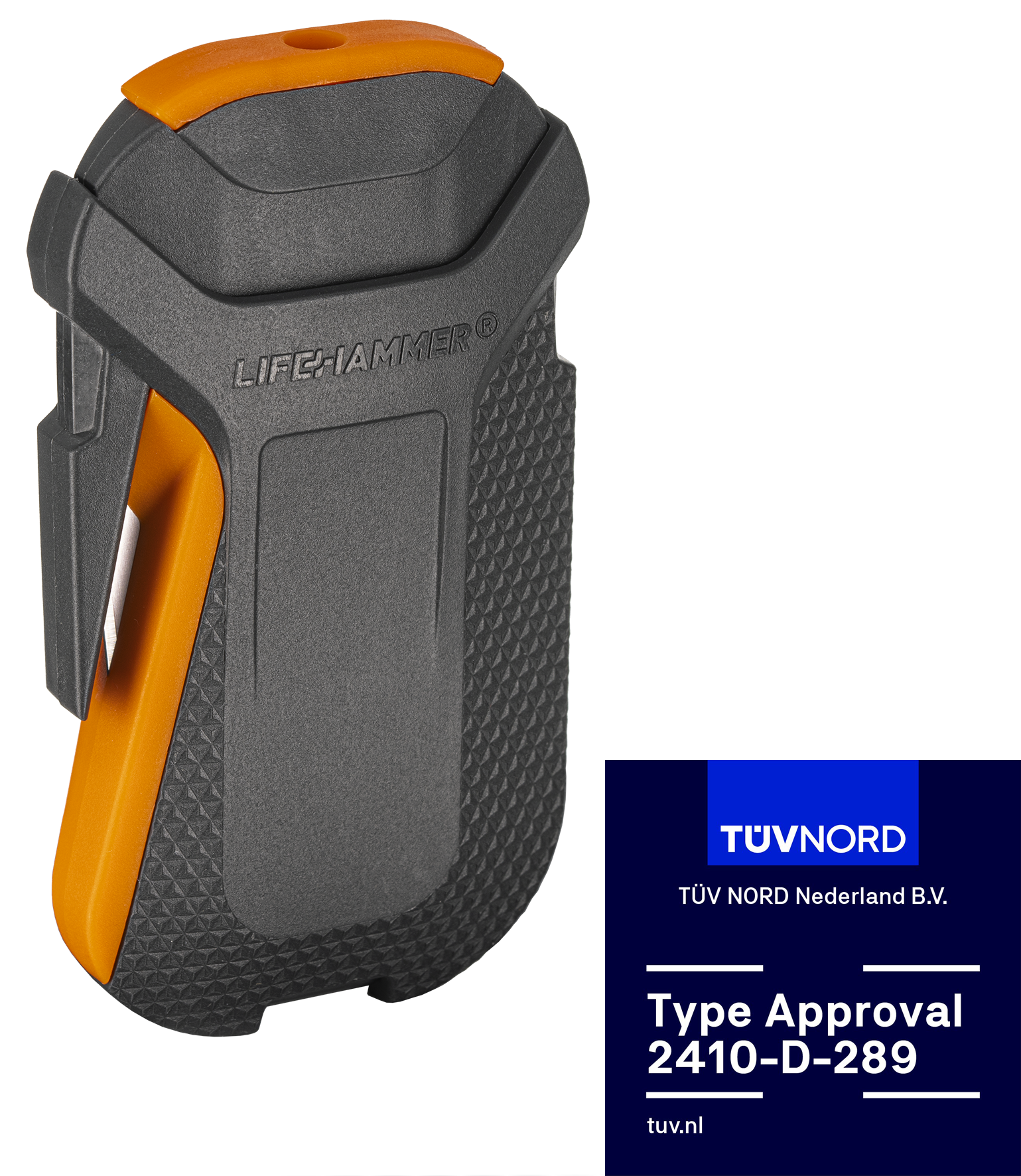
A window escape tool, also called a safety hammer, is a practical addition for any driver. In the event that a door cannot be opened or a seatbelt becomes jammed, a compact tool that can cut the belt and break a tempered side window provides a way out. For older drivers who may have reduced grip strength or be alone when an incident occurs, having this within arm’s reach of the driver’s seat matters.
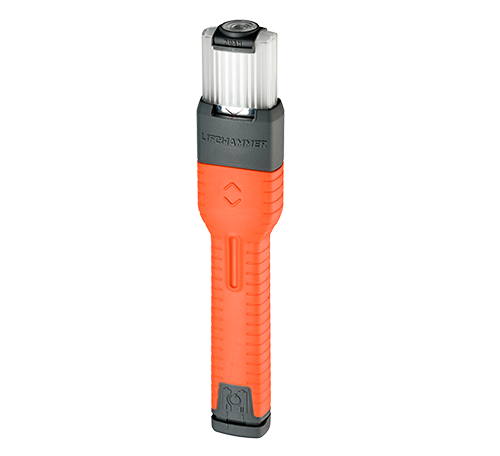
Other useful items include a small torch, a blanket for warmth if stranded in cold weather, a list of emergency contacts in a visible place, and any personal medication that may be needed if travel is delayed. The goal is not to prepare for every possible scenario but to cover the situations that are most likely and most manageable with a small amount of advance thought.
When should an older driver consider reducing or stopping driving?
An older driver should consider reducing or stopping driving when they notice consistent difficulty with tasks they previously handled easily, such as merging onto motorways, judging distances, staying in lane, or reacting to unexpected hazards. Feedback from passengers, a formal driving assessment, or advice from a doctor are all reliable signals worth taking seriously.
There is no universal age at which driving becomes unsafe. The decision depends on the individual, their health, and the types of driving they do. However, there are patterns worth watching for.
Signs that suggest reducing driving
- Feeling anxious or exhausted after journeys that were previously straightforward
- Difficulty reading road signs until very close to them
- Getting lost on familiar routes
- Misjudging gaps in traffic more often than before
- Receiving concerned comments from passengers or family members
- Scrapes or minor incidents that are becoming more frequent
Practical options before stopping altogether
Reducing driving does not have to mean stopping entirely. Many older drivers find that limiting themselves to familiar routes, avoiding night driving, staying off motorways, or driving only in good weather conditions extends their safe driving years significantly. A refresher course with a qualified instructor can also restore confidence and highlight habits that have drifted over time.
A formal driving assessment, offered by many road safety organisations and some motoring clubs, provides an objective view of current ability and is far more useful than self-assessment alone. It is not a test to pass or fail but an opportunity to understand where adjustments might help.
The decision to reduce or stop driving is a significant one, particularly for older adults in areas with limited public transport. Planning ahead, exploring alternatives, and making the change gradually where possible all help to make the transition less disruptive.
How Lifehammer® supports you with senior driver safety
At Lifehammer® we have been developing vehicle safety tools since 1983, and the needs of older drivers are exactly the kind of situation our products are designed to address. Whether you are reviewing what you keep in your car, helping a parent or older relative prepare for the road, or simply thinking through what responsible preparation looks like, we focus on tools that are reliable, easy to use, and genuinely useful when it counts.
- Our Safety Hammer SMART uses a ceramic pin as its striking mechanism, requires no mounting tools, and can be positioned within easy reach of the driver using 3M VHB double-sided adhesive tape. It cuts seatbelts and breaks tempered side windows, and its compact design makes it practical for drivers who want a low-profile solution.
- The Safety Hammer Evolution uses a ceramic hammerhead and is assembled using the hex key provided. Like all models in our range, it cuts seatbelts and breaks tempered side windows.
- All Lifehammer® safety hammers are TÜV certified and trusted by first responders and fleet operators across Europe, which means they are built to perform reliably, not just to look the part.
- Our Safety Vest Ultra comes in an ultra-flat vacuum pack that stores discreetly under any floor mat and decompresses immediately on opening. It is one-size-fits-all and suitable for drivers and passengers alike, making it a straightforward addition to any car kit.
If you have questions about which products are right for your situation or your vehicle, our Q&A section covers the most common topics in straightforward detail.