 English
 Nederlands
 Deutsch




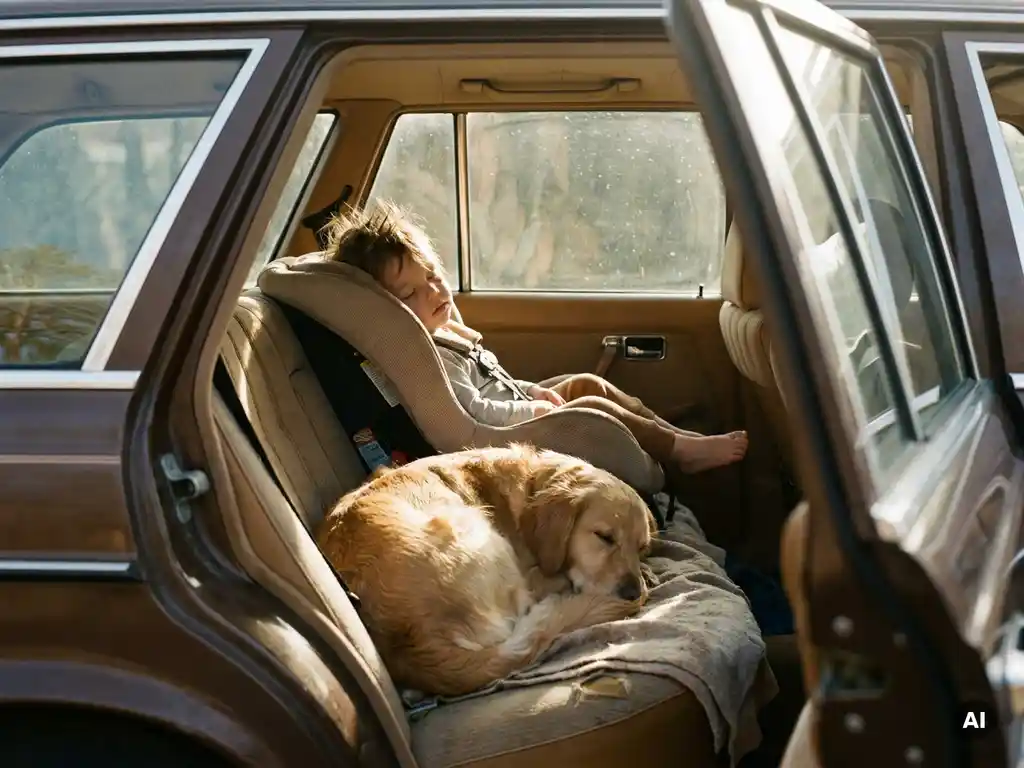
Yes, alarms that warn you when a child or pet is left in a car do exist. These systems range from built-in manufacturer features found in newer vehicles to standalone aftermarket sensors you can add to any car. The right option depends on your vehicle, your budget, and how much reliability you need. Below, we cover how these systems work, which cars include them, and what your options are if your vehicle does not.
How do hot car detection alarms actually work?
Hot car detection alarms use one or more sensors to detect movement, weight, or heat inside a vehicle after the engine is switched off. When the system identifies a living occupant still present, it triggers an alert, either to the driver’s phone, through the car’s horn, or via a connected app. The specific method varies by system type, but the core principle is consistent: detect presence, then notify.
The most common detection methods include:
- Radar sensors: These detect micro-movements such as breathing and heartbeats. They are considered the most reliable method because they can identify a sleeping child or a calm pet without requiring movement.
- Pressure or weight sensors: Built into seat cushions or placed under a car seat, these detect whether a weight consistent with a child or animal is still present when the door closes.
- Ultrasonic sensors: These emit sound waves and measure how they bounce back. Movement within the cabin interrupts the pattern and triggers an alert.
- Temperature monitoring: Some devices focus on cabin temperature rather than presence, sending alerts when the interior reaches a dangerous heat level regardless of who is inside.
Many modern systems combine two or more of these methods to reduce false alarms and improve accuracy. Alerts are typically sent through the car’s existing horn or lights, a dedicated app on the driver’s smartphone, or both. Some systems also contact emergency services automatically if no response is received within a set window.
Which cars come with a built-in child or pet alert system?
Several major manufacturers now include rear occupant alert systems as standard or optional features, particularly in vehicles sold from 2019 onwards. These built-in systems are generally more reliable than aftermarket alternatives because they are integrated directly into the vehicle’s sensor network and do not require separate installation or battery management.
Manufacturers that have offered rear seat reminder or occupant detection systems include General Motors, Hyundai, Kia, Nissan, and Ford, among others. The specific feature name and functionality vary by brand. Some systems simply remind the driver to check the rear seat when the engine is turned off. Others use radar to actively detect presence and trigger an alert if a child or pet is detected after the driver has left the vehicle.
In the United States, legislation passed in 2023 required all new passenger vehicles to include rear seat reminder technology, which has accelerated adoption across the industry. European regulations have been moving in a similar direction, with vehicle safety standards increasingly including occupant detection requirements. If you are purchasing a new car in 2026, it is worth confirming with the manufacturer or dealer exactly what rear occupant detection the model includes and whether it is active detection or a simple reminder prompt.
What aftermarket devices can warn you about a child left in the car?
If your vehicle does not include a built-in hot car alert system, a range of aftermarket devices can provide similar protection. These are standalone products that you install yourself or have fitted, and they connect either to your car’s existing systems or operate independently.
Common aftermarket options include:
- Clip-on seat sensors: These attach to the child’s car seat and communicate with a key fob or smartphone app. When the driver moves a certain distance from the car without unbuckling the child, the device triggers an alert.
- Bluetooth-based reminder devices: These pair with your phone and send a notification when your phone and the device separate beyond a set range. They are simple and affordable, though they rely on phone connectivity and Bluetooth range.
- Dedicated radar modules: More advanced aftermarket units use the same radar technology found in built-in systems. These are installed in the cabin and connect to a smartphone app, alerting you if movement is detected after you have locked the car.
- Temperature alert devices: These monitor interior cabin temperature and send an alert when it exceeds a safe threshold. They do not detect presence directly but provide a useful safety net, particularly for pets.
When evaluating aftermarket devices, look for products with reliable connectivity, clear alert mechanisms, and a low rate of false alarms. A device that triggers too frequently becomes easy to ignore, which defeats its purpose entirely.
Can a car alarm system detect a child or pet on its own?
A standard car alarm system cannot detect a child or pet left inside. Traditional car alarms are designed to detect intrusion from outside the vehicle, not to monitor what is happening inside after the car is locked. They respond to impacts, door openings, or motion near the vehicle’s exterior, not to the presence of an occupant in the rear seat.
Some advanced aftermarket alarm systems do include interior motion detection as an additional feature, typically using ultrasonic sensors mounted inside the cabin. However, these are not specifically designed for child or pet detection and may not be sensitive enough to detect a sleeping child or a calm, stationary pet. They are also prone to false triggers from air movement or objects shifting inside the car.
For reliable detection of a child or pet left in a hot car, a purpose-built occupant detection system is a more dependable choice than relying on a general car alarm. The two types of systems serve different functions and should not be treated as interchangeable.
What else should be kept in the car for passenger safety?
Beyond detection systems, there are several practical items worth keeping in your car to support the safety of all passengers, including children and pets. Being well-equipped means that if something does go wrong, you have the tools to respond quickly rather than searching for solutions under pressure.
- A window escape tool: If a child or pet becomes trapped inside a vehicle, being able to break a tempered side window quickly from the outside can matter. A quality window-breaking tool kept accessible in the car is a useful addition to any safety setup.
- A high-visibility safety vest: Useful any time you need to stop on a road or motorway, particularly in low-light conditions or poor weather.
- A first aid kit: A compact, well-stocked kit suited to both adults and children covers a wide range of minor and moderate injuries.
- Water and a sunshade: Particularly relevant for hot climates or summer travel. Keeping water in the car and using a windscreen sunshade significantly slows how quickly a parked interior heats up.
- A charged power bank: Ensures your phone remains functional for alerts, navigation, and emergency calls, especially on longer journeys.
The goal is not to prepare for every possible emergency but to make sure the most useful items are already there when you need them, without having to think about it.
How Lifehammer® supports you with passenger safety in the car
At Lifehammer® we have been developing vehicle safety tools since 1983, and keeping passengers safe, including children and pets, is exactly the kind of situation our products are built for. Whether you are equipping a family car or adding to an existing safety setup, we focus on tools that are reliable, compact, and genuinely useful when it counts.
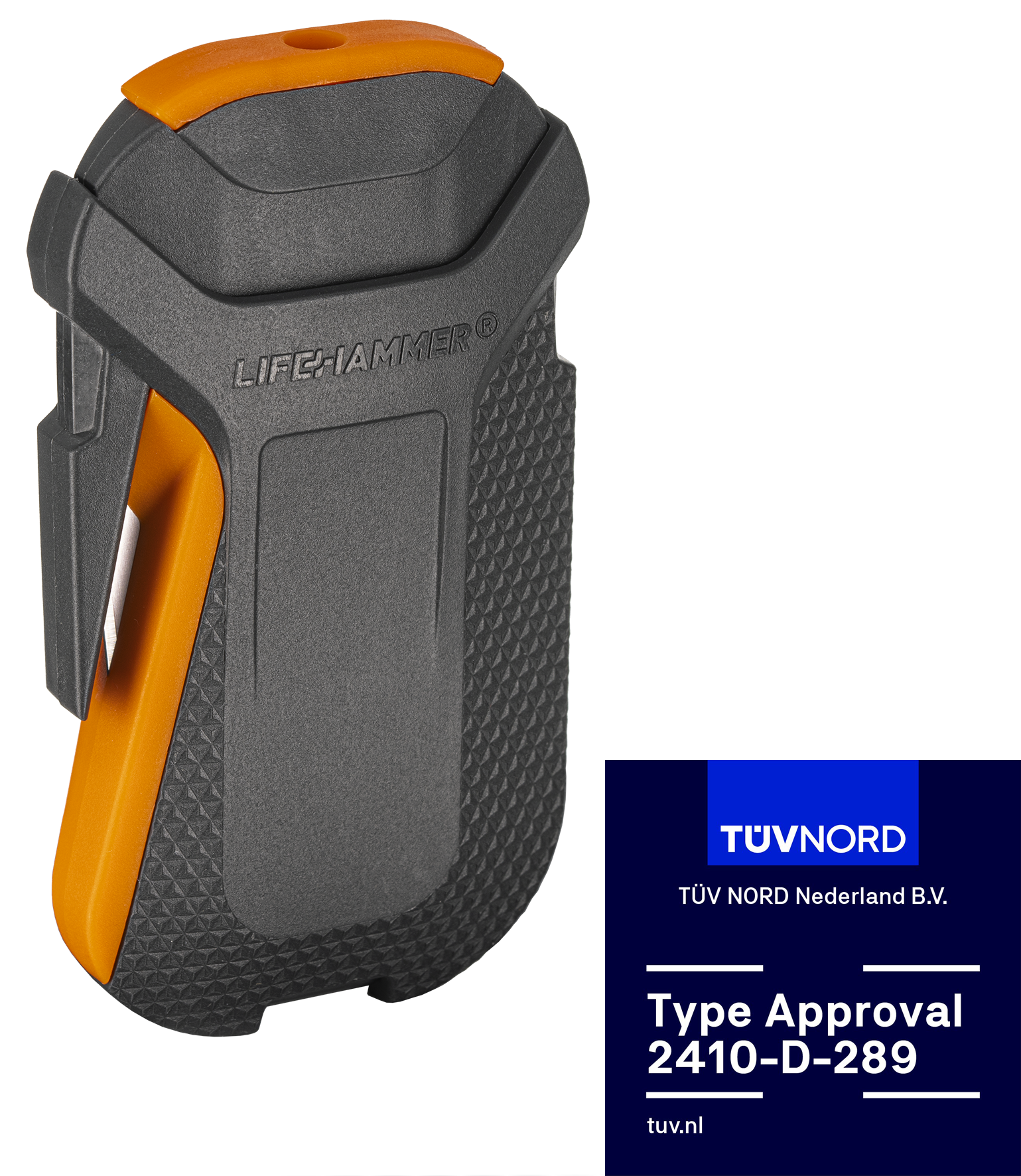
- Our Safety Hammer SMART uses a ceramic pin as its striking mechanism to break tempered side windows and includes a seatbelt cutter for a swift exit. It can be mounted within easy reach using 3M VHB double-sided adhesive tape, making it accessible in an emergency without the need for tools.
- The Safety Hammer Evolution features a ceramic hammerhead and is assembled using the included hex key. It has won the Red Dot Design Award and the iF Product Design Award, and is trusted by first responders and fleet operators across Europe.
- All Lifehammer® safety hammers are TÜV certified and designed to break tempered glass only. Laminated glass, such as windscreens, cannot be broken with a safety hammer.
- Our Safety Vest Ultra comes in an ultra-flat vacuum pack that stores discreetly under any floor mat and decompresses immediately on opening, making it practical for everyday carry without taking up space.
If you have questions about which products suit your car or your family’s needs, our Q&A section covers the most common topics in straightforward detail. You can also find Lifehammer® products available to order on Amazon.