 English
 Nederlands
 Deutsch





Yes, you should do a car inspection before every road trip. It does not need to be lengthy or technical. A basic check of your tyres, fluids, lights, and emergency kit takes under fifteen minutes and gives you a clear picture of your car’s condition before you put serious miles on it. The sections below walk you through exactly what to check, how long it takes, and when a professional look is worth booking.
What should you check on your car before a long drive?
Before a long drive, check your tyres, engine oil, coolant, windscreen washer fluid, lights, brakes, and windscreen condition. These are the areas most likely to affect your safety or leave you stranded, and most can be assessed without any tools in five to ten minutes on your driveway.
Tyres and tyre pressure
Tyres are the single most important thing to check before a road trip. Look for visible wear, cracks, or damage on the sidewalls, and check the tread depth across the full width of each tyre. Tread depth should be well above the legal minimum of 1.6mm in most European countries. Equally important is tyre pressure. Under-inflated tyres affect handling, increase fuel consumption, and wear unevenly. Check the correct pressure in your vehicle handbook and adjust it before you leave, not when you arrive at a petrol station halfway through your journey.
Fluids and under the bonnet
Engine oil, coolant, brake fluid, and windscreen washer fluid all have visible markers on their reservoirs. On a cold engine, check the oil with the dipstick and top up if the level is close to the minimum. Low coolant on a long drive can lead to overheating, particularly in summer or in slow-moving motorway traffic. Brake fluid level drops gradually as pads wear, so a noticeably low level can signal that your pads are due for inspection.
Lights and visibility
Walk around the car and check that all lights are working: headlights, brake lights, indicators, and rear fog lights. A blown bulb is easy to miss when you are the one driving. If you have a second person with you, ask them to stand behind the car while you test the brake lights. Also check your windscreen for chips or cracks that could impair your vision or worsen under motorway wind pressure.
How long does a pre-road-trip car check take?
A basic pre-road-trip car check takes between ten and fifteen minutes. That covers tyres, fluid levels, lights, and a quick look at your emergency kit. If you find something that needs attention, such as a low tyre or a bulb to replace, add another ten to twenty minutes. This is not a significant time investment relative to the length of most road trips.
The key is to do it the evening before rather than on the morning of departure. Checking fluid levels on a cold engine is more accurate, and it gives you time to act on anything you find without rushing. A last-minute discovery of low oil or a flat tyre is stressful when you have people waiting in the car and a schedule to meet. Doing it the night before removes that pressure entirely.
What’s the difference between a basic check and a full service?
A basic pre-trip check is a visual and practical inspection you carry out yourself. It covers the items that are easy to assess without specialist tools: tyre condition and pressure, fluid levels, lights, and your emergency equipment. A full service is carried out by a qualified mechanic and includes a systematic inspection of the braking system, suspension, steering components, exhaust, filters, spark plugs, and more. The two serve very different purposes.
A basic check tells you whether your car is in a safe and functional condition right now, at the start of your journey. A full service tells you whether the mechanical systems of your car are in good condition overall and whether anything is approaching the end of its service life. Neither replaces the other.
For most road trips, a self-check is sufficient if your car has been regularly serviced and there are no warning lights on the dashboard. If your last service was over a year ago, or if you are planning a particularly long or demanding journey, a professional inspection before you leave is worth considering. Think of the basic check as your pre-departure routine and the full service as your annual maintenance commitment.
What should you keep in your car for a road trip?
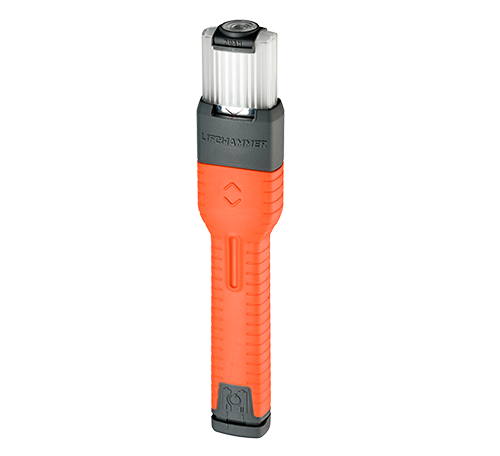
For a road trip, your car should carry a warning triangle or road flares, a high-visibility vest, a first aid kit, jump leads or a portable jump starter, a torch, a tyre inflator or a can of tyre sealant, water, and a car escape tool. These are the items most likely to be useful in the situations you actually encounter on the road.
In many European countries, carrying a warning triangle and a high-visibility vest is a legal requirement, not just a recommendation. Check the rules for each country you are driving through if you are travelling across borders. France, Spain, Germany, and Austria all have specific requirements, and fines for non-compliance can be issued roadside.
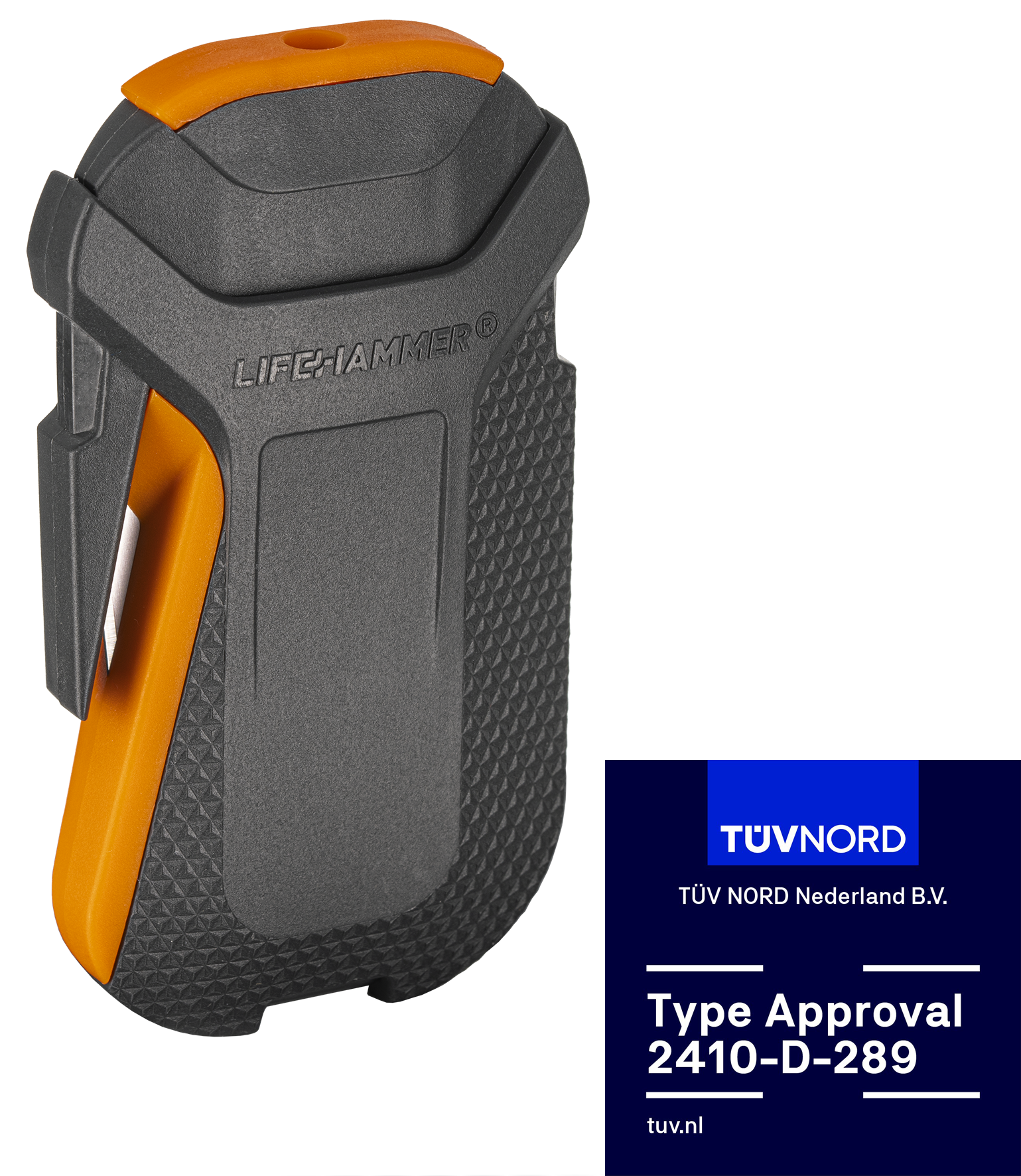
A car escape tool is worth adding to this list for any driver. If a car ends up in water or a door is jammed after an impact, a tool that cuts a seatbelt and breaks a tempered side window gives you a way out when the doors will not open. Keep it within reach of the driver, not in the boot.
Beyond emergency items, practical additions for a long drive include a phone mount, a charging cable, a reusable water bottle, sunglasses, and a small bag for rubbish. These are not safety items, but they reduce distraction and make the drive more comfortable, which has a direct effect on driver attention over long distances.
When should you get a professional inspection before a trip?
You should get a professional inspection before a road trip if your car is overdue for a service, if you have noticed any unusual sounds, vibrations, or warning lights, or if you are planning a journey significantly longer than your usual driving. A mechanic can identify issues that are not visible or detectable in a basic self-check.
Specific situations that warrant a professional pre-trip inspection include:
- Your service interval is approaching or has already passed
- The brake pedal feels softer than usual or pulls to one side
- You have noticed a vibration in the steering wheel at motorway speeds
- A warning light has appeared on the dashboard, even intermittently
- Your car has been sitting unused for several weeks or months
- You are driving a high-mileage vehicle on a demanding or remote route
- You are towing a caravan or trailer, which puts additional strain on brakes and tyres
A pre-trip inspection from a garage does not need to be a full service. Many workshops offer a safety check or vehicle health check that covers the most important systems in under an hour. If you are travelling with family or driving through areas where breakdown assistance may take time to arrive, the cost of a pre-trip inspection is a reasonable and practical expense.
How Lifehammer® supports your road trip preparation
At Lifehammer® we have been developing vehicle safety tools since 1983, and road trip preparation is exactly the kind of situation our products are designed for. Whether you are doing a quick pre-departure check or building out a complete car kit from scratch, we focus on tools that are reliable, compact, and genuinely useful when it counts.
- Our safety hammer range includes four models. The Classic and Plus use a hardened carbon steel hammerhead; the Safety Hammer Evolution and Smart use an automatic ceramic hammerhead. All four cut seatbelts and break tempered side windows.
- All Lifehammer® safety hammers are TÜV certified and trusted by first responders and fleet operators across Europe.
- Our Safety Vest Ultra comes in an ultra-flat vacuum pack that stores discreetly under any floor mat and decompresses immediately on opening. It is one-size-fits-all and suitable for drivers and passengers alike.
If you have questions about which products are right for your car or your journey, our Q&A section covers the most common topics in straightforward detail.