 English
 Nederlands
 Deutsch



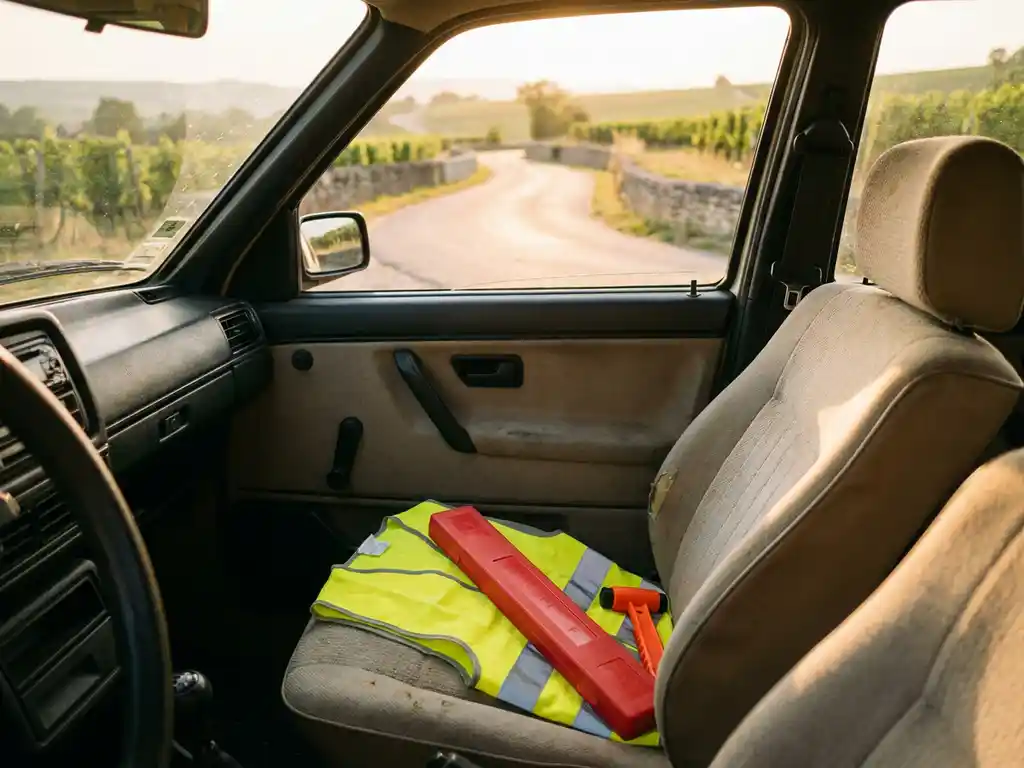
Anyone driving through France needs to carry certain legally required items that are not mandatory in other countries. These include a high-visibility vest, a warning triangle, and a breathalyzer. Since regulations can change, it’s worth checking the current rules before your trip. This article answers the most important questions about equipment, traffic rules, and how to prepare well for your drive through France in 2026.
What equipment is legally required in your car in France?
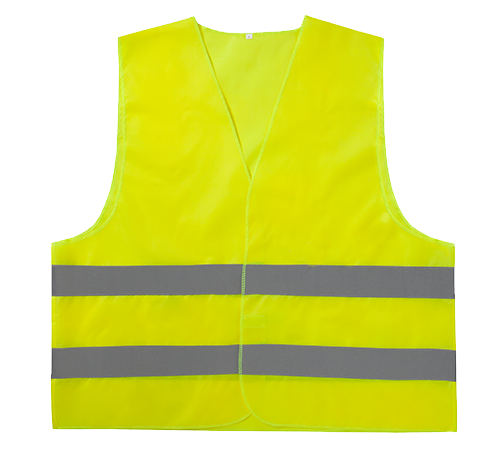
In France, the following items are legally required for all vehicles: a high-visibility vest (gilet de sécurité), a warning triangle, and a breathalyzer. A first aid kit is strongly recommended but not legally required. The high-visibility vest must be kept within reach inside the vehicle — not in the trunk. Failing to carry this mandatory equipment risks a fine.
In detail, the required list for France looks like this:
- High-visibility vest: Must be kept inside the vehicle, not in the trunk. Put it on before getting out of the car in the event of a breakdown or accident.
- Warning triangle: Mandatory and must be placed at a sufficient distance from the vehicle when stopped.
- Breathalyzer: A certified single-use or reusable device must be carried. The fine for non-compliance is currently suspended.
- First aid kit: Strongly recommended but not legally required.
In addition: anyone driving a vehicle with foreign license plates in France must display a nationality identifier (such as a country sticker) on the vehicle, unless the plate itself already includes a EU country code. Modern license plates featuring EU stars and a country code already satisfy this requirement.
Do I really need a breathalyzer in my car in France?
Yes, carrying a breathalyzer in France has been legally required since 2012. However, the fine originally planned for non-compliance has never actually come into force. This means you are required to carry a breathalyzer, but you are currently not penalized for not having one.
That said, it’s still a good idea to bring a certified single-use breathalyzer. The reasons are practical:
- The legal situation can change at any time, and a fine would be entirely avoidable.
- During a police stop, a properly equipped vehicle makes a professional and cooperative impression.
- Single-use breathalyzers are inexpensive and easy to find — at gas stations or pharmacies, for example.
Make sure the breathalyzer carries the French NF certification mark. Only certified devices meet the legal requirements. Reusable devices are also permitted, provided they are properly calibrated.
What happens if I don’t have the required equipment?
Anyone stopped in France without a high-visibility vest or warning triangle can expect a fine. The amount depends on the missing item and may be collected on the spot. Fines of up to €135 are possible for a missing vest, and the same applies for a missing warning triangle.
French police conduct regular checks, particularly on highways and at border crossings. Foreign-registered vehicles receive no preferential treatment — quite the opposite. During peak tourist season, checks are deliberately intensified.
What many people don’t realize is that fines can be demanded on the spot. Anyone unable or unwilling to pay risks having their journey disrupted. It’s therefore well worth checking that all required equipment is in order before you leave, rather than thinking about it just before the border.
What additional safety products are recommended for driving through France?
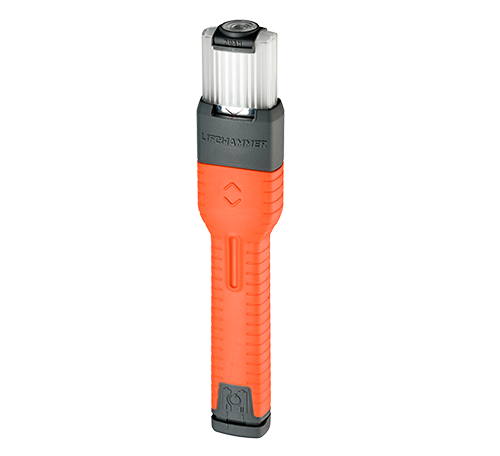
Beyond the legally required minimum, there are several products that come in handy on long drives through France. These include an emergency hammer with a seatbelt cutter, a flashlight, a first aid kit, and a charged cable for your smartphone.
France has an extensive highway network where you can quickly find yourself far from the nearest exit or rest stop. In situations like these, a well-thought-out basic kit pays off:
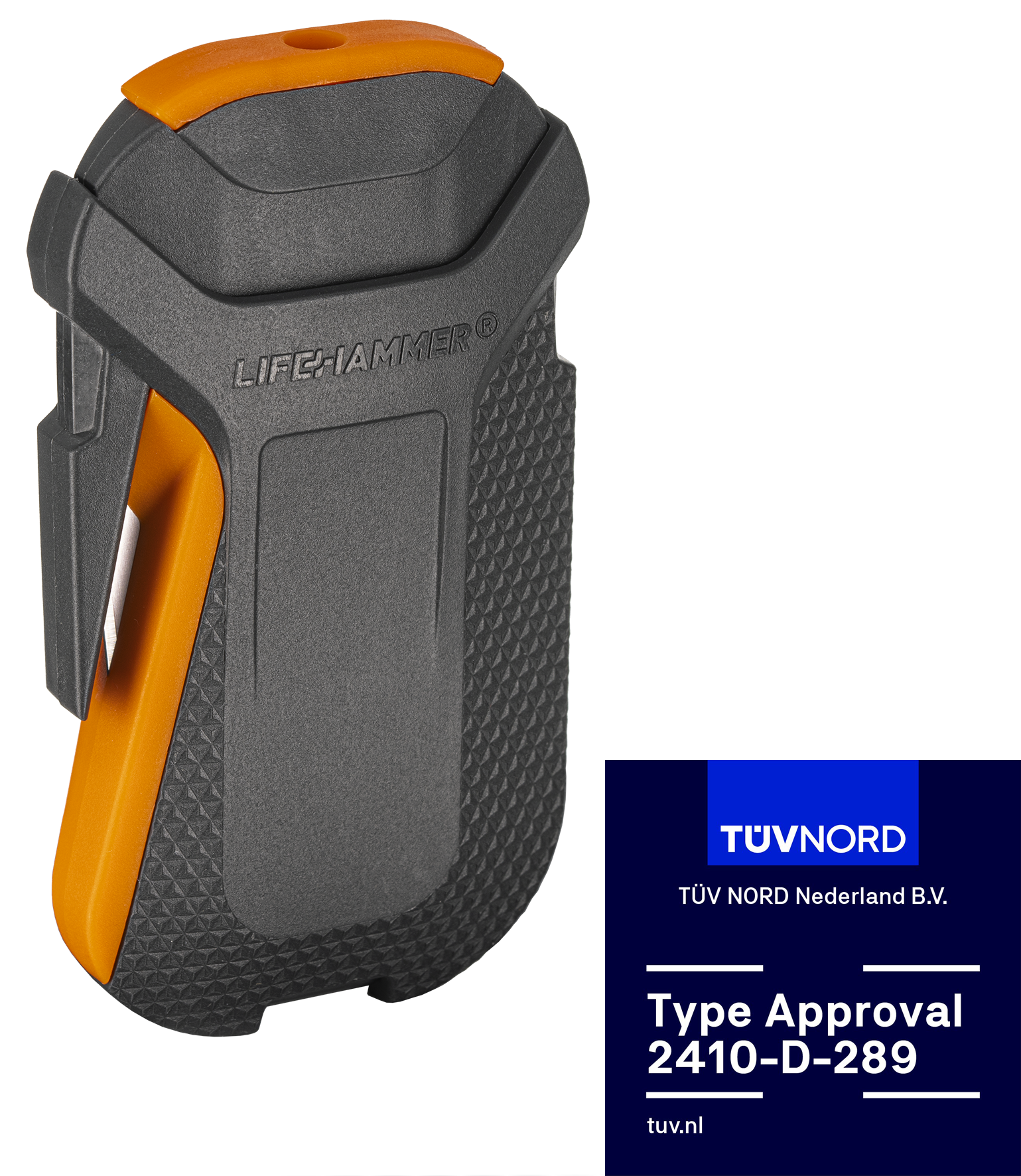
- Safety hammer with seatbelt cutter: Helps break a side window and cut through a seatbelt when doors can no longer be opened after an accident.
- Flashlight: Indispensable during nighttime breakdowns or in tunnels.
- High-visibility vest for every passenger: Only one vest is legally required, but ideally all passengers should be visible in the event of a breakdown.
- Charged power bank: A dead smartphone is particularly frustrating when you need to call for help or navigate in an unfamiliar country.
Anyone who regularly drives longer distances or travels with family will benefit from keeping a pre-assembled emergency kit in the trunk. It can be quickly checked and restocked before each trip.
Are the traffic rules in France different from those in other countries?
Yes, France has several traffic rules that differ from those in other countries. The most important differences involve speed limits, right-of-way rules at roundabouts, and the ban on using a handheld phone while driving.
Speed limits in France
The following maximum speeds apply to passenger cars in France:
- In built-up areas: 50 km/h
- Outside built-up areas (rural roads): 80 km/h (reduced on many roads since 2018)
- Divided roads without a central reservation: 80 km/h
- Divided roads with a central reservation: 110 km/h
- Highways: 130 km/h, reduced to 110 km/h in rain
Note: In poor visibility of under 50 meters, a maximum speed of 50 km/h applies on highways. France makes extensive use of speed cameras, and fines are substantial.
Right of way and roundabouts
In France, vehicles already in a roundabout have the right of way — a rule that is now standard in most countries but was once the opposite in France. If you’re unsure, it’s worth briefly familiarizing yourself with this before your trip to avoid any unnecessary confusion.
Another difference: in France, staying in the left lane without overtaking on highways is strictly prohibited and actively enforced. The requirement to keep right is applied more consistently than in many other countries.
How do I best prepare my car for a trip to France?
The best preparation for a trip to France starts with a structured checklist covering legally required equipment, a technical vehicle check, and a personal emergency kit. Ticking off these three areas will have you well prepared for most situations.
Before you leave, go through the following points:
- Check required equipment: High-visibility vest inside the vehicle, warning triangle, breathalyzer (NF-certified).
- Check the vehicle mechanically: Tire pressure and condition, oil level, coolant, windshield washer fluid, all lights working.
- Gather your documents: Driver’s license, vehicle registration, proof of insurance (green card), passport or ID card.
- Prepare navigation: Download offline maps and budget for tolls — France has an extensive toll road network.
- Complete your emergency kit: Safety hammer, flashlight, power bank, high-visibility vests for all passengers.
- Note emergency numbers: European emergency number 112, French police 17, and your roadside assistance provider’s international number.
Also plan for breaks. Rest stops along France’s long highway stretches are well equipped, but the distances between them can be significant. Driving tired puts you and others at risk. France recommends taking a break every two hours — and that’s advice worth taking seriously.
How Lifehammer® prepares you for driving through France
We have been developing automotive safety products for over 40 years — products that work precisely when they’re needed. For trips through France, we offer products that complement the mandatory equipment in a meaningful way, without taking up space or adding hassle.
- TÜV-certified quality: Our safety hammers are TÜV-certified to German standards and are used by police, fire departments, and first responders.
- The Lifehammer® product line includes four safety hammers: the Safety Hammer Classic and the Safety Hammer Plus feature a manual hardened carbon steel hammerhead. The Safety Hammer Evolution and the Safety Hammer Smart use an automatic ceramic hammerhead. All four models are equipped with a seatbelt cutter and reliably break side windows made of tempered glass.
- High-visibility vest for every passenger: Our Safety Vest Ultra comes in an ultra-flat vacuum pack that fits under any floor mat. It’s one-size-fits-all for drivers and passengers alike, and meets the visibility requirements for breakdowns on French roads.
- Easy installation: no screws required. Attaches to the car door or center console, stays securely in place, and is immediately at hand in an emergency.
If you have questions about our products or want to know which model is best suited to your vehicle, you’ll find all the answers in our Questions and Answers section.