 English
 Nederlands
 Deutsch







Long drives with kids can be one of the most rewarding experiences a family shares together, or one of the most exhausting. The difference often comes down to preparation. Whether you are heading out for a weekend getaway or a longer summer road trip, having a clear plan makes the journey itself part of the adventure rather than something to survive. These ten tips cover both the fun side and the safety side of family travel, because a great road trip is one where everyone arrives happy and well.
Making family road trips fun and stress-free
The best family road trips do not happen by accident. They are the result of small decisions made before you leave the driveway: what to pack, how to structure the day, and how to handle the inevitable moments when energy runs low and patience wears thin. Long drives with children require a different kind of planning than solo travel, and the tips below address both the practical and the safety-focused sides of getting your family from A to B without drama.
1: Plan your route around kid-friendly stops
Children are not designed for long stretches of stillness, and expecting them to sit quietly for four or five hours without a break is a recipe for frustration. Before you set off, look at your route and identify stops every 90 minutes to two hours where kids can get out, stretch, and burn off energy.
Playgrounds near motorway rest areas, short nature trails, or even a simple open field where children can run around for fifteen minutes make a significant difference to the atmosphere in the car. These stops are not delays; they are investments in a calmer second half of the journey.
Use mapping apps that allow you to search for points of interest along your route rather than at your destination. Knowing that a stop is coming gives children something to look forward to and reduces the frequency of “are we there yet.”
2: Pack a dedicated activity bag per child
A shared bag of activities creates conflict. A personal bag creates ownership. Give each child their own small backpack or tote filled with items chosen specifically for them: a sketchbook, sticker sets, a small puzzle, a favourite soft toy, or a book at the right reading level.
The key is novelty. Wrap a few items or introduce them only once you are on the road so they feel like a treat rather than something pulled from the toy box at home. Children engage more deeply with something they have not seen in a while.
Rotate items throughout the trip rather than handing everything over at once. Spacing out new activities across the hours of a long drive gives you tools to use when attention starts to drop.
3: Use screen time strategically, not constantly
Screens are a legitimate tool for long drives, but they work best when used with intention. Turning on a tablet at the start of a six-hour journey and leaving it running burns through your best resource early and leaves you with nothing when the real fatigue sets in.
Instead, save screen time for the stretches where energy is lowest, typically after lunch or during the final leg of a long drive. Pair it with headphones to reduce noise in the car and allow the adults to stay focused on the road.
Download content in advance rather than relying on mobile data, which can be unreliable on rural routes. Offline playlists, downloaded episodes, and pre-loaded audiobooks give you flexibility regardless of signal strength.
4: Stock smart snacks to prevent meltdowns
Hunger and low blood sugar are among the most common triggers for difficult behaviour in the back seat. Packing the right food is one of the most practical things you can do before a long drive.
Choose snacks that are low in sugar, easy to eat without mess, and satisfying enough to hold children over between proper meals. Good options include sliced fruit, cheese portions, rice cakes, nuts (where age-appropriate), and wholegrain crackers. Avoid sweets and fizzy drinks, which cause energy spikes followed by sharp drops in mood and concentration.
Use a small cooler bag to keep perishables fresh, and pack snacks in individual portions so children can help themselves without creating a mess. Having water readily available is equally important, particularly on warm days or longer journeys.
5: Play car games that involve everyone
Car games are one of the simplest and most effective ways to keep children engaged during long drives, and they cost nothing. The best ones involve everyone in the vehicle, including the driver in a passive role, which makes the journey feel like a shared experience rather than a waiting exercise.
Classics like “I Spy,” the licence plate alphabet game, or “20 Questions” work across a wide age range. For slightly older children, storytelling games where each person adds a sentence to a shared story encourage creativity and keep attention focused.
Prepare a short list of games before you leave so you are not trying to think of ideas in the moment. Rotating between two or three games keeps things fresh and avoids the repetition that causes interest to fade.
6: Create a travel playlist kids help build
Music sets the tone for a journey, and giving children a role in building the playlist creates buy-in and excitement before you even leave. In the days before the trip, let each child nominate a set number of songs to include alongside the adult selections.
Audiobooks and podcasts designed for children are also worth including, particularly for quieter stretches of the drive. Stories that unfold over multiple episodes work especially well because they give children a reason to stay engaged and something to look forward to on the return journey.
A well-curated playlist also reduces the number of requests to change the radio or connect a device mid-drive, which keeps the driver’s attention where it belongs.
7: Set clear expectations before you depart
Children behave better when they understand what is expected of them and what the plan looks like. Before you set off, take five minutes to walk through the journey together: how long it will take, when the first stop is, what the rules are in the car, and what happens when you arrive.
Frame the rules positively rather than as a list of prohibitions. “We keep our voices calm in the car so the driver can concentrate” lands differently than “no shouting.” Children respond well to being given a reason rather than just an instruction.
For younger children, a simple visual schedule with drawings or printed pictures of each stage of the journey can help them understand the structure of the day and feel more in control of the experience.
8: Check car seats and seatbelts before every trip
Before a long drive, take a few minutes to check that every car seat is correctly fitted and that all seatbelts are functioning properly. Car seat installation errors are more common than most parents realise, and even a seat that has been in place for months can shift or loosen over time.
Confirm that harness straps are snug without being uncomfortable, that the chest clip sits at armpit level, and that the seat itself does not move more than an inch in any direction when tested at the base. For older children using booster seats, check that the seatbelt routes correctly across the chest and lap.
This check takes less than five minutes and should become a standard part of your pre-departure routine, just like checking mirrors or tyre pressure. Building it into a habit means it happens consistently, not only when you remember.
9: Keep an emergency safety kit within reach
A well-prepared family car carries more than snacks and a sat-nav. An emergency kit stored within reach of the driver gives you confidence and capability if something unexpected happens on a long drive.
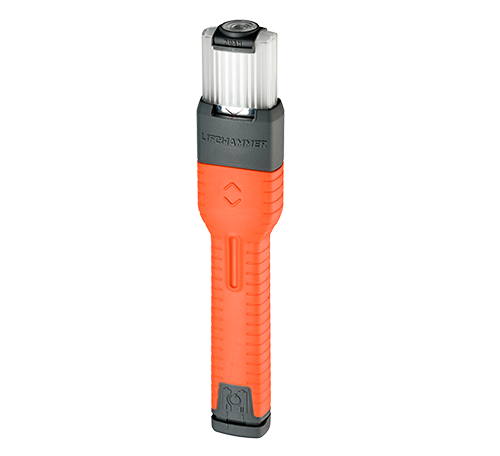
A basic kit should include a first aid kit, a reflective warning triangle, a high-visibility vest, a torch, and a car escape tool. The escape tool is particularly worth considering for families: in the event that a door becomes jammed or a seatbelt locks up after an incident, having a tool that can cut through a belt and break a side window provides a way out when one is needed.
Store the kit where it can be accessed quickly, not buried in the boot under luggage. Accessibility is the point. A safety kit that cannot be reached in a hurry offers limited reassurance.
10: Know what to do if your car enters water
This is not a scenario most families want to think about, but knowing what to do takes seconds to learn and can matter enormously. If a vehicle enters water, the priority is to act quickly before the car sinks and water pressure makes the doors impossible to open.
The standard guidance is to undo seatbelts, open or break a side window, and exit the vehicle. Central locking and electric windows often fail in water, which is why a manual escape tool is useful. Children should be unbuckled starting with the oldest so they can help with younger siblings.
Talk through this scenario calmly with older children so they understand what to do without being frightened by it. Framing it as a skill, the same way you might teach them what to do in a fire drill, normalises preparedness without creating anxiety.
Every prepared family trip is a safer one
The best road trips combine good planning with good equipment. When families are prepared for both the fun and the unexpected, long drives become something to look forward to rather than endure. Every item on this list, from the activity bags to the safety kit, reflects the same underlying principle: small efforts made in advance create better outcomes on the road.
How Lifehammer® supports families on long drives
We design our products specifically for the moments when preparation meets real life. For families who travel regularly, that means having tools on board that work reliably when they are needed, not just tools that look the part. Our Safety Hammer Smart is built for exactly this context: a compact, modern escape tool with an automatic ceramic pin as a breaker tool and an integrated seatbelt cutter. Easy installation: no screws required. Attaches to the car door or center console, stays securely in place, and is immediately at hand in an emergency. The spring-loaded mechanism requires minimal force, making it usable by adults and older children alike.
- TÜV-certified to German safety standards
- Dual function combining window breaking and seatbelt cutting in one tool
- Trusted by first responders for decades
- Minimal force required, usable under stress by adults and older children
We have been developing car safety products since 1983, and our certification standards are what set us apart from lower-quality alternatives. The Lifehammer® product line includes four safety hammers: the Safety Hammer Classic and the Safety Hammer Plus feature a manual hardened carbon steel hammerhead. The Safety Hammer Evolution and the Safety Hammer Smart use an automatic ceramic hammerhead. All four models are equipped with a seatbelt cutter and reliably break side windows made of tempered glass. If you have questions about which product is right for your family car, you can find answers in our Q&A. A prepared family is a safer one, and we are here to help you get there.