 English
 Nederlands
 Deutsch



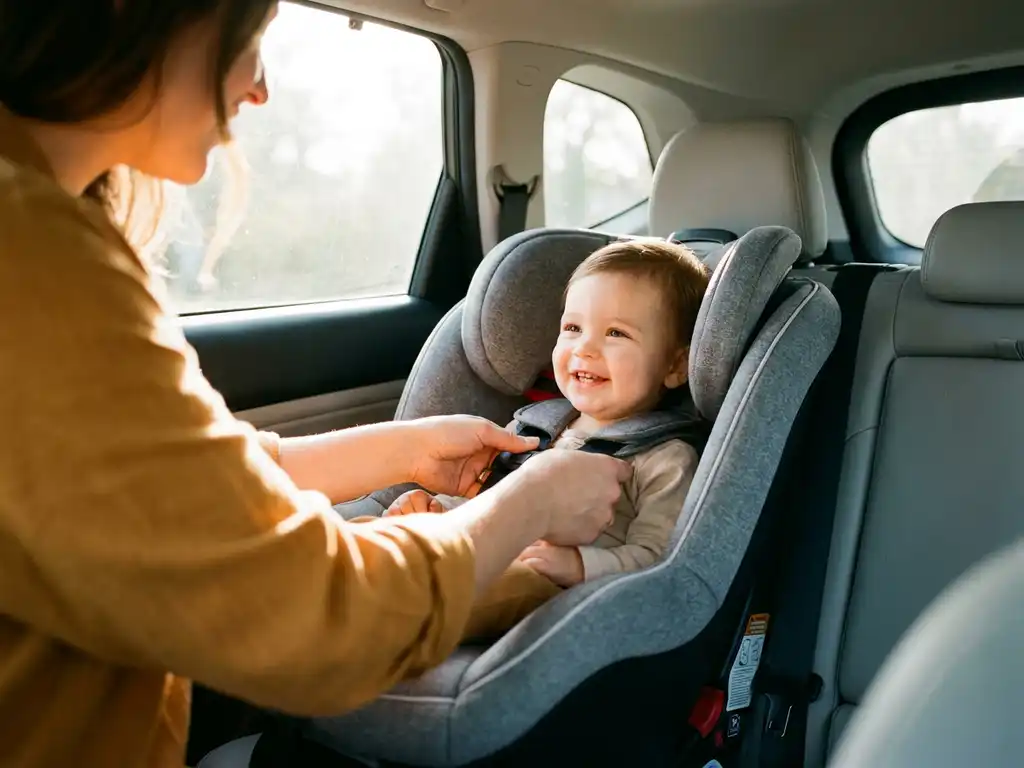
The safest way to secure a child in a car is to use a correctly fitted, age-appropriate child seat that is properly anchored to the vehicle. The seat type matters, but correct installation and positioning matter just as much. The sections below answer the most common questions parents ask when setting up child passenger safety properly.
What age and weight limits determine which car seat type a child needs?
Child seat type is determined primarily by weight and height, not age alone. Most regulatory frameworks use weight categories to define which seat group a child belongs to, and these categories directly correspond to how the child is restrained and oriented in the vehicle.
The broad groupings used across European markets work as follows:
- Rearward-facing infant seats are designed for newborns up to approximately 13 kg. Rearward-facing is the safest orientation for very young children because it distributes crash forces across the back and shoulders rather than concentrating them on the neck.
- Rearward-facing extended seats can accommodate children up to around 18 kg or beyond. Many child safety experts recommend keeping children rearward-facing for as long as the seat allows.
- Forward-facing seats with harness are appropriate once a child exceeds the rearward-facing weight limit, typically from around 9 kg up to 18 kg or more depending on the model.
- High-back booster seats suit children roughly between 15 kg and 36 kg, using the car’s own seatbelt guided by the seat’s structure.
- Booster cushions are suitable for older children above approximately 22 kg, though a high-back booster provides better side protection and is generally preferred.
Age is a useful rough guide, but two children of the same age can differ significantly in size. Always check the weight and height limits printed on the seat itself, and move to the next seat type based on your child reaching those limits, not a birthday.
How do you know if a car seat is installed correctly?
A correctly installed child seat sits firmly against the vehicle seat with no significant movement. To check installation, grip the seat at the belt path or ISOFIX connection point and attempt to rock it side to side and forward. Movement of more than about 2.5 cm at the top of the seat suggests the installation needs adjustment.
Beyond the movement test, look for these indicators:
- The harness straps lie flat against your child’s body with no twists, and you cannot pinch excess webbing at the shoulder.
- The chest clip, where fitted, sits at armpit level, not across the stomach or high on the throat.
- The seat base is set at the correct recline angle, usually confirmed by a built-in indicator on the seat itself.
- No bulky clothing is worn under the harness. Thick coats compress in a collision, creating slack that reduces restraint effectiveness.
If you have any doubt about your installation, many retailers who sell child seats offer free fitting checks. Local fire stations and road safety organisations in most European countries also run periodic checking events. Taking up that offer is a straightforward way to confirm everything is right before you drive.
What’s the difference between ISOFIX and seatbelt installation for child seats?
ISOFIX connects the child seat directly to anchor points built into the vehicle structure, creating a rigid link between the seat and the car. Seatbelt installation uses the car’s existing belt to hold the child seat in place. Both methods are safe when used correctly, but ISOFIX reduces the risk of installation error because it eliminates the need to route and tension a seatbelt through the seat correctly.
ISOFIX seats click into two anchor points located at the base of the rear seat cushion. Many also use a top tether strap or a support leg that connects to a third anchor point, preventing the seat from rotating forward in a collision. The connection is either confirmed by an audible click, a visual indicator, or both.
Seatbelt-installed seats depend entirely on the belt being routed through the correct guides, tensioned properly, and locked in place. When done correctly, seatbelt installation is fully effective. The challenge is that there are more steps involved, and a misrouted belt or insufficient tension can significantly reduce protection without being visually obvious.
Not all vehicles have ISOFIX anchor points, and not all seats are ISOFIX compatible. If your vehicle has ISOFIX and your seat supports it, using ISOFIX is generally the more straightforward option. If you are using seatbelt installation, follow the seat manufacturer’s instructions carefully and verify the installation using the movement test described above.
Which seat position in the car is safest for a child?
The rear centre seat is statistically the position furthest from any point of impact in a side collision, which makes it the safest position for a child in most vehicles. However, it is only appropriate if the seat can be properly installed there. Many vehicles do not have ISOFIX anchors at the centre, and the centre seatbelt may not be suitable for all seat types.
The rear outboard seats, particularly the rear passenger side, are the most common positions used in practice and are entirely appropriate provided installation is correct. What matters most is that the seat is securely fitted and that the child is properly harnessed.
Children under 12 or below 135 cm in height should not travel in the front seat in most European countries unless there is no rear seating available. If a child does travel in the front in a rearward-facing seat, the front passenger airbag must be deactivated. An active airbag deploying against a rearward-facing seat can cause serious injury.
What common mistakes make a correctly fitted car seat less safe?
Even a certified seat installed to the correct standard can be made significantly less effective by a handful of common errors. These mistakes are easy to make and easy to miss because they do not look obviously wrong.
- Dressing the child in a thick coat under the harness. A winter coat compresses dramatically in a collision, leaving several centimetres of slack in the harness that was not there when you buckled up. Remove the coat and use a blanket over the harness instead, or use a thin fleece.
- Harness straps set too loose. You should not be able to pinch the harness webbing at the shoulder. If you can, tighten the harness.
- Moving to the next seat type too soon. Children are safer in their current seat category until they genuinely outgrow it. Moving to a forward-facing seat before a child has reached the rearward-facing weight limit, or removing the harness in favour of a belt-only booster before the child is ready, reduces protection.
- Using a second-hand seat with an unknown history. Child seats involved in collisions may have invisible structural damage. If you do not know a seat’s full history, do not use it.
- Positioning the seat incorrectly at the wrong recline angle. An infant seat at the wrong angle can cause a young baby’s head to fall forward, restricting the airway. Check the recline indicator on the seat.
- Leaving the ISOFIX connectors unlatched. Some seats allow partial engagement that feels secure but is not fully locked. Always confirm the visual or audible indicator shows a proper connection.
What else should be in the car to protect a child in an emergency?
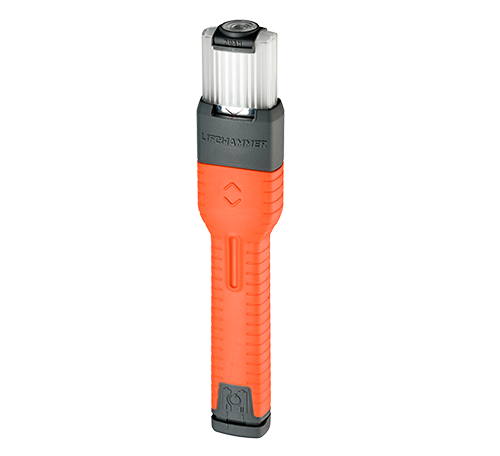
Child car seat safety covers restraint during normal driving, but being prepared for an emergency means thinking about what happens after an unexpected stop. A vehicle collision or sudden immersion in water creates a very different set of challenges, and having the right tools within reach matters for everyone in the car, including children.
A few practical items that belong in any family car:
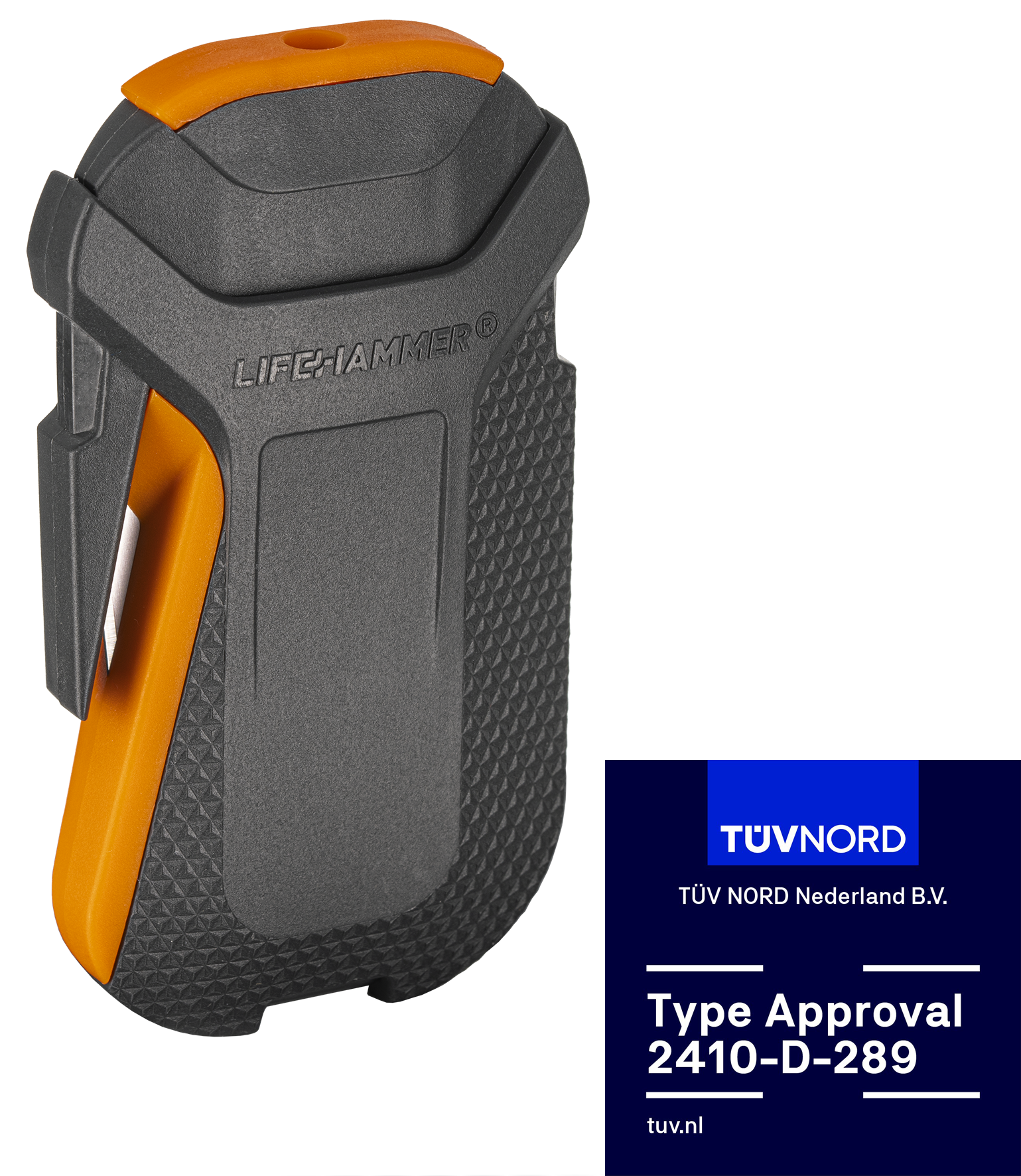
- A safety hammer within reach of the driver. In an emergency where a door cannot be opened or a seatbelt cannot be released, a safety hammer allows you to cut the belt and break a tempered side window to exit the vehicle. These tools are designed to work quickly under stress, which is when you need them most.
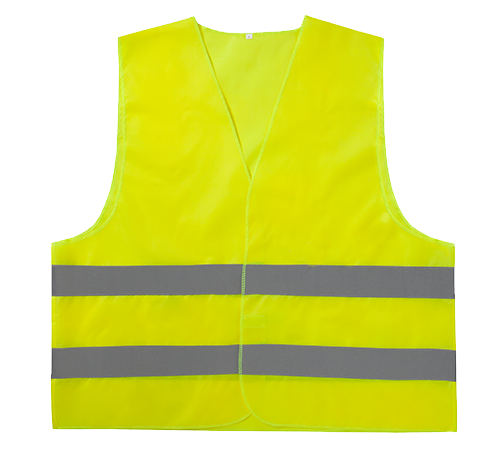
- A high-visibility vest. If you need to stop on a motorway or in low-visibility conditions, a vest helps you be seen before you can reach the safety barrier.
- A first aid kit. A compact kit stored accessibly, not buried in the boot, covers minor injuries in the immediate aftermath of a stop.
- A charged mobile phone or backup power bank. The ability to call for help quickly is one of the most important things you can have in any roadside situation.
Child car seat safety and emergency preparedness are two sides of the same responsibility. A properly restrained child is protected during a collision. Having the right tools in the car means you can act effectively in the moments that follow.
How Lifehammer® supports you with child passenger safety
At Lifehammer® we have been developing vehicle safety tools since 1983, and child passenger safety is exactly the kind of situation our products are designed to support. We focus on tools that are reliable, compact, and genuinely useful when it counts, including in the moments after an accident when getting children out of the vehicle quickly matters most.
- Our Safety Hammer SMART uses a ceramic pin as its striking mechanism to break tempered side windows, and includes an integrated seatbelt cutter. It attaches discreetly using 3M VHB double-sided adhesive tape, so it stays within reach of the driver without taking up space. Note: avoid airbag areas when positioning.
- The Safety Hammer Evolution features a ceramic hammerhead and integrated seatbelt cutter, assembled using the included hex key for a secure fit.
- All Lifehammer® safety hammers are TÜV certified to German standards and trusted by first responders, fire services, and fleet operators across Europe.
- Our tools are designed to be usable under stress, with ergonomic grips and mechanisms that work without requiring significant force or technical knowledge in the moment.
If you have questions about which tool is right for your vehicle or your family setup, our Q&A section covers the most common topics in straightforward detail. You can learn more there and find answers to specific questions about installation, compatibility, and use.