 English
 Nederlands
 Deutsch

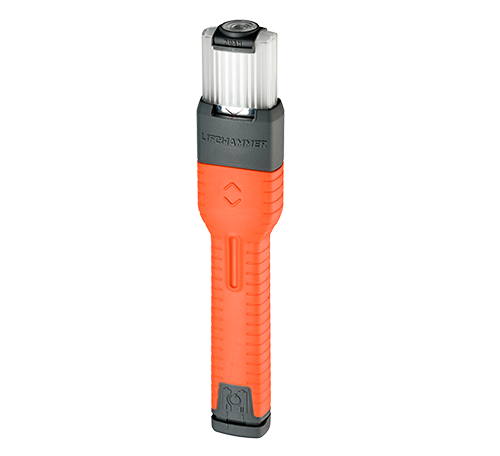


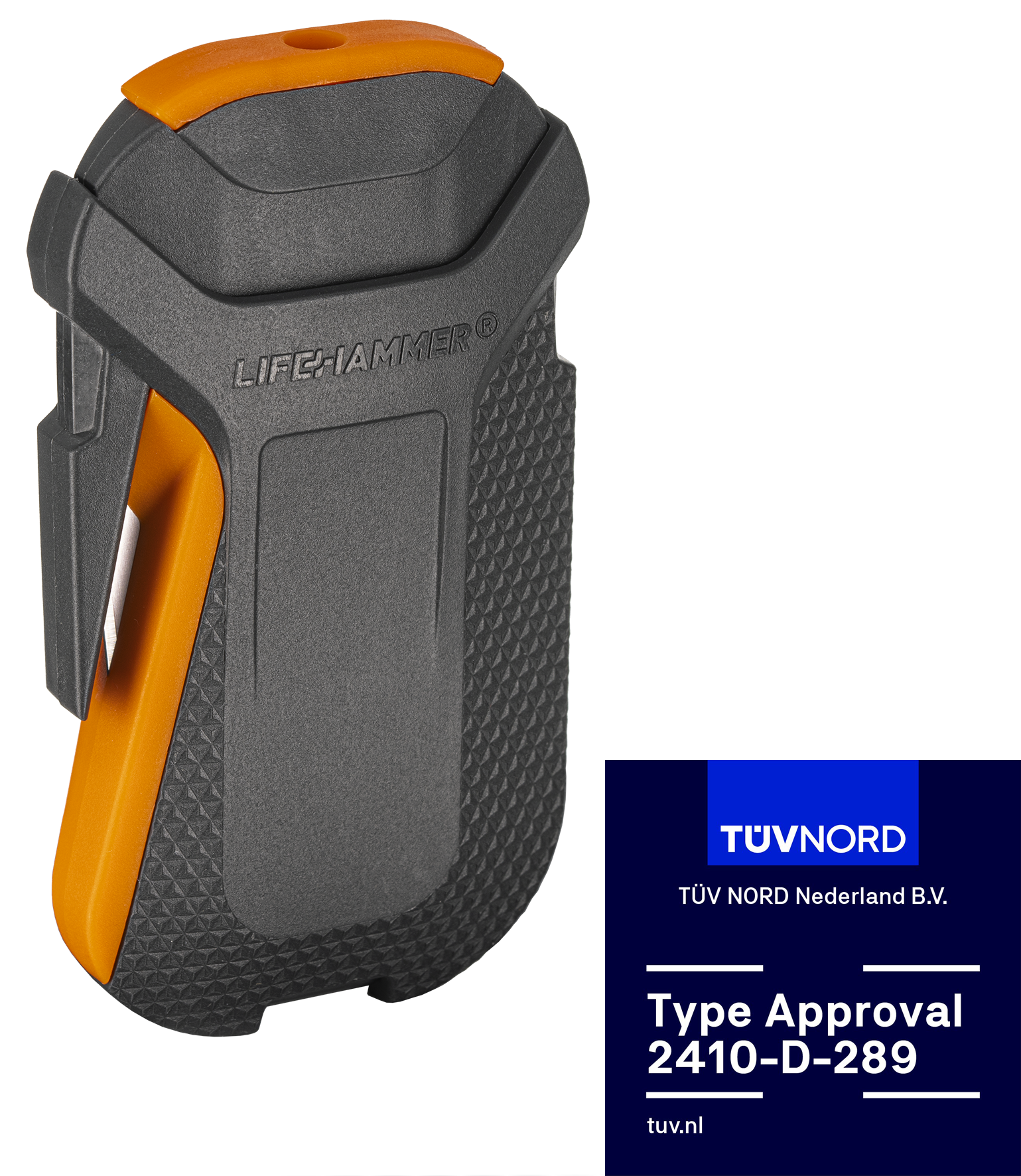



When your car breaks down on a road trip, pull off the road as far as possible, switch on your hazard lights immediately, and stay with your vehicle unless it is unsafe to do so. The steps you take in the first few minutes determine how quickly you get help and how safe you stay while you wait. This article covers everything from immediate actions to pre-trip preparation, so you feel ready before you leave the driveway.
What should you do immediately after your car breaks down?
The moment you realise your car is in trouble, steer smoothly to the left and pull as far off the road as possible. Switch on your hazard lights straight away, even before you have fully stopped. Once you are stationary, apply the handbrake, turn off the engine, and if you have a warning triangle, place it behind the vehicle at a safe distance to alert approaching traffic.
If you break down on a motorway or highway, do not stay in the car. Exit through the passenger-side door if possible, move behind the crash barrier, and wait well away from the carriageway. On a quieter road, staying inside the vehicle with your seatbelt on is often the safer choice while you assess the situation and call for help.
A few immediate priorities to work through:
- Hazard lights on before you have fully stopped
- Pull as far off the road as conditions allow
- Apply the handbrake and turn off the engine
- Put on a high-visibility vest before stepping out
- Place a warning triangle at a distance of at least 50 metres behind the vehicle on a normal road, and further on a motorway
- Call your breakdown provider or emergency services
How do you stay safe while waiting for roadside assistance?
Staying safe during a roadside breakdown means making yourself visible to other drivers and keeping a safe distance from moving traffic. Put on a reflective vest as soon as you exit the vehicle, and if it is dark or visibility is poor, use a torch or the light on your phone to signal your position. Never stand between your car and oncoming traffic.
If you are on a busy road or motorway, move yourself and any passengers behind the crash barrier or as far from the road as possible. Keep children and pets away from the carriageway at all times. Let someone know your location, either by calling ahead or sharing your GPS position, so there is a record of where you are.
While you wait, keep your phone charged if you can, stay warm in cold weather, and avoid distractions. If another driver stops and offers help, you do not have to accept a lift. It is perfectly reasonable to ask them to call for assistance on your behalf instead.
What should be in a car emergency kit for a road trip?
A practical car emergency kit for a road trip should include a warning triangle, a high-visibility vest, a torch, a first aid kit, jumper cables or a portable jump starter, a tyre inflator or spare tyre, a phone charger or power bank, and a basic tool set. These items cover the most common breakdown scenarios and help you stay visible and self-sufficient while you wait for help.
Beyond the basics, consider adding a few items that make a real difference in less obvious situations:
- Reflective warning triangle: Required by law in many European countries when you break down
- High-visibility vest: Keep one in the passenger compartment, not the boot, so it is accessible before you step out
- Torch or headlamp: Useful for inspecting the car in the dark or signalling your position
- Portable jump starter: A flat battery is one of the most common causes of breakdowns, and this solves it without needing another car
- Tyre inflator: For slow punctures that do not require a full tyre change
- Water and snacks: If you are waiting for a long time, especially with children
- Warm layer or blanket: Particularly important on winter or mountain routes
- Phone charger and backup power bank: Your phone is your most important tool in a breakdown
Keep the kit organised in a bag or box in the boot so you can access it quickly. Reviewing and restocking it at the start of each year is a good habit.
How do you call for help if you break down without phone signal?
If you have no mobile signal after a breakdown, use the orange emergency phones found at regular intervals along motorways and major highways. These phones connect directly to the relevant traffic management centre and are free to use. If you are on a rural road without emergency phones, walk in the direction of the nearest town or petrol station to find a signal or ask another driver to call for help.
A few practical steps if you lose signal:
- Try moving to higher ground nearby, even a small rise can restore signal
- Switch your phone between networks manually, as some networks have better rural coverage than others
- In some countries, emergency calls (112 in Europe) can connect even with very weak or no standard signal
- Use motorway emergency phones if available, as they are marked on motorway signs and spaced roughly every mile or kilometre
- If someone passes, wave them down and ask them to call your breakdown provider or emergency services on your behalf
Before a long road trip through remote areas, download offline maps, note your breakdown provider’s number somewhere accessible without internet, and check which emergency number applies in each country you are travelling through.
What are the most common causes of car breakdowns on long drives?
The most common causes of car breakdowns on long drives are flat or damaged tyres, flat batteries, engine overheating, fuel errors, and mechanical failures such as a broken alternator or clutch. Tyres and batteries together account for the majority of roadside callouts, and both are largely preventable with a basic pre-trip check.
Tyre and battery issues
Tyres are the single most common source of breakdowns on long journeys. Under-inflation puts extra stress on the tyre sidewalls, especially at motorway speeds over several hours. Check your tyre pressure before any long drive, including the spare if you carry one. Batteries fail most often in cold weather or in older vehicles, and a battery that starts the car reliably around town may not handle the sustained electrical load of a long motorway drive.
Engine and fuel problems
Engine overheating is more common in summer, particularly in stop-and-go traffic or on mountain passes. Check your coolant level before departure and watch the temperature gauge during the drive. Misfuelling, putting petrol into a diesel engine or vice versa, is a straightforward mistake that causes significant damage and is entirely avoidable by slowing down at the pump. Running out of fuel is less common but still accounts for a meaningful number of callouts each year, particularly on unfamiliar routes where the next service station may be further away than expected.
How do you prepare your car before a long road trip?
Preparing your car before a long road trip means checking tyres, oil, coolant, brake fluid, lights, and windscreen wipers, and making sure your emergency kit is stocked and accessible. A pre-departure check that takes 20 minutes at home can prevent the majority of common breakdowns and give you confidence throughout the journey.
Work through this checklist before you set off:
- Tyres: Check pressure on all four tyres and the spare. Look for visible damage, cuts, or uneven wear.
- Engine oil: Check the level with the dipstick when the engine is cold. Top up if needed.
- Coolant: Check the reservoir level and top up with the correct coolant mix if it is low.
- Brake fluid: Check the reservoir. If the level is low, have it inspected by a mechanic before you travel.
- Lights: Walk around the car and check all lights work, including brake lights and indicators.
- Windscreen and wipers: Top up the washer fluid and check that the wiper blades clear the screen cleanly.
- Battery: If your battery is more than three to four years old, have it tested before a long trip.
- Emergency kit: Confirm your kit is in the boot and includes a vest, triangle, torch, and any country-specific requirements for the roads you are travelling on.
If your car is due for a service, book it before the trip rather than after. A mechanic will often spot issues that are not obvious in a driveway check, such as worn brake pads or a weakening belt.
How Lifehammer® supports you on a road trip
At Lifehammer® we have been developing vehicle safety tools since 1983, and road trip preparation is exactly the kind of situation our products are designed for. Whether you are doing a quick pre-departure check or building out a complete car kit from scratch, we focus on tools that are reliable, compact, and genuinely useful when it counts.
- Our safety hammer range includes four models. The Classic and Plus use a hardened carbon steel hammerhead; the Safety Hammer Evolution and Smart use a ceramic hammerhead. All four include a seatbelt cutter and are designed to break tempered side windows quickly in an emergency.
- All Lifehammer® safety hammers are TÜV certified and trusted by first responders and fleet operators across Europe.
- Our Safety Vest Ultra comes in an ultra-flat vacuum pack that stores discreetly under any floor mat and decompresses immediately on opening. It is one-size-fits-all and suitable for drivers and passengers alike.
If you have questions about which products are right for your car or your journey, our Q&A section covers the most common topics in straightforward detail.