 English
 Nederlands
 Deutsch





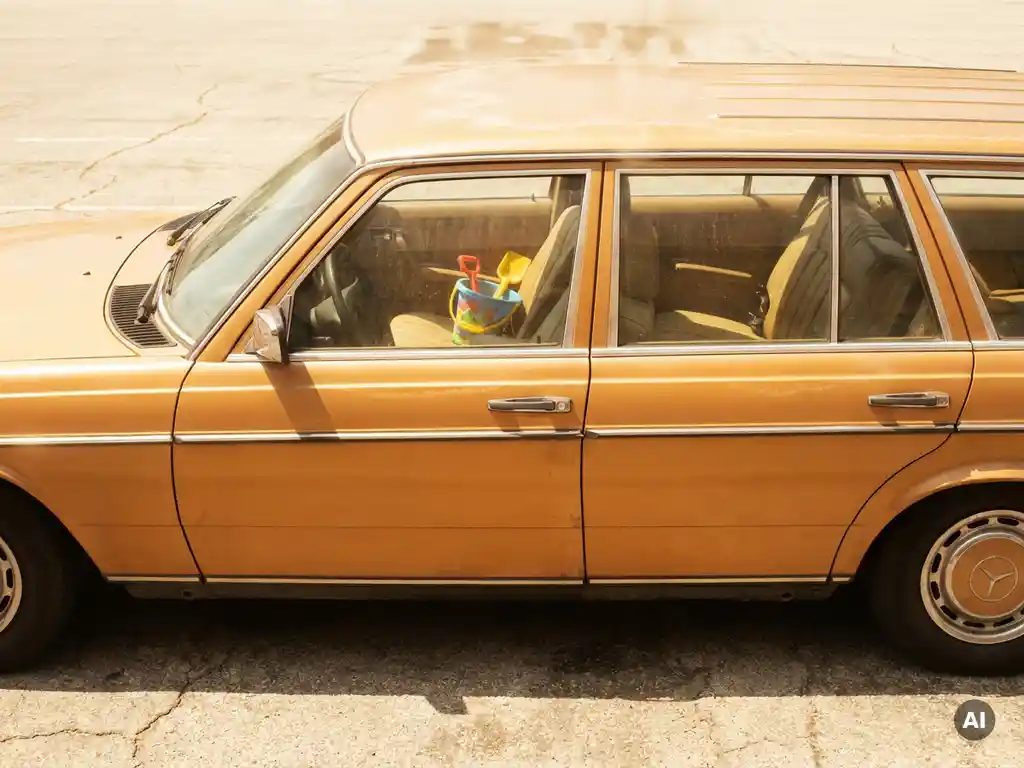
A parked car can heat up to between 47°C and 60°C (117°F to 140°F) on a hot summer day, even when the outside temperature is only around 30°C (86°F). The interior temperature rises because sunlight passes through the glass and heats the surfaces inside, which then radiate that heat back into the enclosed space. The sections below answer the most common questions about how quickly this happens, what affects it, and what you can do about it.
How hot can a parked car actually get?
On a hot summer day, the interior of a parked car can reach temperatures between 47°C and 60°C (117°F to 140°F), even when outside temperatures are relatively moderate. Dark-coloured cars with dark interiors tend to reach the higher end of that range. The dashboard and steering wheel can get even hotter, sometimes exceeding 70°C (158°F) when exposed to direct sunlight.
This happens because glass allows shortwave solar radiation to pass through freely, but the heat that builds up inside the car cannot escape as easily. The interior surfaces absorb that energy and re-radiate it as longer-wave heat, which gets trapped. This is the same greenhouse effect that warms a conservatory or a polytunnel, and it is remarkably efficient at building heat quickly in a small enclosed space.
How quickly does a car heat up after parking?
A car’s interior temperature can rise by around 10°C to 15°C (18°F to 27°F) within the first ten minutes of being parked in direct sunlight. After thirty minutes, the interior can be 20°C to 30°C (36°F to 54°F) hotter than the outside air. Most of the temperature increase happens in the first half hour, after which the rate of rise slows as the car approaches its peak temperature.
The speed of this heat build-up often surprises people. Many assume that because it was comfortable when they parked, it will remain so for a short errand. In practice, even a brief stop in full sun on a warm day is enough to make the interior genuinely uncomfortable and potentially hazardous to anyone left inside.
What factors affect how fast a car heats up in the sun?
Several factors influence how quickly and how intensely a parked car heats up in summer. The most important are the intensity of direct sunlight, the colour of the car’s exterior and interior, the size of the windows relative to the cabin, and whether the car is parked in full sun or partial shade.
- Exterior and interior colour: Dark colours absorb more solar energy than light ones. A black car with a dark leather interior will heat up faster and reach a higher peak temperature than a white car with a light fabric interior.
- Window area: Cars with large windows or panoramic roofs allow more solar radiation to enter, which accelerates interior heating.
- Shade and cloud cover: Even partial shade from a tree or building can significantly reduce the rate of heat build-up. Cloud cover reduces solar intensity, but does not eliminate it entirely.
- Ambient temperature: The hotter the outside air, the less the car can radiate heat outward, which means peak interior temperatures will be higher.
- Ventilation: A fully sealed car heats up faster than one with some airflow, though the difference is smaller than most people expect.
Does cracking a window actually keep a car cooler?
Cracking a window slightly does reduce the peak interior temperature of a parked car, but the effect is more modest than most people assume. Research and real-world testing consistently show that a small gap of a few centimetres lowers the maximum interior temperature by roughly 3°C to 5°C (5°F to 9°F). That is a meaningful reduction, but it does not prevent the car from becoming dangerously hot.
The reason the effect is limited is that the primary source of heat is solar radiation absorbed by the interior surfaces, not just hot air that has been trapped. Ventilation helps remove some of that heat, but it cannot counteract the ongoing input of solar energy through the glass. A window cracked open also does not create meaningful airflow unless there is a breeze and the gap is large enough to allow convection to work effectively.
Reflective sunshades placed in the windscreen are considerably more effective at reducing interior temperatures because they block solar radiation before it reaches the dashboard and other heat-absorbing surfaces.
What temperature is dangerous inside a parked car?
Temperatures above 40°C (104°F) inside a parked car are considered dangerous for children, pets, and vulnerable adults. At these temperatures, heatstroke can develop within minutes. For young children, whose bodies heat up three to five times faster than adults, a car interior that feels merely uncomfortable to a grown adult can become life-threatening very quickly.
The danger is not limited to extremely hot days. On a day with an outside temperature of 22°C to 25°C (72°F to 77°F), a parked car in full sun can still reach interior temperatures above 45°C (113°F) within thirty to forty minutes. Overcast skies reduce the risk but do not eliminate it, since diffuse solar radiation still passes through clouds and glass.
It is worth understanding that the car interior temperature in sunny conditions is almost always significantly higher than the ambient air temperature. The gap between the two is what catches people off guard.
How can you cool down a hot car quickly?
The fastest way to cool a hot car is to open all the doors for one to two minutes before getting in, rather than sitting inside with only the air conditioning running. This allows the trapped hot air to escape and replaces it with cooler ambient air. Once you get in, set the air conditioning to its maximum setting and direct the vents low, since hot air rises and the coolest air will be near the floor first.
- Open all doors: Opening just one door creates limited airflow. Opening all doors simultaneously allows hot air to escape much more quickly.
- Use the air conditioning correctly: Run it on the fresh air setting initially rather than recirculation, which simply recycles the hot interior air.
- Direct vents downward: Hot air sits at the top of the cabin. Pointing vents toward the floor helps push cooler air upward through the space more effectively.
- Use a windscreen sunshade: Before parking, placing a reflective sunshade in the front windscreen significantly reduces how hot the car gets in the first place, which means less cooling is needed when you return.
- Park in shade where possible: Even partial shade from a building or tree reduces peak interior temperatures noticeably over the course of an hour or more.
If you carry items in your car that are sensitive to heat, such as medication, sunscreen, or electronics, the same principles apply. Reducing how hot the car gets in the first place is always more effective than trying to cool it down after the fact.
What to do if you see a child or pet locked in a hot car
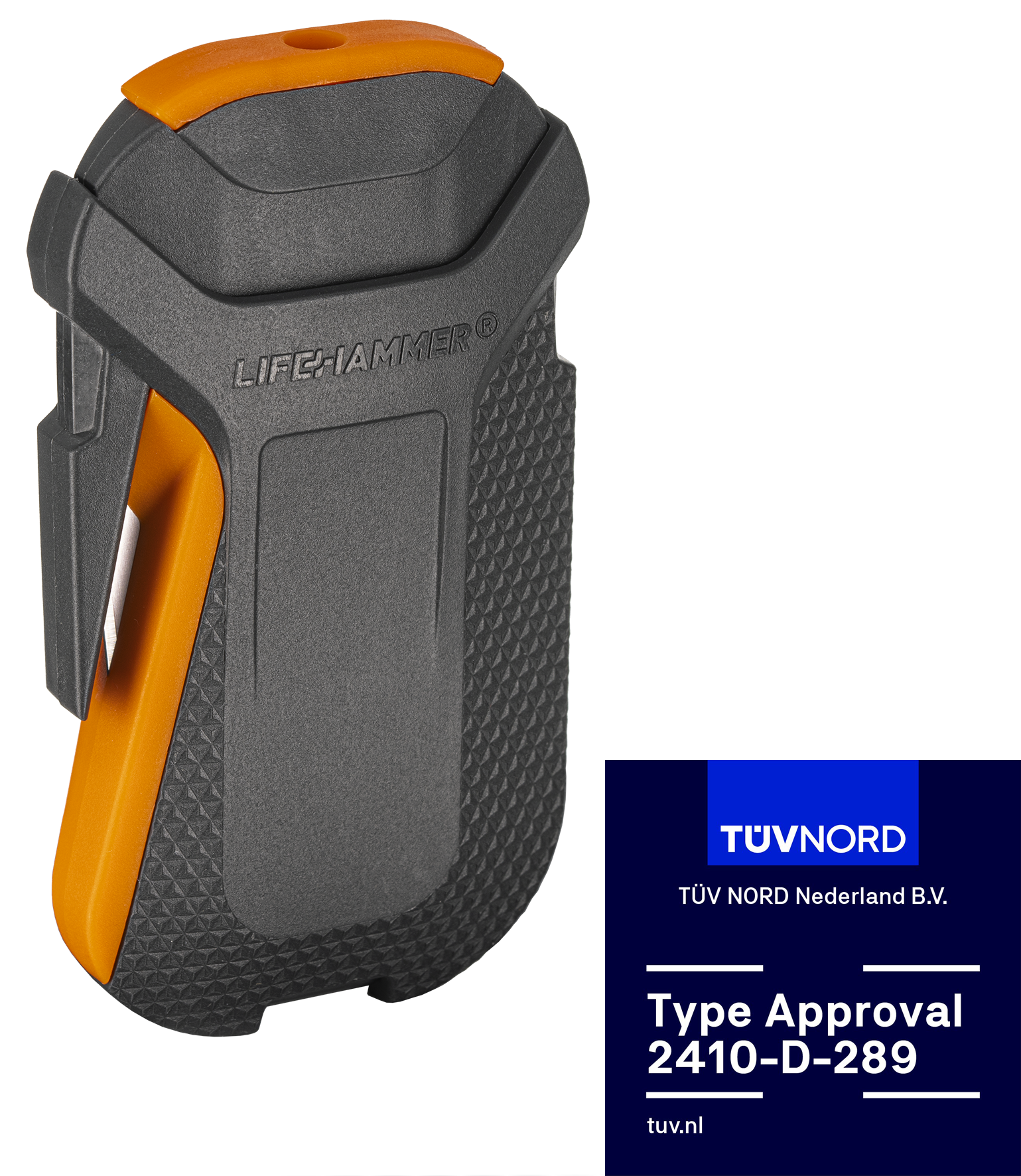
If you come across a child or dog locked inside a hot car, act immediately — every minute counts. First, try to locate the owner by asking nearby shops or businesses to make an announcement. At the same time, call the emergency services so that professional help is on its way. If the child or animal is showing signs of distress and you cannot wait, breaking the window may be the only option. A vehicle escape tool such as a Safety Hammer is designed to shatter a tempered side window with a single strike, allowing you to reach the person or animal inside quickly. Strike the corner of the window rather than the centre, as this is where tempered glass is weakest. Once the window is broken, move the child or pet to a cool, shaded area, offer small sips of cool water if they are conscious, and stay with them until emergency services arrive. Always inform the authorities of what you did and why, so that your actions are properly documented.
How Lifehammer® supports you in a hot car situation
At Lifehammer® we have been developing vehicle safety tools since 1983, and summer driving conditions are exactly the kind of situation our products are designed to address. Whether you are preparing for a long journey or simply want to make sure your car is properly equipped before the warmer months, we focus on tools that are reliable, compact, and genuinely useful when it counts.
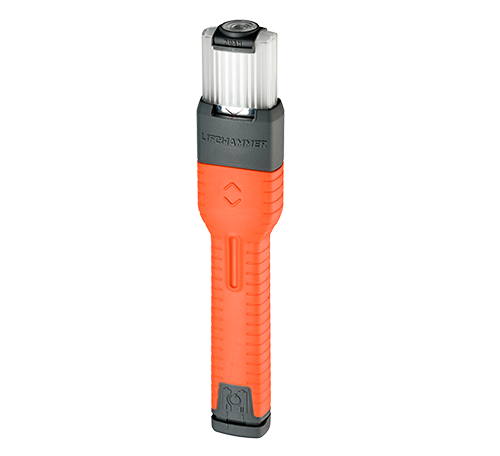
- Our Safety Hammer SMART and Safety Hammer Evolution are designed to help you exit a vehicle quickly in an emergency, cutting through a seatbelt and breaking a tempered side window if a door cannot be opened. Both use a ceramic striking mechanism and are TÜV certified. They can also be used to rescue someone else — including a child or pet locked in an overheating car — by breaking the window from the outside.
- All Lifehammer® safety hammers are trusted by first responders and fleet operators across Europe, and are designed to perform reliably even after extended periods of heat exposure inside a vehicle.
- Our Safety Vest Ultra stores flat under a floor mat and is immediately ready to use, making it a practical addition to any summer car kit.
If you have questions about which products suit your vehicle or your travel plans, our Q&A section covers the most common topics in straightforward detail. You can also find Lifehammer® products on Amazon for convenient ordering.