 English
 Nederlands
 Deutsch




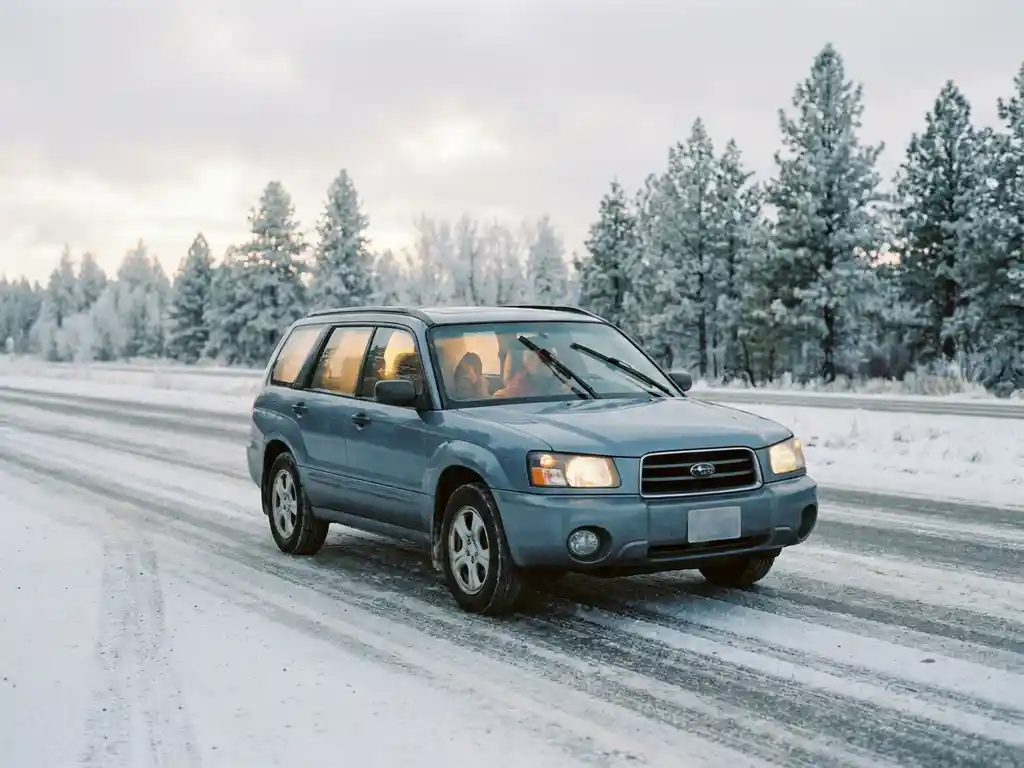
To prepare for a road trip in winter conditions, check your car’s tyres, battery, lights, and fluid levels before you leave, pack a set of emergency supplies for the journey, and adjust your driving style to suit the road surface. Winter driving demands more from both your vehicle and your attention, and a small amount of preparation before departure makes a significant difference to how safely and confidently you travel.
The sections below walk through the most important questions drivers ask when planning a road trip in winter, from pre-departure vehicle checks to what to do when the weather turns severe on the road.
What should you check on your car before a winter road trip?
Before a winter road trip, check your tyres, battery, lights, brakes, windscreen wipers, and fluid levels. These are the systems most affected by cold temperatures and wet or icy conditions, and a failure in any one of them can turn a manageable situation into a serious problem on a quiet winter road.
Tyres and traction
Tyres are your most important contact point with the road. Check the tread depth across all four tyres and make sure they are inflated to the correct pressure — cold air causes tyre pressure to drop, so check after the car has been sitting overnight rather than after a warm drive. If you are travelling through regions where snow and ice are likely, consider whether winter tyres or snow chains are appropriate. Many European countries require them by law in certain conditions.
Battery, lights, and fluids
Cold weather significantly reduces battery performance. If your battery is more than three or four years old, have it tested before a long winter drive. Check that all lights are working, including fog lights, and clean the lenses if they have accumulated road grime. Top up your windscreen washer fluid with a winter-formula solution that will not freeze in the reservoir or on the glass. Check your antifreeze level and confirm that your brakes feel responsive before you set off.
What should you keep in your car for a winter emergency?
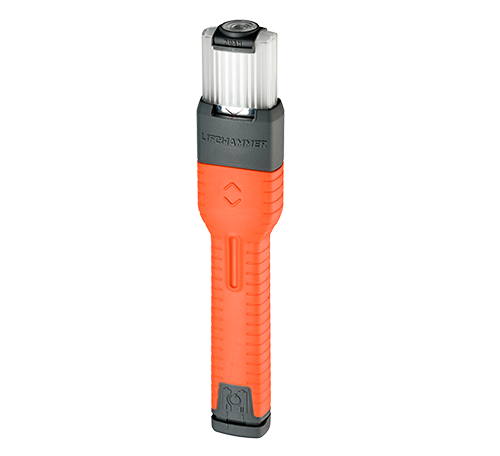
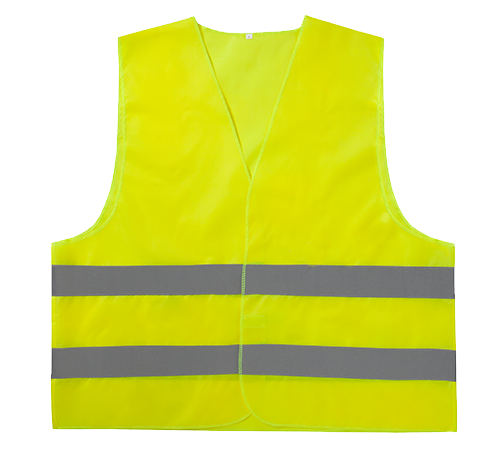
For a winter road trip, keep a blanket, warm clothing, a torch, a phone charger, water, and basic food in your car in case you become stranded. You should also carry an ice scraper, a small shovel, jump leads, a warning triangle, and a high-visibility vest. These items take up little space and cover the most common scenarios that leave drivers stuck in cold conditions.
A few additions are worth thinking through before a longer journey. A tow rope and a bag of sand or cat litter can help if you get stuck on ice or soft ground. A fully charged power bank means you can call for help even if your car battery fails. If you are travelling with children or elderly passengers, pack extra layers and consider a small supply of any medication they might need if the journey is delayed significantly.
The goal of a winter emergency kit is not to prepare for disaster — it is to stay comfortable and in control if something minor goes wrong. A flat battery, a blocked road, or a two-hour delay in cold weather is manageable with the right items on board. Without them, it becomes genuinely unpleasant very quickly.
How do you drive safely on snow and ice?
To drive safely on snow and ice, reduce your speed, increase your following distance, brake and accelerate gently, and look further ahead than you normally would. The single most important adjustment is giving yourself more time and space — stopping distances on ice can be ten times longer than on dry tarmac, so the gap you leave in normal conditions is not sufficient in winter.
Smooth inputs make a significant difference. Sudden braking, sharp steering, or aggressive acceleration all reduce the grip your tyres have on the road surface. Instead, build speed gradually, slow down well before junctions and bends, and steer with small, deliberate movements. If your car begins to skid, ease off the accelerator and steer gently in the direction you want to travel rather than fighting the wheel.
On motorways and dual carriageways, keep to the lane that has been gritted or cleared where possible. Avoid overtaking unless you are confident about the road surface ahead. If visibility drops significantly in snow or freezing fog, use dipped headlights and fog lights, and reduce your speed to a level where you can stop safely within the distance you can see.
Should you drive in severe winter weather or wait it out?
If severe winter weather is forecast or already affecting your route, waiting it out is often the safer choice. Driving in blizzard conditions, freezing fog, or on untreated roads significantly increases the risk of accidents, and the consequences of getting stranded in genuinely extreme cold are more serious than the inconvenience of delaying your journey by a few hours.
Before you decide, check the road conditions on your planned route using your national road authority’s website or app. Many countries issue specific warnings for motorways and major roads when conditions are dangerous. If an amber or red weather warning is in place for your route, treat that as a strong signal to delay. Your destination will still be there when conditions improve.
If you have no choice but to travel in difficult conditions, tell someone your planned route and expected arrival time. Stick to major roads where gritting and clearing is more likely, and avoid shortcuts through rural areas where you are less likely to encounter other drivers or emergency services if something goes wrong.
What causes most accidents during winter road trips?
Most accidents during winter road trips are caused by driving too fast for the conditions, following too closely, and underestimating how much longer it takes to stop on wet, icy, or snow-covered roads. Driver behaviour accounts for the majority of winter collisions, not simply the weather itself. The road surface changes what is safe — but the driver’s response to those changes determines the outcome.
Overconfidence is a contributing factor that is easy to overlook. Drivers who have driven in winter before, or who have four-wheel drive, sometimes assume they are more protected than they are. Four-wheel drive improves traction when accelerating but does not reduce stopping distances on ice. Familiarity with a route can also lead to complacency about speed, particularly on roads that look clear but carry a thin layer of black ice.
Fatigue plays a larger role in winter than in other seasons. Shorter daylight hours, reduced visibility, and the concentration required to drive carefully on difficult roads all increase mental tiredness more quickly than a routine summer drive. Plan more frequent breaks on winter road trips than you normally would, and avoid driving in the early hours when fatigue and the risk of black ice are both at their highest.
How Lifehammer® supports you with winter road trip preparation
At Lifehammer® we have been developing vehicle safety tools since 1983, and winter road trip preparation is exactly the kind of situation our products are designed for. Whether you are doing a final check before a long drive or building out a complete car kit for the colder months, we focus on tools that are reliable, compact, and genuinely useful when it counts.
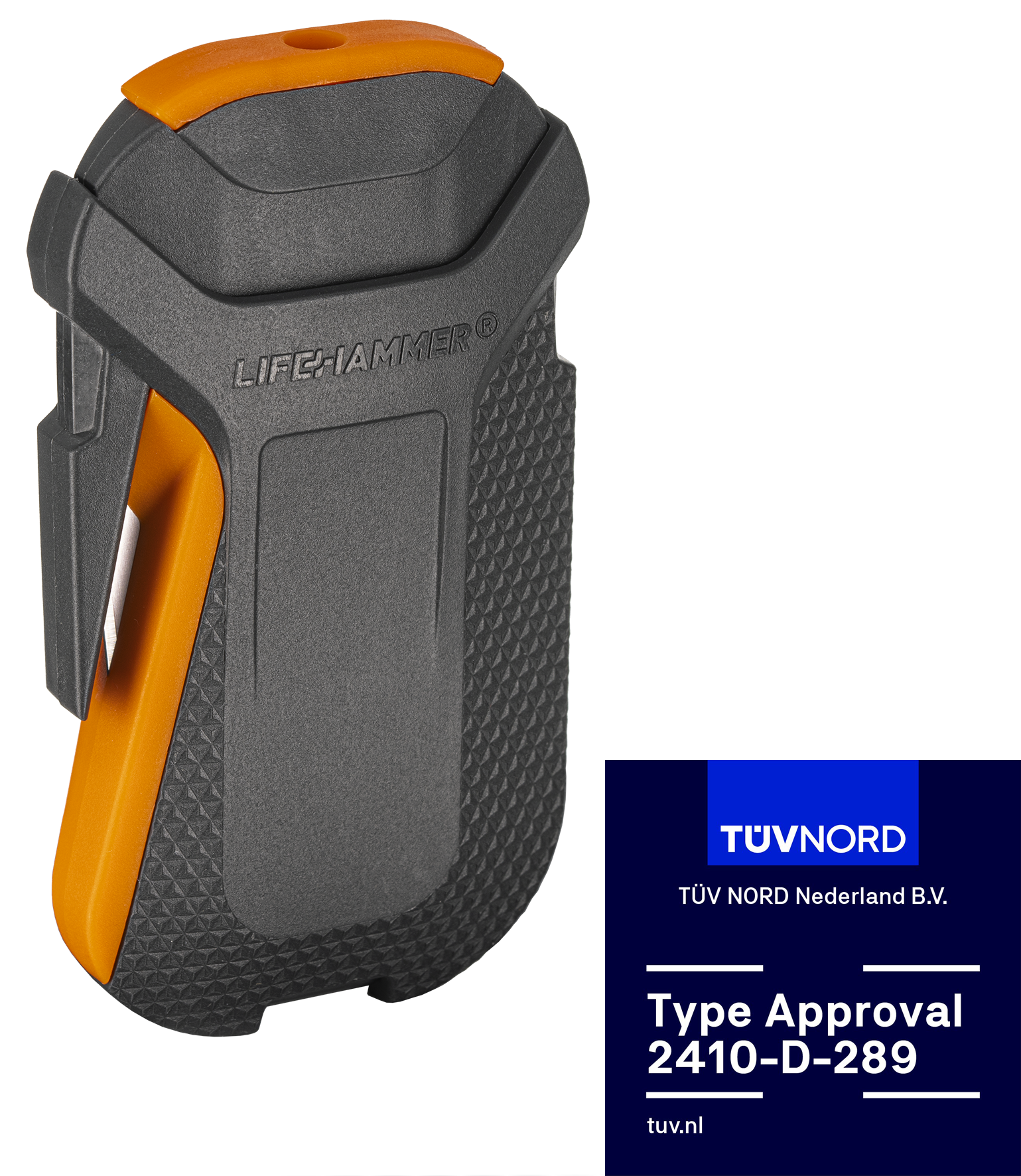
- Our safety hammer range includes four models. The Classic and Plus use a hardened carbon steel hammerhead; the Safety Hammer Evolution and Smart use an automatic ceramic hammerhead. All four cut seatbelts and break tempered side windows, giving you a reliable way out if a door becomes jammed or a window needs to be cleared in an emergency.
- All Lifehammer® safety hammers are TÜV certified and trusted by first responders and fleet operators across Europe, so you know the tool will perform when you actually need it.
- Our Safety Vest Ultra comes in an ultra-flat vacuum pack that stores discreetly under any floor mat and decompresses immediately on opening. It is one-size-fits-all and suitable for drivers and passengers alike, making it a practical addition to any winter car kit.
If you have questions about which products are right for your car or your journey, our Q&A section covers the most common topics in straightforward detail.