 English
 Nederlands
 Deutsch



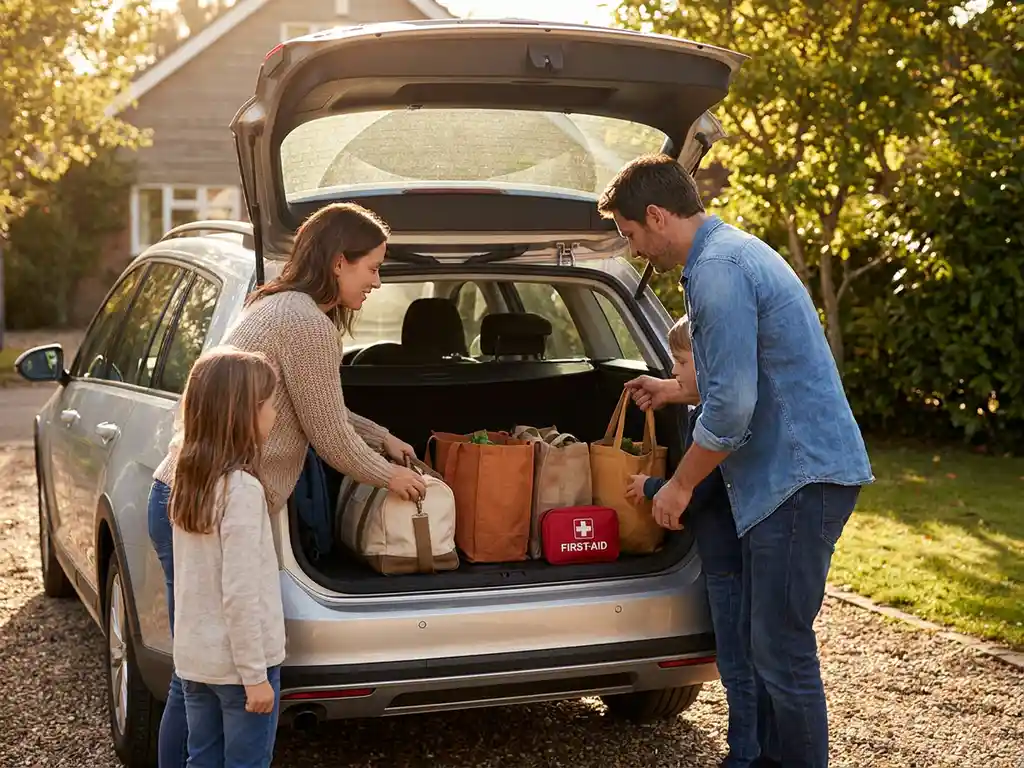
Whether you are setting up your first car or doing a quick audit before a long drive, knowing what to keep on board is one of the most practical things you can do as a driver. The right items do not take up much space, but they can make a real difference when something unexpected happens on the road. This guide walks through everything worth having in your car in 2026, from daily essentials to the extras that matter most on longer journeys or when you are travelling with children.
What should you always keep in your car?
A well-prepared car should always contain your vehicle documents, a phone charger, a basic toolkit, drinking water, and a blanket. These items cover practical everyday needs as well as unexpected situations like breakdowns, delays, or bad weather.
Keep your vehicle documents in the car at all times: insurance certificate, registration, and any relevant breakdown cover details. A small document wallet in the glove compartment keeps everything organised and easy to find.
A phone charger, ideally a portable power bank as well as a car charger cable, ensures you can always make a call or access navigation. This matters most on long or unfamiliar routes where a flat battery would leave you without directions or emergency contact.
A basic toolkit does not need to be comprehensive. A tyre pressure gauge, a set of jump leads, a multi-tool, and a few cable ties handle the most common minor problems. If your car does not include a spare tyre, a tyre inflation kit is worth adding.
A bottle of water and a small blanket are low-cost items that earn their place quickly in hot summers, cold winters, or any situation where you end up waiting longer than expected. These are especially relevant if you regularly drive on quieter or more remote roads.
What safety items are essential in every car?
Every car should carry a first aid kit, a warning triangle or reflective markers, a torch, a high-visibility vest, and a window escape tool. These five items cover the most common roadside scenarios and form the baseline of responsible car preparation. Many European countries legally require some of these items, but even where they are not mandatory, having them is simply good practice.
A first aid kit does not need to be elaborate. A compact kit with plasters, bandages, antiseptic wipes, and disposable gloves covers most minor injuries and helps you assist others while waiting for emergency services. Make sure it has not expired, and replace any used items after each trip.
A warning triangle or a set of LED road flares helps alert other drivers if your car breaks down. Place it well behind your vehicle on the road, giving approaching traffic enough time to react. In poor visibility conditions, reflective markers are particularly useful.
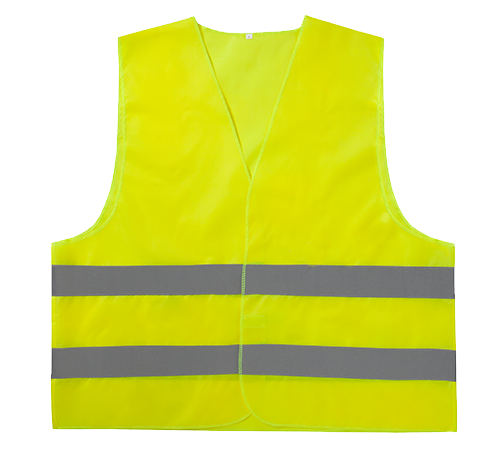
A high-visibility vest keeps you visible if you need to exit the car on a busy road or motorway. Storing it within easy reach of the driver, rather than in the boot, means you can put it on before stepping out of the vehicle.
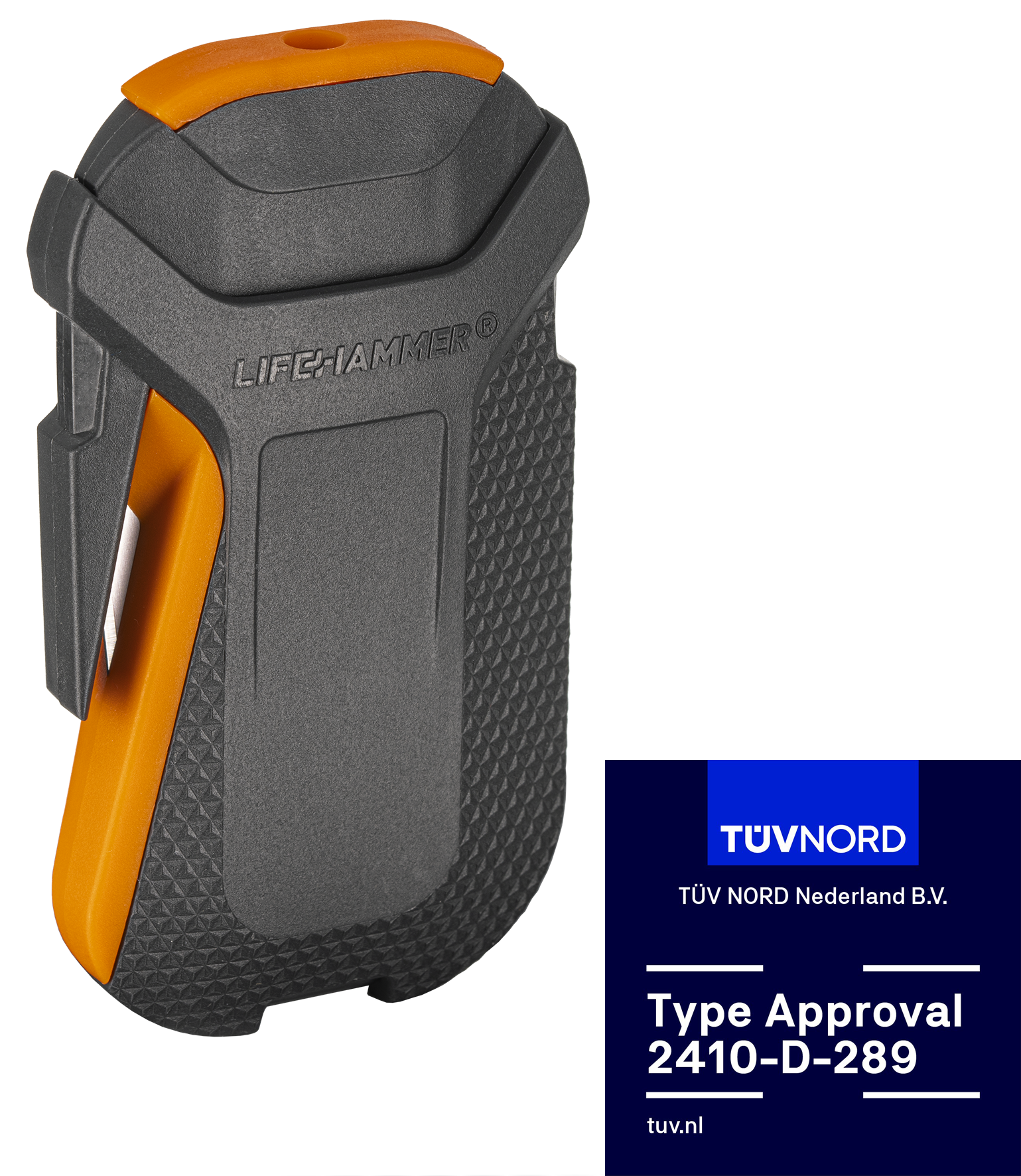
A window escape tool is a compact device that combines a hardened hammerhead for breaking tempered side windows with a blade for cutting a jammed seatbelt. It is worth keeping this mounted near the driver’s seat so it is accessible in the seconds that matter.
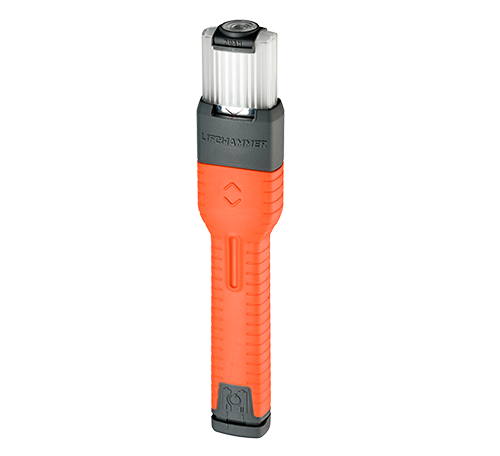
Finally, a torch is useful for everything from checking a tyre in the dark to signalling for help. A model with a long battery life or a built-in charging option is a reliable choice.
What should you keep in your car for a long drive?
For a long drive, you should add a fully charged power bank, a paper map or downloaded offline maps, snacks, a reusable water bottle, sun protection, and any medication you might need. Road trip prep goes beyond the basics and focuses on comfort, navigation reliability, and staying alert over many hours of driving.
Navigation apps are convenient, but mobile signal can drop in rural or mountainous areas. A downloaded offline map or a physical road atlas gives you a reliable backup without depending on connectivity. This is a small step that removes a lot of potential stress.
For road trip safety, driver fatigue is one of the most significant risks on long journeys. Plan your rest stops in advance, ideally every two hours, and do not rely solely on coffee to stay alert. Keeping light snacks in the car helps maintain energy levels without needing to stop frequently.
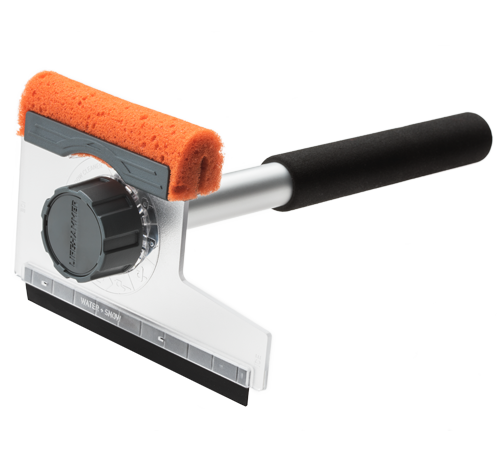
If you are travelling in summer, sun protection and a windscreen sunshade reduce heat buildup inside the car during stops and protect passengers on long, sunny stretches. In winter, add an ice scraper, a small snow shovel, and extra warm layers to your kit.
It is also worth doing a quick pre-departure check: tyre pressure, fluid levels, lights, and fuel. These take less than ten minutes and significantly reduce the chance of an avoidable problem on the road.
Where in your car should you store safety equipment?
Safety equipment should be stored where it can be reached quickly and without searching. The driver’s door, centre console, glove compartment, and boot each serve different purposes, and distributing items across these locations makes your car genuinely functional in an emergency.
- Driver’s door or centre console: Window escape tools and a torch belong here. In a post-accident situation, you need these items within arm’s reach of the driver’s seat, not in the boot.
- Glove compartment: Vehicle documents, a small first aid kit, and a phone charger cable fit neatly here and are easy to access for both everyday use and emergencies.
- Under the front seat or behind the driver’s seat: A high-visibility vest stored here can be pulled on before you open the door, which is the correct order of action when stopping on a busy road.
- Boot: Larger items like a warning triangle, jump leads, a blanket, a toolkit, and a spare tyre or inflation kit belong in the boot. Keep them organised so they are not buried under bags.
The principle is straightforward: items you might need while still in the car go near the driver, and items you need once you are safely outside go in the boot. Reviewing this layout occasionally, especially after a holiday or a big trip, keeps everything in its right place.
What should families with children keep in the car?
Families with children should keep everything in the standard safety kit plus a child-specific first aid kit, spare clothing, snacks and drinks, and entertainment for longer journeys. Travelling with children adds both comfort considerations and a heightened responsibility for being well prepared.
A child-appropriate first aid kit includes smaller plasters, child-safe antiseptic, and any medication your child takes regularly. If a child has a known allergy or medical condition, carry relevant documentation and any prescribed medication in a clearly labelled bag.
A spare set of clothing for each child takes up little space but solves a very common problem. Spills, travel sickness, and unexpected stops all become much easier to manage when you have a change of clothes on hand.
For longer drives, entertainment and comfort items reduce fatigue for both children and adults. Familiar toys, audiobooks, downloaded films, and headphones make the journey more manageable and keep the driver less distracted.
Parents often think about their children’s safety first, which is a natural instinct. That same instinct is a good reason to make sure the car’s safety equipment is up to date, properly stored, and genuinely accessible. Being the parent who has thought of everything before the journey starts is a quiet form of confidence that makes every trip better.
How Lifehammer® supports your road trip preparation
Lifehammer® has been developing vehicle safety tools since 1983, and road trip preparation is exactly the kind of situation our products are designed for. Whether you are doing a quick pre-departure check or building out a complete car kit from scratch, we focus on tools that are reliable, compact, and genuinely useful when it counts.
- Our safety hammer range includes four models. The Classic and Plus use a manual hardened carbon steel hammerhead; the Evolution and Smart use an automatic ceramic hammerhead. All four cut seatbelts and break tempered side windows.
- All Lifehammer® safety hammers are TÜV certified and trusted by first responders and fleet operators across Europe.
- Our Safety Vest Ultra comes in an ultra-flat vacuum pack that stores discreetly under any floor mat and decompresses immediately on opening. It is one-size-fits-all and suitable for drivers and passengers alike.
If you have questions about which products are right for your car or your journey, our Q&A section covers the most common topics in straightforward detail.