 English
 Nederlands
 Deutsch






Most drivers think of car emergencies as something that happens to other people. Not because they’re careless, but because the human mind is remarkably good at filtering out risks that feel remote or abstract. The result is a quiet gap between what drivers know they should do and what they actually prepare for. This article walks through that gap: what causes it, what it costs, and what genuinely useful preparation looks like in practice.
Understanding why car emergency preparedness gets overlooked is the first step toward closing that gap. Once you see the pattern clearly, the practical steps become much easier to take.
What Counts as a Car Emergency and Why It’s Hard to Imagine
A car emergency is any situation in which your vehicle, the road, or the conditions around you create an immediate risk to your safety or the safety of others. That definition is broader than most people assume.
When drivers hear “car emergency,” they tend to picture a dramatic collision. But the reality covers a much wider range: a flat tyre on a dark motorway, a dead battery in a car park, a vehicle that won’t unlock after a minor impact, or a seatbelt that jams after a sudden stop. These are not rare events. They are the kind of things that happen to ordinary drivers on ordinary days.
The difficulty with imagining any of these scenarios is that they require you to picture yourself as the person it’s happening to. That mental shift is genuinely uncomfortable, and the brain tends to avoid it. For example, you can read about a driver being unable to exit a vehicle after a crash and feel sympathy, but still not connect that to your own car, your own seatbelt, your own door. This is not a failure of intelligence. It is simply how human imagination works when faced with low-probability, high-consequence events.
Why the Human Brain Underestimates Vehicle Risk
Cognitive psychology has a well-documented name for this tendency: optimism bias. It describes the consistent human habit of believing that negative events are less likely to happen to us than to others, even when we know the base rates tell a different story.
Driving reinforces this bias in a specific way. The more familiar an activity becomes, the safer it feels. Most drivers complete thousands of journeys without incident. That track record becomes internal evidence that everything will continue to be fine. The brain treats familiarity as a proxy for safety, even when the two are not the same thing.
There is also a second factor at work: the way risk feels when it is spread across time. A vehicle emergency is not something you experience every day, every month, or even every year. When a risk is that infrequent, it becomes very difficult to hold in mind as something worth preparing for. Compare this to something like carrying an umbrella. Rain is frequent enough that most people have learned to anticipate it. Vehicle emergencies are not, so preparation rarely becomes a habit.
- Optimism bias: The belief that bad outcomes are more likely for others than for yourself
- Familiarity effect: Repeated safe journeys create a false sense of reduced risk
- Low-frequency blind spot: Infrequent risks feel too distant to plan for meaningfully
What Preparation Actually Looks Like in Practice
Building on the understanding of why the brain resists this kind of planning, it helps to reframe what preparation actually involves. Effective vehicle emergency preparedness is not about anticipating disaster. It is about reducing the time and difficulty involved in responding to a disruption, whatever form it takes.
Practical preparation falls into two broad categories: what you carry in the vehicle and what you know how to do.
What to carry
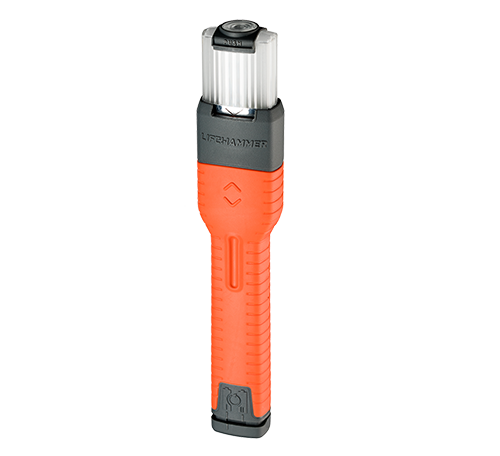
A useful vehicle emergency kit does not need to be elaborate. The most important items are those that address the most common situations: a warning triangle or safety vest for roadside visibility, a working torch, a basic first aid kit, a phone charger, and a car escape tool for situations where you need to exit the vehicle quickly through a window or with a jammed seatbelt. The goal is not to prepare for every conceivable scenario; it is to cover the situations that are both likely and time-sensitive.
What to know
Carrying the right items only helps if you know where they are and how to use them. For example, a car escape tool stored in the boot is significantly less useful than one mounted within reach of the driver’s seat. Similarly, knowing in advance which windows in your vehicle are tempered glass, the type that can be broken in an emergency, versus laminated glass, which cannot, is practical knowledge that takes less than five minutes to find out and could matter considerably in the right circumstances.
Common Gaps in How Drivers Think About Car Safety
Even drivers who consider themselves well-prepared tend to have blind spots. These gaps are worth naming directly, because they are not obvious until you look for them.
- The boot problem: Many drivers keep emergency items in the boot. In a serious collision or vehicle fire, the boot may be inaccessible. Emergency tools belong within reach of the driver or front passenger.
- Outdated kits: A first aid kit bought five years ago may have expired items. A torch with old batteries may not work. Emergency preparedness is not a one-time task; it benefits from an annual check.
- Assuming modern vehicles are self-sufficient: As cars become more electronically dependent, some drivers assume built-in systems make manual preparation unnecessary. In practice, electronic systems can fail, jam, or require power that is no longer available after an accident.
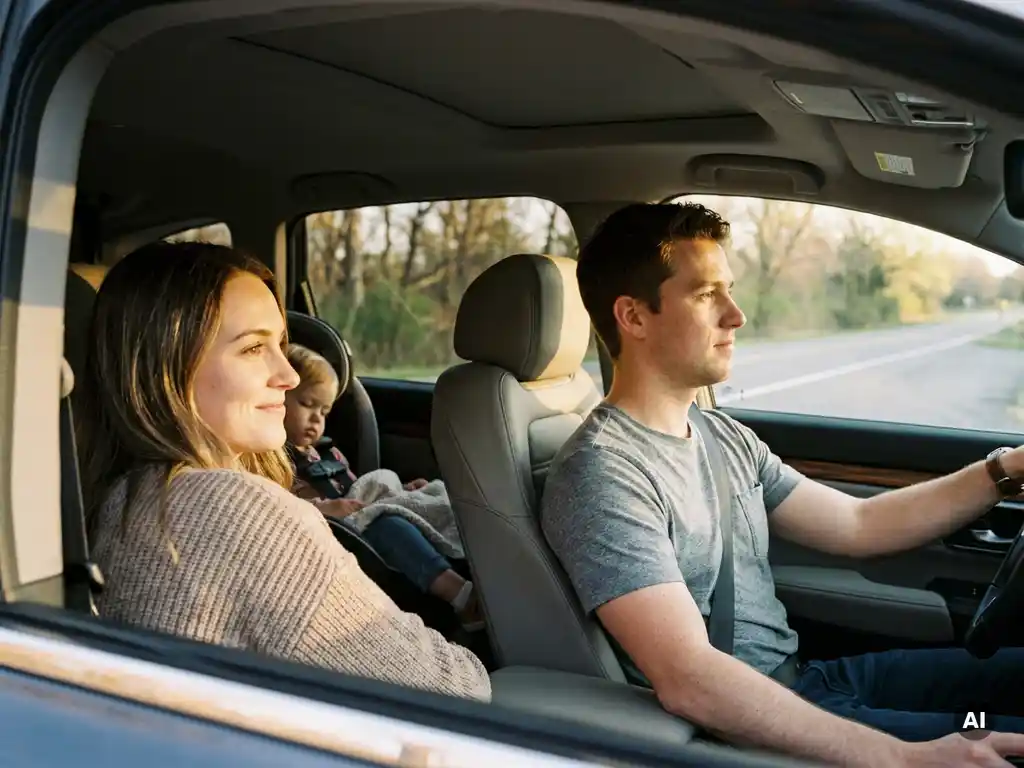
- Not accounting for passengers: Drivers who travel regularly with children, elderly relatives, or others who may need assistance in an emergency often focus only on their own readiness. Preparation that accounts for the people you drive with is more complete preparation.
How to Make Emergency Readiness a Natural Part of Car Ownership
The most effective approach to vehicle emergency preparedness is to attach it to habits you already have. Rather than treating it as a separate, occasional task, connect it to the routines that already structure your relationship with your car.
For example, many drivers already do a seasonal check of their tyres, oil, and wiper fluid. Adding an emergency kit review to that same checklist costs very little time and ensures nothing is forgotten. Similarly, when you buy a new car or borrow one, taking five minutes to locate the manual and identify the window types is a small action with lasting value.
The framing that tends to work best is not safety for its own sake, but being the person who has thought ahead. Drivers who prepare well are not anxious; they are organised. They carry what they need, they know where it is, and they do not have to improvise under pressure. That is a straightforward and satisfying position to be in, and it takes far less effort than most people assume.
- Link emergency kit checks to existing seasonal car maintenance routines
- Keep car escape tools and visibility items within reach of the driver, not in the boot
- Review your kit once a year: replace expired or battery-dependent items
- When driving with passengers who may need assistance, factor their needs into your preparation
- Spend five minutes learning which windows in your vehicle are tempered glass
How Lifehammer® Supports You with Car Emergency Preparedness
At Lifehammer®, we have been developing vehicle safety tools since 1983, and car emergency preparedness is exactly what our products are designed for. Whether you are doing a quick review of what you carry or building out a complete vehicle kit from scratch, we focus on tools that are reliable, compact, and genuinely useful when it counts.
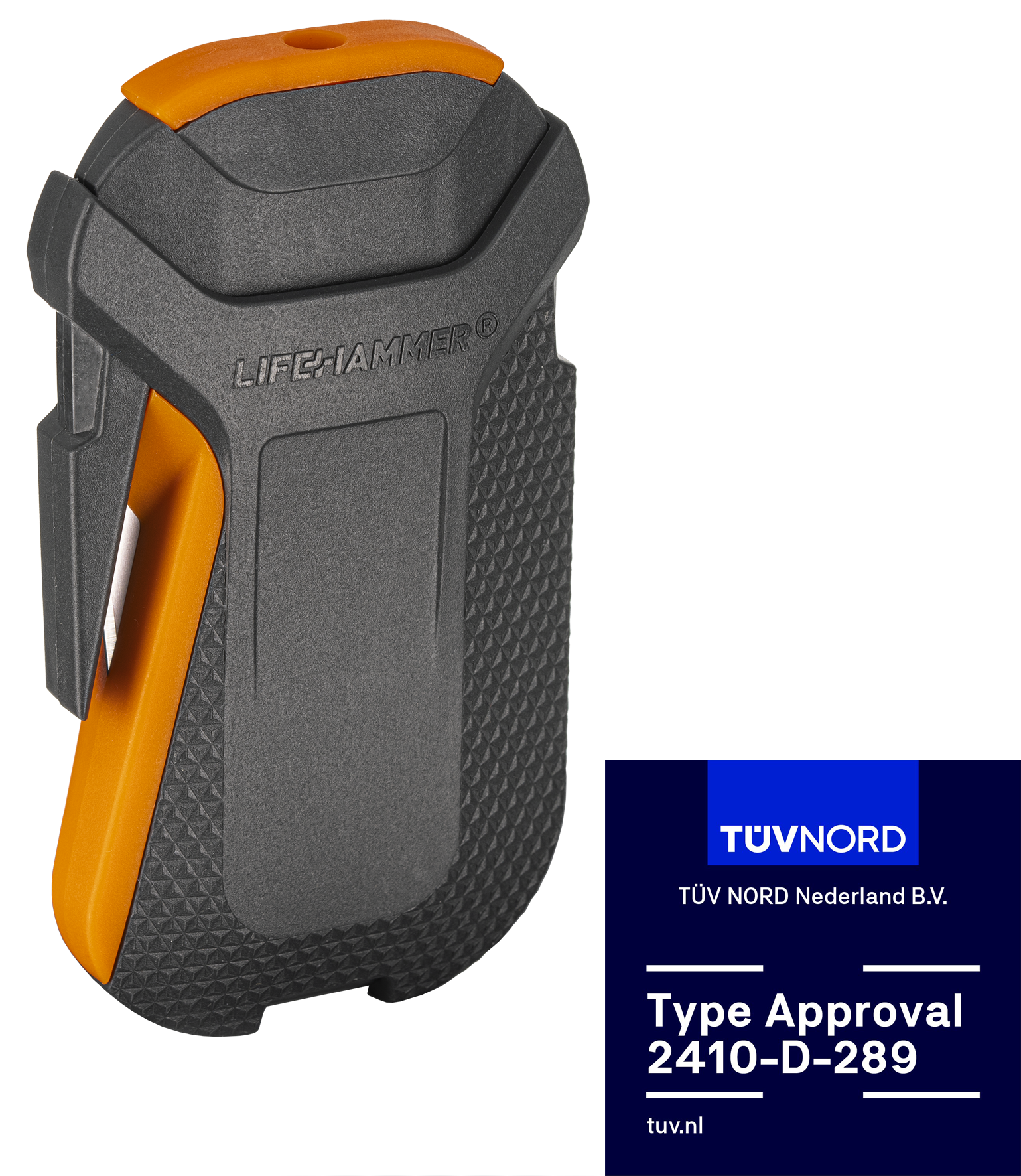
- Our safety hammer range includes four models suited to different preferences and vehicles. The Classic and Plus use a hardened carbon steel hammerhead; the Safety Hammer Evolution and Safety Hammer SMART use an automatic ceramic striking mechanism. All four cut seatbelts and break tempered side windows, the type of glass found on most side and rear windows in passenger vehicles.
- All Lifehammer® safety hammers are TÜV certified and trusted by first responders and fleet operators across Europe, not because of marketing, but because reliability under pressure is what they are built for.
- Our Safety Vest Ultra comes in an ultra-flat vacuum pack that stores discreetly under any floor mat and decompresses immediately on opening. It is one-size-fits-all and suitable for drivers and passengers alike, addressing one of the most common preparation gaps: roadside visibility.
- Every product we make is designed to be stored within reach, not buried in the boot, because location matters as much as what you carry.
If you have questions about which products are right for your car or your regular journeys, our Q&A section covers the most common topics in clear, practical detail. And if you prefer to order directly, our full range is also available on Amazon.