 English
 Nederlands
 Deutsch




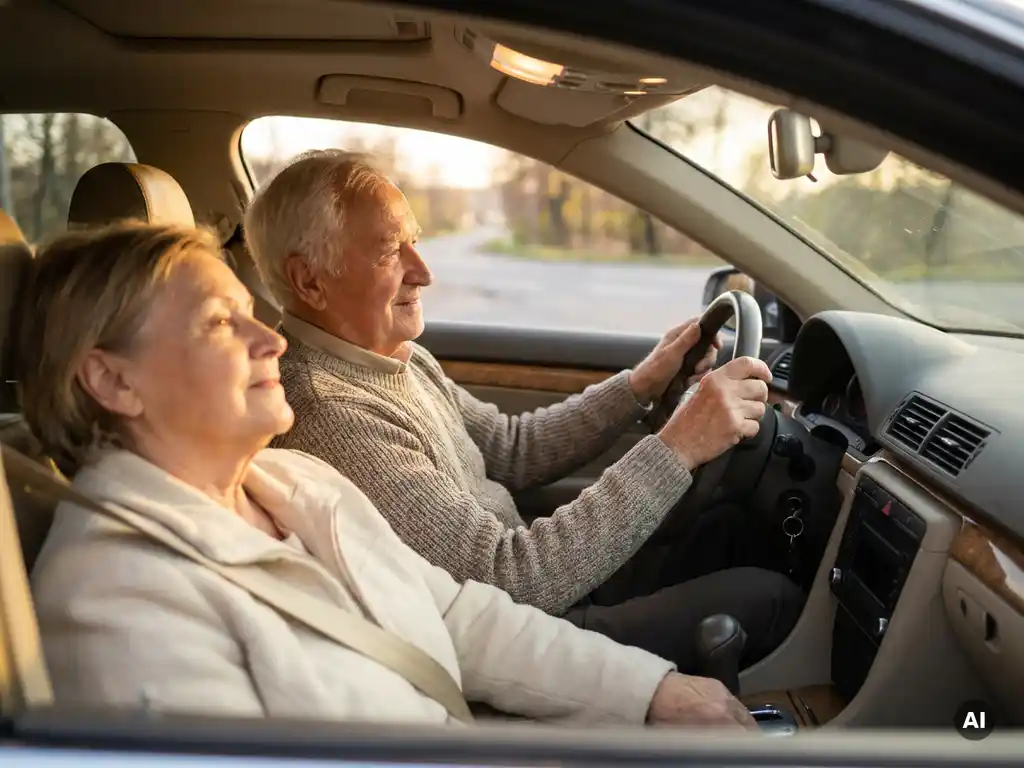
You can make a car easier to use for an elderly driver by combining the right vehicle features with practical aftermarket aids and small adjustments to daily habits. The most useful changes address the areas that tend to become harder with age: getting in and out of the vehicle, operating controls comfortably, and maintaining clear visibility. This article covers the key questions most older drivers and their families ask when thinking through these adaptations.
What car features make driving easier for older adults?
Cars with automatic transmission, large door openings, adjustable seating, and high-contrast instrument displays make driving noticeably easier for older adults. These features reduce the physical and cognitive load of driving without requiring any modifications after purchase.
When choosing or evaluating a car for an older driver, the following built-in features are worth prioritising:
- Automatic transmission: Removes the need to operate a clutch, which can become tiring or difficult for drivers with reduced leg strength or joint pain.
- High seating position: SUVs and crossovers tend to offer a higher seat height, which makes it easier to get in and out and provides a clearer view of the road.
- Large windows and thin pillars: Better all-round visibility reduces the effort needed to check blind spots and manoeuvre in tight spaces.
- Adjustable steering column and seat: Allows the driver to find a comfortable position that reduces strain on the back, neck, and arms.
- Parking sensors and cameras: Take some of the physical effort out of parking, particularly reversing into tight spaces.
- Keyless entry and push-button start: Useful for drivers with reduced grip strength or arthritis in the hands.
Power-adjustable seats with memory settings are also worth looking for, as they let the driver return to their preferred position without manual effort each time they get in the car.
What aftermarket aids can improve car accessibility for seniors?
Aftermarket driving aids for seniors include swivel seat cushions, grab handles, pedal extensions, steering wheel covers, and adapted mirrors. These additions can significantly improve comfort and control without the cost of changing vehicles, and many can be fitted without professional installation.
Some of the most practical aftermarket options include:
- Swivel seat cushions: Rotate to face outward as the driver exits, reducing the need to twist at the hips or waist.
- Car grab handles: Portable handles that hook into the door latch and give the driver something firm to hold when getting in or out.
- Steering wheel covers with grip texture: Help drivers with reduced hand strength maintain a secure hold with less effort.
- Pedal extensions: Allow shorter drivers or those with limited leg reach to maintain a safer, more comfortable seating position.
- Wide-angle mirrors: Clip-on or replacement mirrors that extend the field of view and reduce blind spots without requiring head movement.
- Seat belt extenders: Make it easier to reach and fasten the belt, useful for drivers with limited shoulder mobility.
For drivers with more significant mobility challenges, an occupational therapist who specialises in driving can recommend adaptations tailored to specific physical needs, including hand controls or left-foot accelerator pedals where appropriate.
How can an elderly driver get in and out of a car more easily?
An elderly driver can get in and out of a car more easily by using a grab handle, choosing a vehicle with an appropriate seat height, and following a simple technique: sitting down first and then swinging both legs in, rather than stepping in one leg at a time.
Practical steps that make a real difference include:
- Park with space on the driver’s side: Leaving enough room to fully open the door makes entry and exit much less awkward.
- Use a portable grab handle: These hook into the door latch and provide a stable point to push up from or lower down onto the seat.
- Sit first, then swing legs in: Rather than lifting one leg over the sill, sit on the edge of the seat and rotate both legs in together. A swivel cushion makes this easier.
- Adjust the seat back before exiting: Reclining the seat slightly before getting out gives more room to manoeuvre and reduces strain on the knees and back.
- Wear non-slip footwear: Shoes with a firm grip reduce the risk of slipping on the door sill or the road surface.
If getting in and out is consistently difficult, a higher vehicle like a crossover or SUV is worth considering. The seat height in these vehicles typically means less bending at the knee and hip compared to a low saloon or hatchback.
What safety equipment should elderly drivers keep in their car?
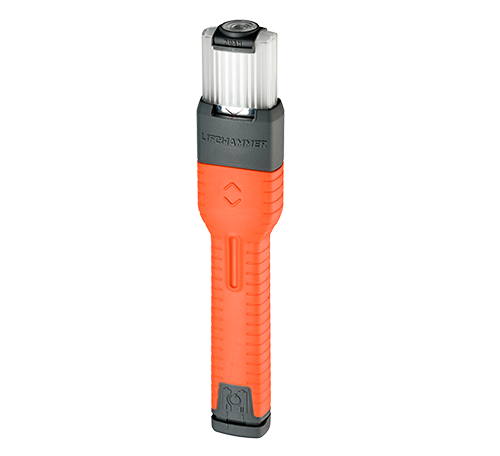
Elderly drivers should keep a reflective safety vest, a torch, a first aid kit, and a car escape tool in their vehicle. These items address the most common roadside situations and are useful for any driver, but they are particularly relevant for older drivers who may face greater challenges in an unexpected situation.
A well-prepared car kit for a senior driver might include:
- Reflective safety vest: Worn when stopped at the roadside, it makes the driver visible to other traffic. In many European countries, carrying one is a legal requirement.
- Torch or emergency light: Useful for breakdowns after dark or for signalling in low visibility.
- First aid kit: A compact, well-stocked kit is a straightforward item to keep in the boot.
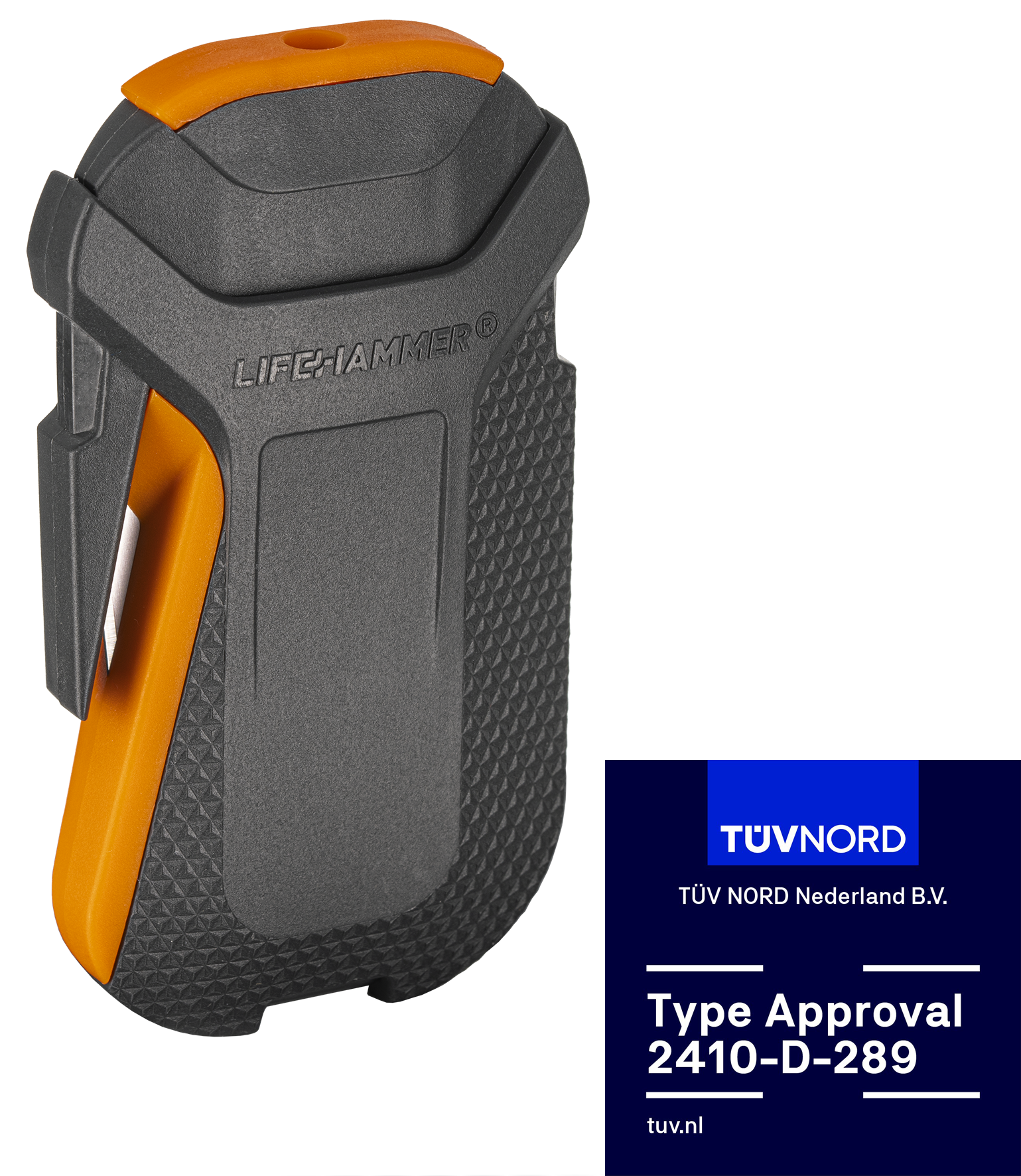
- Car escape tool: A safety hammer that cuts seatbelts and breaks tempered side windows. These tools are compact and mount within reach of the driver. They are particularly worth having for older drivers, as a seatbelt can become difficult to release after an impact.
- Warm layer and water: In case of a breakdown in cold weather or a long wait for assistance.
- Charged mobile phone or in-car charger: To call for help if needed.
Keeping these items organised and easy to locate matters as much as having them. A grab bag or small storage box in an accessible spot means they can be reached quickly without searching through the boot.
When should an elderly driver consider a driving assessment?
An elderly driver should consider a formal driving assessment when they notice changes in their reaction time, confidence, vision, or physical ability that affect how they drive. A driving assessment is not a test to pass or fail, but a professional review that identifies what support or adaptations might help.
Common signs that a driving assessment is worth arranging include:
- Difficulty judging distances or speed when merging or overtaking
- Increased hesitation at junctions or roundabouts
- Feeling tired or stressed after journeys that previously felt routine
- Minor scrapes or near-misses that did not happen before
- Comments from passengers about feeling unsafe
- Changes in vision, hearing, or physical mobility following illness or injury
In the UK, assessments are available through the DVLA and organisations such as the Royal Society for the Prevention of Accidents (RoSPA) and Driving Mobility. In other European countries, similar services are offered through road safety organisations or occupational therapists with driving rehabilitation training.
An assessment can lead to practical recommendations: specific car adaptations, refresher lessons with an instructor experienced in working with older drivers, or in some cases, a change to the type of journeys driven. The goal is to keep older drivers on the road safely for as long as possible, not to take away their independence.
How Lifehammer® supports elderly drivers and their families
At Lifehammer® we have been developing vehicle safety tools since 1983, and the needs of older drivers are exactly the kind of situation our products are designed to address. Whether you are equipping a parent’s car, preparing your own vehicle, or looking for a practical gift for a senior driver, we focus on tools that are reliable, easy to store, and genuinely useful when it counts.
- The Safety Hammer SMART uses a ceramic pin as its striking mechanism to break tempered side windows and includes a seatbelt cutter. It can be secured using 3M VHB double-sided adhesive tape, making it easy to position within reach of the driver without tools.
- All Lifehammer® safety hammers are TÜV certified and trusted by first responders and fleet operators across Europe. They are compact, straightforward to use, and designed to work under stress.
- Our Safety Vest Ultra comes in an ultra-flat vacuum pack that stores discreetly under any floor mat and decompresses immediately on opening. It is one-size-fits-all and suitable for drivers and passengers alike.
If you have questions about which products are right for your car or the driver you are buying for, our Q&A section covers the most common topics in straightforward detail. Learn more and find the right fit for your situation.