 English
 Nederlands
 Deutsch





On a long road trip, you should have documents, a first aid kit, enough water and snacks, entertainment for passengers, and basic breakdown supplies in your vehicle. Starting well prepared means a more relaxed drive and leaves you ready for unexpected situations. The following sections cover all the key aspects: from the glove compartment checklist to planning rest stops and getting your vehicle technically ready.
What should you keep in the glove compartment for a long drive?
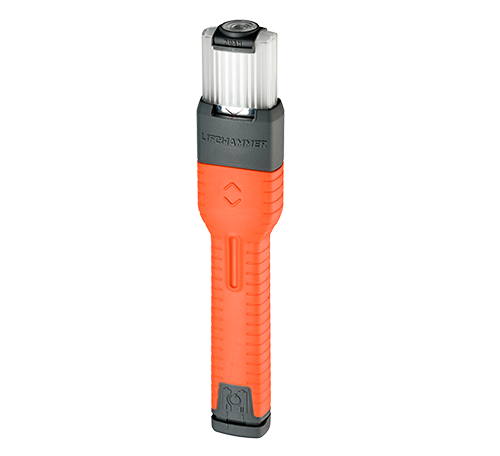
For a long road trip, your glove compartment should contain your vehicle registration, insurance card, a pen, the owner’s manual, and ideally a small flashlight. These are the things you need to access quickly in an emergency, without having to search around.
Many drivers use the glove compartment as a catch-all for random items, which means that when it really matters, nothing can be found. A clear system works better: documents in a folder, tools within easy reach, and anything not needed regularly stored in the trunk instead.
The following items should be in the glove compartment or within easy reach:
- Vehicle registration and driver’s license
- European accident report form and proof of insurance
- Parking disc
- Small flashlight or headlamp
- Pen and notepad
- Charging cable for your smartphone
Anyone who regularly drives long distances should also keep a compact first aid kit inside the vehicle — even though it is legally required to be accessible in the car. Many people store it in the trunk, where it may be unreachable after an accident. A small kit kept inside the passenger compartment is therefore a sensible addition.
How do you plan rest stops properly on a long road trip?
On a long road trip, you should plan a break of at least 15 to 20 minutes every two hours, or after no more than 200 kilometers. Regular breaks reduce fatigue, improve concentration, and noticeably lower the risk of accidents on long stretches.
Many drivers underestimate how quickly their attention fades, especially on monotonous stretches of highway. The feeling of still being alert is often deceptive. By the time you feel tired enough to pull over, you’ve already missed the ideal moment for a break.
For effective rest stop planning:
- Schedule breaks into your route before you leave, rather than deciding on the fly
- Choose rest areas with enough space to move around
- Take a short walk or do some light stretching — don’t just stay sitting in the car
- In a carpool, take turns behind the wheel
- Caffeine helps in the short term, but it’s no substitute for a real break or adequate sleep before the journey
If you’re traveling with children, plan for even more generous breaks. Kids need movement, fresh air, and the chance to burn off energy. Rest areas with play spaces are far more valuable than a quick stop at a gas station.
What should you pack for children on long road trips?
For children on long road trips, you should pack activities, snacks, a blanket, a change of clothes, and motion sickness remedies if needed. Well-prepared children are more content, and the journey goes more smoothly for everyone.
The biggest mistake is relying on a tablet or smartphone as the only source of entertainment. Technology can fail, batteries can die, or a child may lose interest after an hour. A mix of different activities works best.
Entertainment and activities
Audiobooks and podcasts for children are an excellent choice because they don’t require screen time but are still engaging. Travel games like “I Spy” or puzzle books work without power and help sharpen attention along the way. For younger children, small surprises handed out gradually during the trip are a tried-and-true trick.
Comfort and emergency supplies for children
A change of clothes isn’t optional with children — it’s a necessity. Add a small blanket, a familiar stuffed animal, and a neck pillow for long nighttime drives. If you know a child is prone to motion sickness, speak with your pediatrician beforehand about suitable remedies and plan for extra breaks accordingly.
What snacks and drinks are best for a road trip?
For long road trips, the best choices are light, nutrient-rich snacks such as nuts, fruit, vegetable sticks, whole grain crackers, and water as your main drink. Heavy, fatty foods make you tired and sluggish, which is counterproductive when driving.
The temptation to grab chips and candy bars at a gas station is real. The occasional treat isn’t a problem, but as the main source of fuel on a long drive, high-sugar snacks cause a quick energy spike followed by an equally quick crash.
Tried-and-tested road trip snacks at a glance:
- Nuts and dried fruit: energy-dense, filling, no refrigeration needed
- Fresh fruit like apples, grapes, or tangerines: refreshing and easy to eat
- Vegetable sticks with a small dip in a sealed container
- Whole grain crackers or rice cakes as an alternative to chips
- Water as your main drink, supplemented by unsweetened tea
Coffee is a faithful companion for many drivers on long stretches. It helps with concentration in the short term, but should not be treated as a substitute for sleep or rest breaks. Bringing coffee in a thermos saves money and avoids unnecessary stops.
What safety equipment is required in a car — and what else is worth having?
In Germany, the law requires every car to carry a first aid kit, a warning triangle, and a high-visibility vest. What else makes sense depends on your route, but a fire extinguisher, a tow rope, and an emergency hammer are also considered standard equipment by many experienced drivers.
Anyone driving to other European countries should familiarize themselves with local regulations, as requirements vary from country to country. Some countries, for example, require a second high-visibility vest for every passenger; others require a fire extinguisher.
Legally required equipment in Germany
The first aid kit must comply with DIN standard 13164 and should be checked regularly for expired supplies. The warning triangle must be set up at every breakdown, and the high-visibility vest must be kept within reach inside the passenger compartment — not in the trunk.
Useful additional equipment
Taking a breakdown course, or at least knowing how to change a tire, is just as important as having the right equipment. The following additions are also recommended for long drives:
- Jumper cables or a portable jump starter
- Tow rope
- Tire inflator or tire sealant spray for a flat tire
- Flashlight with fresh batteries
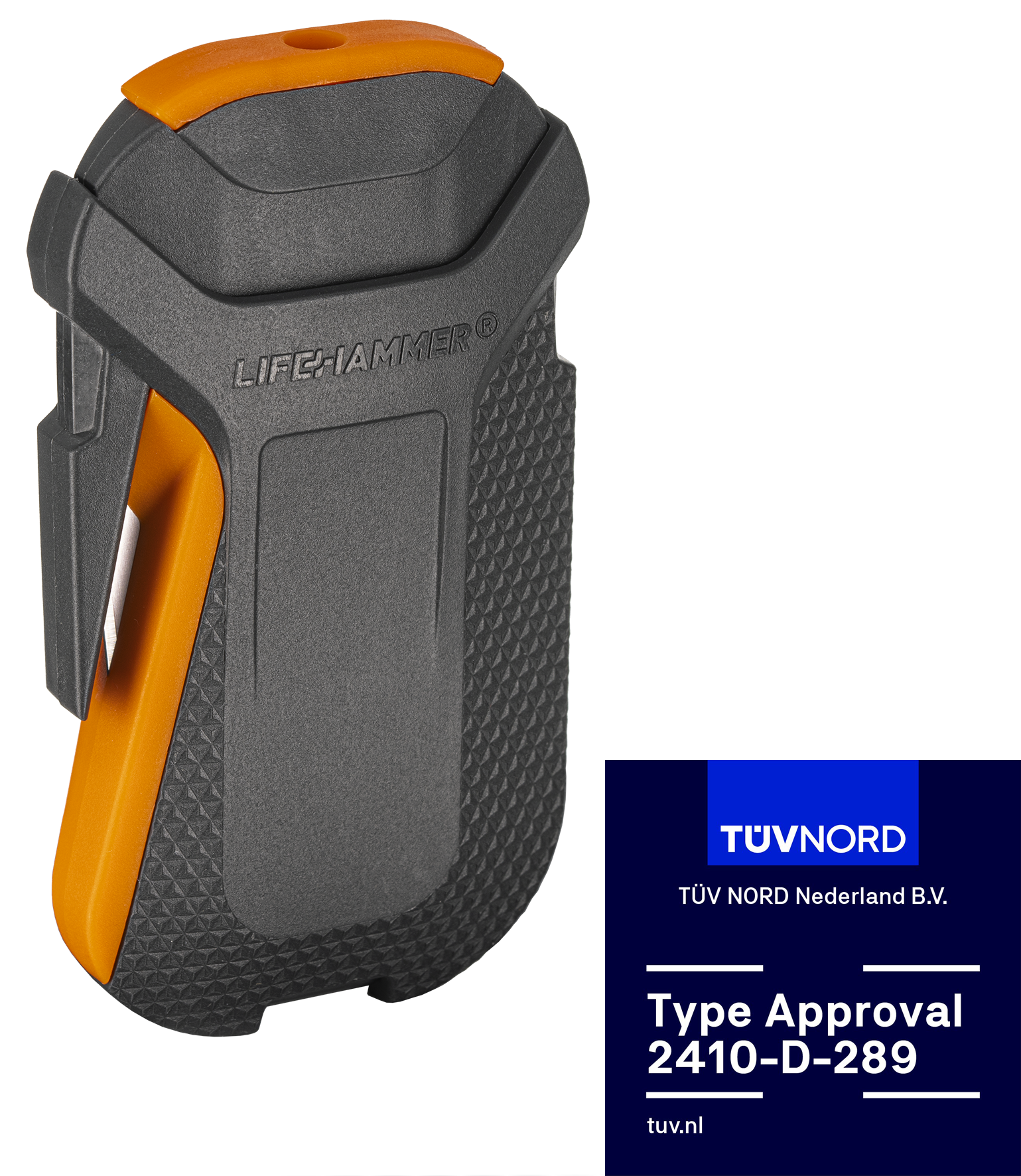
- Emergency hammer for breaking side windows and cutting seat belts
An emergency hammer is especially important when a vehicle can no longer be exited normally after an accident. Modern vehicles often have electric windows and centrally locked doors that stop working when power is lost following a crash.
How do you prepare your car technically for a long drive?
Before a long road trip, you should check tire pressure, engine oil, coolant, windshield washer fluid, and all lights. Running through these checks before you leave helps you avoid the most common causes of breakdowns and makes for a safer journey.
A quick technical check takes less than 15 minutes but can prevent you from being stranded on the highway. Most breakdowns are caused by tire issues or low fluid levels — things that are easy to spot in advance.
Technical preparation checklist:
- Check tire pressure, including the spare
- Inspect tire tread depth against the minimum requirement
- Check engine oil and coolant levels
- Top up windshield washer fluid
- Test all lights: low beams, high beams, turn signals, brake lights
- Listen for unusual noises or any delay in braking response
- Check the fuel level and fill up before departure if needed
If you drive an older vehicle or haven’t had a service in a while, don’t put off that workshop appointment. Long drives have a way of exposing weaknesses that barely show up in city traffic.
How Lifehammer® supports you on long road trips
We develop automotive safety products that work exactly when you truly need them. For long road trips, that means well-designed, TÜV-certified equipment that reliably does its job without compromise.
What we offer for your next long drive:
- Four safety hammer models — Classic, Plus, Evolution, and Smart — all equipped with a seatbelt cutter and designed to break tempered side windows. The Classic and Plus use a manual hardened carbon steel hammerhead; the Evolution and Smart use an automatic ceramic hammerhead.
- All products are TÜV-certified and trusted by police, fire departments, and first responders.
- Easy installation: no screws required. Attaches to the car door or center console, stays securely in place, and is immediately at hand in an emergency.
- A high-visibility safety vest in an ultra-flat vacuum pack, storable under a floor mat and instantly ready to use.
If you have further questions about our products or want to find out which model is the best fit for your vehicle, you can learn more on our page.