 English
 Nederlands
 Deutsch

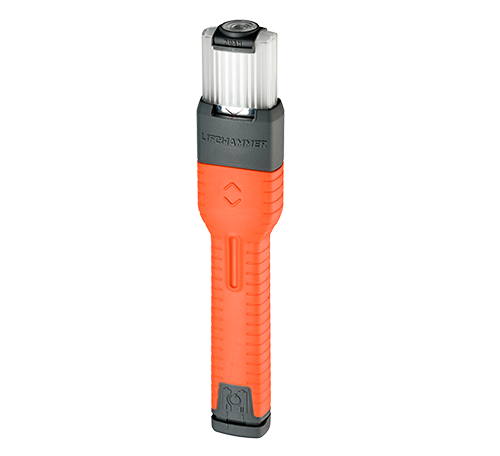
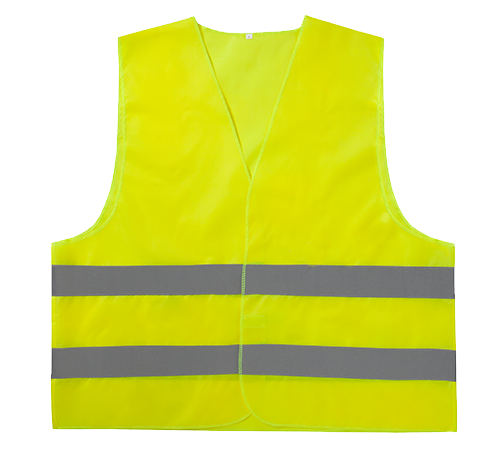
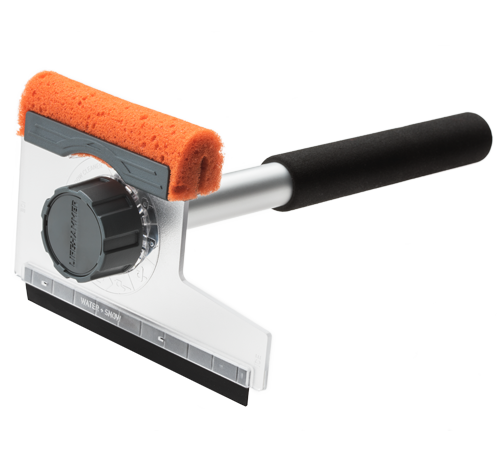
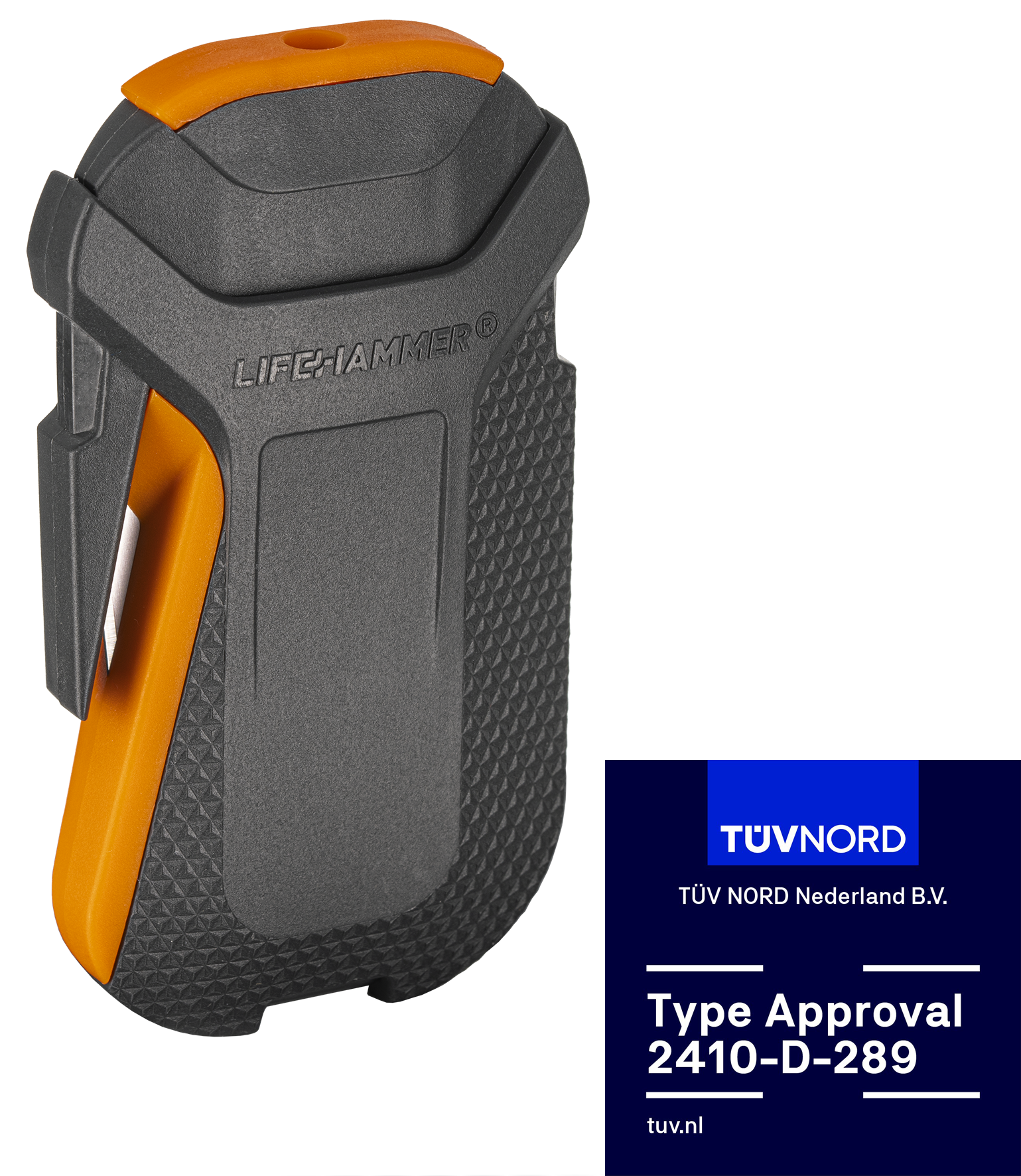



Vehicle safety equipment is important on a road trip because longer journeys increase your exposure to unexpected situations where standard car tools simply are not enough. The further you travel from home, the more likely you are to encounter unfamiliar roads, variable weather, and limited roadside assistance. Knowing what to carry, and why it matters, is one of the most practical things you can do before any long drive.
What safety equipment should you keep in your car for a road trip?
The most useful safety equipment to keep in your car for a road trip includes a warning triangle or road flares, a high-visibility vest, a first aid kit, a fire extinguisher, a torch, jumper cables, and a car escape tool such as a safety hammer. These items cover the most common roadside emergencies and are compact enough to store in your boot without taking up significant space.
When building out your road trip checklist, it helps to think in categories rather than trying to recall individual items from memory:
- Visibility and signalling: Warning triangle, reflective vest, road flares or LED markers
- Emergency escape: Car escape tool capable of cutting a seatbelt and breaking a tempered side window
- Medical: First aid kit with bandages, antiseptic, and any personal medications
- Mechanical: Jumper cables, tyre inflator, spare fuse set, basic toolkit
- Communication and navigation: Portable power bank, physical map as a backup
Not every item needs to live in the car permanently, but the emergency car kit items should. A safety hammer, vest, and warning triangle in particular are the kind of tools that only matter in the moments when you cannot stop to go shopping for them.
What are the risks of driving long distances without safety gear?
Driving long distances without safety gear increases the risk that a minor incident becomes a serious one. A breakdown on a motorway without a warning triangle or reflective vest puts you and other drivers at risk. A vehicle fire or submersion without an escape tool can turn a survivable situation into a life-threatening one. The longer the journey, the higher the statistical likelihood of encountering something unexpected.
Long-distance driving also tends to happen in unfamiliar territory. At home, you may know where the nearest garage is, or who to call. On a road trip, especially across borders, those familiar support systems are absent. Response times from emergency services can vary significantly depending on the country and the road type.
There is also the question of passenger responsibility. Many drivers carry children, elderly relatives, or friends who would not know how to act in an emergency. Having the right equipment on board means that even in a high-stress moment, there is a clear, physical tool to reach for rather than relying entirely on memory or improvisation.
Is vehicle safety equipment a legal requirement when travelling in Europe?
Yes, many European countries legally require drivers to carry specific vehicle safety equipment. Requirements vary by country, but across much of Europe a warning triangle is compulsory, and a high-visibility vest is required in countries including Spain, France, Italy, Austria, and Germany. Some countries also require a fire extinguisher or first aid kit. Driving without the required equipment can result in on-the-spot fines.
If you are planning a multi-country road trip in 2026, it is worth checking the specific requirements for each country you intend to pass through rather than assuming one standard applies across the continent. The rules are set nationally, not by the EU as a whole, which means requirements can differ significantly between neighbouring countries.
A practical approach is to build your emergency car kit to meet the most comprehensive national requirements on your route. That way you are covered regardless of where you are when you need the equipment, and you avoid the stress of working out whether you are compliant at each border.
How does a car safety hammer help in a road trip emergency?
A car safety hammer is a compact escape tool designed to do two things quickly: cut a jammed or locked seatbelt, and break a tempered side window so you can exit the vehicle. In emergencies such as a vehicle fire, flooding, or a crash where doors cannot be opened, it provides a fast, reliable means of escape when standard exits are blocked.
It is worth understanding what a safety hammer can and cannot do. It is designed to break tempered glass, which is the type used in most side and rear windows. Tempered glass shatters into small, relatively safe fragments when struck at the correct point. Laminated glass, which is used in most windscreens, cannot be broken with a standard safety hammer and is not designed to be an exit point in the same way.
The value of a car escape tool on a road trip specifically comes down to context. On a familiar local journey, help is rarely far away. On a long drive through remote areas, a mountain pass, or a flooded road, the margin for error is smaller and assistance may take longer to arrive. Having a reliable escape tool within arm’s reach, mounted where you can find it without searching, is one of the more straightforward preparations you can make.
For the tool to be genuinely useful, placement matters. A safety hammer stored in the boot is much less useful than one mounted near the driver’s seat or on the door panel, where it can be reached even if movement is restricted after an impact.
When is the best time to check your car safety kit before a trip?
The best time to check your car safety kit is at least 24 to 48 hours before departure, not on the morning you leave. This gives you enough time to replace anything that is missing, expired, or damaged before you need it. A check done the night before a long drive is far more useful than one done in the driveway with the engine running.
A simple pre-trip check should cover the following:
- Confirm everything is present: Run through your road trip checklist and physically locate each item rather than assuming it is still where you last put it.
- Check expiry dates: First aid kit contents, fire extinguishers, and tyre inflator canisters all have shelf lives.
- Test what can be tested: Check that your torch works, that your power bank is charged, and that your warning triangle deploys correctly.
- Check mounting and accessibility: Make sure your car escape tool is securely mounted and within reach from the driver’s seat.
- Account for passengers: If you are travelling with more people than usual, check that your vest and first aid kit are adequate for the group.
Building this check into your broader pre-departure routine, alongside checking tyre pressure and fluid levels, means it becomes a habit rather than a last-minute task. The goal is not to create anxiety about the journey, but to leave with the quiet confidence that you have thought through the practical details.
How Lifehammer® supports you on the road
At Lifehammer® we have been developing vehicle safety tools since 1983, and road trip preparation is exactly the kind of situation our products are designed for. Whether you are doing a quick pre-departure check or building out a complete car kit from scratch, we focus on tools that are reliable, compact, and genuinely useful when it counts.
- Our safety hammer range includes four models. The Classic and Plus use a hardened carbon steel hammerhead; the Evolution and Smart use an automatic ceramic hammerhead. All four cut seatbelts and break tempered side windows.
- All Lifehammer® safety hammers are TÜV certified and trusted by first responders and fleet operators across Europe.
- Our Safety Vest Ultra comes in an ultra-flat vacuum pack that stores discreetly under any floor mat and decompresses immediately on opening. It is one-size-fits-all and suitable for drivers and passengers alike.
If you have questions about which products are right for your car or your journey, our Q&A section covers the most common topics in straightforward detail.