 English
 Nederlands
 Deutsch

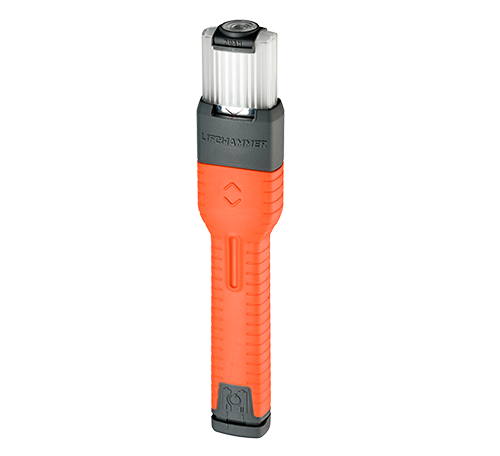
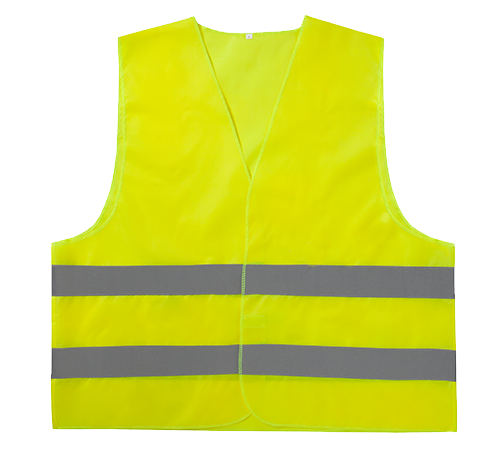
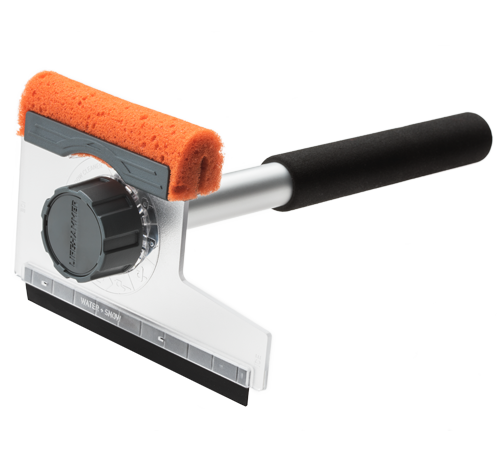
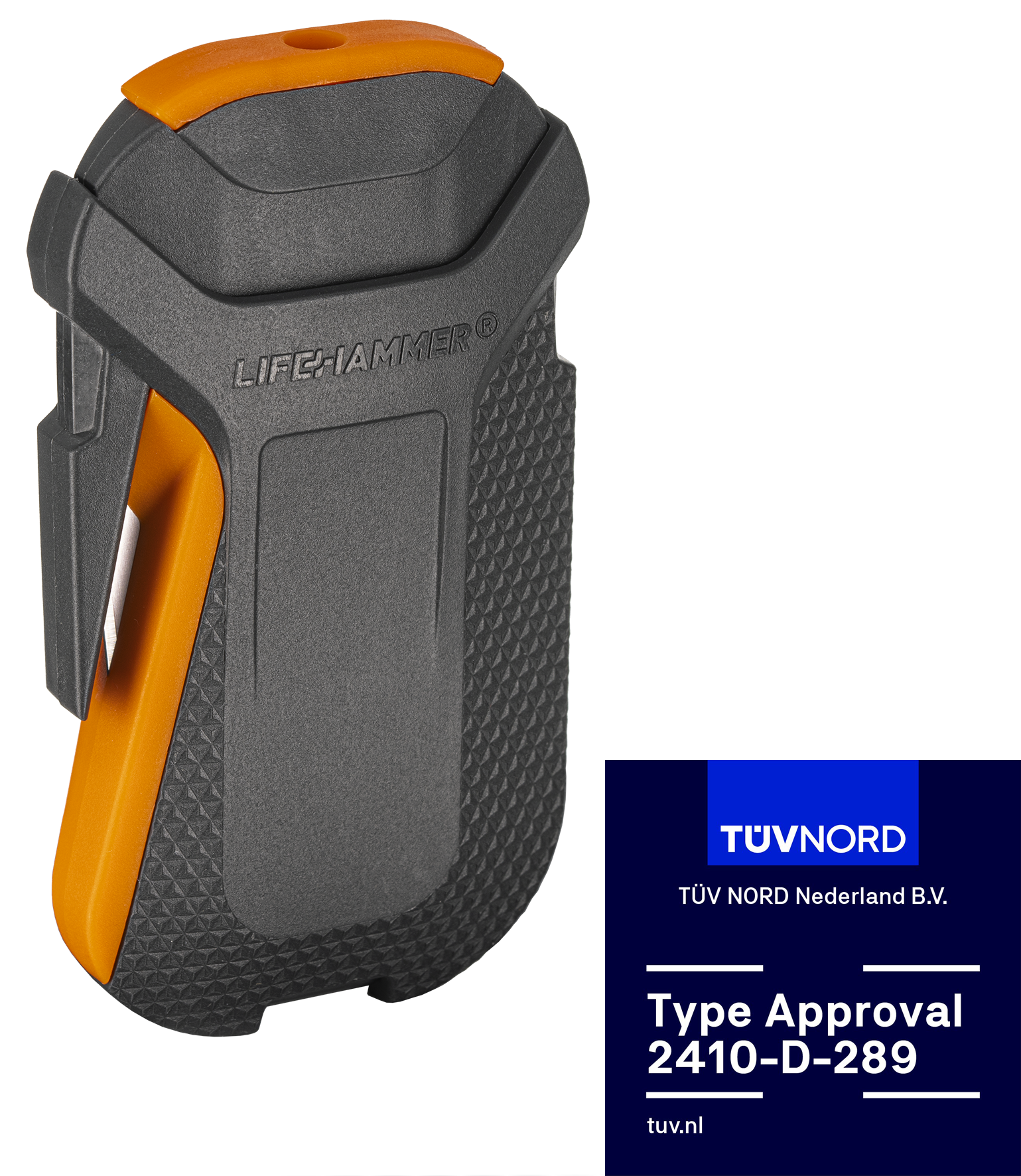



During a heat wave, the most important items to keep in your car are water, sun protection, a basic first aid kit, a reflective safety vest, and a window escape tool. These items address the two main risks of summer driving: heat-related illness and the need to respond quickly if your vehicle becomes immobilised in high temperatures. The sections below cover each of these areas in practical detail, from hydration supplies to pre-departure checks.
What can go wrong in your car during a heat wave?
During a heat wave, your car faces several overlapping risks: engine overheating, tyre blowouts from road heat, battery failure due to extreme temperatures, and the rapid build-up of heat inside a stationary vehicle. For drivers and passengers, the combination of a breakdown and high ambient temperatures can quickly become a serious health situation, particularly for children, older adults, and pets.
Temperatures inside a parked car can climb dramatically within minutes, even on a moderately warm day. When outside temperatures exceed 30 degrees Celsius, the interior of a vehicle can reach dangerous levels in under 20 minutes. This is not limited to parked cars. Slow traffic, a broken air conditioning system, or a roadside breakdown can all create conditions where heat exposure becomes a real concern.
On the mechanical side, summer heat puts additional strain on coolant systems, tyres, and electrical components. A tyre that is already slightly underinflated becomes significantly more vulnerable on hot tarmac. Engine cooling systems that are functioning adequately in spring may struggle once temperatures peak. Being aware of these risks is the first step toward preparing for them.
What water and hydration supplies should you keep in your car?
You should keep at least one litre of water per person in your car during a heat wave, stored in a cool bag or insulated container where possible. For longer journeys or travel with children, carry more. Water is the single most important supply for managing heat exposure during a breakdown or delay, and it should be accessible from both the front and rear of the vehicle.
Avoid leaving plastic water bottles in direct sunlight for extended periods. Beyond the practical concern of warm water being less effective for cooling, prolonged heat can affect the quality of water stored in certain plastics. Reusable insulated bottles or purpose-made car cool bags are a more reliable option for summer travel.
In addition to water, consider keeping the following in your car during hot weather:
- Electrolyte sachets or sports drinks for longer waits or physical exertion
- Snacks that do not melt or spoil quickly, such as nuts or cereal bars
- A small spray bottle filled with water for cooling down quickly
- A sunshade for the windscreen to reduce interior temperature when parked
What safety tools should always be in your car during summer?
The safety tools that belong in your car during summer are a reflective warning vest, a window escape tool, a torch, a basic first aid kit, and a charged power bank. These items address the most common roadside emergencies: being stranded in low visibility, needing to signal for help, and managing minor injuries while waiting for assistance.
A reflective safety vest is legally required in many European countries and is one of the most practical items you can carry. If you need to exit your vehicle on a motorway or in poor visibility conditions, being visible to other drivers is a priority. Keep the vest within reach of the driver, not locked in the boot.
A window escape tool is another item worth keeping in the car year-round, but it becomes particularly relevant in summer when heat-related incidents are more common. In situations where a door cannot be opened or a seatbelt becomes jammed, a compact escape tool designed to cut through seatbelts and break tempered side window glass allows occupants to exit quickly without depending on outside assistance.
A torch or emergency light is useful for inspecting a vehicle at the roadside after dark or signalling your position. A power bank ensures your phone remains charged if you are waiting for breakdown assistance in a remote location. These are small, lightweight items that take up minimal space but provide real utility when you need them.
How should you prepare your car before driving in a heat wave?
Before driving in a heat wave, check your tyre pressure, coolant level, engine oil, and air conditioning system. These four checks address the most common mechanical failures associated with extreme summer heat. Carry out these checks when the car is cool, ideally the evening before a long journey rather than immediately before departure.
Mechanical checks to carry out
Tyre pressure should be checked when tyres are cold, as heat causes air to expand and artificially raises the reading. Refer to your vehicle’s manual for the correct pressure. Underinflated tyres are more prone to blowouts on hot roads, while overinflated tyres reduce grip. Both are avoidable with a simple check before you travel.
Coolant keeps your engine from overheating and should be at the correct level before any long drive in hot conditions. If the coolant reservoir is low, top it up with the correct mixture. Never open the coolant cap on a hot engine. Engine oil should also be checked, as heat accelerates oil consumption and reduces its effectiveness as a lubricant.
Practical preparation steps
Beyond mechanical checks, a few practical steps make summer driving more manageable:
- Park in shade wherever possible to reduce interior temperature before you set off
- Open all doors briefly before entering a very hot car to release built-up heat
- Plan your journey to avoid the hottest part of the day, typically between noon and 3pm
- Ensure your air conditioning is working correctly before you need it on a long drive
- Let children and pets exit the vehicle immediately upon arrival — never leave them unattended in a parked car
What should you do if your car breaks down during a heat wave?
If your car breaks down during a heat wave, move the vehicle off the road if it is safe to do so, put on your hazard lights, and exit the vehicle wearing your reflective safety vest. Call for roadside assistance immediately, then focus on keeping everyone cool and hydrated while you wait. Do not stand behind the vehicle on a motorway.
Once you have secured the situation, shade is your priority. If there is natural shade nearby and it is safe to reach, use it. If not, use a windscreen sunshade inside the car and keep windows slightly open to allow air circulation. Drink water steadily rather than in large quantities at once.
Children and older adults are more vulnerable to heat exhaustion and should be monitored closely. Signs of heat exhaustion include heavy sweating, dizziness, nausea, and a rapid pulse. If someone shows these symptoms, move them to the coolest available environment, apply cool water to the skin, and seek medical assistance if symptoms do not improve quickly.
Keep your phone charged and your breakdown cover details accessible. A printed copy of your roadside assistance number is a useful backup if your phone battery is low or signal is poor.
Should you keep a dedicated summer emergency kit in your car?
Yes, keeping a dedicated summer emergency kit in your car is a practical and worthwhile step, particularly if you travel regularly, drive with children, or make longer journeys during hot weather. A summer kit addresses heat-specific risks that a standard year-round kit does not fully cover, and it takes only a small amount of space in your boot.
A well-prepared summer car emergency kit should include:
- At least one litre of water per person, plus extra for the radiator if needed
- A reflective warning vest stored within reach of the driver
- A window escape tool for rapid exit in an emergency
- A basic first aid kit
- A torch or emergency LED light
- A charged power bank
- A windscreen sunshade
- Sunscreen and insect repellent for roadside waits
- A light blanket (useful both for shade and for warmth if temperatures drop at night)
- Breakdown cover details and a road map as a backup to digital navigation
Assembling this kit once and keeping it in the car throughout summer means you are always prepared, regardless of whether a journey is planned or spontaneous. Review and refresh the kit at the start of each summer season, replacing any expired items and topping up water supplies.
How Lifehammer® supports you with car heat wave essentials
At Lifehammer® we have been developing vehicle safety tools since 1983, and summer preparedness is exactly the kind of situation our products are designed for. Whether you are building a summer emergency kit from scratch or adding a specific tool you have been missing, we focus on items that are reliable, compact, and genuinely useful when conditions make driving more demanding.
- Our Safety Hammer SMART uses an automatic ceramic striking pin to break tempered side window glass and includes a protected seatbelt cutter. It attaches securely using 3M VHB double-sided adhesive tape, keeping it within reach at all times — an important feature when seconds matter.
- Our Safety Vest Ultra comes in an ultra-flat vacuum pack that stores discreetly under any floor mat and decompresses immediately on opening. It is one-size-fits-all and suitable for both drivers and passengers, making it a practical addition to any summer kit.
- All Lifehammer® safety tools are TÜV certified and trusted by first responders and fleet operators across Europe — giving you confidence that what you carry will perform when you actually need it.
If you have questions about which products suit your car or your summer travel plans, our Q&A section covers the most common topics in straightforward detail.