 English
 Nederlands
 Deutsch

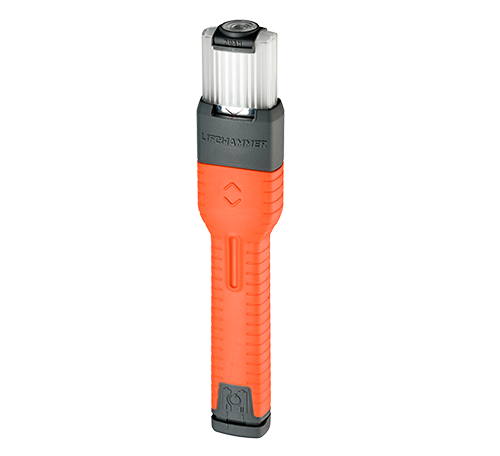
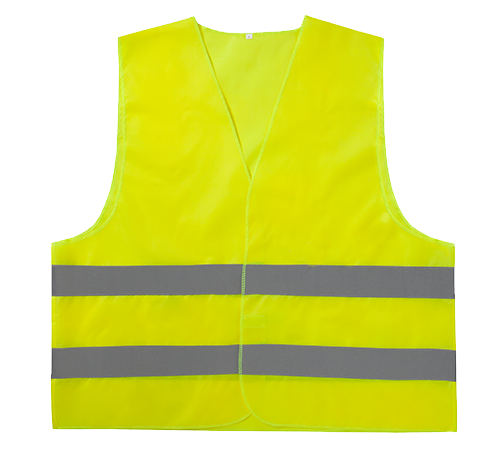
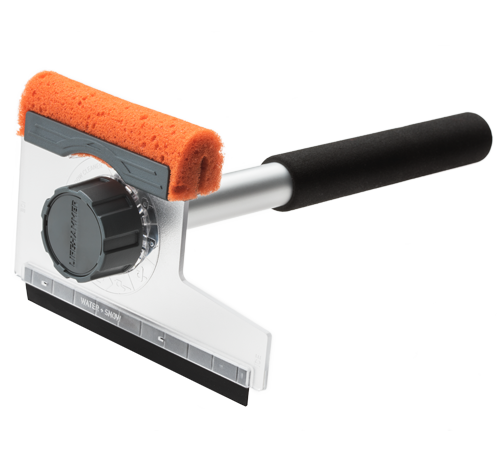
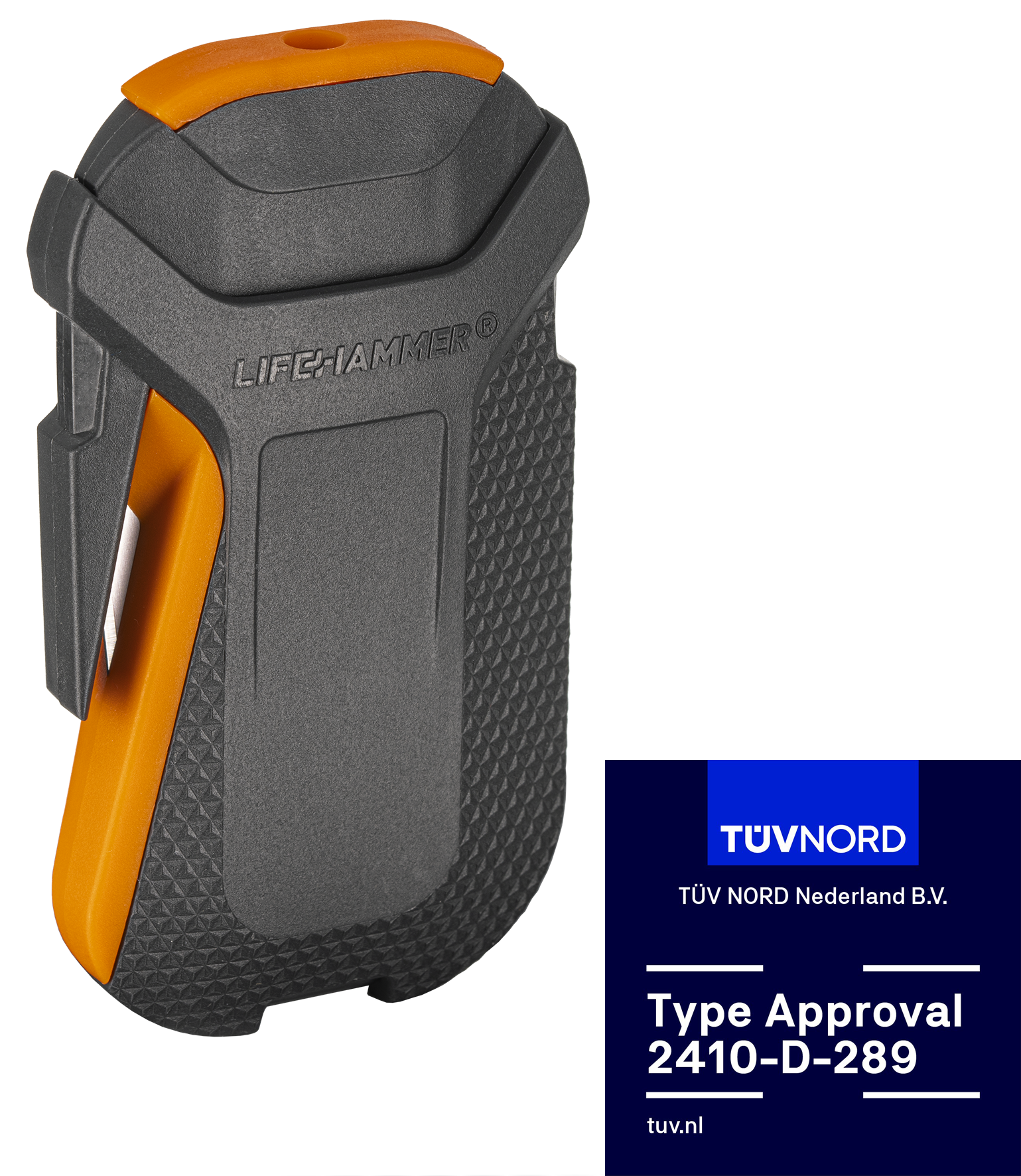



A child seat protects your child in the event of a collision, but it only covers part of in-car safety. Vehicle safety with children means more than proper restraint: it also includes the ability to escape the vehicle quickly and safely after an accident. The following questions highlight what parents — and anyone who regularly travels with children — should consider beyond the basics.
What is missing from a car that only has a child seat?
A child seat secures your child during a journey against the forces of a collision. What it does not provide is any form of support after the accident. If the vehicle is no longer drivable, a door is jammed, or a seatbelt is locked, you need tools that can get you and your child out.
Many parents invest a great deal of time in choosing the right child seat, which makes complete sense. But the interior of the vehicle is often otherwise empty when it comes to emergency equipment. No seatbelt cutter, no tool for breaking a jammed window, no high-visibility vest for the roadside. That means that when an accident happens, the first step — getting your child safely out of the vehicle — simply is not possible without the right tools.
Safety for children in the car begins with the child seat, but it does not end there. A complete safety strategy also accounts for the moments after impact.
What risks arise in an accident without emergency equipment?
Without emergency equipment in the car, you are dependent on outside help in the event of an accident. That can cost precious time, especially if the vehicle is no longer accessible, a seatbelt is jammed, or a window is the only way out. With children in the car, the pressure to act quickly increases considerably.
The most common situations where emergency equipment makes the difference are:
- A blocked or jammed seatbelt that can no longer be released after a collision
- A deformed car door that can no longer be opened from the inside
- A vehicle that enters a body of water, where water pressure prevents the doors from opening
- Poor visibility after an accident, where a high-visibility vest makes a critical difference to other road users
Children cannot free themselves in situations like these. As the adult in the vehicle, you bear the responsibility to be ready to act immediately. That requires the right tools to be within easy reach — not stored away in the trunk.
What should every car carrying children have on board?
A car that regularly carries children should contain, in addition to the child seat, at least a safety hammer with an integrated seatbelt cutter, a high-visibility vest, and a basic first aid kit. These three items cover the most important scenarios where quick action is required.
Safety hammer with seatbelt cutter
A safety hammer combines two functions in one compact tool: it can shatter tempered side windows, and it can cut through a jammed seatbelt.
High-visibility vest and first aid equipment
A high-visibility vest belongs in every vehicle traveling in Europe. After an accident on a busy road, it makes you visible to other drivers. Modern high-visibility vests are now packaged so compactly that they can be stored space-efficiently under a floor mat or in the glove compartment. A basic first aid kit rounds out your preparation for any situation requiring immediate care.
Where in the car should emergency equipment be stored?
Emergency equipment is only useful if you can reach it immediately in a stressful situation. The trunk is the wrong place. Keep the safety hammer within easy reach: on the driver’s door, on the center console, or at another point accessible from the driver’s seat without having to search.
Good safety hammers offer various mounting systems that allow for a secure attachment. A clip system for the car door or center console keeps the tool permanently in the same spot, so you do not have to look for it in an emergency. When you see the tool every day, you always know where it is when it counts.
For families with children, consider this additional point: think about whether a second unit on the rear passenger side makes sense, especially if your children are older and could act independently in an emergency.
How do you choose the right safety hammer for families?
The right safety hammer for families is a tool that can be operated safely even under stress, stays reliably in place, and has been tested to recognized standards. Look for TÜV certification, an ergonomic design, and a stable mounting system that requires no screws.
The following criteria will help you choose:
- Certification: A TÜV-certified product has been tested to German safety standards. This gives you confidence that the tool will work when you need it most.
- Hammerhead: Hardened carbon steel or ceramic are the appropriate materials for breaking tempered safety glass.
- Seatbelt cutter: An integrated, high-performance seatbelt cutter should be part of the tool itself, not a separate add-on.
- Mounting: A screw-free clip system that can be attached to the car door or center console is the most practical solution for most families.
- Visibility: Models with glow-in-the-dark features are easier to locate in dark conditions.
Avoid cheap products with no evidence of independent testing. A tool that fails in an emergency provides no real safety — only the illusion of it.
How Lifehammer® supports child safety in the car
At Lifehammer®, we develop vehicle safety products that work reliably at the moment you truly need them. Our tools are used by public service professionals and are TÜV-certified to German standards. For families looking to put together a complete emergency kit, we offer practical solutions:
- We offer four TÜV-certified safety hammers — the Classic, Plus, Evolution, and Smart — each equipped with a seatbelt cutter and capable of breaking tempered side windows.
- All mounting systems are screw-free. The Classic, Plus, and Evolution attach via the Quick Click or Easy Fix System (hexkey required); the Smart mounts with included 3M VHB double-sided tape.
- Our TÜV Rheinland GS certification confirms independently verified quality.
If you have further questions about the right equipment for your vehicle, you can find out more on our page.