 English
 Nederlands
 Deutsch

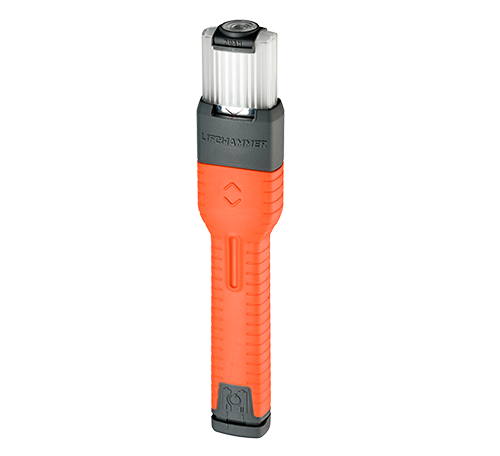
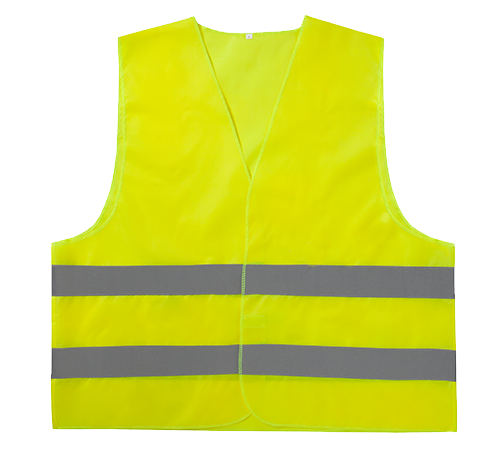



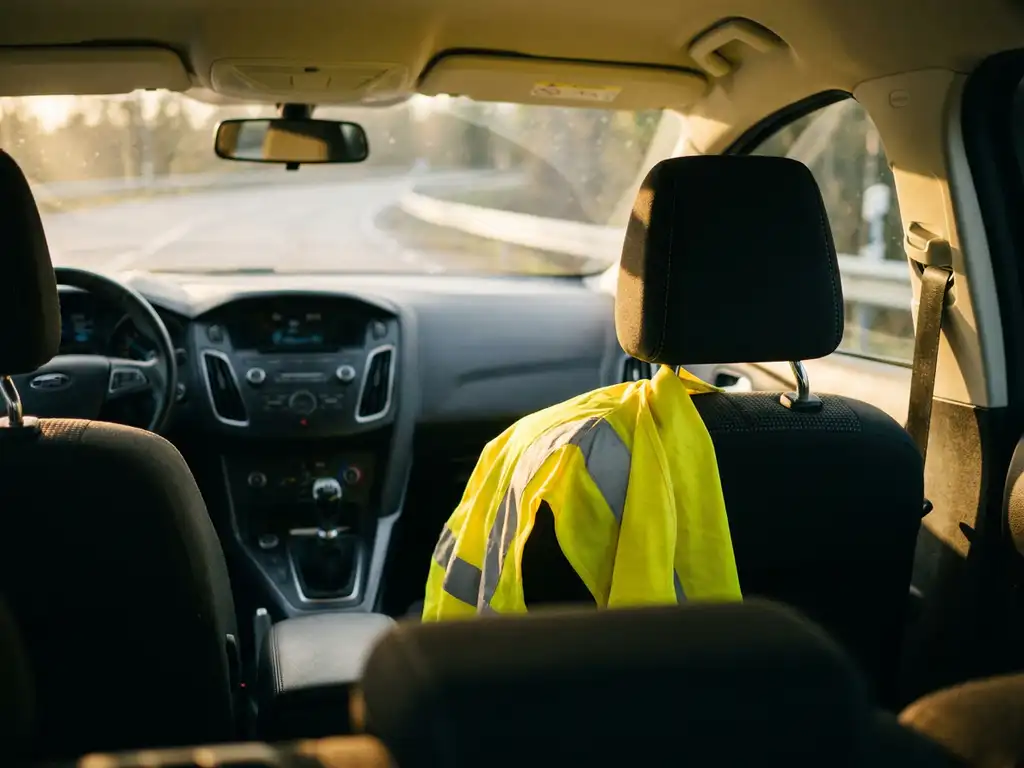
The high-visibility vest in your car must be put on as soon as you exit the vehicle onto the road or shoulder following an accident, breakdown, or other emergency. This requirement has been in effect in Germany since 2014 and applies to all vehicles registered for road use. The following sections answer the most important questions about high-visibility vests in cars.
Does the high-visibility vest requirement apply throughout Germany?
Yes, the high-visibility vest requirement applies throughout Germany. It is enshrined in the Road Traffic Licensing Regulations (StVZO) and requires all drivers to carry at least one high-visibility vest in their vehicle. The rule applies equally to passenger cars, trucks, buses, and motorhomes.
Important to note: the requirement covers carrying the vest, not just wearing it. Anyone driving without a high-visibility vest risks a fine even if no emergency has occurred. Motorcycles are exempt from the requirement to carry a vest, but motorcyclists should still keep one with them, as they are particularly vulnerable in the event of an accident.
Who is required to wear a high-visibility vest in a car?
In Germany, the driver is required to wear a high-visibility vest when exiting the vehicle after a breakdown or accident. Passengers are not legally required to wear their own vest, but they should also put one on if they leave the vehicle.
In practice, it is advisable to keep a separate high-visibility vest for each occupant. Anyone who regularly travels with children or other passengers is well advised to plan accordingly. Some neighboring European countries, such as Austria and Spain, even require one vest per person. Anyone driving across borders should therefore be familiar with the regulations of each country.
In what situations must a high-visibility vest be worn?
The high-visibility vest must be put on before you exit the vehicle onto the road or shoulder following an accident, breakdown, or other emergency. This applies on highways, federal roads, and within built-up areas. The key point is that you should put the vest on while still inside the vehicle, before getting out.
This is not a bureaucratic detail — it has a practical purpose: anyone who searches for the vest on the shoulder first loses precious seconds and is barely visible to other road users during that time. The correct sequence is: turn off the engine, switch on the hazard lights, put on the vest, then get out and set up the warning triangle.
What happens if you don’t have a high-visibility vest with you?
Anyone who fails to carry a high-visibility vest in their car is committing a regulatory offense and faces a fine of €15. This may sound minor, but it can cause additional trouble during a traffic stop or after an accident — especially if the absence of a vest contributed to endangering others.
Aside from the fine, the real risk is the lack of visibility in an emergency situation. On a highway or in poor visibility conditions, this can have serious consequences. A high-visibility vest costs very little and takes up almost no space. There is no good reason to go without one.
Where should the high-visibility vest be stored in the car?
German law does not specify a required storage location for the high-visibility vest in a car. It simply needs to be carried in the vehicle. For practical reasons, however, it should be stored somewhere you can reach without getting out of the car.
The trunk is the worst place to keep it: anyone who has to retrieve the vest from the trunk is already standing unprotected on the road. The glove compartment, the driver’s door pocket, or a position under the driver’s seat have all proven effective. This way, the vest is immediately within reach in an emergency, without having to leave the vehicle.
What standard must a high-visibility vest meet?
A high-visibility vest carried in a car in Germany must comply with the European standard EN ISO 20471. This standard sets requirements for reflective strips, fluorescent color, and minimum surface area. Only vests that meet this standard are considered approved and provide the necessary visibility.
The vest must also conform to protection class 1, 2, or 3, with class 2 generally being sufficient for car drivers. When purchasing, make sure that the standard and protection class are clearly indicated on the label. Inexpensive vests without a standard marking may not provide adequate visibility and could be flagged during an inspection.
How Lifehammer® supports you with high-visibility vests for your car
Since 1983, we have been developing TÜV-certified safety products for vehicles that work reliably when they are needed. This includes a compact high-visibility vest that meets legal requirements while being practical for everyday use.
- Safety Vest Ultra: The Lifehammer® Safety Vest Ultra is exceptionally compact and can be stored discreetly under the floor mat. In an emergency, it is ready to use immediately — no searching required.
- Standard-compliant and certified: Our high-visibility vest meets the requirements of EN ISO 20471 and is approved for use in Germany and many other European countries.
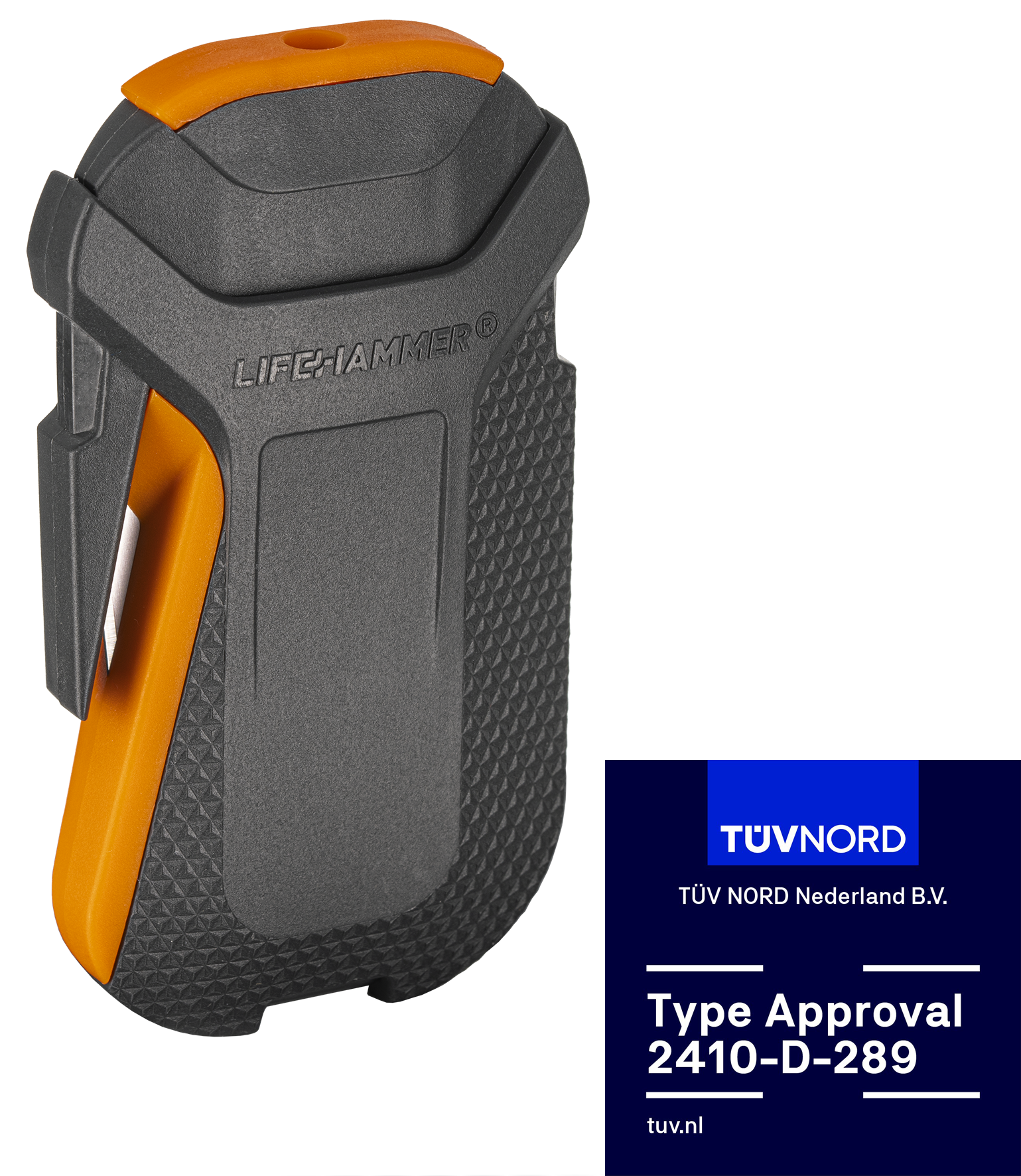
- Safety hammer as a complement: Alongside the high-visibility vest, our range includes four models of safety hammer with seatbelt cutter, which reliably break tempered glass (ESG) and allow for a complete emergency kit in your vehicle.
For more information and answers to frequently asked questions about our products, visit our Questions and Answers section.