 English
 Nederlands
 Deutsch

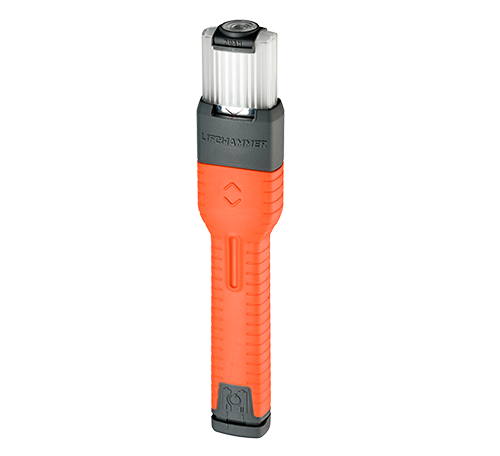
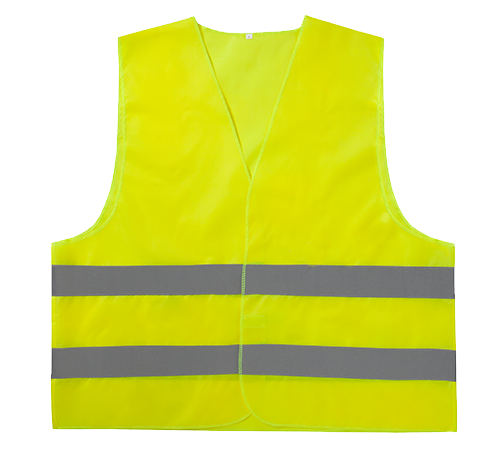
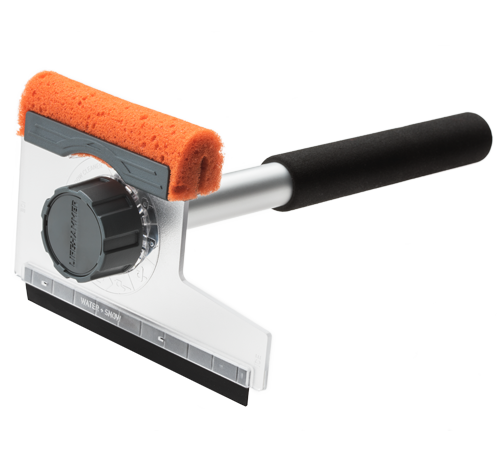
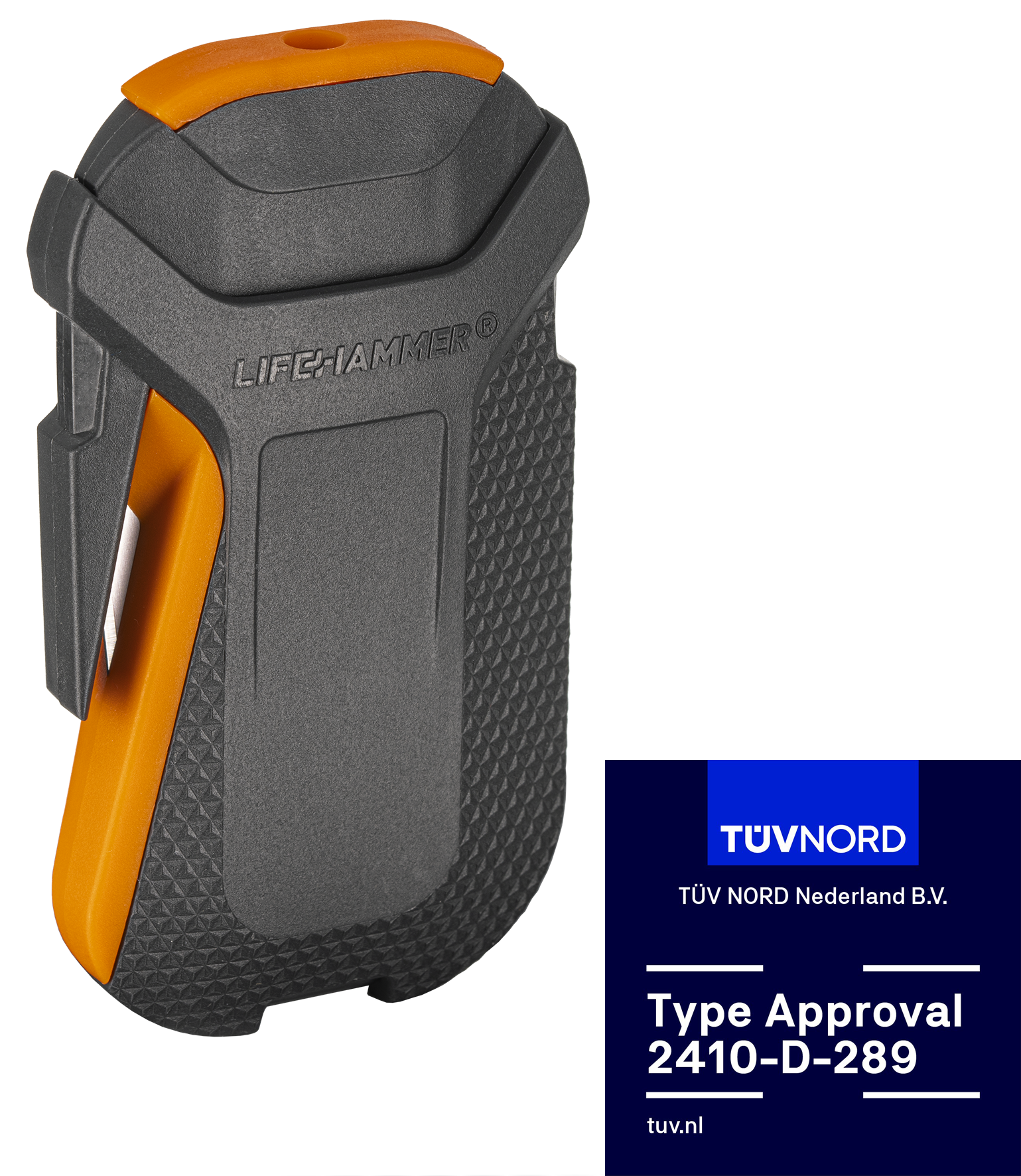



Every family car should have a small emergency kit that includes a car escape tool, a reflective warning triangle or vest, a first aid kit, a torch, and a phone charger. These items cover the most likely scenarios you will actually face on the road, from a breakdown on a dark motorway to a situation where you need to exit a vehicle quickly. The sections below walk through the details, including what families most often overlook, where to store everything, and how to keep your kit ready year after year.
What do families most often forget to pack in their car?
The items families most often forget are the ones they assume they will never need. First aid kits, reflective vests, and car escape tools sit at the top of that list. Most drivers remember a phone charger and a bottle of water, but the safety-specific items tend to get skipped, not because people think they are unimportant, but because they are easy to put off.
Beyond the obvious gaps, there are a few overlooked items that make a real difference in practice:
- A car escape tool for cutting a seatbelt or breaking a tempered side window in an emergency
- A reflective vest stored within reach of the driver, not buried in the boot
- A warning triangle or road flares for breakdowns, especially on motorways
- A basic first aid kit with plasters, bandages, and antiseptic wipes
- A portable torch that does not rely on a phone battery
- Jumper cables or a jump starter pack, particularly in winter
Parents who regularly drive with children tend to be well-prepared in terms of snacks and entertainment, but the safety layer of the kit is where gaps most commonly appear. The good news is that once these items are in the car, they stay there, so the effort is a one-time task with long-lasting value.
What is a car escape tool and when would you need one?
A car escape tool is a compact device designed to help vehicle occupants exit a car when normal exits are blocked or inaccessible. It typically combines two functions: a mechanism to break tempered side or rear windows, and a blade to cut through a seatbelt. You would need one in situations where a door cannot be opened and a seatbelt is jammed, such as after an impact or if a car enters water.
It is worth understanding what a car escape tool can and cannot do. The window-breaking function works on tempered glass, which is the single-pane safety glass used in most side and rear windows. It does not work on laminated glass, which is the type used in most windscreens. This distinction matters when you think about placement and use.
The seatbelt cutter is the other half of the tool. In a collision, a belt can lock under tension and become impossible to release with the standard buckle. A sharp, recessed blade cuts through the webbing quickly, even under stress, without requiring fine motor control.
These tools are designed for ease of use by adults and older children alike. Keeping one within arm’s reach of the driver, and a second accessible to a rear passenger, is a practical approach for family cars. In many European countries, emergency services carry them as standard equipment, which reflects how reliably they perform when needed.
Where should emergency items be stored in a family car?
Emergency items in a family car should be stored in two categories based on how quickly you might need them. Items needed immediately in a vehicle emergency, such as a car escape tool, should be within arm’s reach of the driver. Items needed after you have exited the car, such as a reflective vest, first aid kit, and warning triangle, can be stored in the boot.
Within-reach storage for immediate access
A car escape tool belongs in the door pocket, the centre console, or mounted directly on the door frame or dashboard using an appropriate mounting system. The logic is simple: if you need it, you need it immediately, and you may not be able to reach across the car. Some mounting systems use adhesive tape and require no tools to install, while others are secured with a hex key for a more fixed position. Whichever you choose, avoid placing it near airbag deployment zones.
Boot storage for breakdown and first aid supplies
The boot is the right place for items you would use after stopping or exiting the vehicle. A warning triangle should be in a dedicated spot that is easy to find in the dark. Reflective vests stored in vacuum-sealed flat packs take up minimal space and are easy to slip under a floor mat or into a side pocket. Your first aid kit, jumper cables, and a torch can all live in a small bag or box that stays in one corner of the boot.
The key principle is that the storage location should match urgency. If you have to dig through luggage to find something you need in the first thirty seconds of an emergency, it is not stored in the right place.
How do you prepare a car emergency kit for children?
To prepare a family car emergency kit that accounts for children, start with the standard adult kit and then add items specific to the ages and needs of the children who travel with you regularly. The most important adjustment is making sure that any child who is old enough to understand can locate and use at least one safety item independently.
Practical additions and adjustments for families with children include:
- A second car escape tool positioned in the rear of the car, accessible to older children or a rear-seat adult passenger
- Child-specific first aid supplies, including smaller plasters, liquid pain relief appropriate for the child’s age, and any medication relevant to known conditions
- A small comfort kit for long journeys: a spare change of clothes, a blanket, and a few non-perishable snacks
- A waterproof bag with a printed emergency contact card, especially useful if a child is separated from adults
- A portable phone charger so that communication is possible even if the car battery fails
If you regularly travel with a child in a car seat, it is also worth keeping a small pair of scissors or a seatbelt cutter in the front of the car. Car seat harnesses are separate from the main seatbelt and may need to be cut in an emergency if the buckle is stuck or distorted after an impact.
Teaching older children where the safety items are stored, and what they are for, is one of the most practical things you can do. You do not need to frame it around fear. A calm, matter-of-fact explanation, similar to a fire drill at school, is enough.
What should you check in your car emergency kit every year?
Every year, you should check your car emergency kit for expired items, depleted supplies, and anything that no longer suits your current vehicle or travel patterns. A kit that was well-stocked two years ago may have gaps today if items were used and not replaced, or if your family situation has changed.
A straightforward annual checklist covers the following:
- First aid kit: Check expiry dates on antiseptic wipes, medication, and adhesive dressings. Replace anything that has been used or expired.
- Car escape tool: Confirm it is still mounted securely and within reach. If it has a ceramic striking mechanism, check that the pin is intact and undamaged.
- Reflective vest: Make sure it is still in good condition and stored where the driver can reach it without leaving the car.
- Torch: Test the batteries or charge level. Replace batteries if needed, or switch to a rechargeable model.
- Phone charger or power bank: Check that it still charges effectively. Power banks lose capacity over time.
- Warning triangle: Inspect for cracks or damage, particularly if it has been stored loose in the boot.
- Jumper cables or jump starter: Check cable condition and, for battery-based starters, confirm the charge level.
The start of a new year, or the point when you switch to summer or winter tyres, is a natural moment to do this check. Tying it to an existing routine makes it far more likely to happen consistently. In 2026, with many families driving more frequently across longer distances, keeping that kit current is a straightforward way to stay properly prepared.
How Lifehammer® supports you with your family car emergency kit
At Lifehammer® we have been developing vehicle safety tools since 1983, and building a reliable family car emergency kit is exactly the kind of situation our products are designed for. Whether you are equipping a car for the first time or updating a kit that has been sitting untouched for a few years, we focus on tools that are reliable, compact, and genuinely useful when it counts.
- Our safety hammer range includes four models to suit different preferences and mounting setups. The Classic and Plus use a hardened carbon steel hammerhead; the Safety Hammer Evolution and Smart use an automatic ceramic hammerhead. All four cut seatbelts and break tempered side windows.
- All Lifehammer® safety hammers are TÜV certified according to German standards and trusted by first responders, fire services, and fleet operators across Europe.
- The Safety Hammer SMART can be secured using 3M VHB double-sided adhesive tape, making it easy to position within reach without tools. Note: always avoid airbag areas when choosing a mounting location.
- Our Safety Vest Ultra comes in an ultra-flat vacuum pack that stores discreetly under any floor mat and decompresses immediately on opening. It is one-size-fits-all and suitable for drivers and passengers alike.
If you have questions about which products are right for your car or your family’s setup, our Q&A section covers the most common topics in straightforward detail.