 English
 Nederlands
 Deutsch


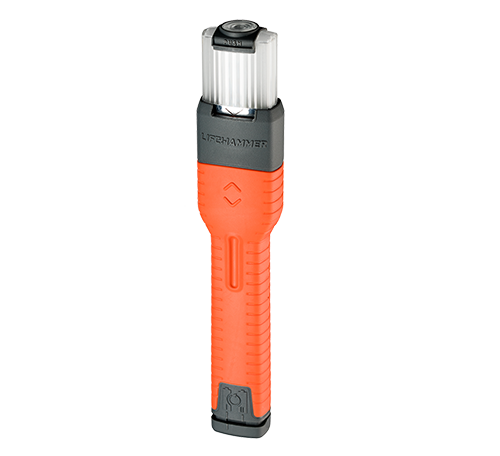
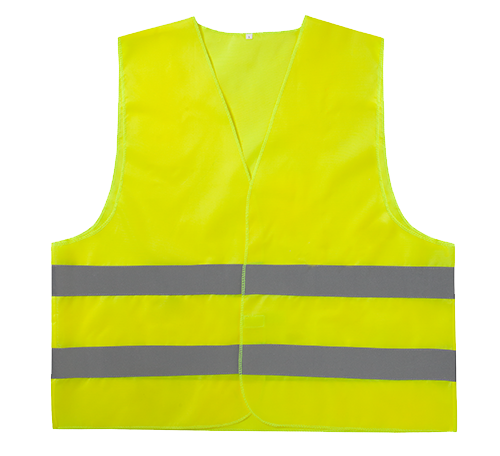
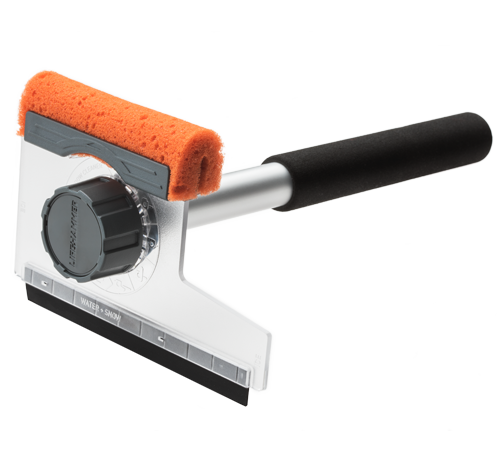
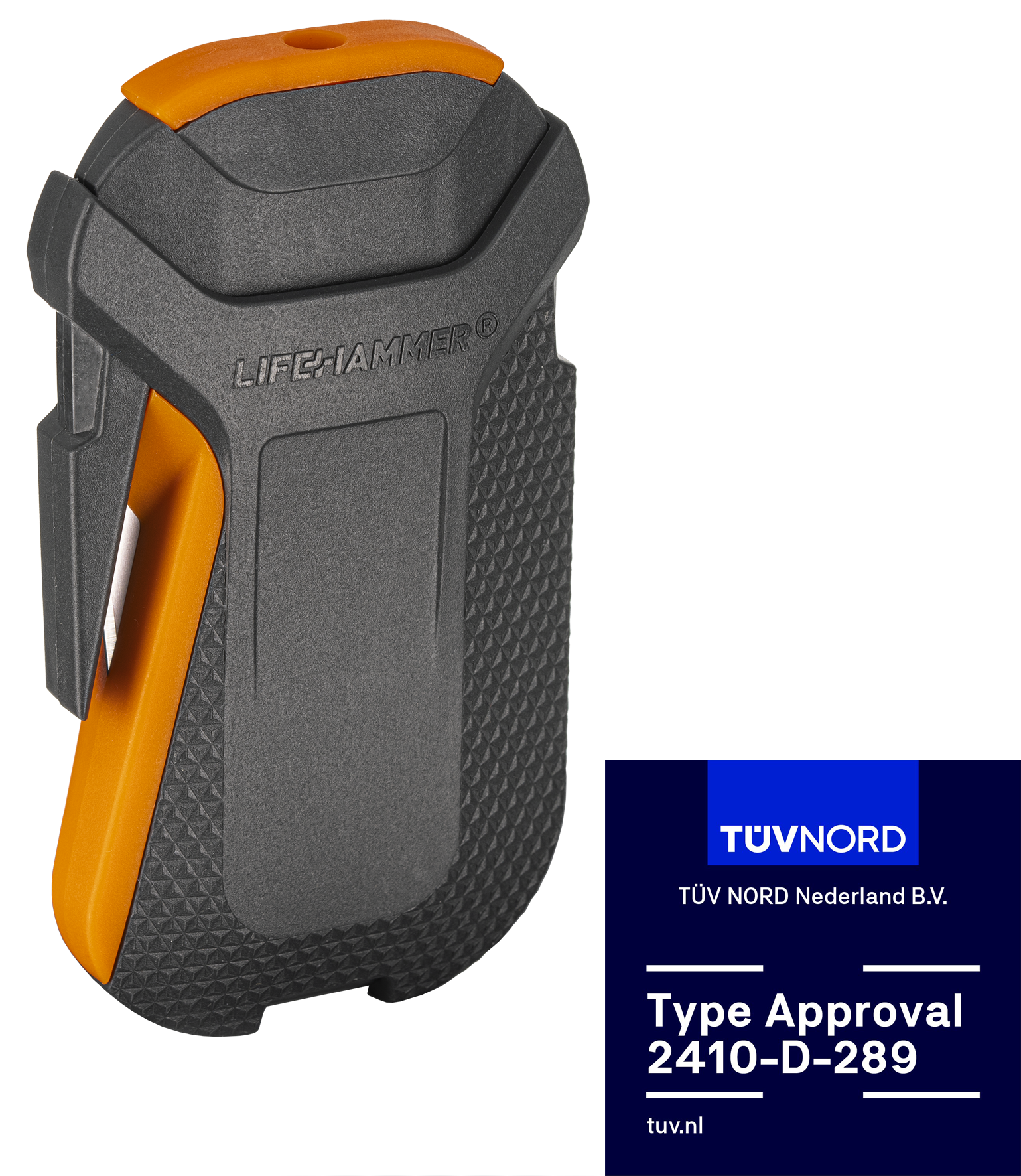


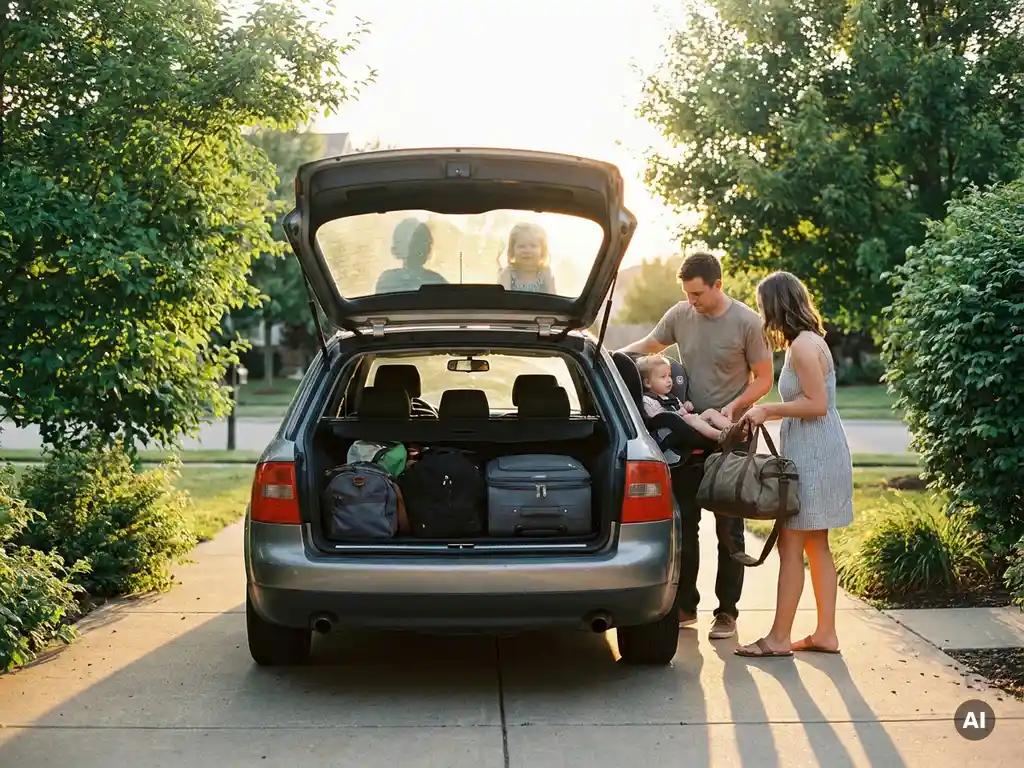
The most important items to keep in your car for an emergency are a first aid kit, a warning triangle or reflective vest, a torch, a phone charger, water, and a car escape tool. These cover the most common roadside situations: injury, breakdown visibility, communication failure, and the rare but serious need to exit a vehicle quickly. The sections below answer the most common follow-up questions in practical detail.
What are the most important items to keep in your car?
The most important items to keep in your car for an emergency fall into four categories: medical, visibility, communication, and escape. A compact first aid kit handles minor injuries on the road. A warning triangle and a reflective safety vest make you visible to other drivers if you break down. A portable phone charger keeps communication open. And a car escape tool gives you a way out if a door or seat belt fails after an impact.
Beyond those four priorities, a few practical additions round out a solid emergency car kit:
- Bottled water – for drinking during long waits or topping up an overheating radiator
- A torch – for inspecting tyres, reading maps, or signalling in poor light
- Jump leads or a jump starter pack – a flat battery is one of the most common reasons drivers call for roadside assistance
- A blanket – useful in cold weather if you have to wait outside the vehicle
- Basic tools – a multi-tool or small spanner set can handle minor mechanical issues
- A pen and notepad – for recording details at the scene of an incident
The goal is not to prepare for every possible scenario but to cover the situations that are genuinely likely. A flat battery, a minor collision, a breakdown on a dark road: these are the events that a well-stocked car kit is designed for.
What should be in a car emergency kit for long road trips?
For long road trips, your emergency car kit should expand beyond the everyday basics to include items that support extended time away from help. In addition to a first aid kit, warning triangle, torch, and escape tool, you should add a portable power bank, a spare tyre or puncture repair kit, a fire extinguisher, and enough water and snacks to sustain you if you are delayed for several hours.
Long-distance driving increases your exposure to unfamiliar roads, variable weather, and longer response times from breakdown services. That context changes what you need to carry.
What to add for motorway and cross-border trips
If you are driving across borders in Europe, check the legal requirements of each country you are passing through. Several countries require drivers to carry a warning triangle, a reflective vest, and a first aid kit by law, and fines for non-compliance apply even to foreign-registered vehicles. A printed copy of your insurance documents and a list of emergency numbers for each country are also worth including.
What to add for winter driving
In winter conditions, add an ice scraper, a small shovel, a bag of sand or cat litter for traction, and a warm layer or emergency foil blanket. If you are travelling through mountainous areas, snow chains may be legally required and practically necessary.
What’s the difference between a breakdown kit and a safety kit?
A breakdown kit helps you deal with mechanical failures: flat tyres, dead batteries, engine problems. A car safety kit is focused on protecting people: first aid, visibility, and the ability to escape the vehicle or signal for help. The two categories overlap but serve different purposes, and a well-prepared driver carries both.
Breakdown kits typically include jump leads, a tow rope, a tyre inflator or repair kit, and basic tools. These are the items that get the car moving again or help you manage until a recovery service arrives.
Safety kits, by contrast, focus on the people in the vehicle. A first aid kit, a reflective vest, a warning triangle, and a car escape tool are all safety items: they do not fix the car, but they reduce the risk of injury or make a difficult situation manageable. A seat belt cutter and window-breaking tool, for example, are relevant only in the rare event that a door is jammed or a seat belt is locked after a collision. They have no mechanical function, but when they are needed, nothing else replaces them.
The practical answer is to think of them as two separate pouches or bags stored in the same place. One handles the car; the other handles the people inside it.
Where in your car should you store emergency items?
Emergency items should be stored in a place that is accessible without leaving the vehicle and without needing to search through other luggage. The boot is the most common location for bulkier items like a first aid kit, warning triangle, and jump leads. Smaller, time-sensitive items, particularly a car escape tool, should be within reach of the driver’s seat.
The logic behind placement matters. A warning triangle is only used once you have stopped and exited the vehicle, so the boot is appropriate. A car escape tool, on the other hand, is needed precisely when you cannot exit normally, which means it has to be reachable from inside the car, ideally mounted near the driver’s door or centre console.
A few practical storage guidelines:
- Keep heavy items low in the boot to avoid them becoming projectiles in a sudden stop
- Use a dedicated bag or organiser so items do not shift around and are easy to locate under stress
- Avoid storing anything in the footwell or loose on the back seat where it could interfere with driving or become a hazard
- If you carry a reflective vest, keep one in the cabin, not just the boot, so you can put it on before getting out of the car on a busy road
How often should you check and replace your car emergency kit?
You should check your car emergency kit at least twice a year – a practical approach is to tie it to the clocks changing in spring and autumn. At each check, replace anything that has expired, been used, or shows signs of wear. First aid supplies, in particular, have use-by dates that are easy to overlook.
A seasonal check covers the most important ground:
- First aid kit: Check expiry dates on plasters, wipes, and any medication. Replace anything that has been used or is out of date.
- Torch and batteries: Test the torch and replace batteries or recharge if needed. Batteries degrade in extreme temperatures.
- Portable charger: Charge it up – power banks lose charge over time even when unused.
- Warning triangle and vest: Check for damage and confirm the vest is still reflective and intact.
- Water: Replace bottled water periodically, especially if it has been exposed to heat in the boot.
- Car escape tool: Check that it is still mounted securely and accessible.
In 2026, many newer vehicles also carry digital safety features, but these depend on battery power and connectivity. A physical emergency kit remains relevant regardless of how modern the car is, and it requires no signal or charge to function.
How Lifehammer® supports you with your car emergency kit
At Lifehammer® we have been developing vehicle safety tools since 1983, and putting together a reliable emergency car kit is exactly the kind of situation our products are designed for. Whether you are equipping a family car, preparing for a long drive, or simply making sure you have thought of everything, we focus on tools that are compact, dependable, and genuinely useful when it counts.
- Our safety hammer range includes four models. The Classic and Plus use a hardened carbon steel hammerhead; the Safety Hammer Evolution and Safety Hammer SMART use a ceramic hammerhead. All four cut seat belts and break tempered side windows, the type of glass used on most car doors and rear windows.
- All Lifehammer® safety hammers are TÜV certified and trusted by first responders and fleet operators across Europe, which gives you confidence that the tool will perform under real conditions, not just in a product demonstration.
- Our Safety Vest Ultra comes in an ultra-flat vacuum pack that stores discreetly under any floor mat and decompresses immediately on opening. It is one-size-fits-all and suitable for drivers and passengers alike, a practical solution for the visibility side of your emergency kit.
If you have questions about which products suit your car or your typical driving routes, our Q&A section covers the most common topics in straightforward detail. You can also find our products on Amazon if you prefer to order there.