 English
 Nederlands
 Deutsch






To stay alert on a long drive, take a break of at least 15 minutes every two hours, get adequate sleep the night before, and avoid driving during your body’s natural low-energy windows in the early afternoon and late at night. No single trick eliminates fatigue, but combining rest stops, hydration, and sensible scheduling keeps your attention where it belongs. The questions below cover everything from recognising early warning signs to knowing when to stop driving altogether.
How long can you drive before fatigue becomes dangerous?
Driving fatigue becomes a genuine risk after roughly two hours of continuous driving for most people. Research in road safety consistently points to two hours as the point where concentration starts to degrade noticeably, reaction times slow, and the risk of microsleeps increases. This is not a hard limit that applies equally to everyone, but it is the most widely used and practically useful benchmark for planning rest stops.
Several factors affect how quickly fatigue sets in. A poor night’s sleep the night before, driving in heavy traffic, driving in monotonous conditions such as motorways, or being behind the wheel during natural low-alertness periods (typically between 2 pm and 4 pm, and midnight and 6 am) can all accelerate the onset of tiredness. Age also plays a role, as older drivers and very young drivers may fatigue more quickly than those in their thirties and forties.
The important thing to understand is that fatigue does not arrive suddenly. It builds gradually, which is exactly what makes it deceptive. By the time you feel seriously tired, your driving has likely already been affected for some time. Planning your journey around the two-hour rule means you are stopping before the problem becomes serious, not after.
What are the early warning signs of driver fatigue?
The early warning signs of driver fatigue include difficulty keeping your eyes focused, frequent yawning, drifting slightly within your lane, missing road signs or exits, and finding it hard to remember the last few kilometres you drove. If any of these appear, they are a signal to stop as soon as it is safe to do so.
Many drivers dismiss the first signs because they feel manageable. A yawn seems trivial. Drifting slightly feels like a one-off lapse. But these are your body’s early communication that alertness is dropping, and the gap between “slightly tired” and “dangerously impaired” is shorter than most people expect.
Other signs to watch for include:
- Blinking more frequently or struggling to keep your eyes open
- Head nodding or drooping
- Feeling restless or irritable without obvious cause
- Slower reactions to what other vehicles are doing
- Difficulty maintaining a consistent speed
- Daydreaming or losing the thread of a conversation with a passenger
None of these on their own mean you are about to fall asleep at the wheel. Together, or in combination with a long drive and limited sleep, they mean it is time to pull over.
Does caffeine actually help you stay awake while driving?
Caffeine can provide a useful short-term boost to alertness, but it is not a substitute for rest and should be treated as a temporary measure rather than a solution. A cup of coffee or tea takes around 20 to 30 minutes to take effect, so the most effective approach is to drink caffeine just before a rest stop so it begins working as you resume driving.
The well-known “coffee nap” technique works on exactly this principle. You drink a caffeinated drink, then sleep for 20 minutes. The caffeine clears adenosine (the chemical that makes you feel sleepy) from your receptors just as the nap refreshes your alertness, and the combined effect is stronger than either alone. It sounds counterintuitive, but the timing works because caffeine takes time to be absorbed.
There are important limits to what caffeine can do. It cannot replace genuine sleep debt. If you are already significantly fatigued, caffeine may reduce how drowsy you feel without actually restoring your reaction times or decision-making ability to a safe level. Relying on multiple coffees to push through a long drive when you are genuinely tired is not a safe strategy. Use caffeine as a tool to extend a good alertness window, not to override a bad one.
How often should you stop on a long drive?
You should stop at least every two hours on a long drive, and each stop should last a minimum of 15 minutes. During that time, get out of the car, move around, and allow your body and mind to reset. Simply sitting in a parked car does not provide the same benefit as actually stepping out and walking briefly.
For very long journeys, it helps to plan your stops in advance rather than waiting until you feel tired. Identify service stations, rest areas, or towns along your route at roughly two-hour intervals before you set off. This removes the temptation to push on to the next stop when you are already tired, which is when decision-making becomes less reliable.
If you are travelling with a passenger who can drive, sharing the driving is one of the most effective ways to manage fatigue on a long journey. Switching every 90 minutes to two hours means neither driver reaches the point where concentration is genuinely impaired. The non-driving passenger should rest rather than chat constantly, as keeping the driver engaged in conversation is not a substitute for a proper break.
What should you keep in your car for a long journey?
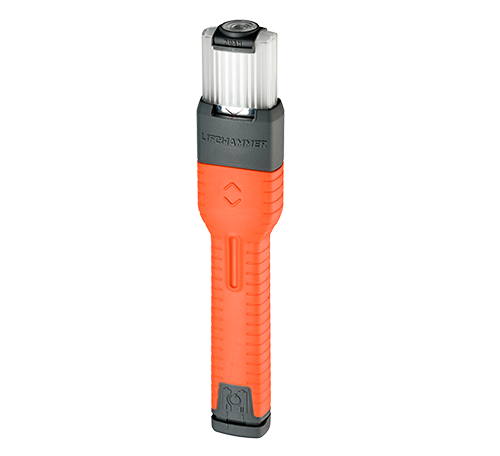
For a long journey, your car should carry water and snacks, a phone charger, a basic first aid kit, a reflective warning triangle or vest, a torch, and any navigation tools you rely on. These are the practical basics that cover the most common situations you might encounter on a long drive, from a minor breakdown to an unexpected detour.
Water matters more than most drivers realise. Even mild dehydration has a measurable effect on concentration and reaction time. Keeping a bottle of water in the car and drinking regularly, not just when you feel thirsty, supports alertness throughout a long journey.
A few other items worth including:
- A blanket, particularly for night driving or winter journeys
- Sunglasses to reduce glare fatigue on bright days
- A portable phone charger or in-car charger for navigation and emergency calls
- Spare change or a payment card for toll roads and unexpected stops
- A pen and notepad for jotting down information at the scene of any incident
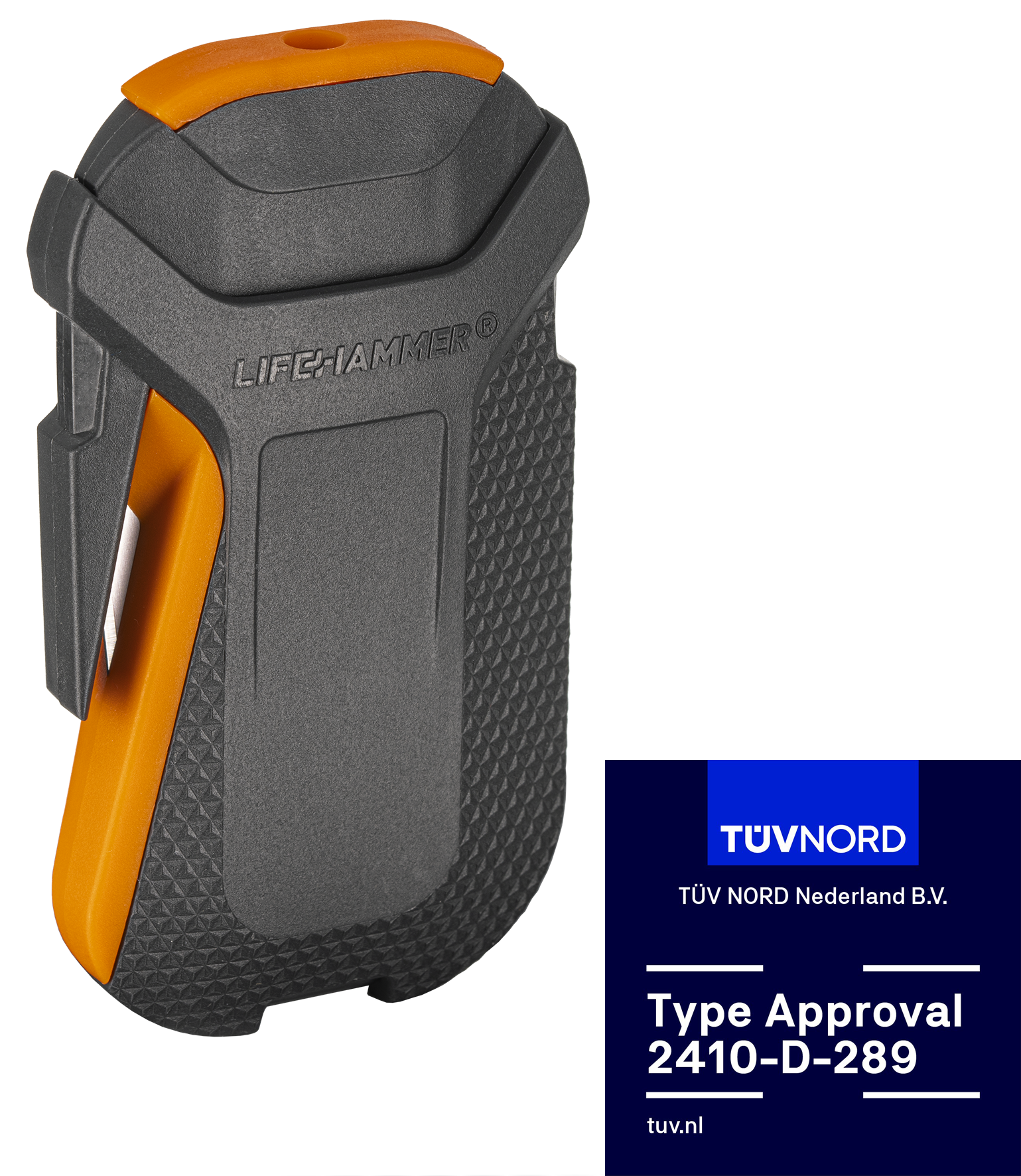
It is also worth thinking about what happens if something goes wrong. A safety hammer stored within reach gives you a reliable way to exit a vehicle if a door will not open or a seatbelt will not release after an accident. It is a small addition to any car kit that takes up almost no space.
When should you pull over and sleep instead of pushing on?
You should pull over and sleep when you are yawning repeatedly, struggling to keep your eyes open, or finding it hard to stay in your lane. At this point, no amount of caffeine, fresh air, or loud music will reliably restore safe driving ability. The only effective response to genuine fatigue is rest, and continuing to drive is a serious risk to yourself and everyone else on the road.
The difficulty is that fatigue impairs your ability to accurately judge how fatigued you are. Drivers who are significantly tired often believe they are managing fine right up until a serious lapse occurs. This is why the two-hour rule and planned stops matter so much: they are objective checkpoints that do not depend on your own (increasingly unreliable) self-assessment.
If you feel the urge to sleep and cannot reach a proper rest area, a motorway service station, or a safe car park, pull into a lay-by if one is available. A 20-minute sleep in a lay-by is far safer than continuing. Tell someone where you are if you stop unexpectedly on a long journey, and make sure your hazard lights are on if you are stopped in a position where other drivers need to see you.
Pushing on when you are genuinely tired is never worth it. Arriving an hour later than planned is not a problem. The alternative is.
How Lifehammer® supports you on a long drive
At Lifehammer® we have been developing vehicle safety tools since 1983, and long journey preparation is exactly the kind of situation our products are designed for. Whether you are building a car kit from scratch or adding one final practical item before a road trip, we focus on tools that are compact, reliable, and genuinely useful when it counts.
- Our safety hammer range includes four models. The Classic and Plus use a hardened carbon steel hammerhead; the Safety Hammer Evolution and Smart use an automatic ceramic hammerhead. All four cut seatbelts and break tempered side windows.
- All Lifehammer® safety hammers are TÜV certified according to German standards and trusted by first responders, fleet operators, and police forces across Europe.
- Our Safety Vest Ultra comes in an ultra-flat vacuum pack that stores discreetly under any floor mat and decompresses immediately on opening. It is one-size-fits-all and suitable for drivers and passengers alike.
If you have questions about which products suit your car or your journey, our Q&A section covers the most common topics in straightforward detail.