 English
 Nederlands
 Deutsch





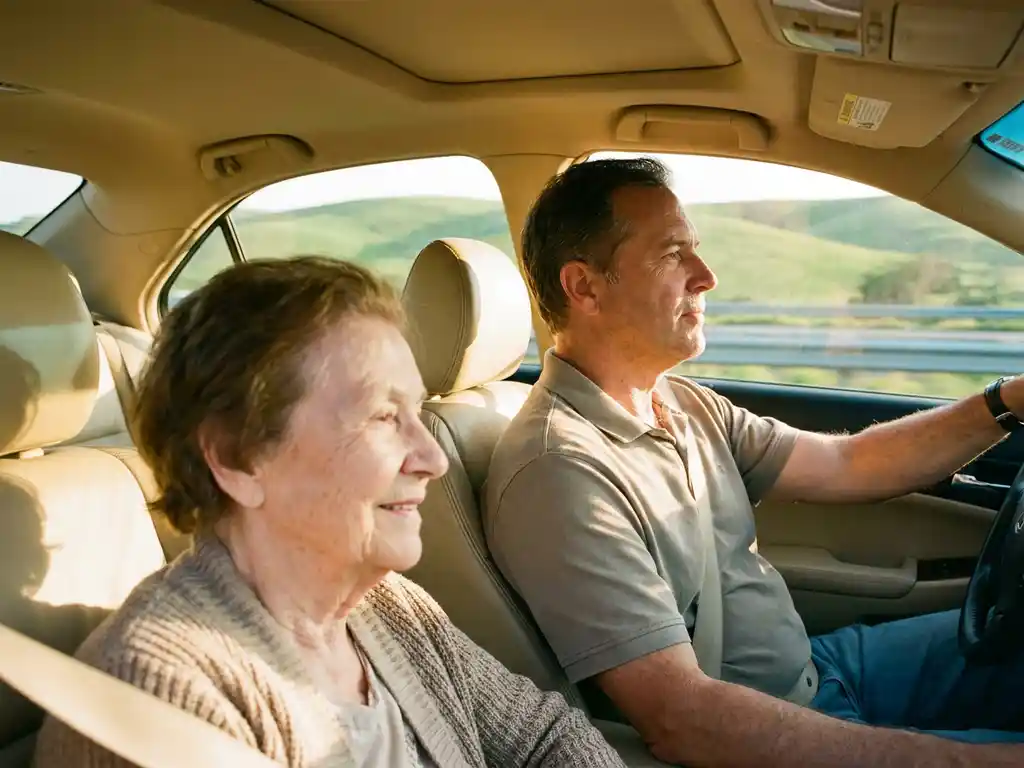
Preparing an elderly parent for a long drive means thinking ahead across three areas: their physical comfort, the route you choose, and the safety equipment you carry. Most of what makes a long car journey work well for an older passenger comes down to planning small details before you leave, not improvising on the road. The questions below cover everything from what to pack to whether your parent should be driving at all.
What should you pack in the car for an elderly passenger?
For a long car journey with an elderly passenger, pack a small bag with their medications and a written list of dosages, a refillable water bottle, easy-to-eat snacks, a light blanket or travel pillow, and any mobility aids they use regularly. Having these within reach from the back seat matters more than having them stored in the boot.
Beyond the basics, think about what your parent needs to stay comfortable for several hours without stopping. A lumbar support cushion or a rolled towel can make a significant difference for someone with back pain. If they use hearing aids, pack spare batteries. If they wear glasses for reading, make sure those are accessible rather than buried in a bag.
A small first aid kit is worth including on any longer trip, and it is worth keeping a list of your parent’s medical conditions and any allergies in the glovebox alongside your own documents. If something happens on the road, that information can be immediately useful to anyone who needs to help.
How do you plan a long drive route for someone elderly?
When planning a long drive route for an elderly passenger, prioritise routes with regular service stations rather than the fastest option. Plan a stop every 60 to 90 minutes, and identify rest areas in advance so stops feel expected rather than reactive. Avoid driving through the night when fatigue affects everyone in the car more sharply.
Motorway driving is often smoother and less stop-start than A-roads, which can be more comfortable for someone with joint pain or motion sensitivity. That said, if your parent finds motorway speeds unsettling, a slightly longer route on quieter roads may reduce stress for both of you.
Build more time into the journey than you think you need. An elderly passenger may need longer at rest stops, and rushing the trip creates pressure that is not worth it. If the destination is genuinely far, consider whether an overnight stop makes the journey more manageable than doing it in one stretch.
What health considerations matter before a long car journey?
Before a long car journey with an elderly parent, check whether any of their medications affect alertness, blood pressure, or hydration. Some common medications for older adults, including certain blood pressure drugs and diuretics, interact with long periods of sitting in ways worth discussing with their GP before you travel.
Dehydration is a real risk on long drives, particularly for older passengers who may not feel thirsty. Encourage regular small amounts of water throughout the journey rather than waiting until they ask for it.
Deep vein thrombosis (DVT) is a consideration on very long journeys. Encourage your parent to move their feet and ankles while seated, and make sure they get out and walk briefly at each stop. If they have a history of circulatory issues, it is worth asking their doctor whether compression socks are appropriate for the trip.
If your parent has dementia or significant cognitive decline, long car journeys can be disorienting. Familiar music, clear and calm communication about where you are going, and shorter travel days can all help reduce anxiety.
How do you keep an elderly parent comfortable during a long drive?
To keep an elderly parent comfortable during a long drive, maintain a steady, smooth driving style, keep the car at a comfortable temperature, and stop regularly. Avoid sudden braking or sharp acceleration, which can be physically uncomfortable and unsettling for older passengers, particularly those with neck or back conditions.
Seat positioning matters. If your parent is in the front passenger seat, make sure the seat is pushed back enough to give their legs room, and that the headrest is properly adjusted. If they are in the back, a booster cushion can improve their sightlines and make the seat feel less deep and difficult to get out of.
Keep conversation easy and the atmosphere calm. Long drives can be tiring for older passengers even when they are not driving, and feeling like they need to stay alert and engaged for hours is its own kind of fatigue. It is fine to let them doze.
What safety equipment should be in the car when driving with elderly passengers?
When driving with elderly passengers, your car should carry a warning triangle or road flares, a reflective safety vest, a first aid kit, and a car escape tool. These are not items specific to elderly passengers, but they become more relevant when you are responsible for someone who may have limited mobility in an emergency situation.
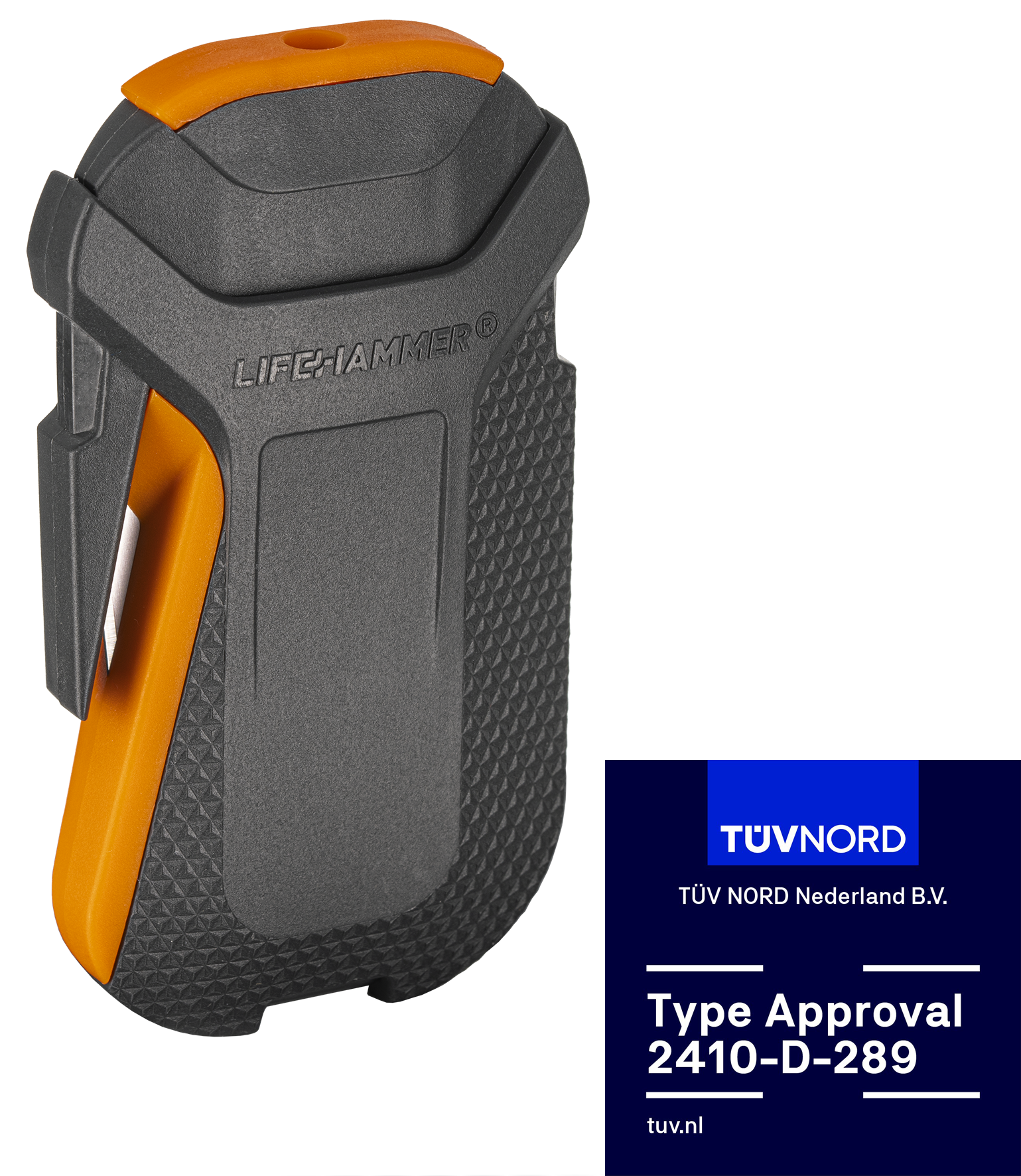
A seatbelt cutter and window-breaking tool deserve particular attention here. In a roadside emergency, an older passenger may not have the strength or coordination to release a jammed seatbelt or break a tempered side window unaided. Having a compact, accessible escape tool within reach of both front and rear seats means you are not relying on strength or composure in a high-stress moment.
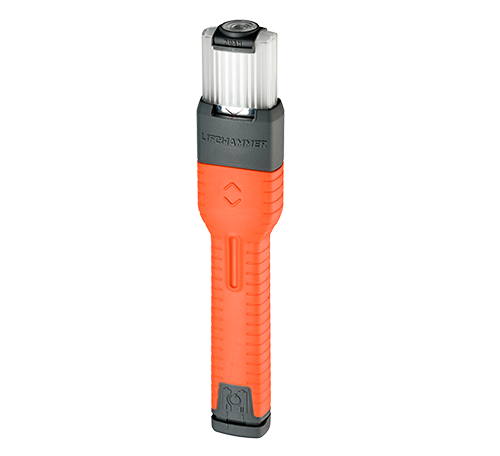
A reflective safety vest is useful if you need to stop on a hard shoulder or in a poorly lit area. Look for one that stores flat and deploys quickly, so it is actually used rather than left in the boot. Similarly, a torch with a reliable battery is worth having, particularly if you are driving into the evening.
Should an elderly person drive themselves on a long trip?
Whether an elderly person should drive themselves on a long trip depends on their current health, vision, reaction times, and whether any medications affect their ability to drive safely. Age alone is not a disqualifier, but a long solo drive raises the stakes if any of those factors are in question.
The honest conversation to have is not about age but about specific capabilities. Can they comfortably drive for 90 minutes without fatigue? Do they have the vision and reaction time to handle motorway speeds and unexpected situations? Are any of their medications listed as affecting driving? These are the questions that matter.
If there is any doubt, the better option is to travel together or to break the journey into shorter stages with an overnight stop. Many older drivers are entirely capable of managing shorter legs of a trip even if a full-day drive is no longer realistic. There is no single answer, but the decision should be based on an honest assessment rather than politeness.
If your parent is determined to drive independently, encourage them to share their route and check-in times with someone, carry a charged mobile phone, and take breaks more frequently than they think they need.
How Lifehammer® supports you when driving with elderly relatives
At Lifehammer® we have been developing vehicle safety tools since 1983, and road trip preparation is exactly the kind of situation our products are designed for. When you are responsible for an older passenger, having the right equipment within reach is part of planning the journey properly.
- Our Safety Hammer SMART uses a ceramic pin as its striking mechanism to break tempered side windows and includes a seatbelt cutter. It attaches using 3M VHB double-sided adhesive tape, so you can position it within easy reach without tools. This makes it a practical option for drivers who want an accessible escape tool for themselves and their passengers.
- Our Safety Vest Ultra comes in an ultra-flat vacuum pack that stores discreetly under any floor mat and decompresses immediately on opening. It is one-size-fits-all and suitable for drivers and passengers alike, including older passengers who may need to exit the vehicle on a hard shoulder.
- All Lifehammer® safety hammers are TÜV certified and trusted by first responders and fleet operators across Europe. That same reliability applies whether you are a professional or a family driver preparing for a long trip.
If you have questions about which products are right for your car or your journey, our Q&A section covers the most common topics in straightforward detail.