 English
 Nederlands
 Deutsch




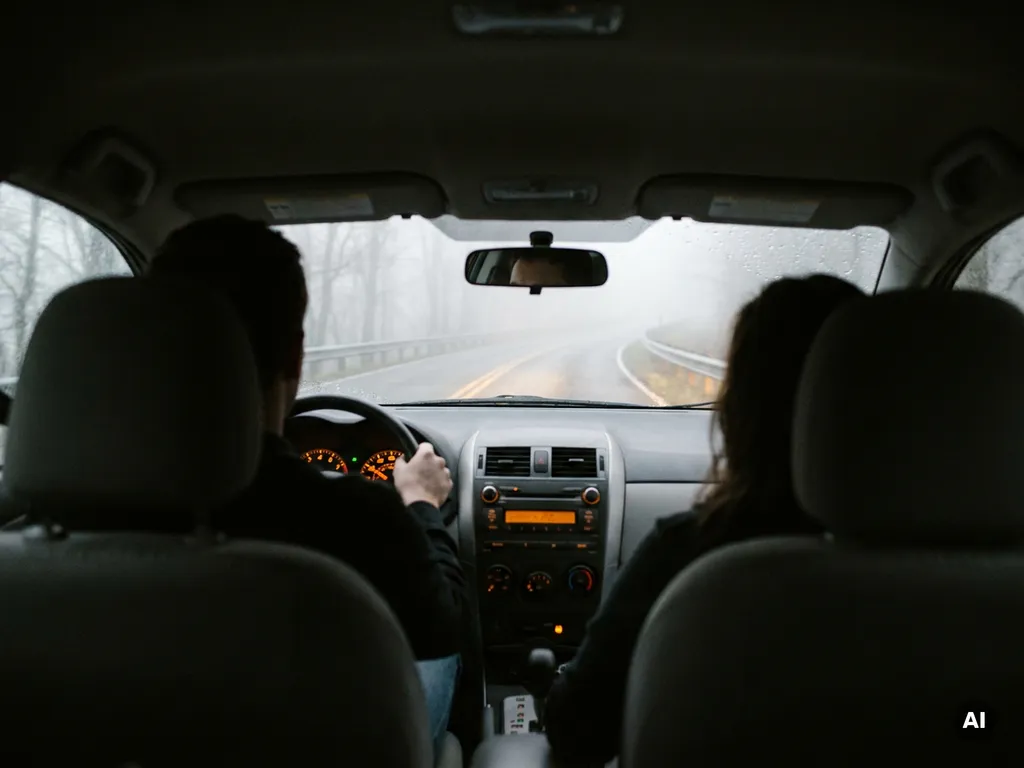
Fog can appear with almost no warning. One moment visibility is clear; the next, a thick bank has rolled in and you can barely see the car ahead. Knowing what to do in fog before it happens means you can respond calmly and correctly rather than reacting on instinct. This guide walks you through the practical steps for driving in fog safely, from adjusting your speed to keeping the right gear within reach.
Slow down and create safe following distance
Reduce your speed as soon as fog begins to affect your visibility. This is the single most important action you can take when fog driving conditions develop, because stopping distances remain the same even when you can see far less of the road ahead. Your speed should reflect what you can actually see, not what the speed limit allows.
- Ease off the accelerator gradually rather than braking sharply, so drivers behind you have time to react.
- Increase your following distance to at least double what you would normally keep in clear conditions.
- Use the two-second rule as a minimum baseline and extend it further if visibility is poor.
Once you have reduced your speed and created a safe gap, you are in a much better position to respond to anything that appears ahead. A common mistake is maintaining motorway speeds while trusting that other drivers are doing the same. In fog, that assumption can be dangerous. Drive at a pace that gives you enough time to stop.
Switch on the correct lights and avoid common mistakes
Lighting is one of the areas where drivers most frequently make errors in foggy weather driving. The goal is to be seen without creating glare that makes conditions worse for everyone else on the road.
- Turn on your dipped headlights. These are the right choice for fog because they project light low and forward without bouncing back off the fog bank the way full beam does.
- Activate your rear fog lights. These are designed specifically for low-visibility conditions and make your vehicle visible from behind at a much greater distance.
- Switch off your front fog lights if visibility improves. Using them in clear conditions dazzles other drivers and is illegal in many European countries.
Never use full beam headlights in fog. The light reflects off the water droplets in the air and creates a wall of white glare that actually reduces how far you can see. Dipped headlights cut through far more effectively. If your car has automatic lights, check manually that the correct lights are active rather than assuming the system has responded to the conditions.
Navigate safely when visibility drops to near zero
Dense fog that reduces visibility to a very short distance requires a different approach entirely. If you can see only a few metres ahead, the road ahead is effectively unknown. Your priority shifts from making progress to maintaining safety at all costs.
- Pull your speed down significantly, to a level where you can stop within the distance you can see.
- Use the white line at the edge of the road as a guide if you cannot see the centre line clearly. This keeps you positioned correctly without requiring you to see far ahead.
- Wind down your window slightly at junctions and crossroads so you can listen for approaching traffic you cannot see.
- Avoid stopping on the road unless you have no other option. If you must stop, move as far off the road as possible and switch on your hazard lights.
Resist the temptation to follow the tail lights of the vehicle ahead too closely. It feels reassuring to have a reference point in near-zero visibility, but it creates a false sense of security and removes your ability to stop independently. Keep a proper gap even when the instinct is to close it.
Watch for fog patches and changing conditions
Fog rarely behaves uniformly. On rural roads, near rivers, in valleys, and at dawn, you will often encounter patches of dense fog separated by stretches of clear air. This pattern is one of the more demanding aspects of foggy weather driving because conditions can change within seconds.
- Do not accelerate when you exit a fog patch. Visibility may drop again immediately around the next bend or in the next dip in the road.
- Stay alert to the temperature and terrain. Fog tends to settle in low-lying areas and near water, so anticipate it before you reach those points.
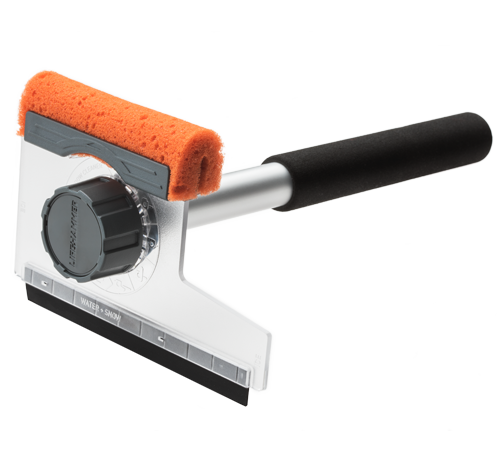
- Keep your windscreen clear at all times. Fog deposits moisture on glass, and a dirty or smeared screen makes visibility far worse than it needs to be. Use your air conditioning to demist from the inside and your wipers to clear the outside.
Changing conditions also mean your lights may need adjusting as you move in and out of patches. Stay attentive to what your lights are doing relative to visibility, and adjust them as conditions shift. The goal is always to be visible to others without causing glare.
Keep essential safety gear within reach before you drive
Good preparation before you set off is what separates a stressful journey from a controlled one. If you are driving in conditions where fog is likely, a few minutes of preparation make a real difference to how you handle whatever the road presents.
- Check that your lights are all working, including rear fog lights, before you leave.
- Make sure your windscreen is clean inside and out. A clean screen in fog is far more useful than any driving technique.
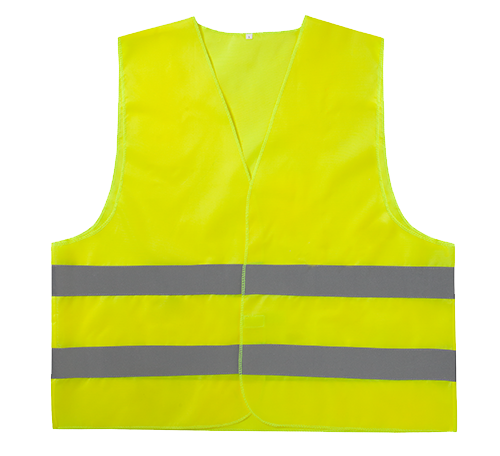
- Carry a high-visibility vest that you can put on quickly if you need to exit the vehicle at the roadside. In low-visibility conditions, being seen by other drivers is important the moment you step outside the car.
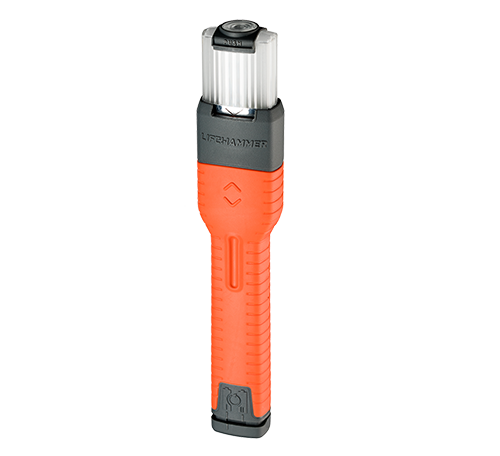
- Keep a torch within reach. If you break down in fog, you need to signal your position clearly.
The time to check these things is before conditions deteriorate, not once you are already in the middle of a fog bank. A few minutes at the start of a journey removes a significant number of variables if something unexpected happens later on.
How Lifehammer® supports you with driving in fog
At Lifehammer® we have been developing vehicle safety tools since 1983, and foggy driving conditions are exactly the kind of situation our products are built around. Reduced visibility, unexpected stops, and the need to be seen by others are all scenarios we have thought carefully about when designing our range.
- Our Safety Vest Ultra comes in an ultra-flat vacuum pack that stores discreetly under any floor mat and decompresses immediately on opening. In fog, if you need to exit your vehicle at the roadside, putting on a high-visibility vest immediately makes you visible to approaching traffic. It is one-size-fits-all and suitable for drivers and passengers alike.
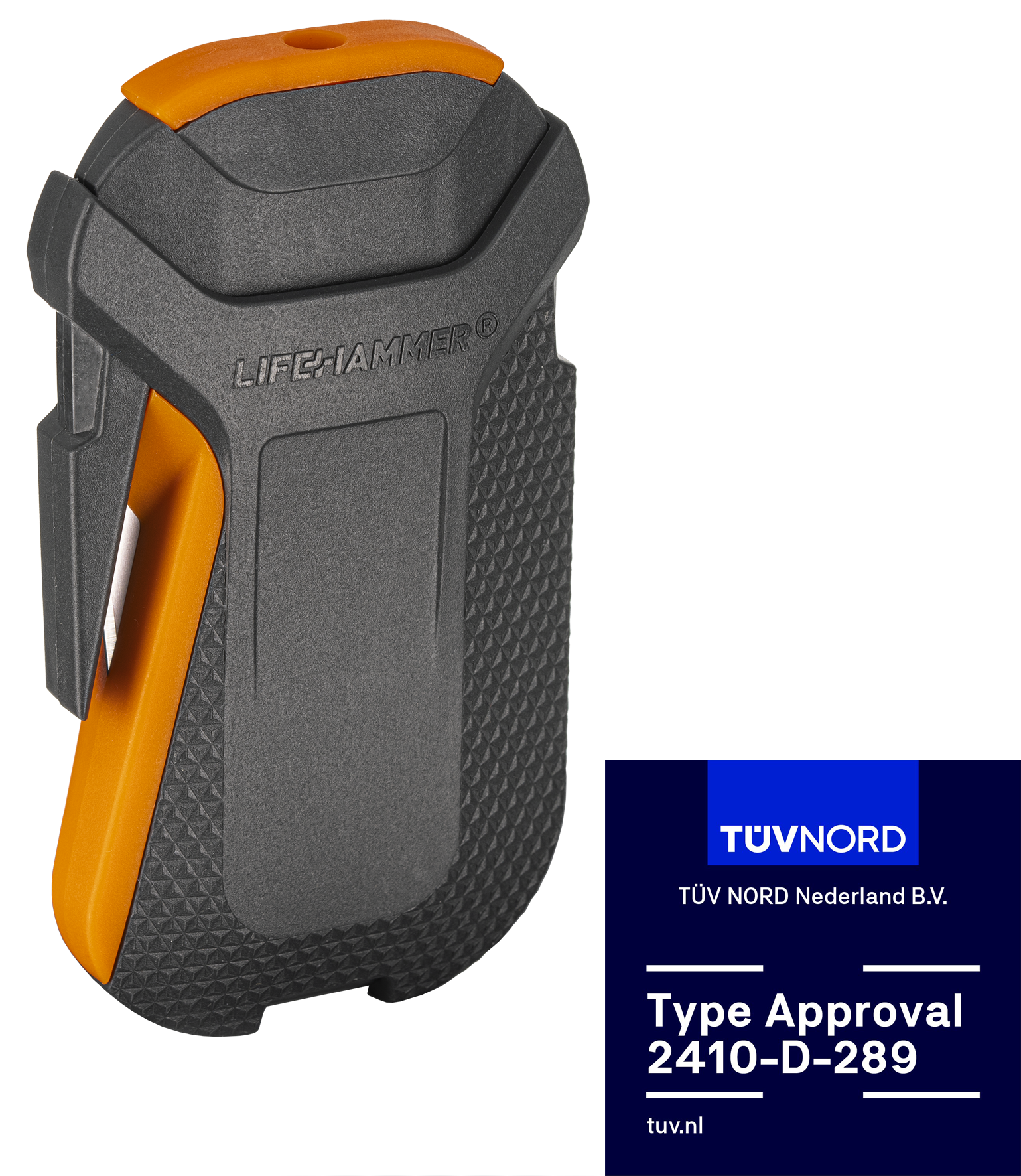
- Our safety hammer range includes four models. The Classic and Plus use a manual hardened carbon steel hammerhead; the Evolution and Smart use an automatic ceramic hammerhead. All four cut seatbelts and break tempered side windows, giving you a reliable exit option if you ever need it.
- All Lifehammer® safety hammers are TÜV certified and trusted by first responders and fleet operators across Europe.
If you have questions about which products are right for your car or the journeys you regularly make, our Q&A section covers the most common topics in straightforward detail. You can also find our products on Amazon if you prefer to order directly.