 English
 Nederlands
 Deutsch

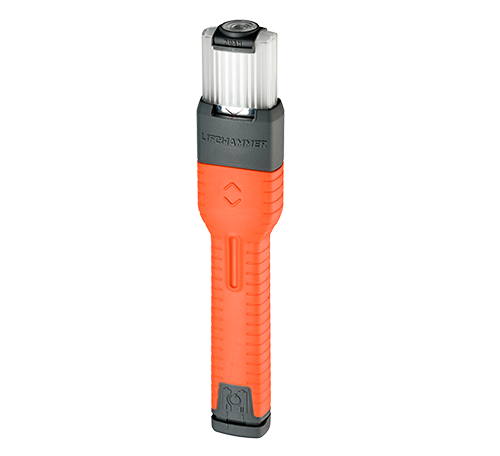
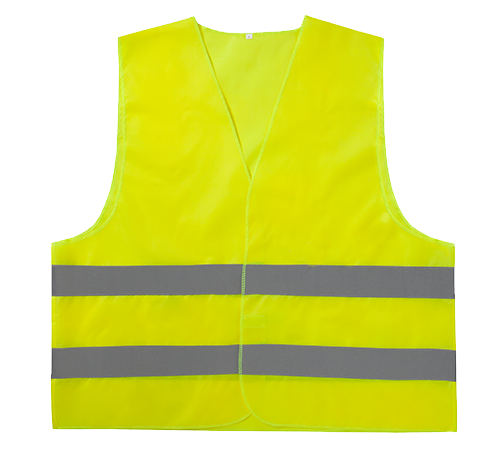
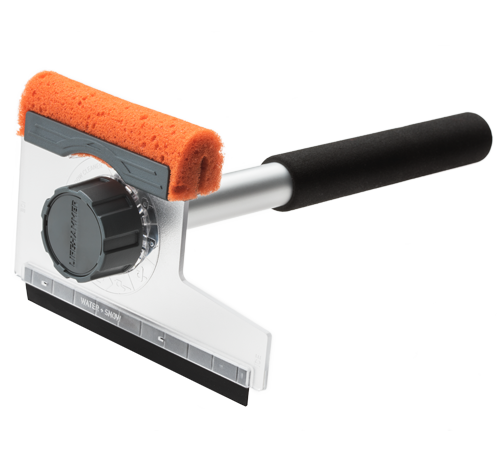



Yes, the requirement to carry a high-visibility vest applies in many European countries to foreign vehicles as well. Anyone driving abroad is legally required in most EU member states to carry a high-visibility vest in their vehicle and to wear it outside the car in the event of a breakdown or accident. However, the exact regulations vary from country to country. The following sections give you a clear overview of the most important rules to be aware of when driving abroad.
In which countries is it mandatory to carry a high-visibility vest in your car?
In most European countries, there is a legal requirement to carry a high-visibility vest in your vehicle and to wear it when necessary. These countries include Germany, Austria, France, Spain, Italy, Portugal, Belgium, the Netherlands, Poland, the Czech Republic, Slovakia, Hungary, Romania, Bulgaria, Croatia, Slovenia, Greece, and Switzerland, among others.
In Germany, the requirement to carry a vest has been enshrined in law since 2014. Drivers heading abroad should be aware that the requirement has been in place considerably longer in many neighboring countries. In Spain, for example, high-visibility vests have been mandatory since 2004, and in France since 2008.
Several countries outside the EU have also introduced similar regulations, including Norway, Serbia, and Turkey. Anyone planning a trip to the United Kingdom should know that there is currently no legal requirement to carry a vest there, though one is still recommended.
What happens if you don’t have a high-visibility vest abroad?
Anyone traveling abroad without a high-visibility vest who is stopped by police or involved in an accident risks receiving a fine. The amount varies considerably from country to country and can be significantly higher than in Germany, where the fine is 15 euros.
In France, for example, violations of the high-visibility vest requirement can be penalized with fines of up to 135 euros. In Spain, fines of up to 200 euros are possible if a vest is not worn following an accident or breakdown. Beyond the financial risk, the absence of a high-visibility vest in an emergency situation on a highway or motorway is above all a safety issue: other road users are far less likely to notice a person who is not wearing one.
What requirements must a high-visibility vest meet abroad?
In most European countries, high-visibility vests must comply with the EN ISO 20471 standard or the older EN 471 standard. These standards specify the minimum amount of reflective material a vest must feature and which signal colors are permitted. Yellow, orange, and red-orange are the common colors that meet these requirements.
High-visibility vests certified in Germany under the current standard are generally recognized in other European countries as well. It is important that the vest actually carries a certification and is not simply a yellow jacket without reflective strips. Inexpensive products without any labeling frequently fail to meet the legal requirements.
Some countries have additional requirements: in Spain, the high-visibility vest must be worn by all vehicle occupants who exit the vehicle onto the roadway. In France, the requirement applies equally to all persons in the vehicle, not just the driver. Check the specific regulations of your destination country before you travel.
How many high-visibility vests should you take on a trip abroad?
As a general rule, it is advisable to bring one high-visibility vest for each person in the vehicle. In some countries, such as Spain and France, this is even a legal requirement: every occupant who exits the vehicle onto the roadway must wear a high-visibility vest.
Anyone traveling as a couple or with family should plan accordingly and bring two or more vests. A single high-visibility vest is not sufficient in these countries to meet all requirements. Even where there is no explicit requirement for all occupants, it makes practical sense to carry several vests.
Where in the car must the high-visibility vest be stored?
In Germany, the Road Traffic Licensing Regulations require that a high-visibility vest be carried in the vehicle, but do not specify where it must be stored. Abroad, however, some countries have stricter rules.
In Spain and France, the high-visibility vest must be stored in a location that the driver can reach without having to exit the vehicle. This means it must be kept in the passenger compartment, not in the trunk. The reasoning behind this rule is straightforward: in an emergency on a motorway, the driver should be able to put the vest on before getting out of the car.
It is therefore generally advisable to store the high-visibility vest in the glove compartment, in the door pocket, or under the driver’s seat. This ensures it is within easy reach in the event of a breakdown or accident, regardless of which country you are in. Storing the vest in the trunk puts you at risk of a fine in several European countries, even if the vest is technically present in the vehicle.
How Lifehammer® supports you with high-visibility vest requirements abroad
Since 1983, we have been developing TÜV-certified safety products for vehicles that work reliably when they are needed. For trips abroad, we offer exactly what you need to meet high-visibility vest requirements throughout Europe.
- Lifehammer® Safety Vest Ultra: Exceptionally compact and designed to be stored discreetly in the passenger compartment — for example, under the floor mat or in the glove compartment. In an emergency, it is ready for immediate use and meets European standard requirements.
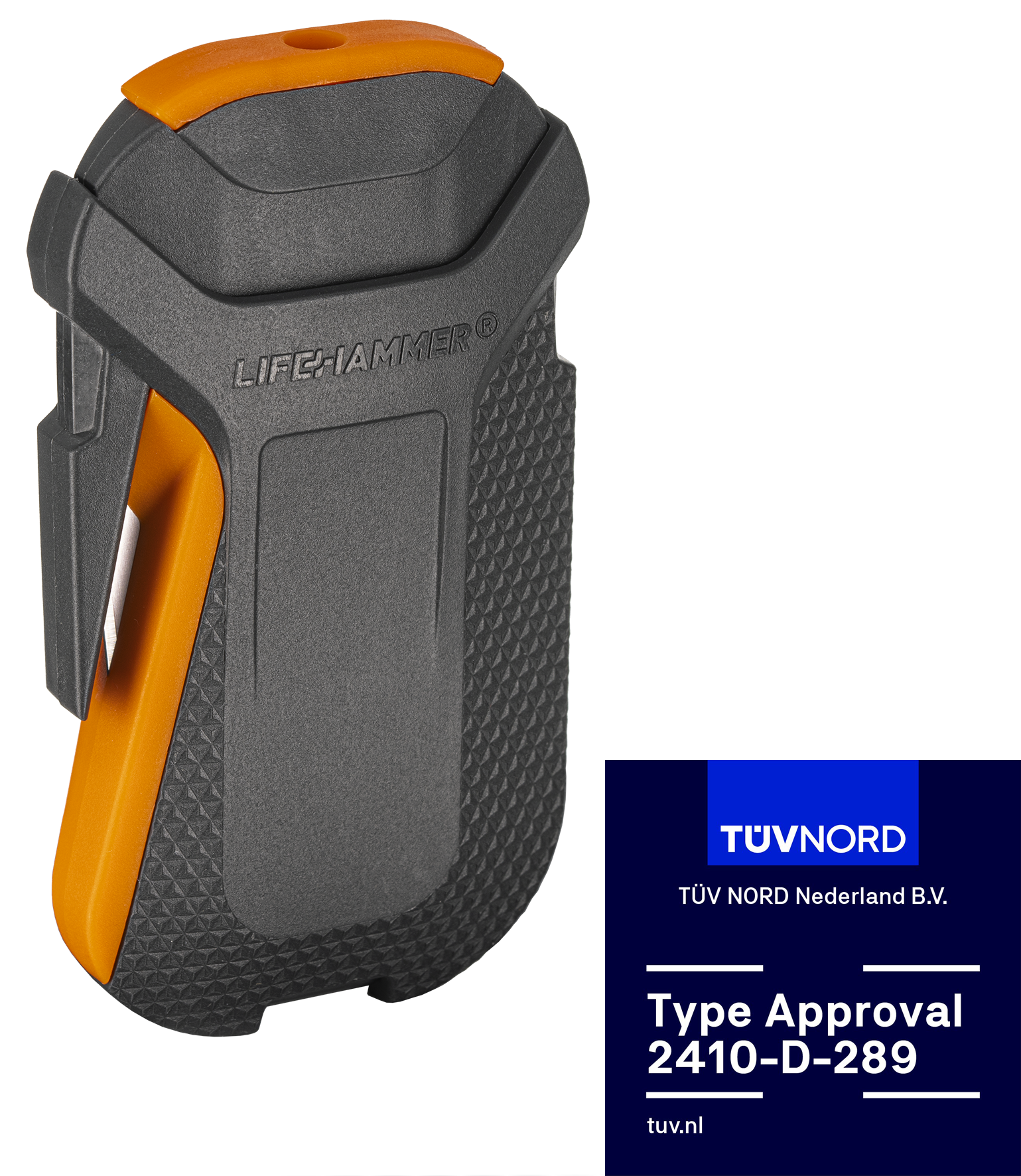
- Four safety hammer models: The Lifehammer® Classic and the Lifehammer® Plus feature a manual hammer head made of hardened carbon steel, while the Lifehammer® Evolution and the Lifehammer® Smart use an automatic ceramic hammer head. All four models are equipped with a seatbelt cutter and reliably shatter side windows made of tempered glass (ESG).
- Trusted by professionals: Our products are used by police, fire departments, and other emergency services — a testament to their reliability.
For more information and answers to frequently asked questions about our products, visit our Questions and Answers section.