 English
 Nederlands
 Deutsch





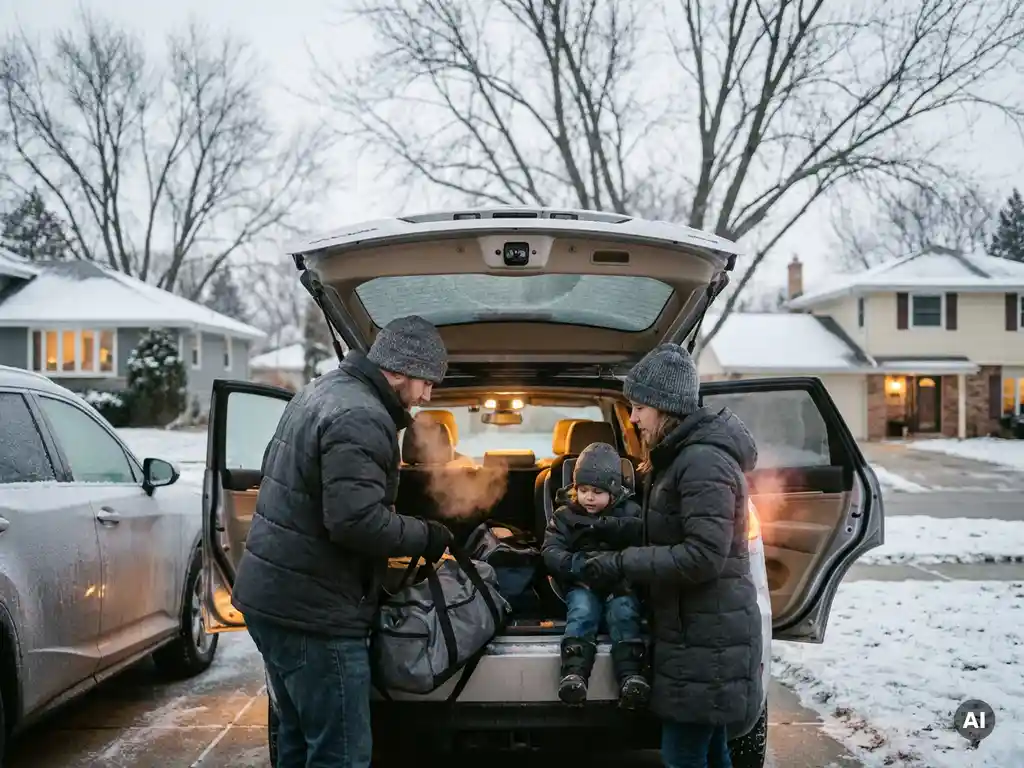
Winter doesn’t announce itself with much warning. One morning the windshield is frosted over, the roads are slick, and your car is running on summer tires and a battery that has been struggling since autumn. Preparing to winterize your vehicle before that first frost arrives is one of the most straightforward things you can do to protect your family and reduce the risk of a breakdown when conditions are at their worst. This checklist covers nine practical steps for winter car preparation that every driver should complete before cold weather sets in.
What winter does to your car before you notice
Cold temperatures affect your vehicle in ways that are easy to overlook until something fails. Battery capacity drops significantly in freezing temperatures, tire pressure decreases with every degree the temperature drops, and fluids that performed reliably in summer can thicken or freeze entirely. The challenge is that most of these changes happen gradually, which means by the time you notice a problem, you are often already dealing with the consequences on a cold road.
A structured vehicle winter checklist removes the guesswork. Working through each system before frost arrives means you are not reacting to failures in difficult conditions. You are preventing them. The nine steps below cover every major area of winter car maintenance, from mechanical systems to emergency preparedness.
1: Switch to winter tires before temperatures drop
Winter tires are the single most impactful change you can make to your vehicle before cold weather arrives. Unlike all-season tires, winter tires are made from a softer rubber compound that remains flexible at low temperatures, maintaining grip on cold, wet, and icy surfaces. The tread pattern is also designed to channel slush and provide biting edges on compacted snow.
The commonly recommended threshold for switching is when average daily temperatures consistently fall below 7 degrees Celsius (45 degrees Fahrenheit). At that point, all-season tires begin to lose their effectiveness even on dry roads. Waiting until the first snowfall means you have already been driving on compromised traction for weeks.
Fit winter tires to all four wheels, not just the drive axle. Mixing tire types creates uneven handling that can make a vehicle difficult to control in an emergency stop or sudden swerve. If you drive in an area with frequent snow or ice, this step alone significantly improves your winter driving safety.
2: Test your battery before cold kills it
A battery that starts your car reliably in September may not have enough power to do the same in January. Cold temperatures reduce a battery’s ability to deliver current, and a unit that is already weakened by age or partial discharge can fail completely on a cold morning without warning.
Most automotive workshops and battery retailers offer free battery testing. The test measures both charge capacity and cold cranking amps, giving you a clear picture of whether the battery has enough reserve for winter conditions. If your battery is three or more years old, testing is especially worthwhile.
If the test reveals a battery that is borderline, replacing it before winter is a straightforward decision. A breakdown caused by a dead battery on a cold, dark morning is one of the most common and most avoidable winter incidents. Keeping a set of quality jump leads in your boot is a useful backup, but a healthy battery is a better starting point.
3: Top up and swap out cold-sensitive fluids
Several fluids in your vehicle are directly affected by cold temperatures, and checking them is a core part of any winter car maintenance routine. Coolant, also called antifreeze, is the most important. It prevents the water in your engine’s cooling system from freezing and expanding, which can cause serious engine damage. Check the concentration with an inexpensive tester and top up with the correct antifreeze mixture if needed.
Windshield washer fluid is easy to overlook but matters significantly in winter. Standard washer fluid can freeze in the reservoir or on the windshield, reducing visibility at exactly the moment you need it most. Switch to a winter-rated formula with a freeze point well below the lowest temperatures you expect to encounter.
Engine oil viscosity also changes with temperature. If you live in a region with very cold winters, check your vehicle’s handbook to see whether a lower-viscosity winter oil is recommended. Brake fluid and power steering fluid should also be at the correct levels before winter driving begins.
4: Inspect brakes for winter road conditions
Braking distances increase substantially on wet, icy, or snow-covered roads, which means your brakes need to be in good condition before winter arrives. Worn brake pads or discs that would be adequate in summer become a safety concern when stopping distances are already longer due to road conditions.
Listen for any squealing, grinding, or vibration when braking, and pay attention to whether the pedal feels different from usual. These are signs that pads or discs may need attention. If your vehicle is due for a service, scheduling it before the first frost ensures brakes are checked as part of a broader inspection.
Brake fluid absorbs moisture over time, which lowers its boiling point and can affect performance. If the fluid has not been changed in the last two years, having it flushed is worthwhile. Clean, properly functioning brakes give you the best possible stopping power when road surfaces are at their most unpredictable.
5: Restore visibility with wipers and defrosters
Clear visibility is non-negotiable in winter driving. Wipers that streak or chatter in rain become a real problem when dealing with sleet, heavy snow, or road spray from other vehicles. Check your wiper blades for any cracking, splitting, or uneven contact with the glass, and replace them if they are not clearing cleanly.
Winter-specific wiper blades are available and worth considering if you regularly drive in snow. They use a rubber boot that prevents ice and snow from packing into the blade frame, which is a common cause of streaking in standard blades during freezing conditions.
Test your front and rear demisters before cold weather arrives. The rear window defroster element is a grid of heated wires embedded in the glass, and individual elements can fail without you noticing. Your front defroster relies on the heating and ventilation system working correctly. Both need to function reliably so you are not driving with compromised visibility on a frosty morning.
6: Check lights for shorter, darker winter days
Winter means shorter days and longer periods of driving in low light or full darkness. This makes functioning lights more important than at any other time of year. Walk around your vehicle and check that all lights are working: headlights on both low and high beam, brake lights, indicators, reversing lights, and fog lights if fitted.
Headlight lenses on older vehicles can become yellowed or hazy over time, which significantly reduces the light output even when the bulb is functioning. Restoration kits are available at most automotive retailers and can make a noticeable difference to how far ahead you can see at night.
Keep your lights clean throughout winter. Road salt, mud, and grime build up quickly on lenses and can reduce their effectiveness. A quick wipe when you fill up with fuel takes seconds and keeps your lights performing as they should.
7: Prepare an emergency kit for winter breakdowns
Even a well-maintained vehicle can break down, and winter conditions make a roadside stop more uncomfortable and more dangerous than at other times of year. Preparing a winter emergency kit means you are equipped to stay safe and signal for help while waiting for assistance.
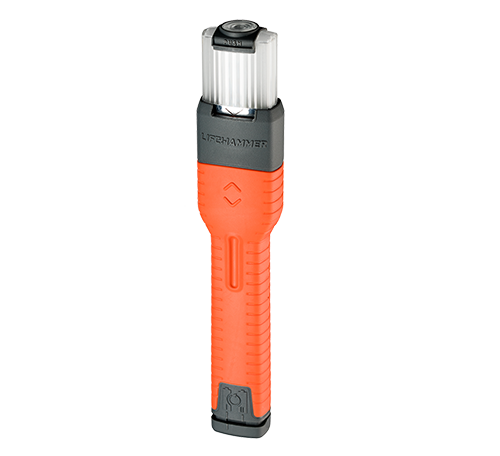
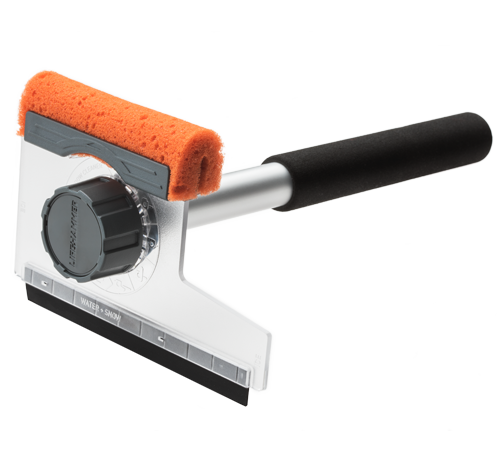
A practical winter kit includes a warm blanket, a high-visibility safety vest, a torch with fresh batteries, a first aid kit, a scraper and de-icer, jump leads, a tow rope, and a small shovel if you drive in areas with heavy snowfall. Bottled water and a few non-perishable snacks are also worth including for longer waits.
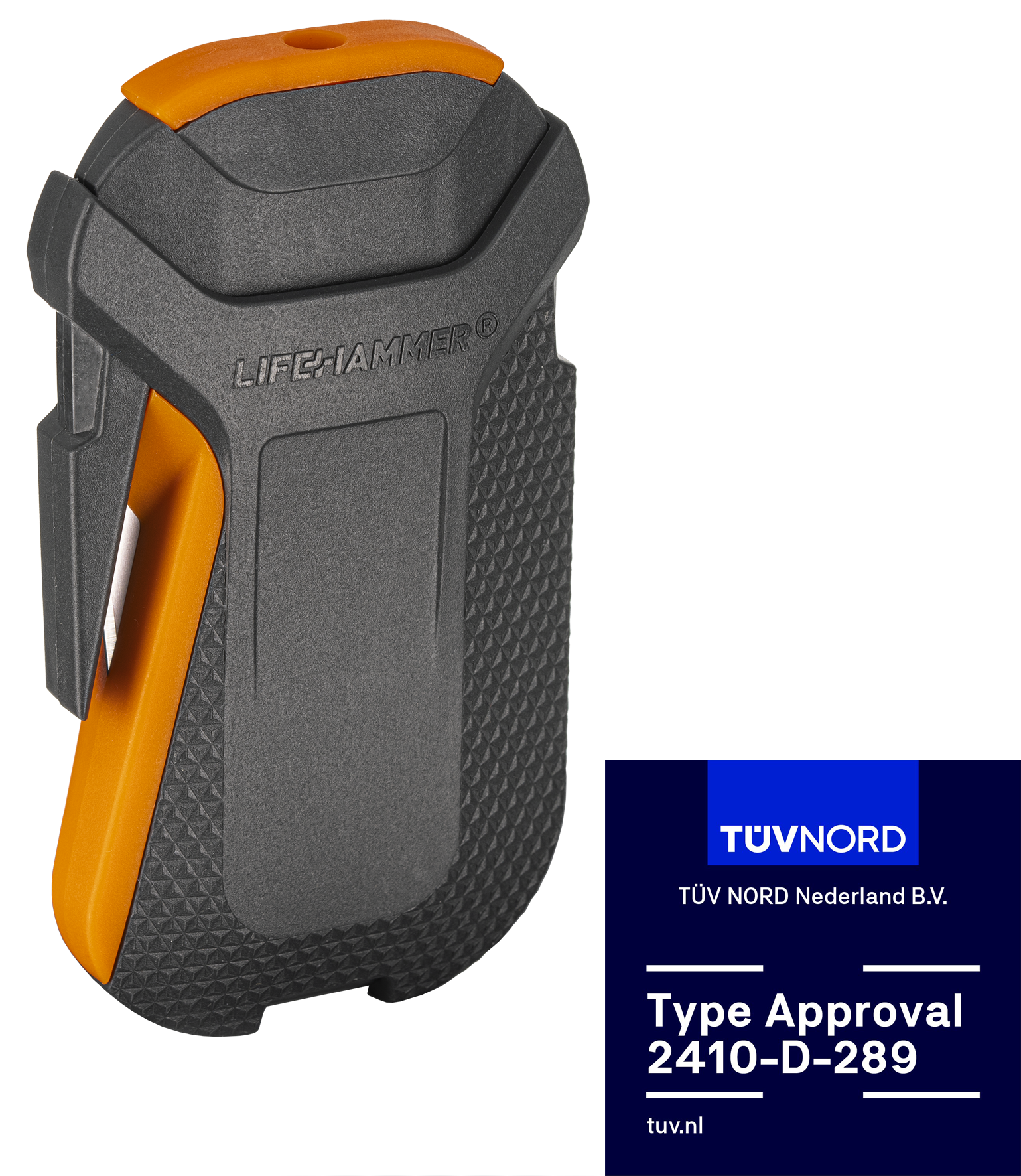
A car escape tool is another item worth keeping within reach. In an emergency where a door cannot be opened or a seatbelt becomes jammed, having a tool that can break a tempered side window and cut through a seatbelt gives you and your passengers a way out. This is particularly relevant for families with children, where every second matters. Keep the kit in an accessible location, not buried under luggage in the boot.
8: Protect your car’s body from salt and ice
Road salt is effective at melting ice, but it accelerates corrosion on your vehicle’s bodywork, undercarriage, and brake components. Winter is one of the most damaging seasons for a car’s exterior, and a little preparation before the season begins can significantly reduce the long-term impact.
Applying a quality wax or paint sealant to the bodywork before winter provides a protective layer between the paint and the elements. Pay particular attention to lower panels, wheel arches, and any areas where the paint is already chipped or thin. Touch up any chips before winter to prevent rust from taking hold.
Wash your vehicle regularly throughout winter, including the undercarriage if your wash facility allows it. Salt accumulates under the car and in wheel wells where it is not always visible. Regular rinsing slows the corrosion process considerably. Applying a rubber or silicone protectant to door seals helps prevent them from freezing shut, which is a simple fix that saves frustration on cold mornings.
9: Does your insurance cover winter incidents?
Before winter driving season begins, it is worth reviewing your insurance policy to understand what is and is not covered in cold-weather scenarios. Policies vary significantly in how they handle incidents related to winter conditions, and knowing the details before something happens is far more useful than discovering gaps afterwards.
Check whether your policy includes roadside breakdown assistance and, if so, what the response times and coverage limits are. Some policies include this as standard; others require it as an add-on. If you drive regularly in remote areas or on routes with limited mobile signal, knowing you have reliable breakdown cover matters.
Also confirm whether your policy covers damage caused by ice, flooding, or storm events. Comprehensive policies typically include these, but the excess and conditions can vary. If you are using winter tires, some insurers require you to notify them. Taking thirty minutes to read through your policy and call your insurer with any questions is a straightforward step that completes your winter preparation properly.
A winterized car is a safer car for every journey
Working through this vehicle winter checklist before the first frost means you are not reacting to problems in difficult conditions. You are preventing them. Each of the nine steps above addresses a specific vulnerability that cold weather creates, and together they give you a vehicle that is ready for whatever winter brings.
The most important outcome of winter car preparation is confidence. Knowing your tires have grip, your battery has capacity, your fluids are correct, and your emergency kit is in place means every journey starts from a position of readiness rather than uncertainty.
How Lifehammer® supports you with winter car safety
At Lifehammer® we have been developing vehicle safety tools since 1983, and winter preparedness is exactly the kind of situation our products are designed for. Whether you are building a winter emergency kit from scratch or adding a reliable escape tool to what you already carry, we focus on tools that are dependable, compact, and genuinely useful when conditions are at their worst.
- Our safety hammer range includes four models. The Classic and Plus use a hardened carbon steel hammerhead; the Safety Hammer Evolution and Smart use an automatic ceramic hammerhead. All four cut seatbelts and break tempered side windows, making them relevant tools for any winter emergency kit.
- The Safety Hammer SMART uses a ceramic pin as its striking mechanism and can be secured using 3M VHB double-sided adhesive tape, allowing you to position it within easy reach in your vehicle. Note: avoid airbag areas when placing it.
- All Lifehammer® safety hammers are TÜV certified and trusted by first responders, fleet operators, and families across Europe. The spring-loaded mechanism requires minimal force, making it usable by adults and children alike, which is particularly relevant when the whole family is in the car.
- Our Safety Vest Ultra comes in an ultra-flat vacuum pack that stores discreetly under any floor mat and decompresses immediately on opening. It is one-size-fits-all and suitable for drivers and passengers alike, making it a practical addition to any winter breakdown kit.
If you have questions about which products are right for your car or your winter setup, our Q&A section covers the most common topics in straightforward detail. You can also find our products on Amazon if you prefer to order there.