 English
 Nederlands
 Deutsch






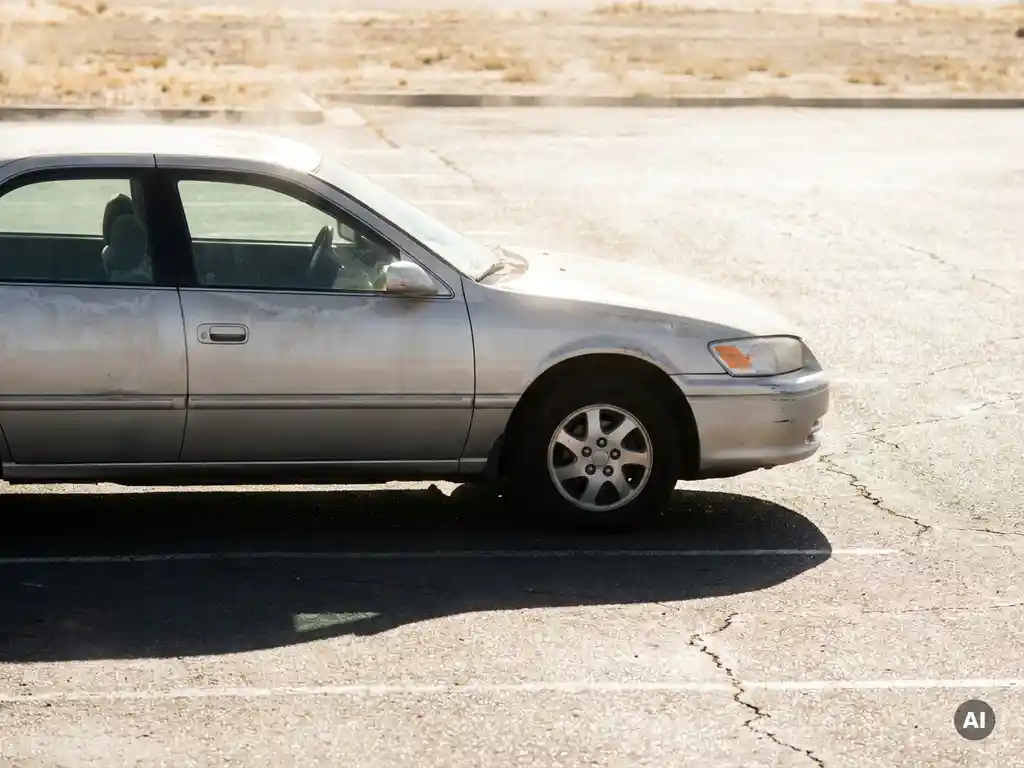
A parked car sitting in direct sun can reach interior temperatures well above what most people expect, and that heat does not just make the cabin uncomfortable. It puts stress on your engine, your cooling system, and the components that keep your vehicle running reliably. The good news is that preventing a parked car from overheating is largely a matter of habit and preparation, not expensive fixes.
This guide walks you through six practical steps to manage your car’s temperature when parked, so you return to a cooler vehicle and protect your engine over the long term.
Park strategically to reduce heat buildup
Choose your parking spot with the sun’s position in mind. Shade is your most effective tool against a parked car overheating, and finding it costs nothing. Look for covered car parks, tree cover, or the shaded side of a building. Even partial shade on the windscreen makes a measurable difference to interior and engine bay temperatures.
- Identify the direction the sun will move during the time you are parked, not just where it is when you arrive.
- Prioritise shade over the front of the car, where the engine bay sits, as well as the windscreen.
- If shade is unavailable, park so the rear of the car faces the sun rather than the windscreen and bonnet.
After parking, check whether the bonnet area is in direct sunlight. If it is, and you have the option to reposition, doing so now takes thirty seconds and can meaningfully reduce the thermal load on your engine and cooling system over the next few hours.
Use window shades and covers to block solar heat
A reflective windscreen shade is one of the most cost-effective ways to stop a car overheating when parked. By reflecting solar radiation before it enters the cabin, a good shade reduces interior temperatures significantly and protects your dashboard from UV degradation at the same time.
- Fit a reflective accordion-style or roll-up shade across the full width of the windscreen before leaving the car.
- For longer stops on very hot days, use side window shades or a full car cover to block heat across all glass surfaces.
- Ensure the shade covers the entire windscreen, including the corners, to avoid heat concentrating through exposed edges.
You should notice a clear difference in how quickly the interior cools when you return. A shaded cabin also means the air conditioning does less work when you restart the engine, which reduces strain on the cooling system immediately after start-up.
Let the engine cool before switching off on hot days
After a long drive in warm weather, your engine is working at a high temperature. Switching off immediately traps that heat with no airflow to dissipate it, a condition sometimes called heat soak. On particularly hot days or after sustained motorway driving, giving the engine a brief idle before switching off helps the cooling system complete its job properly.
- After arriving at your destination following a long or demanding drive, let the engine idle for one to two minutes before switching off.
- Avoid revving the engine during this period. A gentle idle allows coolant to continue circulating and temperatures to stabilise.
- If your car has a temperature gauge, wait until it begins to drop slightly before switching off.
This step is especially relevant if you have been driving in stop-start traffic, towing, or climbing hills, all of which push the cooling system harder than a steady motorway cruise. Giving it a moment to settle before you park protects both the engine and the coolant from unnecessary thermal stress.
Check and maintain coolant levels regularly
Your coolant system is what prevents your engine from overheating while driving, and it needs to be in good condition to do that job effectively. A low or degraded coolant level is one of the most common causes of car temperature management problems, and it is also one of the easiest to address with routine checks.
- Wait until the engine is fully cold before opening the bonnet. Never open the coolant reservoir cap on a warm engine.
- Locate the coolant reservoir, typically a translucent plastic tank near the radiator, and check that the fluid level sits between the minimum and maximum markers.
- Inspect the colour and condition of the coolant. It should be clean and brightly coloured, not brown or murky.
- Top up with the correct coolant type for your vehicle, as specified in your owner’s manual. Never use plain water as a long-term substitute.
Check coolant levels at least every few months and always before a long journey in warm weather. If you find yourself topping up frequently, that points to a leak or a more significant issue that warrants a mechanic’s inspection. Catching this early is far simpler than dealing with an overheated engine on the road.
Crack windows slightly to allow heat to escape
Hot air trapped inside a sealed car has nowhere to go, which causes interior temperatures to climb rapidly. Leaving windows open a small amount, just enough to allow airflow without creating a security risk, helps hot air escape and prevents the cabin from turning into a heat trap.
- Open each window by one to two centimetres before leaving the car. This is enough to allow convection without creating a gap large enough for someone to reach through.
- If your car has a sunroof with a tilt function, use it to create upward ventilation, which is particularly effective at releasing rising hot air.
- Check local weather forecasts before doing this. If rain is likely, a cracked window can cause interior water damage.
Combined with a windscreen shade, cracked windows create a simple passive ventilation system that keeps temperatures noticeably lower. When you return to the car, open all doors briefly before getting in to flush the accumulated hot air out quickly before switching on the air conditioning.
Spot the warning signs before overheating becomes serious
Even with good habits in place, it is worth knowing what to look for when a car’s temperature management is struggling. Catching early warning signs means you can act before a minor issue becomes a breakdown or engine damage.
- Temperature gauge climbing higher than normal: If the gauge is approaching the red zone after start-up or during a short drive, pull over safely and let the engine cool before continuing.
- Steam or vapour from under the bonnet: This usually indicates coolant escaping under pressure. Do not open the bonnet immediately. Wait for the engine to cool before investigating.
- A sweet or unusual smell: A sweet smell from the engine bay often indicates coolant leaking onto hot engine components.
- Warning lights on the dashboard: A temperature warning light should be taken seriously. Stop driving as soon as it is safe to do so.
If you notice any of these signs, the right response is to stop, wait, and assess calmly rather than continuing to drive. Pushing an overheating engine causes damage that is far more costly than a short delay. Once the engine has cooled, check coolant levels and look for any visible leaks before deciding whether it is safe to continue or whether you need assistance.
How Lifehammer® supports you with car safety on the road
At Lifehammer® we have been developing vehicle safety tools since 1983, and being prepared for what can go wrong on or off the road is exactly the kind of situation our products are designed for. Managing car temperature is one part of responsible driving. Having the right safety tools on board is another.
- Our safety hammer range includes four models. The Classic and Plus use a manual hardened carbon steel hammerhead; the Evolution and Smart use an automatic ceramic hammerhead. All four cut seatbelts and break tempered side windows.
- All Lifehammer® safety hammers are TÜV certified and trusted by first responders and fleet operators across Europe.
- Our Safety Vest Ultra comes in an ultra-flat vacuum pack that stores discreetly under any floor mat and decompresses immediately on opening. It is one-size-fits-all and suitable for drivers and passengers alike.
If you have questions about which products suit your vehicle or your driving habits, our Q&A section covers the most common topics in straightforward detail.