 English
 Nederlands
 Deutsch

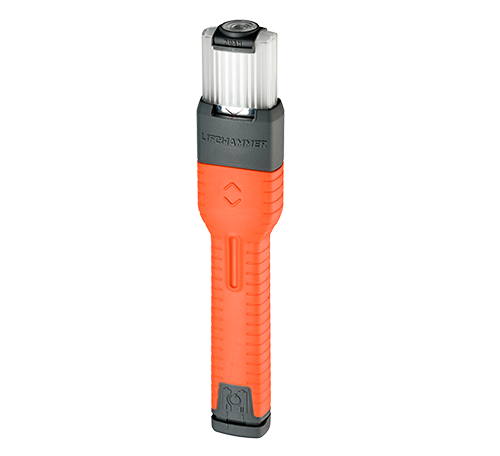


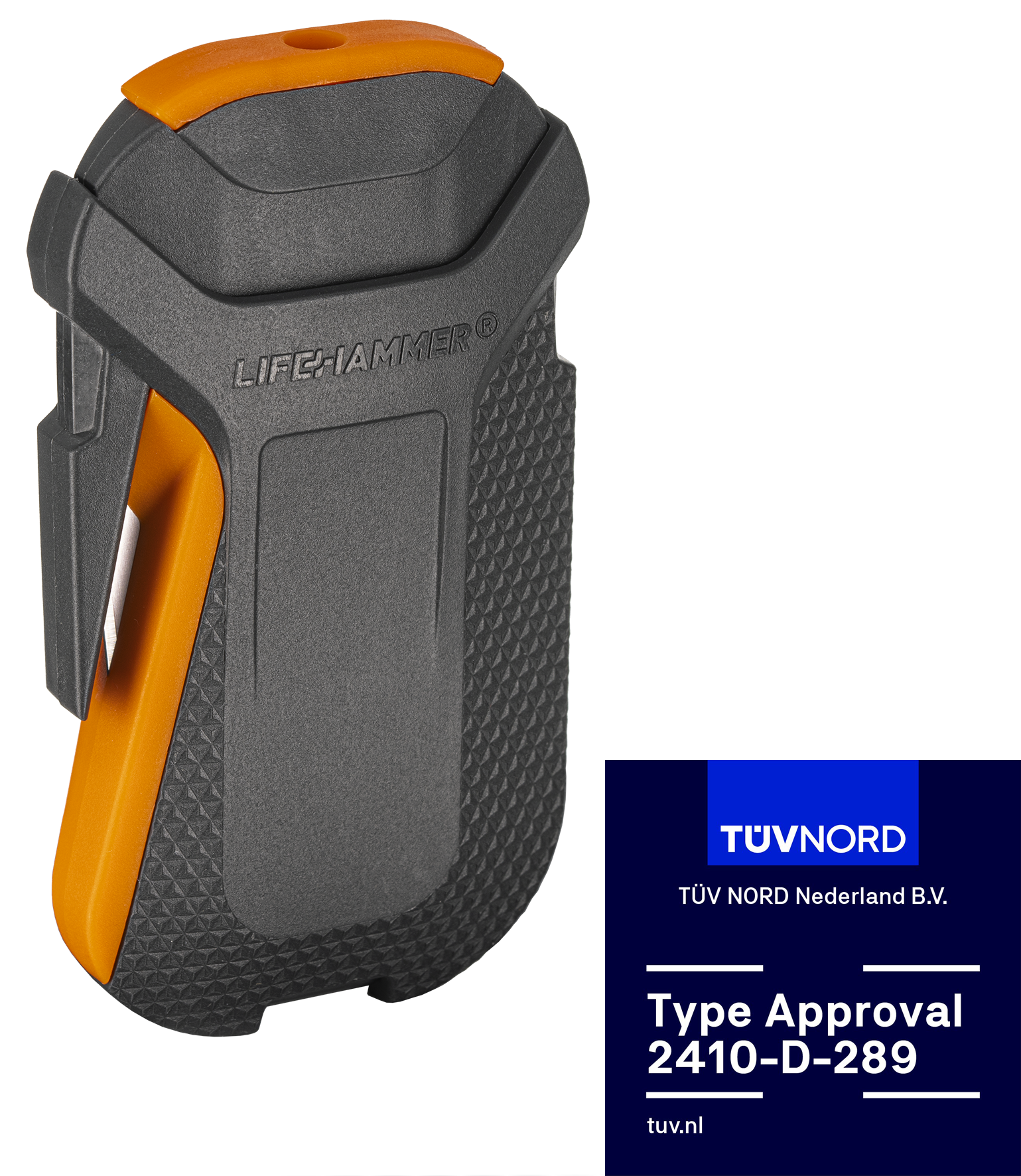



The basic equipment for safe car travel with children includes an appropriate child seat or seatbelt, easily accessible emergency equipment in the trunk, and everything you need to react quickly in unexpected situations. Parents and guardians who regularly travel with children bear a special responsibility for the safety of their passengers. The following questions will help you equip your vehicle safely and thoughtfully, step by step.
Which seatbelts and child seats are required by law?
In Germany, children under 12 years old or shorter than 150 cm must always be transported in a suitable child seat. The seat must be approved for the child’s weight and height and must comply with the current ECE standard or the newer UN Regulation R129 (i-Size). Children in this age group may not be transported without an appropriate seat.
The i-Size standard has been the recommended benchmark for several years because it sets stricter crash protection requirements and mandates rear-facing travel for young children up to at least 15 months of age. Rear-facing seating is demonstrably safer because it distributes the forces of a frontal impact more evenly across the entire body.
For children over 12 years old or at least 150 cm tall, the general seatbelt requirement applies as it does for adults. Important: a belt that is too large, without a properly fitting booster seat, can itself become a source of injury in a collision. As long as the lap belt does not sit low across the hip bones and the shoulder belt runs across the neck rather than the shoulder, a booster seat is advisable.
How safe is a child’s seating position in the car?
The safest seating position for children in the car is on the back seat, rear-facing for as long as possible, and always with the belt correctly fastened or the child seat properly secured. The front passenger seat is only suitable for young children in a rear-facing seat if the front airbag has been deactivated, as a deploying airbag can cause serious injuries.
When installing the child seat, make sure it sits firmly in the vehicle without any movement. Many seats can be connected directly to the vehicle’s structure via the ISOFIX system, which provides a more reliable attachment than the vehicle belt alone. Check after every trip that the seat is still correctly positioned, especially when children get in and out on their own.
Children should not have loose objects within reach during the journey that could become projectiles in the event of sudden braking. Toys, water bottles, and snacks belong in closed bags or the net on the back of the seat — not on the rear parcel shelf or the dashboard.
What should be in the glove compartment when traveling with children?
When traveling with children, the glove compartment should always contain the vehicle documents, a copy of the insurance details, and a brief emergency contact list. A small first aid kit, bandages for minor injuries, and any medication the child requires on a regular basis are also useful additions. These items are within easy reach without having to leave the vehicle.
Many parents underestimate the value of a handwritten emergency contact list. If you are incapacitated after an accident, first responders or emergency services can reach the child’s contacts immediately without having to unlock a secured smartphone. Write the child’s name, age, and doctor’s information, along with at least two emergency contacts, on a laminated card.
For children who regularly need medication, an adequate emergency supply also belongs in the glove compartment, labeled with dosage instructions. This saves time in stressful situations and gives you peace of mind on long journeys.
What emergency equipment should always be in the trunk?
The trunk must contain a first aid kit meeting DIN 13164 standards, a high-visibility vest, and a warning triangle. In addition, a safety hammer with an integrated seatbelt cutter is an important addition, especially when children are in the vehicle. This equipment should be easily accessible and not buried under heavy luggage.
The first aid kit should be checked regularly for completeness and expiration. Bandages, dressings, and disposable gloves have expiration dates that many drivers overlook. Replace expired materials in good time so that the kit is actually usable in an emergency.
A high-visibility vest should be available not just for the driver, but for all occupants. In some EU countries, this is already required by law. If you are traveling with children, make sure to include a child-sized vest that fits well and is clearly visible.
A safety hammer with a seatbelt cutter should be mounted so that it is quickly accessible from the driver’s seat as well — for example, on the driver’s door or the center console. Keeping it in the trunk is only useful if you can actually reach it in time during an emergency.
When should children never be left alone in the car?
Children should never be left alone in the car when there is a risk of overheating, when the vehicle could start moving, or when the child is unable to free themselves or call for help. Even at mild outdoor temperatures, a parked vehicle can heat up to dangerous levels within minutes.
Even short errands — like a quick trip into the supermarket — can take longer than planned. Children under six have no reliable sense of time or danger and can quickly find themselves in a life-threatening situation inside a closed vehicle. This applies even on overcast days or at moderate temperatures.
From a legal standpoint, leaving children alone in a car can be considered a breach of duty of supervision, with possible consequences for parents or accompanying adults. The rule of thumb is simple: if you cannot see the child, they are not safe.
How do you prepare children for emergency situations in the car?
Preparing children for emergency situations in the car means explaining in an age-appropriate way how they should behave if something unexpected happens. This includes staying calm, remaining buckled in, and knowing who to call in an emergency. Children from around six years of age can understand and remember simple steps to follow.
What children should know
Explain to your child that in the event of an accident or breakdown, they should stay seated until an adult tells them it is safe to get out. Show them how to dial the emergency number 911 — or the relevant local emergency number — and practice it together. Children who know what to do react more calmly and quickly.
What you as an adult can prepare
Make sure a safety hammer with a seatbelt cutter is mounted in the vehicle and that you know how to use it. Show older children where the tool is kept, but make it clearly understood that it is only to be used in a genuine emergency. Being prepared means having knowledge, not living in fear.
Also talk through simple rules of behavior for breakdowns on the highway: turn on the hazard lights, put on a vest, wait behind the guardrail. You can practice these routines in a playful way without creating a frightening atmosphere.
How Lifehammer® supports child safety in the car
At Lifehammer®, we develop vehicle safety products that work precisely when it matters most. For families with children, that means reliable tools that are mounted within easy reach and leave no unanswered questions in an emergency.
- The Safety Hammer Evolution features an automatic ceramic breaker pin combined with a seatbelt cutter. Easy installation: no screws required. Attaches to the car door or center console, stays securely in place, and is immediately at hand in an emergency.
- Our high-visibility vest is stored in an ultra-flat vacuum pack that fits under any floor mat. It is one-size-fits-all and instantly accessible in an emergency.
- The Lifehammer® product line includes four models: the Classic and Plus use a manual hardened carbon steel hammerhead; the Evolution and Smart use an automatic ceramic hammerhead. All four feature a seatbelt cutter and reliably break tempered glass side windows.
- All Lifehammer® products are TÜV-certified and have been trusted by first responders for decades.
If you would like to learn more about our products or have questions about the correct installation, you will find all the relevant information on our Questions and Answers page.