 English
 Nederlands
 Deutsch

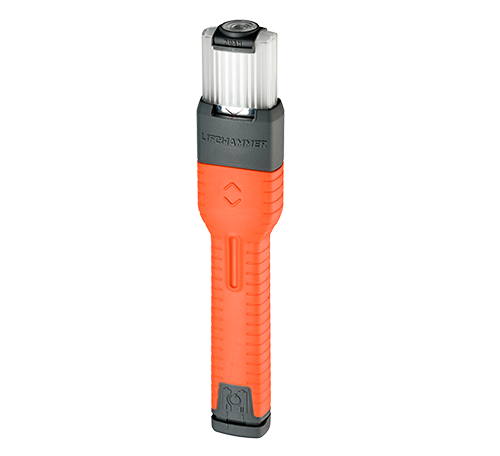


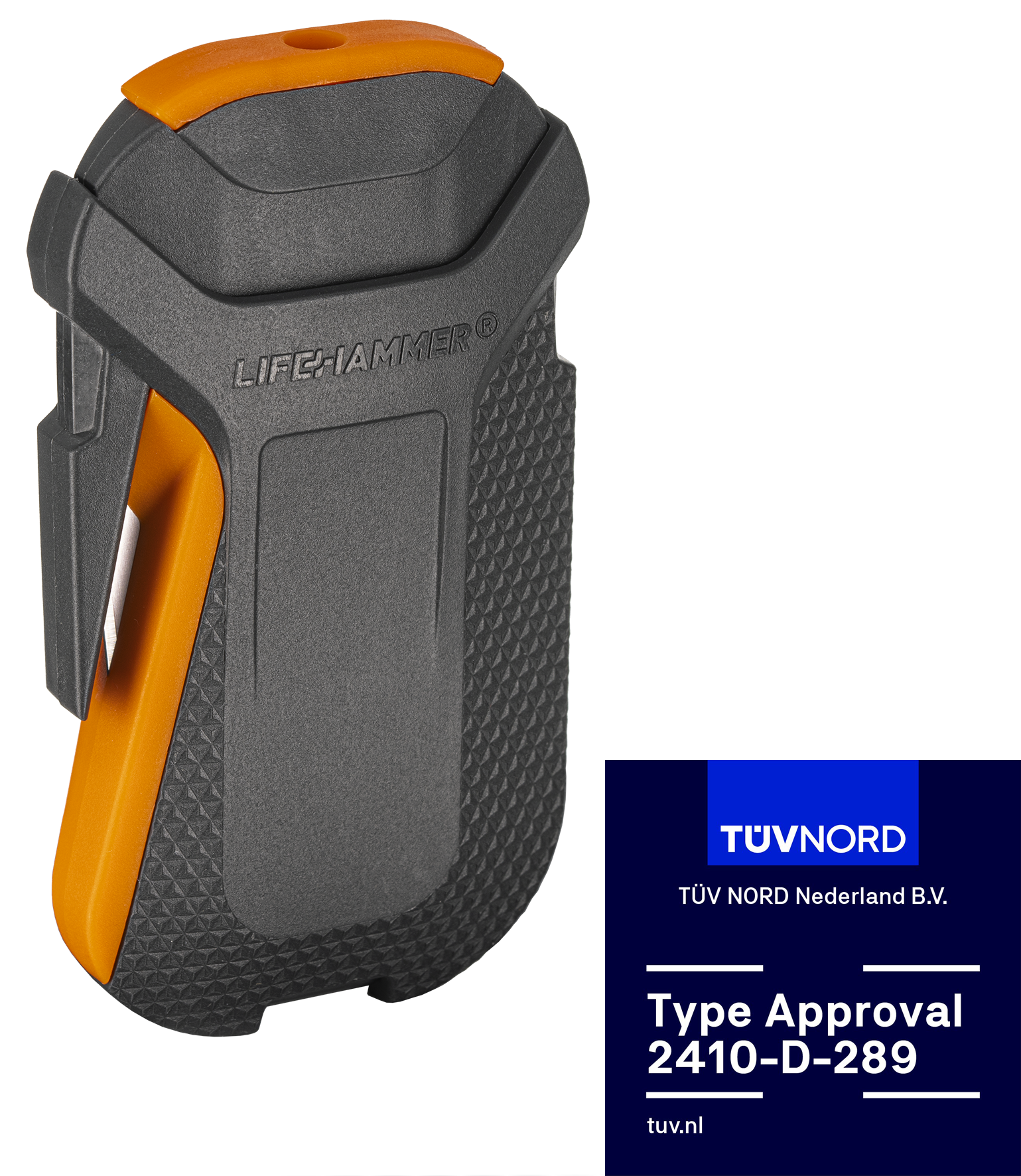



Before a teenager sets off on their first solo road trip, they should know the basics of safe driving over long distances, how to handle unexpected situations like breakdowns, and what to carry in case of an emergency. Preparation makes the difference between a manageable situation and a dangerous one. The questions below cover everything a young driver and their family should think through before the keys are handed over.
What should a teenager pack in a car emergency kit?
A teenager heading out on a solo road trip should pack a car emergency kit that includes a first aid kit, a warning triangle or safety vest, a phone charger, a flashlight, jumper cables, a bottle of water, and a car escape tool. These items cover the most common roadside situations and keep a young driver prepared without overcomplicating the process.
The goal of an emergency kit is not to prepare for every possible catastrophe but to handle the situations that are actually likely to occur. A flat tyre is far more probable than a multi-car collision, so a tyre inflator or, at minimum, the knowledge of where the spare wheel is stored matters more than most people think. A portable phone charger is often overlooked but is one of the most practical items in any kit, since a dead battery removes the ability to call for help entirely.
A safety vest is worth including for any situation where the teenager needs to step out of the vehicle on a road or motorway. Being visible to other drivers is a basic but genuinely important layer of protection. For families building a road trip checklist for teens, this kit forms the foundation of responsible preparation.
What are the most common dangers teen drivers face on long drives?
The most common dangers teen drivers face on long drives are driver fatigue, distraction from phones or passengers, unfamiliarity with motorway driving, and misjudging speed or following distance. These risks are not unique to teenagers, but they are more pronounced for new drivers who have not yet built the experience to manage them automatically.
Fatigue is particularly underestimated by young drivers. The body does not always signal tiredness with obvious warning signs, and a teenager who has been driving for two or three hours on a monotonous motorway may feel alert while their reaction time has already slowed. The practical response is simple: plan regular stops every 90 to 120 minutes, get out of the car, and move around.
Distraction is the other major factor. Even a brief glance at a phone screen at motorway speed covers a significant distance without the driver’s eyes on the road. Teens should put their phone on silent and out of reach before starting the engine, using a hands-free mount only if navigation is needed. Travelling alone removes the social pressure of passengers, but it can also mean more temptation to check messages out of boredom.
How should a teenager handle a car breakdown alone?
If a teenager experiences a car breakdown alone, they should move the vehicle as far off the road as safely possible, switch on hazard lights immediately, and call for roadside assistance or a parent before attempting anything else. Staying calm and staying safe takes priority over trying to fix the problem independently.
Once the car is stopped and hazard lights are on, the next step depends on location. On a motorway or fast road, it is safer to exit the vehicle from the passenger side away from traffic and wait behind a barrier if one is present. On a quieter road, staying inside the locked car with the seatbelt fastened is often the safer option while waiting for help to arrive.
Teenagers should have the roadside assistance number saved in their phone before they leave, along with a parent or trusted adult who knows the route. A brief check-in plan, agreed in advance, means that if contact is lost unexpectedly, someone knows to take action. This kind of preparation does not require anything complicated. It just requires thinking it through before departure.
How does a car escape tool work and when should it be used?
A car escape tool is a compact device designed to break tempered side window glass and cut through a jammed seatbelt. It is used when a driver or passenger cannot exit a vehicle through the door after an accident, typically because of a jammed door, a malfunctioning lock, or a seatbelt that will not release. It should be kept within easy reach of the driver’s seat at all times.
The tool works in two ways. The window-breaking end uses either a hardened steel head or a ceramic pin to strike the corner of a tempered glass side window with concentrated force, shattering it so occupants can climb out. The seatbelt cutter is a recessed blade that slices through the belt fabric quickly without requiring significant strength. Both functions are designed to work under stress, when fine motor control is reduced and time matters.
It is worth understanding that these tools are specifically designed for tempered glass, which is the type used in most car side windows. Windscreens are typically made of laminated glass, which cannot be broken with a standard safety hammer. Knowing this distinction in advance means a teenager will instinctively reach for the side window rather than wasting time on the windscreen in an emergency.
For car safety for young drivers, an emergency car escape tool is one of the most practical additions to any vehicle. It requires no training to use and takes up almost no space, making it a straightforward item to include in any road trip checklist for teens.
Should teenagers drive at night on their first solo road trip?
Teenagers should avoid driving at night on their very first solo road trip if possible. Night driving introduces reduced visibility, greater fatigue risk, and a higher concentration of impaired drivers on the road, all of which require a level of experience that most first-time solo drivers have not yet developed. Planning the route to arrive before dark is a practical and sensible approach.
This is not a permanent restriction. Night driving is a skill that develops with practice, and teenagers who have driven at night with a supervising adult will have a better foundation than those who have not. But a first solo long-distance trip already introduces enough new variables. Adding darkness to the mix increases the cognitive load significantly.
If the route or timing makes some night driving unavoidable, teenagers should ensure their headlights are working correctly before departure, keep the windscreen clean for maximum visibility, and plan a stop if they feel any sign of tiredness. Driving tired at night is one of the higher-risk combinations for any driver, regardless of age.
What should a teenager tell their parents before leaving on a road trip?
Before leaving on a solo road trip, a teenager should share their planned route, estimated arrival time, any planned stops, and the contact number for roadside assistance. Agreeing on a simple check-in schedule, such as a message at each stop, gives parents a clear picture of progress without requiring constant contact.
This is not about surveillance. It is about having a safety net. If something unexpected happens and the teenager cannot make contact, a parent who knows the route and the timeline can act quickly rather than spending hours wondering whether to be concerned. A shared location on a phone app can serve the same function without requiring active communication.
Teenagers should also let their parents know the condition of the vehicle before leaving. Tyre pressure, fuel level, and any warning lights are worth checking together the evening before. A car that has been serviced recently is a more reliable travel companion than one that has been neglected, and parents who are involved in that check are more confident about the journey ahead.
How Lifehammer® supports teen driver safety
We have been developing TÜV-certified vehicle safety products since 1983, built around one principle: reliable tools that work when they are actually needed. For families preparing a young driver for their first solo road trip, our product range offers straightforward, practical solutions.
- Window breaking and seatbelt cutting in one tool: The Lifehammer® Safety Hammer SMART uses a ceramic pin to break tempered side window glass and includes a seatbelt cutter. It mounts easily using 3M VHB double-sided adhesive tape, keeping it within reach without requiring tools or screws.
- Designed for ease of use under stress: Our safety hammers are built so that anyone in the vehicle, regardless of strength or experience, can use them effectively. That reassurance matters when a young driver is travelling alone.
- Visibility when it counts: The Lifehammer® Safety Vest Ultra is compact enough to store under a seat and is immediately ready to use whenever a driver needs to step out of the vehicle on a road or motorway.
- Trusted by professionals: Police officers, firefighters, and first responders have relied on Lifehammer® products for decades. That professional trust reflects the standard we hold our products to.
If you have questions about which product is right for your family’s car, you can find detailed answers in our questions and answers section.