 English
 Nederlands
 Deutsch


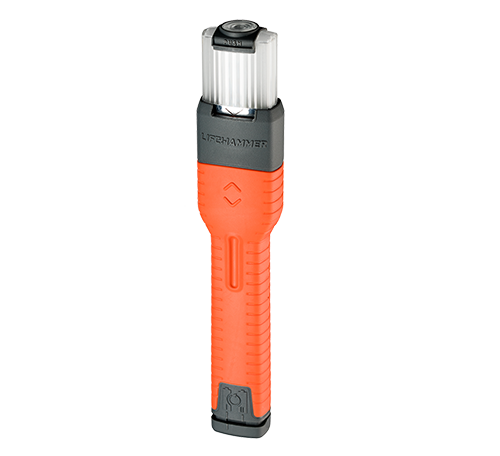

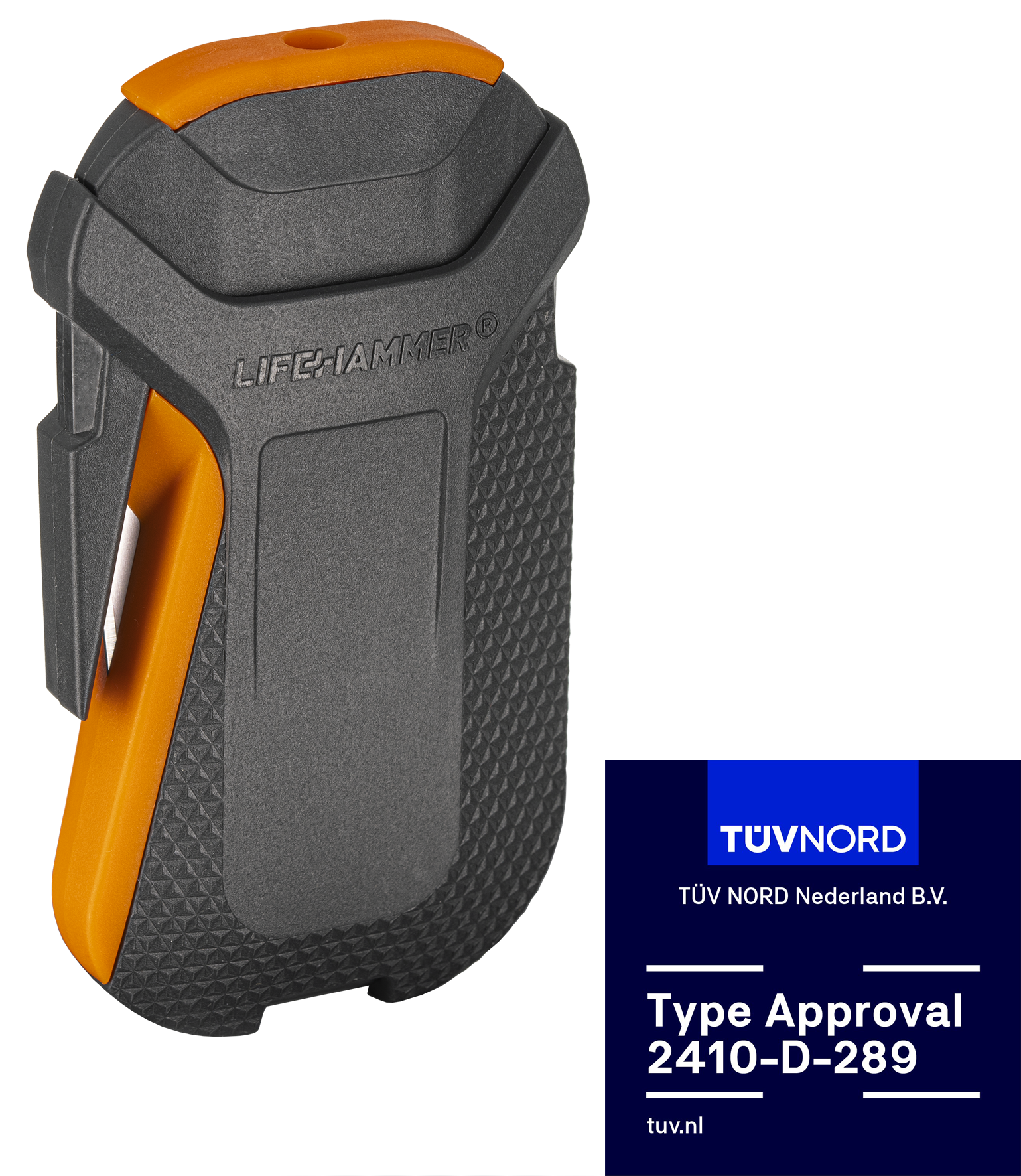



In the seconds after a car crash, the body does not wait for instructions. Before a conscious thought forms, a cascade of biological responses is already reshaping how the brain processes information, weighs options, and controls movement. Understanding what happens inside the mind during that first minute is not about preparing for disaster; it is about recognising a predictable pattern so that preparation can work in your favour.
The relationship between panic and decision-making after a crash is well documented in stress physiology and emergency response research. What emerges from that body of knowledge is both humbling and genuinely useful: panic is not a character flaw; it is a biological event. And like most biological events, it can be anticipated and, to a meaningful degree, managed.
What happens to your brain in the first 60 seconds
The moment the body registers a high-threat event, the amygdala, the part of the brain responsible for processing fear, triggers an immediate stress response. Adrenaline and cortisol flood the bloodstream within seconds. Heart rate spikes, breathing accelerates, and blood is redirected from the prefrontal cortex (the region responsible for rational thought, planning, and fine motor control) toward the large muscle groups.
This is the fight-or-flight response, and it evolved to help humans survive physical threats quickly. In a driving emergency, however, the response creates a serious problem. The actions most needed after a car accident, assessing the situation, locating an exit, operating a seatbelt cutter or door handle, require precisely the kind of calm, deliberate thinking that the stress response suppresses. Fine motor skills degrade. Tunnel vision narrows perception. Time distortion makes seconds feel like minutes or minutes feel like seconds.
The brain is not broken in this state; it is doing exactly what it was designed to do. But what it was designed to do does not always align with what a post-crash situation actually demands.
How panic distorts perception and slows action
One of the least understood effects of acute stress is its impact on perception. Under high adrenaline, the brain prioritises certain sensory inputs and filters out others, a process sometimes called perceptual narrowing. A person in a panicked state may fixate on one detail (a cracked windscreen, a sound, a sensation of pain) while failing to register information that would help them act: an unlocked door, a window that can be broken, a seatbelt release that is within reach.
Memory also becomes unreliable. People who have experienced sudden, high-stress events frequently report difficulty recalling the sequence of events clearly or remembering where objects were located. If someone has never thought about where their car escape tool is stored, the chance of locating it quickly under stress drops significantly. The brain, overwhelmed with incoming signals, defaults to the familiar, and if no familiar plan exists for this situation, it may default to freezing instead.
Slowed action is another direct consequence. Reaction time under stress can paradoxically increase rather than decrease, particularly when a person has no pre-formed response to draw on. The brain enters a kind of decision loop (evaluating options, rejecting them, circling back) while time passes. In a car accident response scenario, that loop can be costly.
Why the first minute is the most critical window
The first 60 seconds after a crash represent the window in which conditions are most likely to be manageable. Fires, flooding, and secondary collisions are all hazards that develop over time. In the immediate aftermath of impact, there is typically a brief period where the vehicle is stable, exits may still be accessible, and the occupant is physically capable of moving.
That window is also when panic is at its most acute. The stress hormones released at the moment of impact peak rapidly. Cognitive impairment is highest in those first moments, before the nervous system begins to regulate itself. This creates a difficult overlap: the time when action matters most is also the time when the capacity to act is most compromised.
Post-crash survival research consistently points to this first minute as the period where preparation makes the greatest difference. Not because panic disappears with preparation, but because a prepared person has fewer decisions to make in real time. The plan already exists. The tool is already within reach. The action is already partially rehearsed.
How pre-loaded habits override panic in an emergency
The human brain stores well-practised actions in a different way from conscious decisions. Habits and procedural memory are processed in the basal ganglia and cerebellum, areas that remain more functional under acute stress than the prefrontal cortex. This is why trained professionals can perform complex tasks under pressure that untrained individuals cannot: the action has been repeated enough times to move from deliberate thought into automatic behaviour.
Emergency responders and military personnel train specifically to exploit this mechanism. By rehearsing responses to high-stress scenarios until they become near-automatic, the brain builds a response pathway that does not require the prefrontal cortex to initiate. When panic hits, the trained response runs almost independently of conscious decision-making.
The same principle applies, in a more modest way, to everyday drivers. Knowing where a car escape tool is located, having handled it before, and understanding how it works: these small acts of preparation create a partial habit loop. Under stress, the brain can find that loop faster than it can construct a new plan from scratch. Familiarity with a tool is not the same as professional training, but it is meaningfully better than encountering it for the first time in a crisis.
Practical steps to reduce panic’s impact before it happens
Reducing the impact of panic after a car crash is not about becoming fearless; it is about reducing the number of unknowns the brain has to process in the moment. Every decision that can be made in advance is one fewer decision that needs to be made under stress.
- Know where your tools are. A car escape tool stored in an inaccessible location provides little benefit in an emergency. Position it somewhere within reach from the driver’s seat: the door pocket, the centre console, or mounted directly on the door frame.
- Handle the tool before you need it. Take a minute to hold it, understand how the seatbelt cutter works, and feel the weight and grip. Familiarity reduces hesitation under stress.
- Have a simple exit plan. Think briefly about which window or door you would use if the primary exit were blocked. This does not need to be elaborate; a single thought, once formed, is easier to retrieve under pressure than a plan constructed from nothing.
- Reduce in-car complexity. Clutter, unfamiliar vehicles, and poorly organised interiors all increase cognitive load in an emergency. A tidy, well-organised car is a small but real advantage.
- Practise calm breathing. Controlled breathing is one of the few tools available to consciously influence the stress response. Even a few slow breaths can begin to reduce the physiological effects of panic. In a post-crash situation, taking a breath before acting is not delay; it is preparation.
None of these steps require significant time or effort. They are, in the truest sense, preparation: small investments made before an event that pay dividends if that event ever occurs. The goal is not to eliminate the fight-or-flight response; that is neither possible nor desirable. The goal is to ensure that when panic arrives, it finds a brain that already knows what to do next.
How Lifehammer® supports you with post-crash decision-making
At Lifehammer®, we have been developing vehicle safety tools since 1983, and the science of panic response is exactly the kind of challenge our products are designed to address. When seconds matter and cognitive load is at its highest, the right tool in the right place can make the difference between hesitation and action.
- Our safety hammer range includes four models built for instinctive use under stress. The Safety Hammer SMART uses a ceramic pin as its striking mechanism and can be mounted within easy reach using 3M VHB double-sided adhesive tape (no tools required). The Classic and Plus models use a hardened carbon steel hammerhead. All four models cut seatbelts and break tempered side windows, and all are designed to be operated by adults and children alike.
- The Safety Hammer Evolution features a ceramic hammerhead and has received international recognition including the Red Dot Design Award; it is a product that combines reliable function with thoughtful design.
- All Lifehammer® safety hammers are TÜV certified and trusted by first responders, firefighters, and fleet operators across Europe. That professional trust reflects the same reliability that matters to everyday drivers.
- Mounting your tool correctly is part of the preparation. Positioning it within reach from the driver’s seat, before an emergency, is one of the most practical steps you can take to reduce response time when it counts.
If you have questions about which model suits your vehicle or how to position it for the fastest access, our Q&A section covers the most common topics in straightforward detail. You can also find Lifehammer® products directly on Amazon if you prefer to order there. Preparation is a decision made before the moment arrives, and it is one of the few decisions that gets easier the earlier you make it.