 English
 Nederlands
 Deutsch

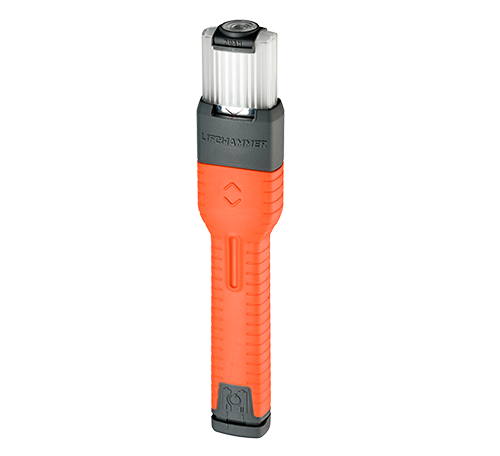

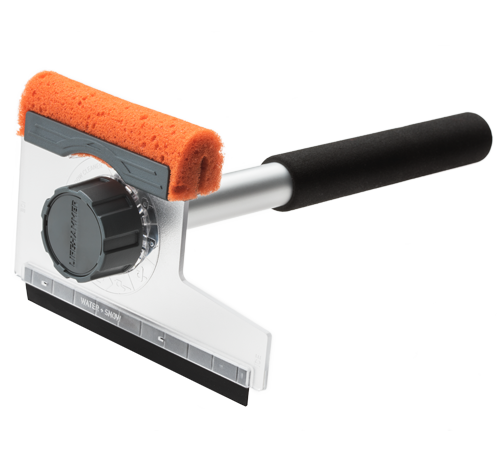



When driving abroad, you typically need to carry your valid driving licence, your vehicle registration document, proof of insurance, your passport or national ID, and an international driving permit if required by your destination country. The exact combination depends on where you are going and where you hold your licence. This article works through each of those requirements in detail, so you can prepare with confidence before you leave.
Which countries require an international driving permit?
An international driving permit (IDP) is required in countries that do not recognise your home country’s driving licence on its own. If you hold a UK or EU licence and are driving within the European Union or European Economic Area, you do not need an IDP. However, if you are driving in countries such as Japan, the United Arab Emirates, Thailand, or Morocco, an IDP is generally required alongside your standard licence.
The IDP is a multilingual document that translates your licence details into twelve languages, making it readable by traffic police and authorities in countries where your licence may not be understood. It is not a standalone document and must always be carried together with your original driving licence.
If you hold a non-EU licence and plan to drive in Europe, the rules vary by country. Some European countries accept licences from certain non-EU nations directly, while others require an IDP. It is worth checking the specific entry requirements for each country you plan to drive through, not just your final destination, as transit countries may also apply their own rules. Your country’s motoring authority or the embassy of your destination country are the most reliable sources for up-to-date requirements in 2026.
What vehicle documents do you need to drive abroad?
When driving your own vehicle abroad, you need to carry the original vehicle registration document (often called a V5C in the UK or a Zulassungsbescheinigung in Germany), proof of valid insurance, and your driving licence. If you are driving a vehicle that belongs to someone else, a company, or a rental agency, you also need written authorisation from the owner confirming that you have permission to take the vehicle across borders.
Many countries require these documents to be originals or certified copies rather than photographs on your phone. Keeping physical copies in a dedicated document wallet in your glovebox is a practical habit that saves time at border crossings and during roadside checks.
If you are driving a hired vehicle, the rental company will typically provide a rental agreement that serves as your authorisation. Check before you travel whether the rental terms permit cross-border driving, as some agreements restrict this or require advance notice.
Does your car insurance cover you when driving in another country?
Most European car insurance policies provide at least third-party liability cover when driving within the EU, which is the legal minimum required in all EU member states. However, the level of cover you have abroad may be lower than your policy provides at home. A fully comprehensive policy in your home country may revert to third-party only when you cross certain borders, so it is important to check your policy documents before travelling.
Outside the EU, coverage varies significantly. Countries such as Turkey, Morocco, and Ukraine may not be included in your standard policy, and you may need to purchase additional cover or a separate Green Card. The Green Card is an internationally recognised proof of insurance document that confirms your policy meets the minimum requirements of the country you are visiting. While the physical Green Card is no longer mandatory within the EU, some non-EU countries still require it in paper form.
Contact your insurer before your trip to confirm exactly which countries are covered, at what level, and whether a Green Card is needed. Getting this in writing protects you if there is any dispute at the border or after an incident.
What physical items are legally required in your car abroad?
Beyond documents, many countries require drivers to carry specific physical safety items in the vehicle. The requirements differ by country, but several items appear consistently across European regulations. A warning triangle is compulsory in most European countries. A high-visibility vest is required in countries including Spain, France, Italy, Austria, and several others, and in some of these countries the vest must be kept inside the car rather than in the boot, so you can put it on before stepping out of the vehicle.
A first aid kit is legally required in countries including Germany, Austria, and Croatia. A fire extinguisher is required in some Eastern European countries. Headlamp beam deflectors are required in the UK and Ireland when driving on the continent, where traffic drives on the right, to prevent your headlights from dipping into oncoming traffic.
The specific requirements for each country can be checked through your national motoring organisation or the official tourism and transport authority of your destination. Carrying the items most commonly required across Europe — a warning triangle, a high-visibility vest, and a basic first aid kit — covers you for the majority of destinations and is a sensible baseline regardless of the legal minimum.
What happens if you’re stopped by police without the right documents?
If you are stopped by police abroad and cannot produce the required documents, the consequences depend on the country and the nature of the missing document. In most European countries, driving without a valid licence or insurance proof can result in an on-the-spot fine, and in some cases your vehicle may be impounded until the correct documentation is presented. Fines vary considerably by country and can be substantial.
In some countries, police have the authority to require immediate payment of fines at the roadside. In others, a fixed penalty notice is issued and you are given time to pay. Refusing to pay or being unable to do so can escalate the situation significantly, including detention of the vehicle or, in serious cases, the driver.
If you have left a document at home, some countries allow a grace period to present the document at a police station within a set number of days. This is not universal, however, and relying on it is not a sound strategy. The simplest way to avoid any of this is to complete a document check before you leave, which takes no more than a few minutes and removes any uncertainty from the journey.
How should you organise your documents before a trip abroad?
Organising your driving documents before a trip abroad is straightforward if you approach it systematically. The goal is to have every required document physically present, valid for the duration of the trip, and easy to locate quickly at a border crossing or roadside check.
A useful approach is to create a dedicated travel document folder that stays in the car for the duration of the journey. Include the following:
- Your valid driving licence (and IDP if required)
- Your passport or national identity document
- The vehicle registration document
- Proof of insurance, including a Green Card if applicable
- Written authorisation from the vehicle owner if the car is not registered in your name
- Your rental agreement if driving a hired vehicle
- A list of emergency contact numbers, including your insurer’s international helpline
Check expiry dates carefully. A driving licence that expires mid-trip, or insurance that does not cover your full travel dates, can cause serious problems. It is also worth taking photographs of all key documents and storing them securely on your phone or in a cloud service as a backup, in case originals are lost or stolen.
If you are travelling through multiple countries, note the specific requirements for each one and confirm that your documents satisfy all of them. A short checklist prepared at home is far less stressful than trying to recall requirements at a border crossing.
How Lifehammer® supports you on the road abroad
At Lifehammer® we have been developing vehicle safety tools since 1983, and preparing for a journey abroad is exactly the kind of situation our products are designed for. Sorting your documents is one part of being ready for the road. Having the right safety equipment in your car is another.
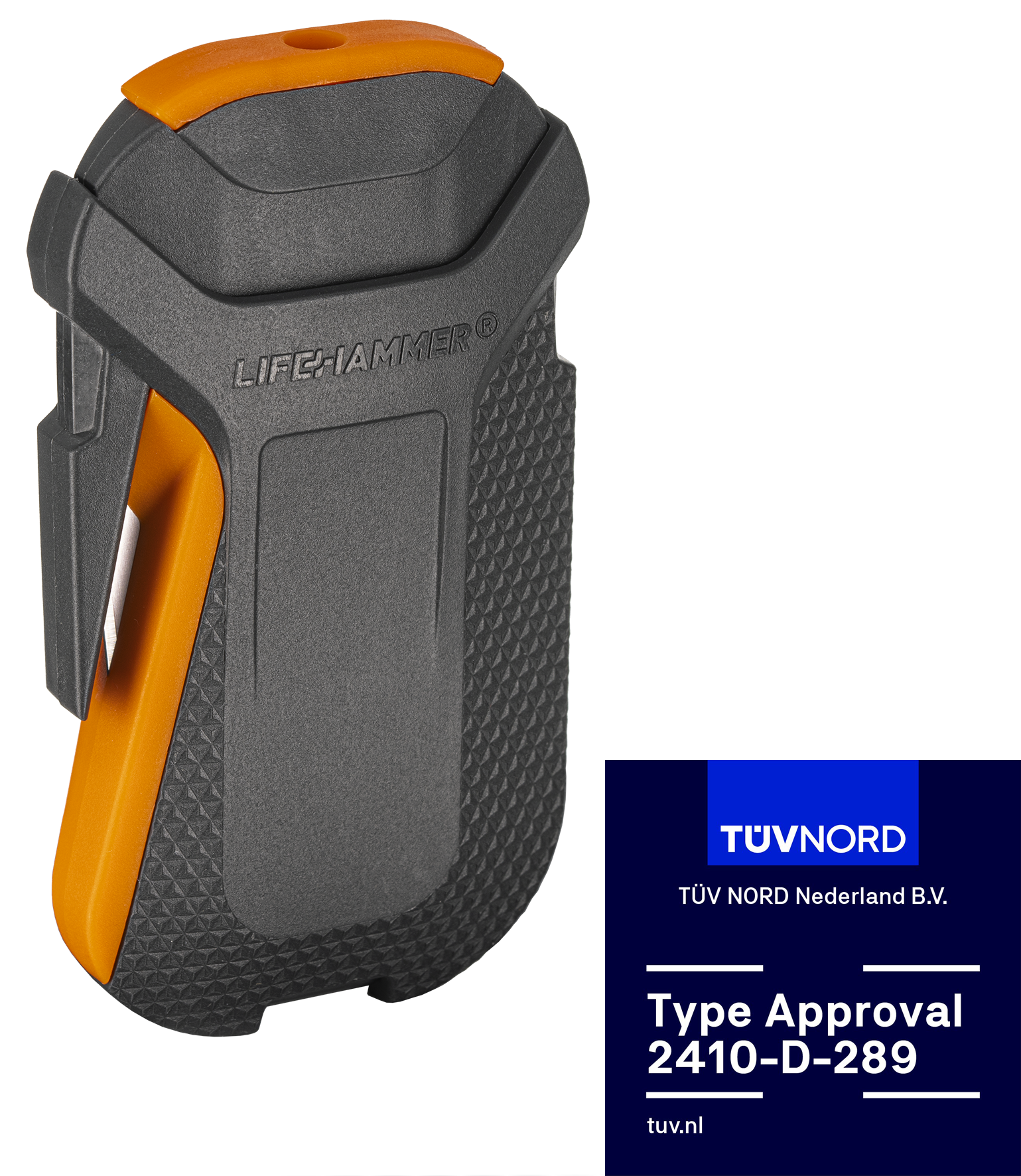
- Our safety hammer range includes four models. The Classic and Plus use a hardened carbon steel hammerhead; the Evolution and Smart use an automatic ceramic hammerhead. All four cut seatbelts and break tempered side windows.
- All Lifehammer® safety hammers are TÜV certified and trusted by first responders and fleet operators across Europe, making them a reliable addition to any car kit.
- Our Safety Vest Ultra comes in an ultra-flat vacuum pack that stores discreetly under any floor mat and decompresses immediately on opening. It is one-size-fits-all and suitable for drivers and passengers alike, which makes it a practical solution for the high-visibility vest requirement in countries across Europe.
If you have questions about which products are right for your car or your journey, our Q&A section covers the most common topics in straightforward detail.