 English
 Nederlands
 Deutsch





When choosing a safety hammer for winter road trips, look for a model with a reliable striking mechanism that functions in cold temperatures, a seatbelt cutter that works with gloves on, and a secure mounting system that keeps the tool within reach even in an emergency. Cold weather introduces specific challenges (reduced dexterity, icy windows, and the increased likelihood of driving in low visibility conditions), so the right safety hammer needs to meet a higher bar than a basic warm-weather purchase. The questions below walk through everything worth considering before you set off.
What features matter most in a safety hammer for cold weather?
In cold weather, the most important features in a safety hammer are a reliable window-breaking mechanism that does not depend on grip strength, a seatbelt cutter with a recessed blade that you can operate while wearing gloves, and a compact body that stays securely mounted even as cabin temperatures fluctuate. These three qualities matter more in winter than in any other season.
Cold temperatures affect your hands first. If you have ever tried to operate a small tool while wearing winter gloves, you know how quickly fine motor control disappears. A safety hammer with an ergonomic grip and a large, accessible seatbelt cutter slot makes a meaningful difference. Models that use a ceramic pin mechanism require very little force to break a tempered window, which is useful when strength and coordination are compromised by cold or stress. Hardened carbon steel hammerheads are also effective, but they require a more deliberate swing, something to keep in mind if you regularly drive in sub-zero conditions.
The mounting system also matters in winter. Extreme temperature changes between the outside air and your heated cabin can cause adhesive-based mounts to weaken over time if they are not rated for that range. Check that whichever mounting system you use is designed to hold reliably across a wide temperature range, and test it periodically throughout the season.
Where should you store a safety hammer during winter drives?
Store your safety hammer within arm’s reach of the driver’s seat, ideally mounted on the door pillar, the centre console, or the side of the driver’s seat. In an emergency, you should be able to locate and use it without searching. Storing it in the boot or a bag significantly reduces its usefulness.
In winter specifically, avoid placing a safety hammer in the glove compartment or any enclosed storage area that is difficult to access from a seated, seatbelted position. If your vehicle ends up on its side or in water, reaching across the cabin becomes extremely difficult. A mounted position close to the driver is always preferable to a stored position, no matter how convenient the latter might seem day to day.
If you are travelling with passengers, consider placing a second safety hammer on the passenger side as well. Mounting systems that attach to the door or centre console keep the tool visible and accessible without taking up storage space. Avoid placing any safety hammer near airbag deployment zones, as this can create a hazard in a collision.
Does a safety hammer work on modern car windows in winter?
Yes, a safety hammer works on tempered side and rear windows in winter, and cold temperatures do not significantly reduce its effectiveness on tempered glass. Tempered glass, the type used for side and rear windows in most modern cars, is designed to shatter into small pieces under a sharp point of impact, regardless of temperature.
One important distinction worth understanding: not all car windows are the same type of glass. Windscreens in modern vehicles are made from laminated glass, which consists of two layers bonded with a plastic interlayer. A standard safety hammer cannot break laminated glass, and attempting to do so will not work. Always aim for a side or rear window in an emergency, not the windscreen.
Winter ice on the outside of a window does not prevent the safety hammer from working. The striking mechanism, whether a ceramic pin or a hardened steel hammerhead, makes contact with the glass itself, not the surface layer. That said, ice can obscure your view of where the window frame ends and the glass begins, so it is worth knowing the layout of your own car windows before you need to act quickly.
What’s the difference between a basic and a smart safety hammer?
The main difference between a basic and a smart safety hammer is the window-breaking mechanism and the mounting system. Basic models use a hardened carbon steel hammerhead that requires a swinging motion to break tempered glass. Smart models use a spring-loaded ceramic pin that activates automatically on contact, requiring far less force and making them easier to use under stress or with limited mobility.
Both types include an integrated seatbelt cutter, and both are effective on tempered side and rear windows. The choice between them comes down to how you expect to use the tool and how it fits into your car’s interior.
Smart models with a ceramic pin mechanism are particularly well suited to winter driving because they reduce the dependence on a full swinging motion, something that can be awkward in a confined space or when wearing a heavy jacket. They are also typically more compact, which makes them easier to mount discreetly within reach of the driver. Basic models with a steel hammerhead are proven, durable, and straightforward to use, and they remain a solid choice for drivers who want a reliable tool without additional features.
Should you carry more than one safety hammer on a road trip?
Carrying two safety hammers on a longer road trip is a sensible precaution, particularly if you are travelling with passengers. One mounted within reach of the driver and one accessible to a front or rear passenger means that anyone in the vehicle can act, not just the driver. This is especially relevant on winter road trips where the risk of road incidents increases.
A second safety hammer also provides redundancy. If the primary tool is out of reach due to the angle of a crash or because a passenger needs to act independently, having a second one available removes a potential obstacle. The additional cost and space required are minimal compared to the practical benefit.
For solo drivers, a single well-mounted safety hammer positioned close to the driver’s seat is sufficient. The priority is accessibility, not quantity. One tool you can reach is more useful than two tools stored in the boot.
How do you check if your safety hammer is still ready to use?
To check whether your safety hammer is still ready to use, inspect the striking tip for visible damage or wear, confirm the seatbelt cutter blade is clean and unobstructed, and test that the mounting system holds the tool firmly in place. This check takes less than a minute and is worth doing before any long journey.
For models with a ceramic pin mechanism, look for any visible cracks or chips in the tip. Ceramic is durable but can be damaged if the tool is dropped on a hard surface. If the tip looks compromised, replace the tool rather than relying on it. For models with a hardened steel hammerhead, check that the striking points are not corroded or bent, particularly after a winter season when road salt may have been present in the cabin environment.
The seatbelt cutter is easy to overlook. Make sure nothing is blocking the blade slot: debris, packaging residue, or accumulated dust can reduce cutting efficiency. A quick visual inspection is usually enough. Finally, give the mount a firm tug to confirm it has not loosened. Adhesive-based mounts in particular can weaken over time, especially in vehicles that experience large temperature swings between winter nights and heated interiors.
How Lifehammer® supports you with winter road trip safety
At Lifehammer®, we have been developing vehicle safety tools since 1983, and winter road trip preparation is exactly the kind of situation our products are designed for. Whether you are doing a quick pre-departure check or building out a complete car kit from scratch, we focus on tools that are reliable, compact, and genuinely useful when it counts.
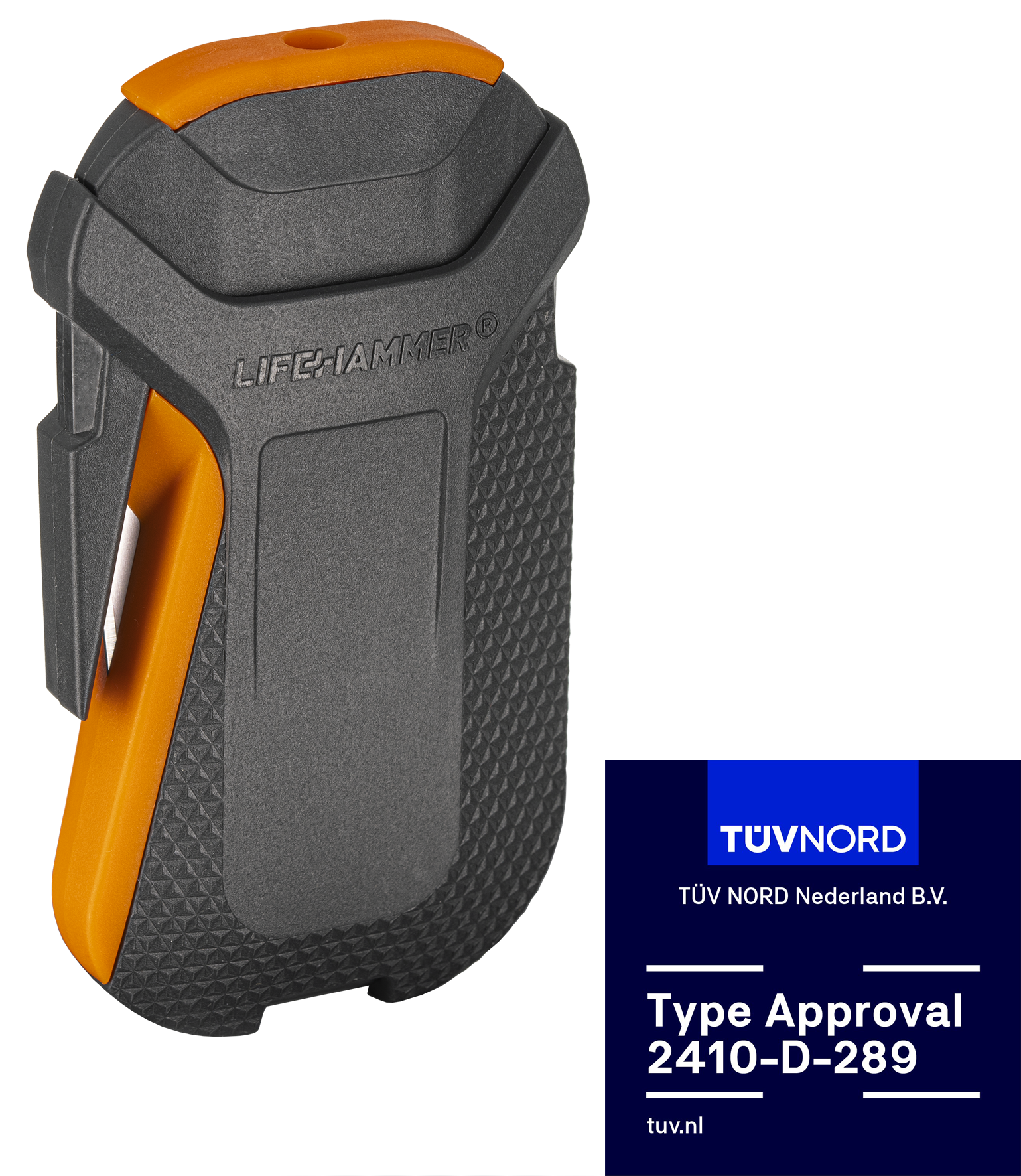
- Our safety hammer range includes four models. The Classic and Plus use a hardened carbon steel hammerhead; the Safety Hammer Evolution and Safety Hammer SMART use an automatic ceramic pin mechanism. All four include a seatbelt cutter and are effective on tempered side and rear windows.
- All Lifehammer® safety hammers are TÜV certified and trusted by first responders, fleet operators, and professional drivers across Europe, a level of reliability that matters when conditions are difficult.
- The SMART model mounts using 3M VHB double-sided adhesive tape, making it easy to position within reach of the driver without tools. The Evolution and Classic models use mounting systems that are secured with the included hex key for a firm, lasting fit.
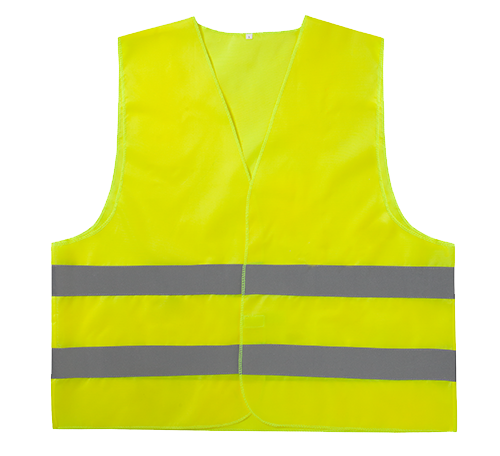
- Our Safety Vest Ultra comes in an ultra-flat vacuum pack that stores discreetly under any floor mat and decompresses immediately on opening, a useful addition to any winter kit where visibility on the roadside matters.
If you have questions about which model suits your car or your journey, our Q&A section covers the most common topics in straightforward detail. You can also find our products on Amazon if you prefer to order there.