 English
 Nederlands
 Deutsch





Low sun is one of the most disorienting conditions you can face behind the wheel. Unlike rain or fog, it can appear without warning: cresting a hill, rounding a bend, or catching you on your morning commute at exactly the wrong angle. The glare does not just reduce your visibility; it can eliminate it entirely for a few critical seconds. Knowing how to manage sun glare while driving is not about reacting in the moment: it is about preparing before it happens and making small, deliberate adjustments when it does.
This guide walks you through five practical steps for driving with low sun safely, from getting your car ready in advance to adapting your behaviour on the road when the sun drops low on the horizon.
Prepare your car before low-sun conditions hit
Start with your windscreen. A dirty or smeared windscreen dramatically worsens sun glare visibility: what might be a manageable dazzle on a clean screen becomes a near-total whiteout when light scatters across grease, dried rain, or road film. Clean both the inside and outside of your windscreen regularly, paying close attention to streaks left by wipers or interior condensation.
- Wash the outside of your windscreen with a dedicated glass cleaner, removing any traffic film or insect residue.
- Clean the interior surface with a lint-free cloth and glass cleaner: interior haze is often overlooked but scatters light just as badly.
- Check your wiper blades. Old or worn blades smear rather than clear, leaving arcing streaks directly in your sightline.
- Keep a clean microfibre cloth in the glovebox so you can do a quick wipe before setting off on bright mornings.
After completing this step, your windscreen should be streak-free and clear from both sides. Hold a torch at an angle across the glass in a darkened garage or at night: any smears will show up immediately. A clean screen makes every other technique in this guide significantly more effective.
Adjust your driving position and visor correctly
Your sun visor is a simple tool, but most drivers use it incorrectly or not at all. The visor is designed to be angled, extended, and repositioned, not just flipped down and left. Get familiar with how yours moves before you need it in traffic.
- Sit in your normal driving position and check that your seat height and steering column are adjusted so your sightline clears the top of the steering wheel comfortably.
- Flip the visor down and, if your car has one, slide the extender panel forward to close the gap between the visor and the top of the windscreen.
- If the sun is coming from the side window, swing the visor to the side position: most visors detach from the centre bracket and pivot to cover the side glass.
- Wear polarised sunglasses in addition to using the visor. Polarised lenses cut reflected glare from road surfaces and other vehicles in a way that the visor alone cannot.
Once adjusted, you should be able to see the road ahead without squinting, while still having a clear view of your instrument cluster. If the sun angle means the visor is not covering the right area, do not try to hold it with one hand while driving. Pull over briefly to readjust.
Adapt your speed and following distance for sun glare
Driving into the sun compresses your reaction time. If you cannot see clearly for two seconds ahead, you need to create more buffer between yourself and other vehicles to compensate. This is not a cautious suggestion: it is a straightforward calculation. Your stopping distance stays the same regardless of visibility; your ability to trigger that stop is what changes.
Reduce your speed when glare is severe enough that you cannot clearly make out the road ahead or the vehicle in front. The Highway Code’s two-second rule becomes a three-to-four-second rule in low-sun conditions. Increase your following distance visibly: if the car in front disappears into the glare, you are already too close.
- Drop your speed by 10 to 15 mph when driving directly into strong low sun, even on familiar roads.
- Double your normal following distance. Use a fixed landmark (a road sign, bridge, or lamp post) to count your gap.
- Be especially cautious at junctions and pedestrian crossings, where people may step out from areas you cannot currently see clearly.
After making these adjustments, the drive will feel more deliberate and controlled. Other drivers behind you may be dealing with the same glare, so keeping your brake lights visible by maintaining a steady, predictable speed is useful for everyone on the road.
Use road markings and landmarks when the sun blinds you
When direct sun glare while driving temporarily overwhelms your forward vision, shift your visual focus. Road markings (lane lines, cat’s eyes, kerb edges) remain visible even when the road surface ahead disappears into brightness. Train yourself to use them as a navigational guide during the worst moments of glare.
Look slightly to the left of centre, using the left-hand lane marking as a guide rather than staring directly into the sun. This keeps you positioned correctly without requiring a clear view of the road surface ahead. Roadside landmarks (hedgerows, crash barriers, lamp posts) can serve the same purpose on rural roads where markings are less frequent.
- Identify the white lane marking on your left and use it as your primary positional reference when glare peaks.
- Avoid looking directly at oncoming headlights or the sun itself. Shift your gaze slightly downward and to the left.
- If glare becomes severe enough that you cannot see markings or landmarks, find a safe place to pull over and wait for the sun angle to shift slightly. Even a minute or two can make a significant difference.
This technique takes a little practice but becomes instinctive quickly. The key is not to panic when visibility drops sharply. Instead, shift your reference point and slow down until you can reorient.
Manage glare at dusk and during seasonal sun angles
Low sun driving is not only a morning commute problem. In 2026, as in every year, autumn and winter bring sun angles that sit low on the horizon for much of the day, particularly in northern and central Europe, where the sun barely climbs above the treeline between October and February. Dusk adds a second daily window of intense glare, often coinciding with rush hour traffic.
At dusk, your eyes are transitioning between daytime and night vision, which makes glare feel more intense than it does in the morning. Switch your headlights on earlier than you think necessary, not just to see, but to make yourself visible to other drivers who are also dealing with reduced contrast and sun glare visibility. Avoid using high beam in glare conditions, as reflected light can worsen the effect.
- Check sunrise and sunset times for your regular routes during autumn and winter months: many commuters are caught out when the sun angle shifts week by week.
- Keep a pair of good-quality polarised sunglasses in the car year-round, not just for summer.
- Switch headlights on at dusk, even before it feels dark, to improve your visibility to other road users.
- On known problem routes (east-facing roads in the morning, west-facing roads in the evening), plan to travel slightly earlier or later if the glare is consistently severe.
After working through these seasonal adjustments, you will find that low sun stops being a surprise and becomes a predictable condition you are already equipped for. Preparation is what separates a stressful drive from a calm one.
How Lifehammer® supports you on every drive
At Lifehammer®, we have been developing vehicle safety tools since 1983, and being prepared for the full range of driving conditions is exactly what our products are designed to support. Whether you are managing a tricky morning commute or planning a long drive through changing light, we focus on tools that are reliable, compact, and genuinely useful when it counts.
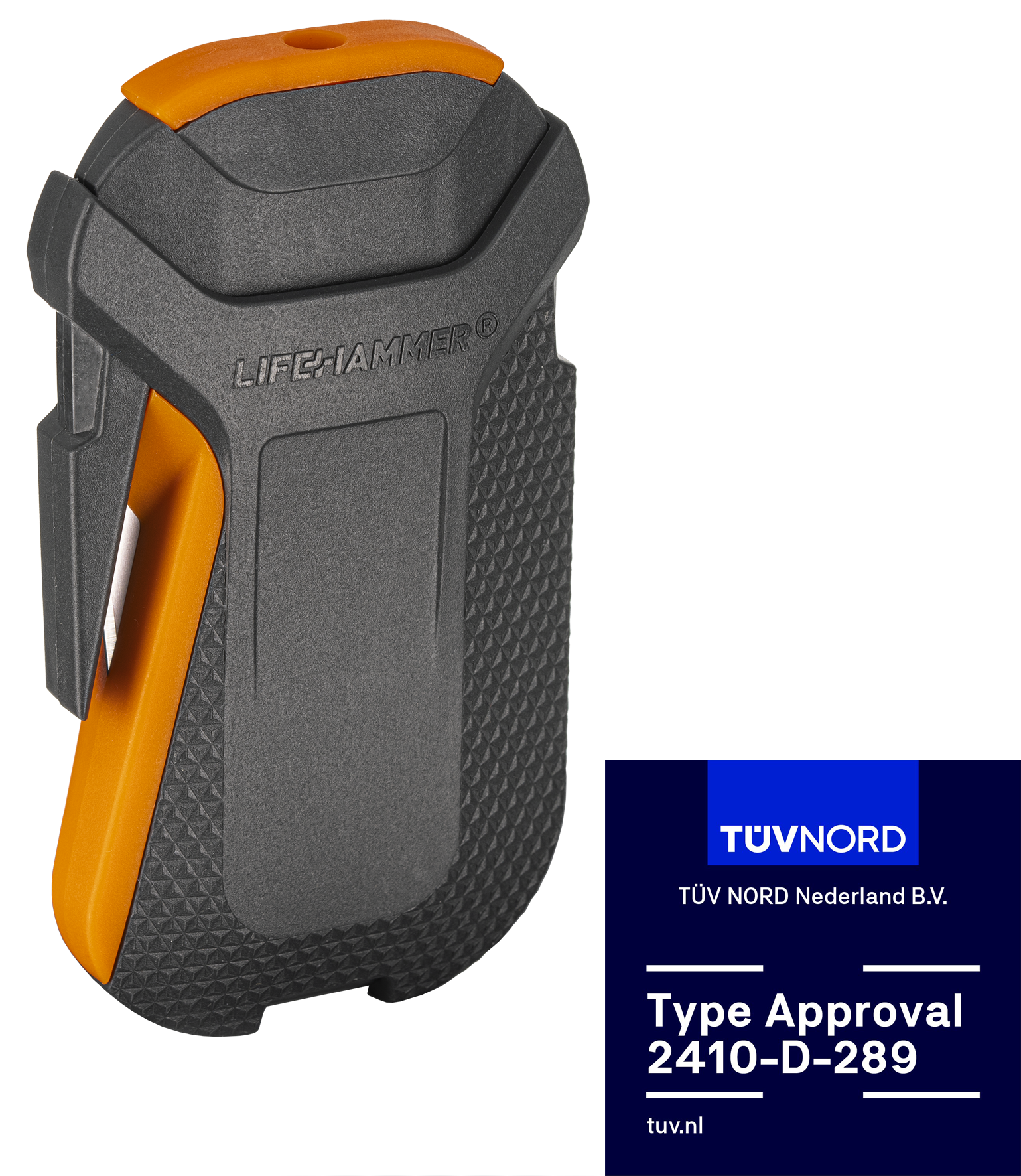
- Our Safety Hammer Evolution is TÜV certified and trusted by first responders and fleet operators across Europe. It cuts seatbelts and breaks tempered side windows, the kind of backup that sits quietly in your car until the moment it matters.
- The Safety Hammer SMART uses a ceramic pin as its striking mechanism and can be mounted discreetly within reach using 3M VHB double-sided adhesive tape, keeping it accessible without taking up space.
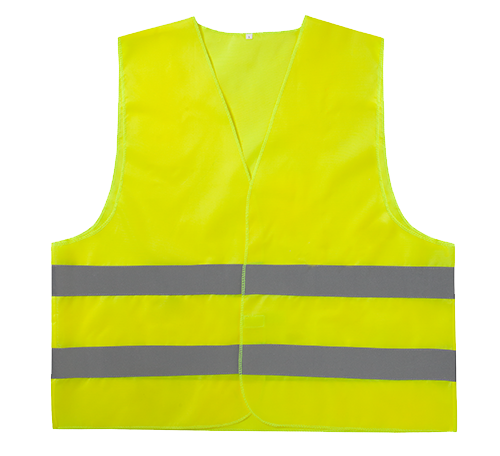
- Our Safety Vest Ultra comes in an ultra-flat vacuum pack that stores under any floor mat and decompresses immediately on opening, useful whenever you need to step out of your vehicle in low-visibility conditions, including at dusk or in poor light.
- All Lifehammer® safety hammers are TÜV certified and built to perform reliably, not just to look the part on a shelf.
If you have questions about which products are right for your car or your regular routes, our Q&A section covers the most common topics in straightforward detail. You can also find our products on Amazon if you prefer to order there.