 English
 Nederlands
 Deutsch

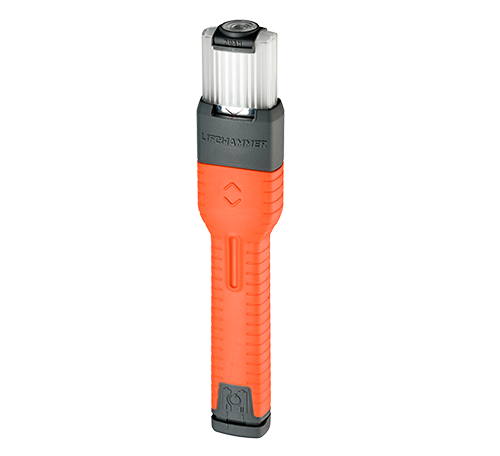

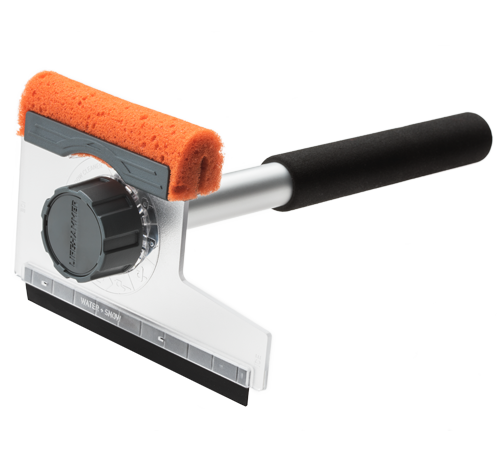
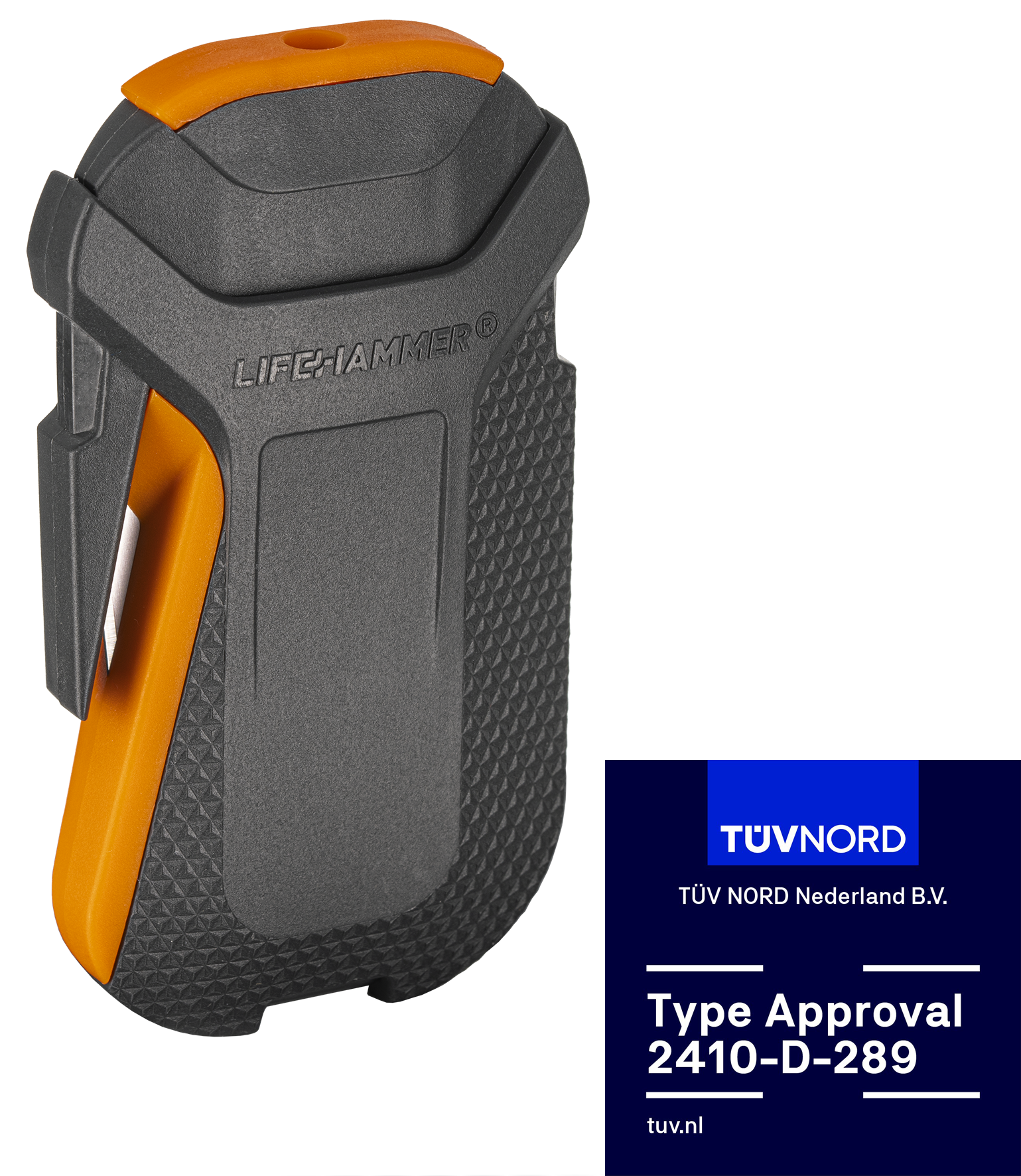



Most drivers think about safety in big terms: motorway speed limits, winter tyres, regular servicing. These things matter. But the habits that actually protect you day to day tend to be much smaller and much more consistent. They are the things you do before you turn the key, the items you keep within reach, and the routines you build so gradually that they become second nature.
This article walks through those habits in a practical, progressive way. We start with why small habits carry more weight than most drivers expect, move through the specific routines and items worth adopting, address the oversights that even careful drivers tend to miss, and finish with a straightforward approach to making these habits last.
Why small safety habits make the biggest difference
A safety habit is any repeated behaviour that reduces your exposure to risk or improves your ability to respond when something goes wrong. The word “small” matters here. Large, effortful safety measures are easy to postpone. Small ones get done.
The reason small habits carry disproportionate weight is that most driving incidents do not announce themselves in advance. You do not get a warning before a tyre blows out, before another driver drifts into your lane, or before your car ends up in an unexpected position after a collision. What you have in those moments is whatever you prepared beforehand. A seatbelt already fastened. A clear view from mirrors already adjusted. A piece of equipment already within reach.
Think of it the way experienced travellers think about packing. You do not bring a first aid kit because you expect to need it. You bring it because the cost of carrying it is low and the cost of not having it could be high. Small safety habits follow the same logic: low effort, consistently applied, meaningful when it counts.
The habits that belong in every car routine
A car routine is the sequence of small actions you take before and during every drive. Most drivers already have one, even if they have never named it. The goal is to make sure it includes the right things.
Before you drive
A few seconds spent before you start the engine can make the entire drive safer. These checks do not need to be elaborate:
- Fasten your seatbelt before starting the engine, not after
- Adjust your mirrors so all three give you a clear, current view
- Check that loose items in the car are secured, particularly in the boot
- Confirm your phone is either mounted or set to do-not-disturb
On longer journeys
For drives over an hour, the routine expands slightly. Fatigue is one of the most underestimated risks on longer routes, and planning for it in advance is far more effective than trying to manage it once it sets in. Build in a stop every ninety minutes to two hours. Keep water within reach. Let someone know your expected arrival time.
These are not dramatic measures. They are simply the habits of a driver who has thought ahead, which is exactly the kind of driver who tends to arrive without incident.
What to keep in your car for unexpected situations
Preparedness is not just about behaviour. It is also about having the right items in the right places. A well-equipped car does not require a large investment or a complicated kit. It requires a small number of genuinely useful items, stored where you can actually access them.
The following items cover the most common unexpected situations a driver might face:
- A high-visibility safety vest stored accessibly, not buried in the boot. In many European countries, wearing one is a legal requirement when you exit a broken-down vehicle on a road.
- A window escape tool such as a safety hammer, kept within reach of the driver’s seat. In the event of a collision that traps you or prevents a door from opening, a tool that can break a tempered side window and cut a seatbelt gives you a practical way out.
- A torch or emergency light source, particularly useful in low-light breakdowns or when you need to signal your position.
- A basic first aid kit and a charged phone power bank for longer journeys.
The common thread across all of these is accessibility. Equipment stored in an unreachable place is equipment you cannot use under pressure. Positioning matters as much as ownership.
Common safety oversights even careful drivers make
Careful drivers are not immune to blind spots. In fact, some oversights are more common among experienced drivers precisely because familiarity breeds routine, and routine can breed inattention.
Assuming the car is always ready
Tyre pressure, fluid levels, and wiper condition are easy to overlook when a car seems to be running fine. Many drivers check these only when something feels wrong. A monthly visual check, even a brief one, catches gradual deterioration before it becomes a problem on the road.
Storing emergency items where they cannot be reached
A safety hammer in the glove compartment, a vest in the spare wheel well, a torch buried under bags in the boot. These items exist in many cars, but their placement defeats the purpose. Emergency situations do not allow time for rummaging. Items need to be where your hand can find them quickly, which typically means near the driver’s door or in a fixed mount on the centre console.
Underestimating fatigue on familiar routes
Research consistently shows that familiar routes increase the risk of microsleep and inattention. The brain’s autopilot engages more readily on roads it knows well. Drivers tend to push through on routes they have driven many times before, precisely because they feel safe. Applying the same discipline about rest stops to familiar routes as to new ones is a habit that many drivers overlook.
How to build safety habits that actually stick
Knowing what good habits look like and actually maintaining them are two different things. Habit formation research points consistently to one principle: new behaviours stick when they are attached to existing ones rather than treated as separate tasks.
For driving habits, this means pairing each new behaviour with something you already do automatically. For example:
- Check tyre pressure on the same day each month that you fill up with fuel
- Adjust mirrors as part of the same motion as fastening your seatbelt
- Review your car kit at the start of each season, at the same time as you check your car’s service schedule
The second principle is reducing friction. If an item is inconvenient to access, you will use it less and eventually stop thinking about it. If a habit requires too many steps, it will not survive a busy morning. Simplicity is not laziness. It is the design principle behind habits that last.
Start with one or two changes rather than overhauling everything at once. Drivers who build habits gradually are far more likely to maintain them than those who attempt a complete overhaul. Choose the habit that closes your biggest gap first, establish it, then add the next one.
How Lifehammer® supports your driving safety habits
We design our products specifically for the situations this article describes: the moments when preparation meets reality. Our focus is on tools that are simple to store, easy to access, and reliable when they matter.
- Our safety hammer range includes four models. The Classic and Plus use a manual hardened carbon steel hammerhead; the Evolution and Smart use an automatic ceramic hammerhead. All four include a seatbelt cutter and break tempered side windows.
- Our mounting systems keep the tool within reach at all times. The Quick Click System mounts to the car door; the Easy Fix System mounts to the centre console. Both require a hex key to install. The Safety Hammer Smart can alternatively be mounted using the included 3M VHB double-sided tape.
- Our Safety Vest Ultra comes vacuum-packed flat and stores discreetly under any floor mat.
If you would like to understand more about which product fits your situation, you can find answers to common questions on our website. Preparedness does not need to be complicated. It just needs to be in place before you need it.