 English
 Nederlands
 Deutsch


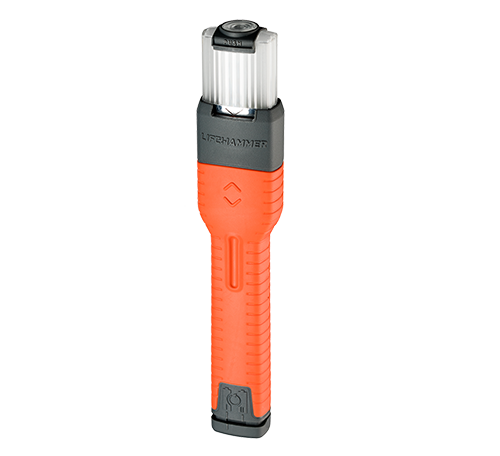

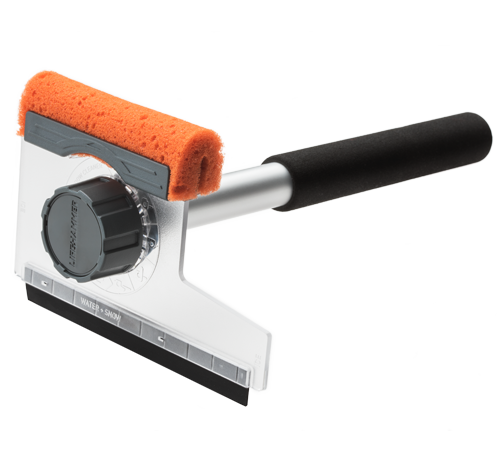
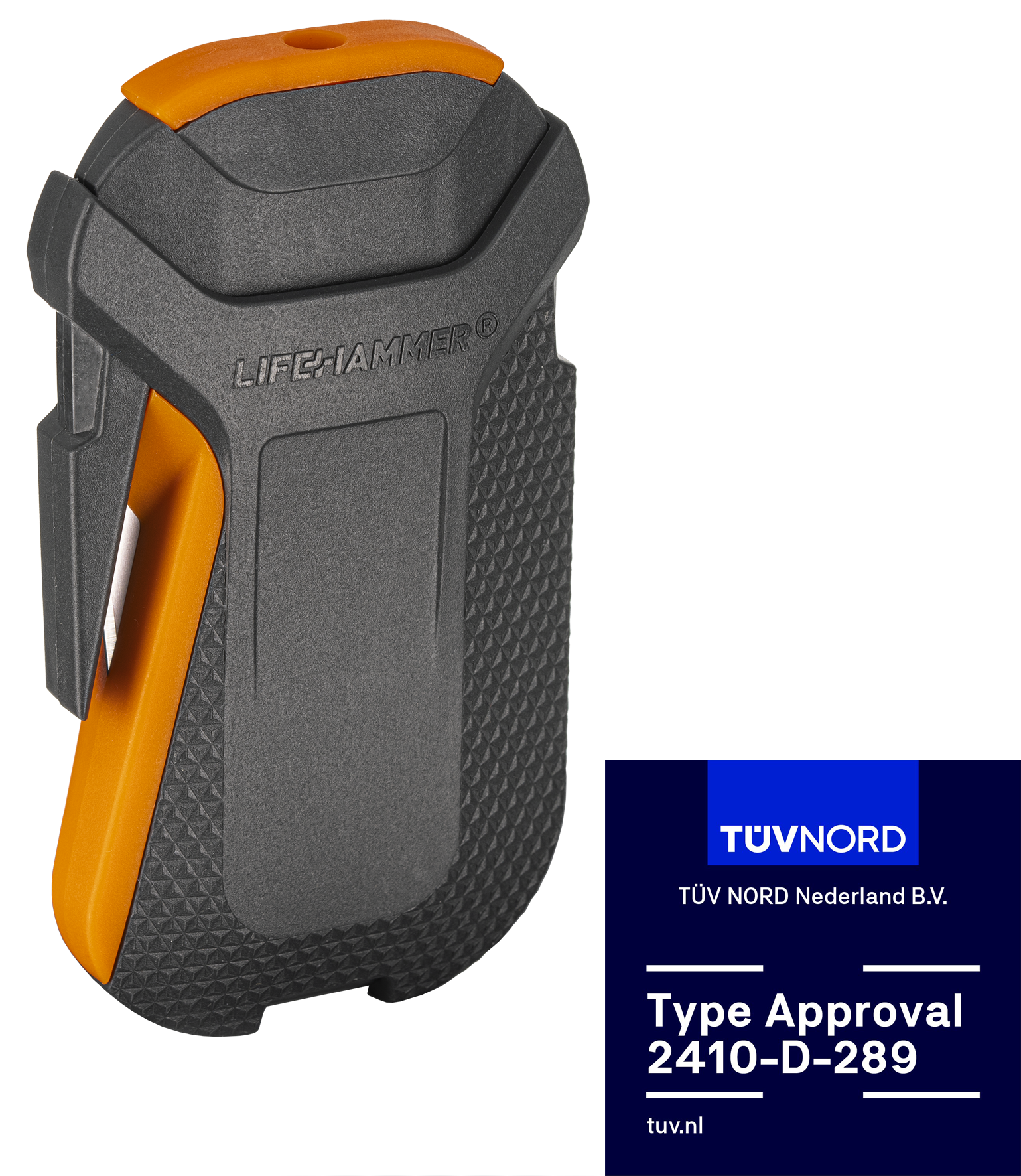



Winter driving demands a different kind of attention. Ice can form quickly, appear without warning, and behave in ways that catch even experienced drivers off guard. The good news is that roads rarely turn dangerous without giving you some advance notice, if you know what to look for. This guide walks you through the practical steps to recognise icy conditions before your car starts to lose grip, so you can adjust your approach before the situation demands it.
Spot the early warning signs of ice on the road
The most important skill in winter driving is learning to read the road surface visually, before you ever feel a change in how your car handles. Icy roads do not always look icy. In fact, the most dangerous patches are often the ones that look completely normal.
- Look for a dull, matte surface on tarmac that would normally appear slightly wet or dark. A dry-looking road in freezing conditions is often coated in a thin layer of ice rather than genuinely dry.
- Watch for patches where the road surface changes colour or texture unexpectedly: bridges, underpasses, and shaded stretches are particularly prone to freezing before surrounding areas.
- Pay attention to spray from other vehicles. If the cars ahead are throwing up water, the road is wet but not frozen. If there is no spray at all despite recent rain or snow, that is a strong indicator the surface has frozen.
- Look for ice crystals or frost on road markings, kerbstones, and road signs. These surfaces cool faster than tarmac and often show ice formation earlier.
After scanning the road ahead, you should have a clearer picture of where the risk areas are. Bridges and shaded corners deserve your closest attention: they freeze first and thaw last.
Read temperature and weather conditions accurately
Your car’s outside temperature gauge is one of the most useful tools available to you in winter, yet many drivers glance at it without acting on what it tells them. Understanding the relationship between temperature, humidity, and road conditions helps you anticipate ice rather than react to it.
- Take note when the outside temperature drops below 4°C. At this point, road surfaces, which are typically cooler than the air, may already be at or below freezing, even if the dashboard reading has not hit zero yet.
- Be especially alert when temperatures hover around 0°C and there is any moisture present: rain, drizzle, or recent snowfall. This is the most common condition for black ice to form.
- After a period of rain followed by a sharp temperature drop, treat all road surfaces as potentially icy until you have confirmed grip through careful driving.
- Check weather forecasts before longer journeys. Many road agencies publish live road condition updates during winter, which give you advance warning of gritting schedules and reported ice on specific routes.
Once you have a clear sense of the ambient conditions, you are already ahead of most drivers. Knowing that ice is plausible in current conditions shifts your mindset from reactive to prepared.
Use your car’s feedback to detect grip loss early
Your car communicates with you constantly through steering feel, braking response, and the subtle sounds it makes. On icy roads, this feedback changes, and learning to interpret those changes early gives you time to respond safely.
- Apply gentle, progressive braking on a straight stretch of road and pay attention to how quickly the car slows. If the wheels feel like they are taking longer to respond, or if you notice the ABS system activating unexpectedly, the surface beneath you has less grip than normal.
- Notice changes in steering weight. On a good surface, steering has a consistent feel. When grip reduces, the steering can feel lighter or slightly vague, as though the front wheels are skimming rather than biting into the road.
- Listen for tyre noise. On a dry or wet road, tyres produce a consistent rolling sound. On ice or compacted snow, that sound often reduces noticeably, which can indicate reduced contact friction.
- If your car is fitted with a traction control or stability system, watch for the warning light activating during normal acceleration. A single activation on a bend or slight incline is a useful early warning that grip is compromised.
These signals are subtle, but they are reliable. If two or more of them appear together, treat it as confirmation that you are driving on icy roads and adjust accordingly.
Adjust your driving the moment ice is suspected
Once you have reason to believe the road surface is icy, whether from visual cues, temperature readings, or car feedback, the right response is immediate and straightforward. You do not need to wait for confirmation before making adjustments.
- Reduce your speed progressively and well in advance. On ice, stopping distances can increase dramatically compared to dry conditions, so create far more space between yourself and the vehicle ahead than you normally would.
- Smooth out all your inputs. Accelerate gently, brake early and progressively, and steer with slow, deliberate movements. Sudden inputs, whether on the throttle, brakes, or steering wheel, are the most common cause of skids on icy roads.
- Use the highest gear that is practical for your speed. A higher gear reduces the torque going to the driven wheels, which lowers the risk of wheelspin on acceleration.
- Increase your following distance to at least three times what you would normally maintain. If the driver in front brakes suddenly, you need time and space to respond without locking your own wheels.
With these adjustments in place, you are now driving in a way that gives you options. The goal is to stay well within the available grip at all times, so that if conditions worsen, you have a margin to work with.
Know when and how to respond if a skid begins
Even with careful preparation, a skid can happen. Knowing what to do in the first two or three seconds makes the difference between recovering cleanly and losing control. The response is calm and deliberate, not panicked.
- If the front of the car begins to push wide on a corner (understeer), ease off the accelerator gently and allow the front wheels to regain grip. Do not brake sharply or turn the wheel further in: both will make the situation worse.
- If the rear of the car steps out (oversteer), steer smoothly in the direction the rear is sliding, often called steering into the skid. Keep your inputs small and avoid overcorrecting, which can cause the car to swing the other way.
- If all four wheels lose grip during braking, release pressure on the brake pedal momentarily to allow the wheels to rotate again. In cars without ABS, this is a manual action. In cars with ABS, trust the system and maintain firm, steady pressure rather than pumping the pedal.
- Once the car has stabilised, reduce speed further before continuing. Do not immediately resume normal speed: the surface conditions have not changed.
The most important thing to remember is that skid recovery works best when your reactions are calm and measured. Overcorrecting is the most common mistake drivers make, and it nearly always comes from panic rather than a lack of skill. If you have followed the earlier steps in this guide and already reduced your speed, you will have more time to respond and more chance of recovering smoothly.
How Lifehammer® supports you on winter roads
At Lifehammer®, we have been developing vehicle safety tools since 1983, and winter driving is exactly the kind of situation our products are designed for. Recognising icy roads and adjusting your driving are important habits, and being properly equipped means that if the unexpected does happen, you are ready for it.
- Our safety hammer range includes four models. The Classic and Plus use a hardened carbon steel hammerhead; the Safety Hammer Evolution and Safety Hammer SMART use an automatic ceramic hammerhead. All four cut seatbelts and break tempered side windows, so you have a reliable exit option in any roadside emergency.
- All Lifehammer® safety hammers are TÜV certified and trusted by first responders and fleet operators across Europe. When conditions are at their worst, that reliability matters.
- Our Safety Vest Ultra comes in an ultra-flat vacuum pack that stores discreetly under any floor mat and decompresses immediately on opening. It is one-size-fits-all and useful whenever you need to be visible at the roadside in low-light or poor-weather conditions.
If you have questions about which products suit your car or your winter driving routine, our Q&A section covers the most common topics in straightforward detail. You can also find Lifehammer® products on Amazon if you prefer to order there.