 English
 Nederlands
 Deutsch





Most drivers think of a breakdown as an inconvenience, a frustrating pause in the journey that gets resolved with a phone call and some patience. On city streets, that picture is largely accurate. On a highway, the same situation carries a very different weight. The combination of speed, exposure, and limited options transforms a routine roadside emergency into something that demands a much higher level of preparedness. Understanding why highway breakdowns carry distinct risks is the first step toward making smarter decisions before you ever need them.
Highway breakdown risks are not simply amplified versions of urban incidents. They are qualitatively different, shaped by the environment itself. Whether you are driving a family car on a weekend trip or commuting on a busy motorway, knowing what separates a highway emergency from a city one can help you respond more calmly and effectively when it matters most.
Higher speeds, less margin for error
The most immediate difference between a highway breakdown and a city incident is the speed of surrounding traffic. On urban roads, vehicles typically travel at 30 to 50 kilometres per hour, giving other drivers more time to react to a stationary obstacle. On a motorway, traffic moves at 110 to 130 kilometres per hour or faster, reducing reaction time dramatically and leaving almost no room for error.
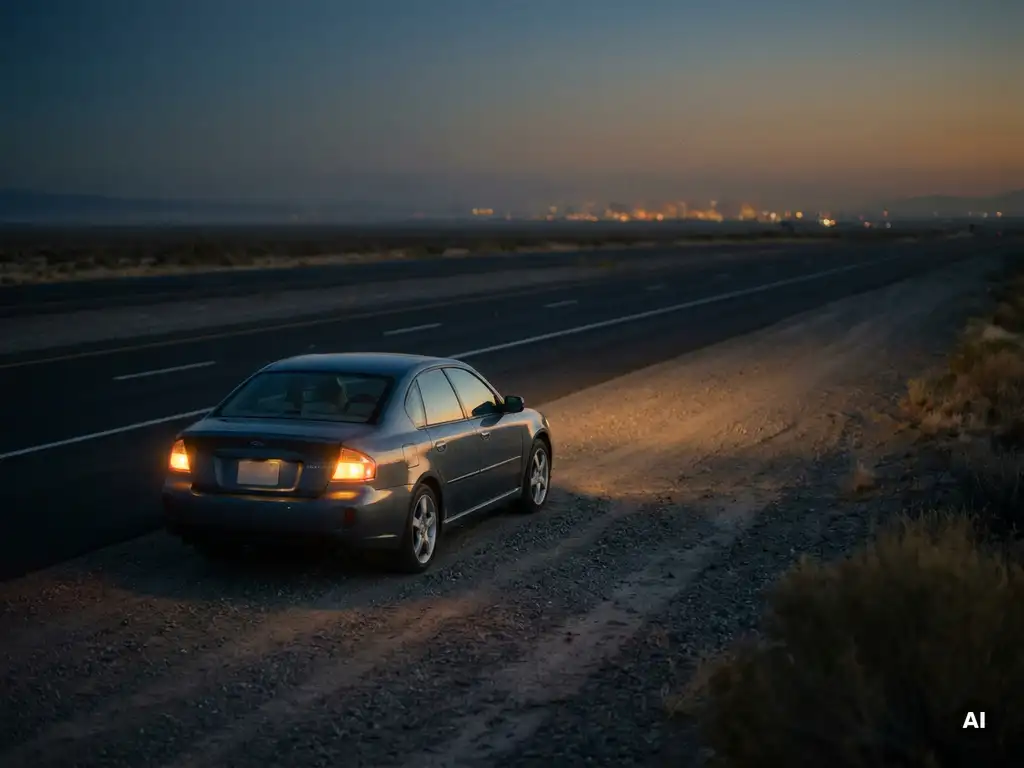
A vehicle that stops suddenly or pulls over without warning on a highway creates a hazard that can escalate in seconds. Even with hazard lights activated, a car on the hard shoulder is exposed to fast-moving traffic passing at close range. Drivers approaching from behind may not notice the stopped vehicle until they are dangerously close, particularly in poor visibility conditions, heavy rain, or at night. The margin for error that city roads quietly provide simply does not exist at motorway speeds.
Why highway breakdowns are harder to escape
On a city street, a breakdown often means pulling over to a nearby parking bay, walking to a pavement, or finding shelter in a shop doorway while waiting for help. On a highway, the options are far more limited. Hard shoulders are narrow, often shared with emergency vehicles, and positioned directly adjacent to high-speed traffic lanes. There is rarely a safe place to walk, and exits may be several kilometres away.
Vehicle entrapment adds another layer of complexity in highway emergencies. If a collision occurs (which is a real risk when a car is stationary on a motorway), occupants may find themselves unable to open doors due to structural damage or a jammed seatbelt. In these situations, the ability to exit the vehicle quickly and independently becomes a genuine priority. A car escape tool that can cut through a seatbelt and break tempered side window glass gives occupants a way out when conventional exits are blocked. This is particularly relevant for families travelling with children, where the ability to act fast under stress is not optional.
The confined, high-exposure environment of a highway also means that waiting inside the vehicle is not always the safest choice, but exiting without care carries its own risks. Knowing which situation calls for which response is something worth thinking through before the journey begins.
Emergency response times on highways vs. city roads
In urban areas, emergency services are typically closer, road networks allow for faster access from multiple directions, and breakdown recovery vehicles can reach incidents relatively quickly. On highways, the geography works against you. A single-direction motorway may require emergency responders to travel a significant distance to reach the correct carriageway, and traffic congestion caused by the incident itself can slow their approach further.
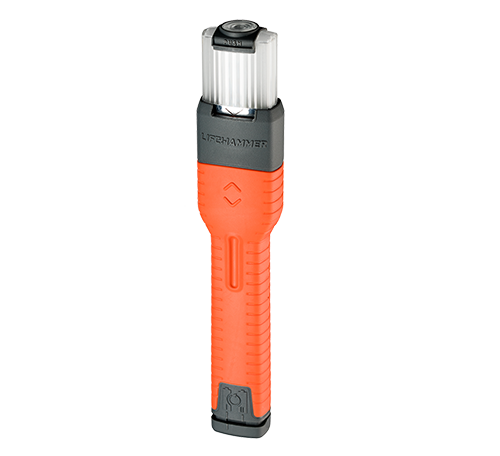
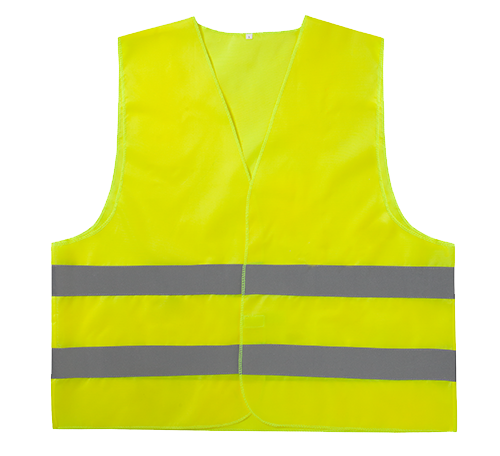
Response times on major highways can be considerably longer than in cities, and this gap becomes more significant when the breakdown involves a medical situation, a vehicle fire, or a collision. During that waiting period, the people in and around the vehicle need to manage their own safety without external assistance. This is not a reason for alarm; it is simply a reason to be prepared. Visibility tools like a high-quality safety vest, a working torch, and warning triangles can make a meaningful difference in the time between an incident and professional help arriving.
Understanding that help may take longer on a highway reinforces a straightforward principle: the more self-sufficient a driver can be in the first minutes of an emergency, the better the outcome for everyone involved.
What every driver should keep within reach
Car breakdown safety on highways starts with what is already in the vehicle before departure. A well-prepared car does not require a large investment or complex planning; it requires deliberate choices about a small number of useful items.
- A high-visibility safety vest: Worn immediately after exiting the vehicle, this makes you visible to oncoming traffic. In many European countries, carrying one is a legal requirement.
- A warning triangle: Placed at an appropriate distance behind the vehicle to alert approaching drivers. Check local regulations for the required placement distance on motorways.
- A reliable torch or LED light source: Useful for signalling, assessing damage in low light, or navigating to safety after dark.
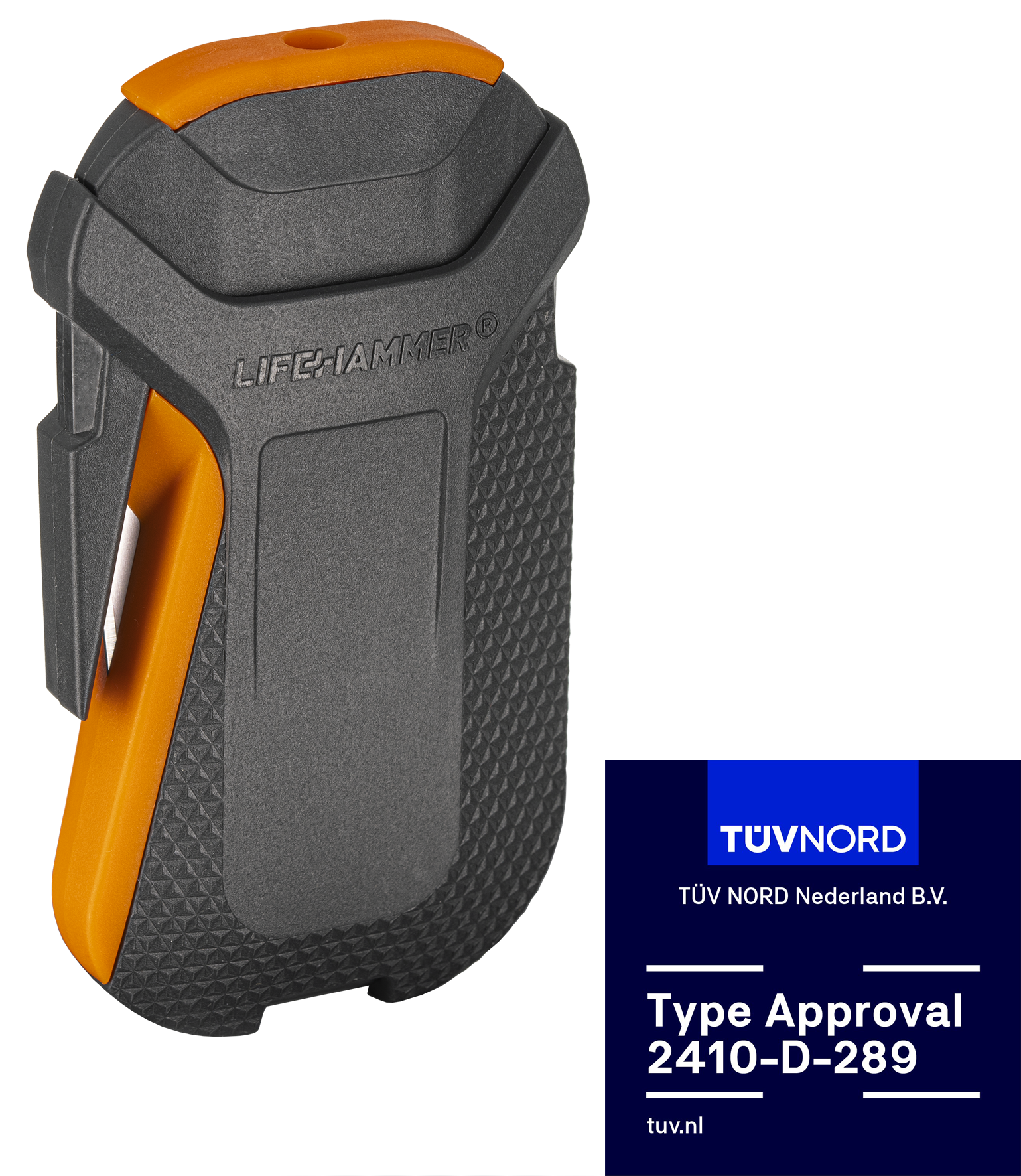
- A car escape tool: A safety hammer capable of cutting a jammed seatbelt and breaking tempered side window glass. This is particularly important on highways where structural damage from a secondary collision is more likely.
- A charged mobile phone or power bank: To call emergency services or roadside assistance without delay.
- Basic first aid supplies: A compact kit that covers minor injuries while waiting for professional help.
These items take up minimal space and add negligible weight. Their value is not in daily use; it is in the specific moment when you need them and nothing else will do.
Preparing your family car for highway emergencies
Families travelling with children face additional considerations during a highway breakdown. Children cannot manage traffic awareness independently, they may panic under stress, and they rely entirely on the adults around them to make safe decisions quickly. Preparation before the journey removes some of that pressure.
Walk through a simple pre-trip check before any long highway journey. Confirm that tyres are properly inflated, fuel or charge levels are adequate, and that all safety equipment is in the vehicle and accessible. Accessibility matters more than many drivers realise; a safety hammer stored in a boot under luggage is not useful in an emergency. It should be within reach of the driver or front passenger, mounted securely and consistently in the same position so it can be located instinctively under stress.
Talk to older children about what to do if the car stops on a motorway. Simple instructions (stay in the car until an adult says otherwise, move away from the traffic side, stay together) can make a real difference. Children who have heard a calm explanation of what to do are far more likely to respond sensibly than those who encounter the situation without any frame of reference.
Finally, make sure every adult in the vehicle knows where the car escape tool is and how it works. The spring-loaded mechanism on quality safety hammers requires minimal force, making them usable by most adults regardless of strength. In a scenario where the primary driver is incapacitated, another adult being able to act independently could be the most important preparation you make.
How Lifehammer® supports you with highway breakdown preparedness
At Lifehammer®, we have been developing vehicle safety tools since 1983, and highway preparedness is exactly the kind of situation our products are designed for. Whether you are equipping a family car for a summer road trip or reviewing your existing setup, we focus on tools that are reliable, compact, and genuinely useful when it counts.
- Our safety hammer range includes four models. The Classic and Plus use a manual hardened carbon steel hammerhead; the Evolution and Smart use an automatic ceramic hammerhead. All four models cut seatbelts and break tempered side windows, the type of glass used in car side and rear windows.
- The Safety Hammer Plus is designed to be usable by both adults and children, with a non-slip grip and a spring-loaded mechanism that requires minimal force, a relevant feature for families where every occupant may need to act independently.
- All Lifehammer® safety hammers are TÜV certified according to German standards and trusted by first responders, fleet operators, and police services across Europe.
- Our Safety Vest Ultra comes in an ultra-flat vacuum pack that stores discreetly under any floor mat and decompresses immediately on opening. It is one-size-fits-all and suitable for drivers and passengers alike, which is important on a highway where visibility is the first line of defence.
If you have questions about which products suit your vehicle or your typical driving routes, our Q&A section covers the most common topics in straightforward detail. You can also find our products on Amazon if you prefer to order directly.