 English
 Nederlands
 Deutsch

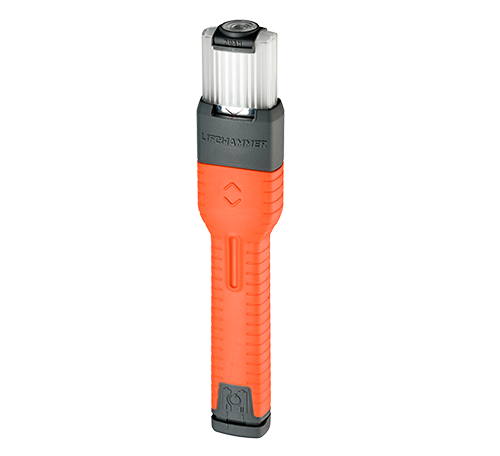

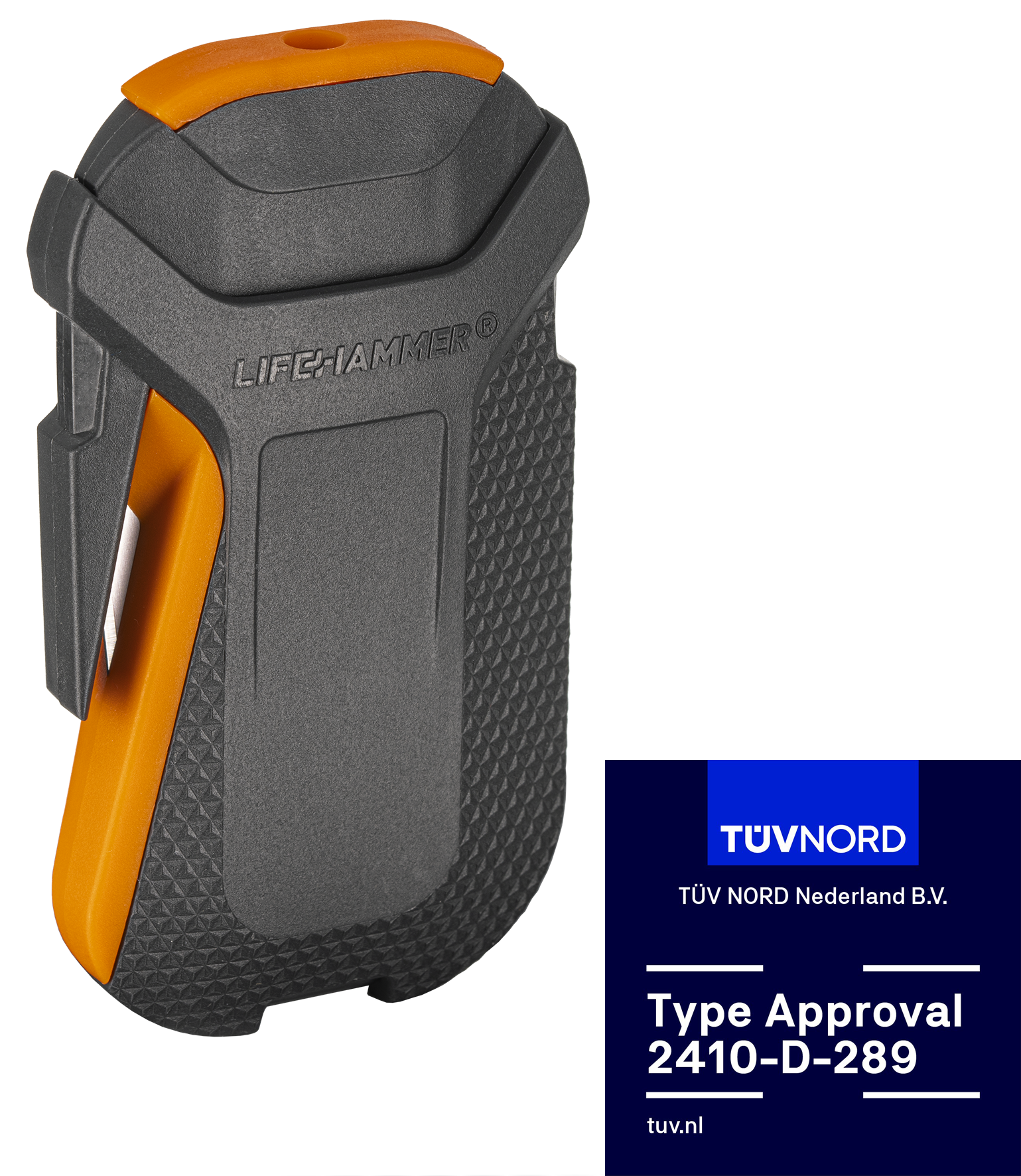


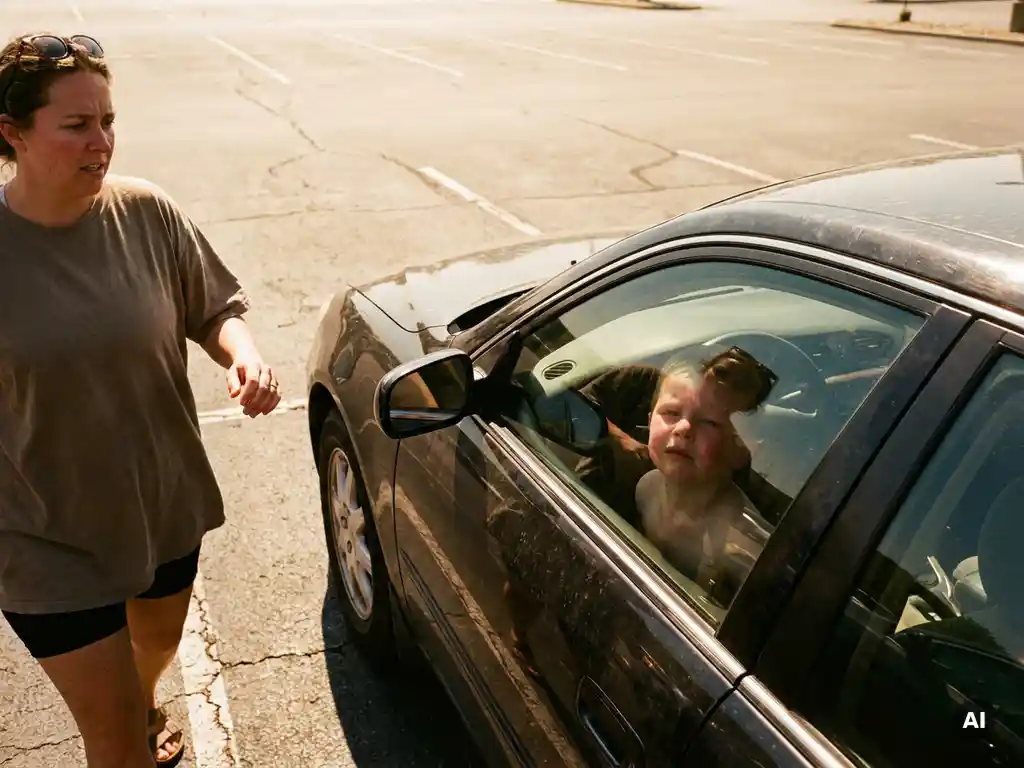
A child or animal locked in a hot car is a time-sensitive emergency. Temperatures inside a parked vehicle can rise rapidly, even on a mild day, and the consequences of delayed action can be severe. Knowing exactly what to do before you find yourself in that situation means you can respond calmly, quickly, and effectively when every second counts.
This guide walks you through each step of a hot car emergency, from the moment you spot the situation to the care provided after the rescue. Read through it now, so the steps are already familiar if you ever need them.
Assess the situation before acting
Before you do anything else, take a few seconds to assess the situation clearly. A rapid but composed assessment helps you make the right decisions and avoids unnecessary escalation when the risk is still low.
- Check whether the child or animal is showing signs of distress. Look for heavy panting, limpness, unresponsiveness, flushed skin, or frantic movement.
- Try all door handles on the vehicle. It is not uncommon for one door to be unlocked even when others are not.
- Look for the driver nearby. Check inside a shop, petrol station, or nearby building. If someone is within shouting distance, call out immediately.
- Note the time. Heat builds fast, and knowing how long the vehicle has been parked helps emergency services prioritize their response.
If the child or animal appears calm and the driver is visible and returning within moments, continue monitoring closely without intervening physically. If there is any sign of distress, or if you cannot locate the driver, move immediately to the next step.
Call emergency services immediately
As soon as you determine that the situation poses a real risk, call emergency services. Do not delay this step to wait and see whether the driver returns. In a genuine heatstroke car emergency, professional help should be on its way while you continue to act.
- Dial the local emergency number (112 across the European Union, 999 in the UK, 911 in the US).
- Provide the vehicle’s location clearly, including any landmarks, the car park name, or street address.
- Describe the make, color, and registration plate of the vehicle if visible.
- State clearly that a child or animal is locked in a hot car and describe their current condition.
- Stay on the line if the operator asks you to. They may guide you through the next steps in real time.
Emergency services can also advise you on whether breaking the window is legally justified in your location. In many jurisdictions, breaking a car window to rescue a child or animal from a hot car emergency is protected by law, provided you act in good faith and have made reasonable attempts to locate the driver first. The dispatcher can confirm this for your region.
Break the car window safely and effectively
If the condition of the child or animal is deteriorating and emergency services have not yet arrived, breaking the window may be the right action. Before you do, choose your point of entry carefully and use the right technique to minimize risk to the person or animal inside.
Choose the correct window
Always target a side or rear window, never the windscreen. Windscreens are made from laminated glass, which is designed to hold together on impact and cannot be broken using a standard safety hammer or similar tool. Side and rear windows are made from tempered glass, which shatters into small, blunt fragments rather than sharp shards, significantly reducing the risk of injury.
Choose the window furthest from the child or animal to keep glass fragments away from them. A rear side window is often the safest choice.
Strike the glass correctly
- If you have a dedicated car escape tool or safety hammer, position the tip at a lower corner of the tempered side window. The corners are structurally weaker than the center.
- Strike firmly and with intent. A hesitant tap will not break tempered glass. A single sharp strike to the corner is far more effective than repeated light blows to the center.
- If you do not have a purpose-built tool, a hard, pointed object such as a headrest pin, a spark plug ceramic fragment, or a metal key corner can work, though with considerably less reliability and control.
- Once the glass shatters, use a jacket or bag to clear the remaining fragments from the frame before reaching inside or assisting anyone through the opening.
After the window is broken, unlock the door from the inside if possible rather than pulling the child or animal directly through the window frame. This gives you a safer and wider opening to work with.
Provide immediate care after the rescue
Once the child or animal is out of the vehicle, your focus shifts to stabilizing their condition while you wait for professional help to arrive. Heatstroke can develop quickly and the effects may not be immediately visible, so treat every hot car rescue as a potential medical emergency.
- Move the child or animal to a shaded or air-conditioned space immediately. Get them out of direct sunlight.
- For a child, remove excess clothing and apply cool, damp cloths to the neck, armpits, and groin. Do not use ice or very cold water, as this can cause the body to redirect blood flow away from vital organs.
- Offer small sips of cool water if the child is conscious and able to swallow. Do not force fluids.
- For an animal, use the same cooling approach. Wet the paws and underbelly with cool water and allow the animal to rest in a cool area. Offer water if they are alert enough to drink.
- Monitor breathing and responsiveness continuously until emergency services arrive.
Even if the child or animal appears to recover quickly, professional medical or veterinary assessment is still important. Internal effects of heat exposure can persist beyond the visible symptoms, and a healthcare professional should confirm that recovery is complete.
Keep an emergency escape tool within reach
The difference between a fast, controlled rescue and a frantic, ineffective one often comes down to having the right tool available. A dedicated car escape tool, designed specifically to break tempered glass and cut through seatbelts, gives you a reliable option in a situation where improvised tools frequently fail.
When choosing and positioning an escape tool, a few practical considerations make a significant difference:
- Store the tool where it can be reached quickly, ideally within arm’s reach of the driver’s seat or near the doors most likely to be accessed in an emergency.
- Make sure all adult passengers know where the tool is stored. In an emergency, anyone in the vehicle may need to use it.
- Choose a tool with a reliable striking mechanism designed for tempered glass. Not all tools on the market are built to the same standard, and a tool that fails under pressure offers no real protection.
- Check the tool periodically to confirm it is still in place and undamaged, particularly after longer journeys or when children have been in the car.
Preparedness is not about anticipating the worst. It is about making sure that if a situation like a hot car emergency ever arises, you have what you need to act effectively and without hesitation.
How Lifehammer® supports you in a hot car emergency
At Lifehammer® we have been developing vehicle safety tools since 1983, and hot car emergencies are exactly the kind of situation our products are built for. When seconds matter, the tool you reach for needs to work reliably, every time.
- Our Safety Hammer SMART uses a ceramic pin as its striking mechanism to break tempered side windows quickly and cleanly, with an integrated seatbelt cutter for complete emergency escape capability. It mounts securely using 3M VHB double-sided adhesive tape, so you can position it exactly where it is most accessible.
- All Lifehammer® safety hammers are TÜV certified and trusted by first responders, fleet operators, and families across Europe. That certification matters, because a tool that has not been independently tested to a recognized standard is an unknown quantity when you need it most.
- Our safety hammer range includes four models to suit different preferences and vehicles. All four models are designed to break tempered side windows and cut through jammed seatbelts, giving every adult in the car the ability to act in an emergency.
If you are unsure which tool is the right fit for your car or your family’s needs, our Q&A section covers the most common questions in clear, practical detail. Being prepared costs very little. Not being prepared can cost far more.