 English
 Nederlands
 Deutsch




To childproof a car before a long trip, start by securing every child in an age-appropriate seat, removing loose objects that could become projectiles, and placing an emergency escape tool within adult reach. These steps together form a practical safety baseline that works whether you are driving across town or across the country. The sections below cover each part of that checklist in detail.
What are the most important car safety checks before a family road trip?
Before a long drive with children, check that all seats and restraints are correctly installed, that tyres are properly inflated, that mirrors provide full rear visibility, and that your emergency kit is complete and accessible. These checks take less than fifteen minutes and address the most common causes of preventable harm during family journeys.
Start with the vehicle itself. Verify tyre pressure and tread depth, top up fluids, and confirm that all lights are working. A mechanical failure on a motorway with children on board creates a stressful and potentially dangerous situation that a short pre-trip inspection can prevent.
Next, audit the cabin. Look for loose items on the rear shelf or floor that could move during hard braking. Secure bags in the boot or in a cargo net. Check that child door locks are engaged on the rear doors, and confirm that window controls are restricted to the front seats where possible.
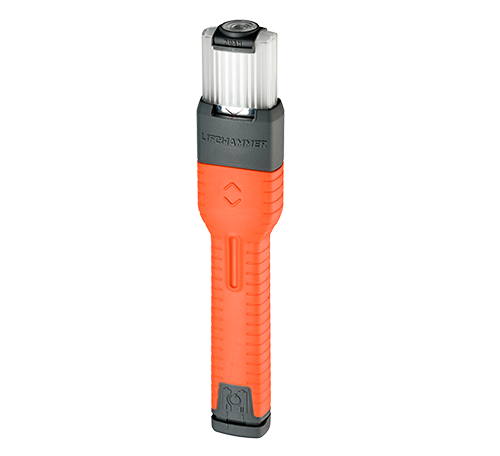
Finally, review your emergency kit. A basic family car kit should include a first aid pack, a warning triangle or safety vest, a torch, and a car escape tool. Knowing these items are present and accessible gives you a clear head before the journey begins.
How should you secure children correctly in a moving vehicle?
Children should always travel in a seat that matches their current weight and height, fitted according to the manufacturer’s instructions, with harness straps snug against the body and the chest clip positioned at armpit level. No child should travel unrestrained or in a seat that has been outgrown.
Infant carriers should face rearward until the child reaches the maximum weight or height limit for that seat, which is typically well past the first birthday. Rear-facing seats distribute crash forces across the back, head, and neck far more effectively than forward-facing alternatives for young children.
Once a child moves to a forward-facing harness seat, check the harness tension regularly. A correctly fitted harness should not allow you to pinch any slack at the shoulder. As children grow, booster seats with a high back provide head and neck support that a backless cushion alone cannot offer.
Older children who have outgrown booster seats should use the full three-point seatbelt, with the lap belt sitting low across the hips and the shoulder belt crossing the chest, not the neck. Never route a shoulder belt behind the back or under the arm.
What should you keep within reach in case of a car emergency with kids?
In a car emergency with children on board, the items that matter most are a car escape tool capable of cutting a jammed seatbelt and breaking tempered side window glass, a first aid kit, a charged mobile phone, and a high-visibility safety vest. These cover the most likely scenarios where quick action is needed.
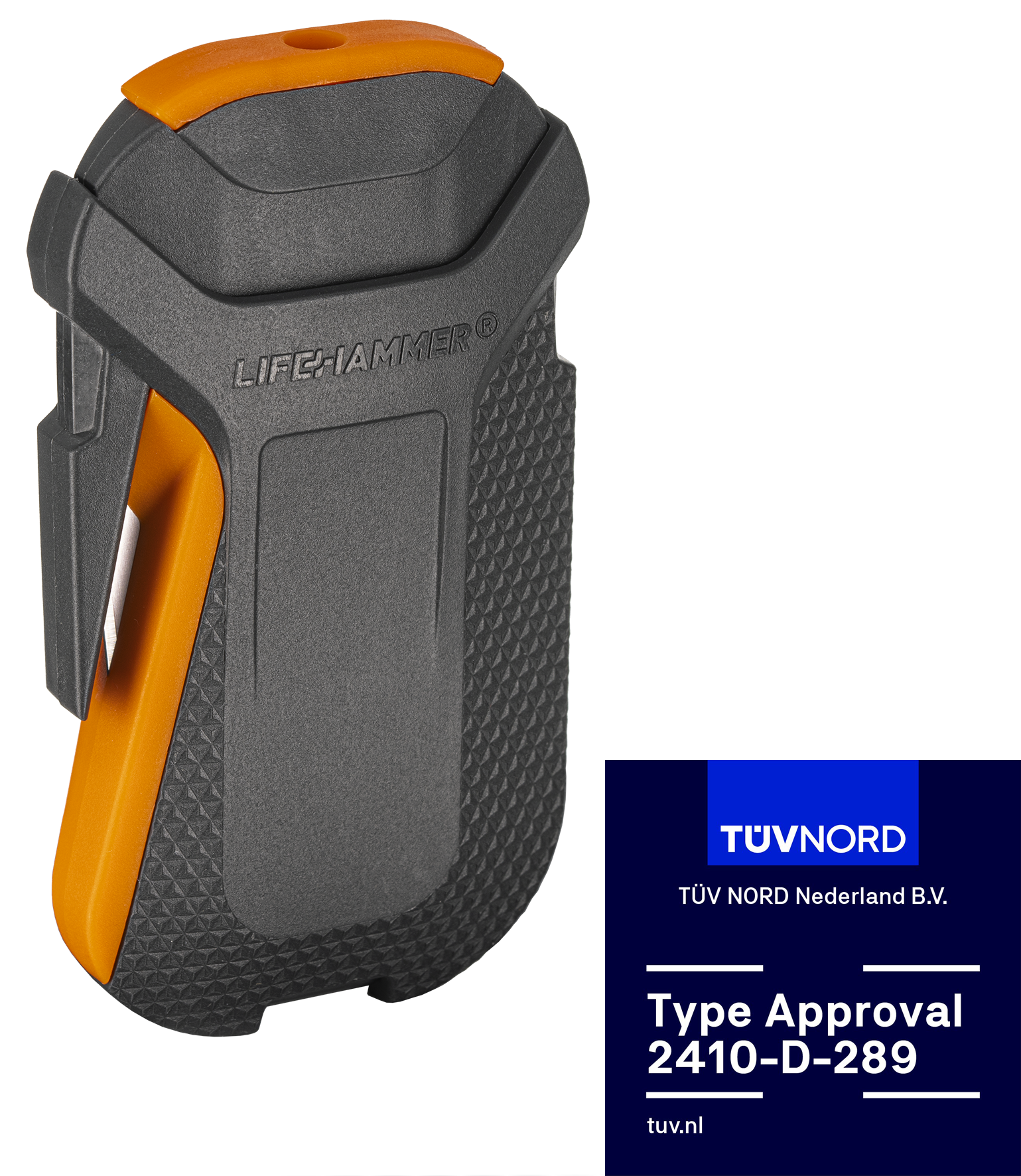
A seatbelt cutter addresses one of the most common post-accident complications: a belt that locks under tension and cannot be released by hand. A window-breaking tool for tempered glass provides a secondary exit when doors cannot be opened. Together, these two functions are what a quality car escape tool delivers.
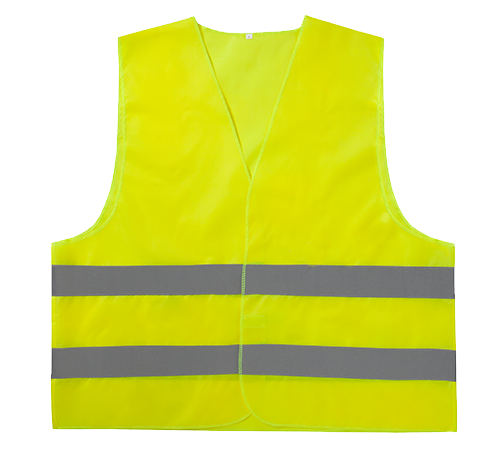
A compact first aid kit handles minor injuries and buys time while waiting for professional help. Keep it in the glovebox or a door pocket, not buried in the boot. Similarly, a high-visibility vest stored within the cabin means you can make yourself seen immediately after pulling over, without opening the boot in live traffic.
For longer journeys, add a small supply of water, a blanket, and a portable phone charger. These are not emergency tools in the strict sense, but they reduce the impact of a breakdown in cold weather or in a location with poor mobile coverage.
Where should a safety hammer be stored in a family car?
A safety hammer should be stored within arm’s reach of the driver or front passenger, typically mounted on the door panel, the centre console, or the dashboard area away from airbag zones. The goal is to be able to reach it without unbuckling or leaving your seat.
Storing a safety hammer in the glovebox or the boot defeats its purpose. In a post-accident scenario where a door is jammed or the car has come to rest at an angle, a tool stored out of immediate reach may be impossible to retrieve. Accessibility is the single most important factor in where you position it.
For families, it is worth considering whether a second unit should be positioned within reach of a rear passenger. Older children or a second adult sitting in the back can act independently if the front of the vehicle is inaccessible. Mounting options vary by model, and some units attach using 3M adhesive tape, which makes repositioning straightforward without requiring tools.
Avoid placing a safety hammer anywhere that an airbag could deploy into. Consult your vehicle handbook to identify airbag zones before choosing a mounting position.
What childproofing steps reduce distraction hazards on long drives?
To reduce distraction hazards on long drives with children, organise entertainment and snacks before departure so that children can manage them independently, secure all loose items so nothing rolls into the footwell, and set clear expectations with older children about noise and movement during the journey.
Preparation is the most effective tool here. Load tablets or devices with downloaded content so that connectivity gaps do not prompt requests for help from the driver. Use seat organisers or back-seat pocket panels to keep snacks, drinks, and toys within a child’s reach without requiring adult intervention.
Plan rest stops at regular intervals, roughly every ninety minutes to two hours. Children who are given the chance to move and release energy are less likely to become restless and disruptive during the driving portions. Factoring these stops into your schedule also reduces the temptation to push through when fatigue is building.
Keep the driver’s environment clear. Avoid placing items on the front passenger seat that you might reach for while moving, and put your own phone on a mount or in a bag where it is not visible. Driver distraction is a leading cause of road incidents, and the presence of children makes calm, focused driving even more important.
Should every family car carry a dedicated car escape tool?
Yes, every family car should carry a dedicated car escape tool. A quality escape tool combines a seatbelt cutter and a window-breaking spike for tempered glass in a single compact unit, giving any occupant the means to exit a vehicle quickly if doors are jammed or a belt cannot be released by hand.
Modern vehicles are well-engineered, but no engineering eliminates the possibility of a door that will not open after an impact, a seatbelt that locks under tension, or a window that cannot be lowered because the electronics have failed. An escape tool addresses all three scenarios and costs very little relative to the protection it provides.
For families specifically, the spring-loaded mechanism found in quality escape tools is an important feature. It requires minimal force to activate, which means it can be used by adults of different physical strength levels without needing to generate a full manual swing. This matters when the user is stressed, injured, or working in a confined position.
A car escape tool is not a substitute for safe driving or correct child restraint use. It is a last-resort measure for situations that good preparation cannot always prevent. Carrying one is a straightforward, low-cost decision that closes a genuine gap in family car safety.
How Lifehammer® supports family car safety
We have been developing TÜV-certified vehicle safety products since 1983, with a focus on tools that work reliably when they are actually needed. For families preparing for long journeys, our product range covers the most important bases.
- Safety hammers for every need: The Lifehammer® Safety Hammer SMART uses a ceramic striking pin and an integrated seatbelt cutter, and attaches using 3M VHB adhesive tape for flexible positioning within the cabin. The Classic and Plus models feature a hardened steel hammer head and are equally suited to family vehicles. All models break tempered side window glass and cut through jammed seatbelts.
- Minimal force required: The spring-loaded mechanism in our escape tools requires very little physical effort, making them usable by adults of varying strength in a stressful situation.
- Trusted by professionals: Our products are used by first responders and fleet operators who rely on tools that perform without fail. Families benefit from the same standard of reliability.
- Compact safety vest: The Lifehammer® Safety Vest Ultra stores discreetly under a seat and is immediately ready when you need to be visible at the roadside.
If you have questions about which product suits your vehicle or how to mount it correctly, you will find practical guidance in our frequently asked questions.