 English
 Nederlands
 Deutsch



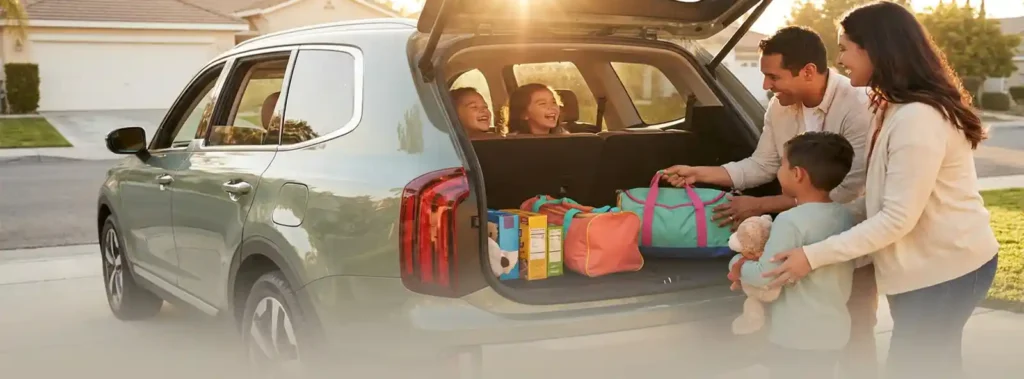
For a long car journey with children, you should pack snacks, drinks, entertainment, a change of clothes, a travel first aid kit, and important documents. Add to that some practical remedies for nausea and safety equipment for emergencies. The better prepared you are, the more relaxed the trip will be for everyone involved. In this article, we answer the most common questions about traveling by car with children.
What belongs on a packing list for a road trip with children?
For a long car journey with children, you should bring snacks, plenty of drinks, entertainment, a change of clothes, a travel first aid kit with motion sickness remedies, and all essential travel documents. Working through these categories systematically means nothing important gets forgotten and saves you unnecessary stress right before departure.
A well-thought-out packing list can be divided into several areas:
- Food and drink: Small snacks like fruit, crackers, or vegetable sticks are ideal. Avoid strongly scented or greasy foods, which can contribute to nausea. Enough water for all passengers is essential, especially in warm summer temperatures.
- Entertainment: Audiobooks, children’s podcasts, tablets with downloaded movies, and travel games will keep kids occupied. Analog alternatives like coloring books or puzzle booklets are equally useful when the battery runs out.
- Clothing: One spare outfit per child is a must. Small accidents happen quickly on the road, and a fresh t-shirt can instantly lift everyone’s mood.
- Travel first aid kit: Pain relievers, bandages, antiseptic, a thermometer, and a motion sickness remedy should all be within easy reach.
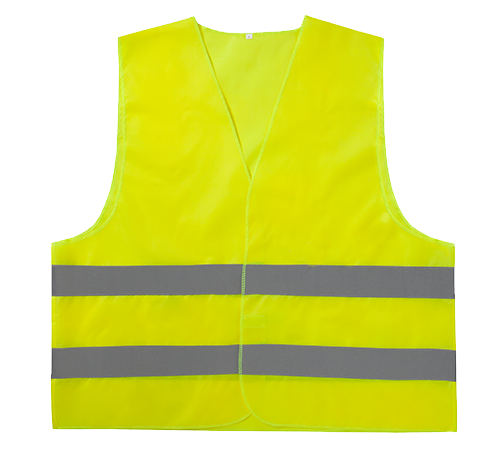
- Documents and required equipment: Your driver’s license, vehicle registration, proof of insurance, and the legally required reflective vest and warning triangle must not be forgotten.
Also plan for a small bag that stays in the passenger compartment so children can access their belongings themselves, without you having to stop every time.
How do you keep children entertained on long car trips?
The best way to keep children entertained on long car trips is with a mix of audio stories, travel games, creative activities, and limited screen time. Variety matters more than any single form of entertainment, because attention spans vary greatly depending on age.
Here are tried-and-tested methods that work well on long journeys:
- Audio stories and podcasts: Classic series play in the background without children having to stare at a screen. This is easier on the eyes and helps prevent nausea.
- No-equipment travel games: Games like “I Spy,” the license plate game, or 20 Questions cost nothing and help build concentration at the same time.
- Creative activities: A travel journal, coloring books, or simple puzzle booklets give children a meaningful activity they can manage on their own.
- Strategic screen time: Tablets or smartphones with pre-downloaded movies or games are not a failure — they are a practical tool. Save them for the most challenging stretches of the journey, such as after lunch.
- Managing expectations: Before you set off, explain to children roughly how long the journey will take and give them small milestones to look forward to. “When we reach the next rest stop, you can pick a snack” creates anticipation instead of impatience.
How often should you take breaks on long car trips with children?
With children, you should take a break roughly every one to two hours on long car journeys. Toddlers under three need more frequent stops, while older children and teenagers can often manage two hours comfortably. Regular breaks noticeably reduce restlessness, nausea, and fatigue.
At a rest stop or suitable parking area, children should have a real opportunity to move around. A short walk, a few stretches, or simply running around freely is enough to release tension and improve the mood in the car for the next leg of the journey.
Plan breaks actively into your route rather than waiting until someone starts complaining. A break every 90 minutes as a set rhythm gives children a sense of structure and prevents mounting tension from escalating into conflict. Use breaks to hand out snacks and refill drinks so everyone stays well hydrated.
What helps with nausea in children during car travel?
Fresh air, looking forward through the window, light snacks, regular breaks, and — when necessary — over-the-counter motion sickness remedies all help with nausea in children during car travel. Motion sickness occurs when the inner ear and the eyes send conflicting signals to the brain.
The following measures have proven effective in practice:
- Seating position: Children who face forward and can look out the window are less likely to feel nauseous. Where possible, they should sit in the middle of the back seat for a clear view ahead.
- Fresh air: Open the window slightly or set the air conditioning to draw in fresh outside air. Stuffy air noticeably worsens discomfort.
- Light food: An empty stomach makes nausea worse — but so does a full one. Small, light snacks like crackers or plain toast are better than a heavy meal shortly before departure.
- Avoid screens: Reading or looking at tablets makes symptoms worse. Audio stories are a good alternative that keeps children distracted without upsetting their stomachs.
- Ginger: Ginger tea or ginger cookies can help with mild nausea and are well tolerated by children.
- Medication: For frequent or severe motion sickness, it is worth speaking with your pediatrician or pharmacist. There are over-the-counter remedies approved for children above a certain age.
What safety equipment should you have in the car when traveling with children?
When traveling with children, you should carry not only the legally required warning triangle and reflective vest, but also a first aid kit, a fire extinguisher, and a vehicle escape tool. Especially with children on board, it is worth being prepared beyond the minimum requirements.
The legal minimum equipment in the United States includes:
- Warning triangle
- Reflective vest (at least one; recommended for all occupants)
- First aid kit
In addition, the following items are recommended for long journeys with children:
- Extra reflective vests: One vest per person in the vehicle ensures that all occupants — including the children — are visible in the event of a breakdown on the road.
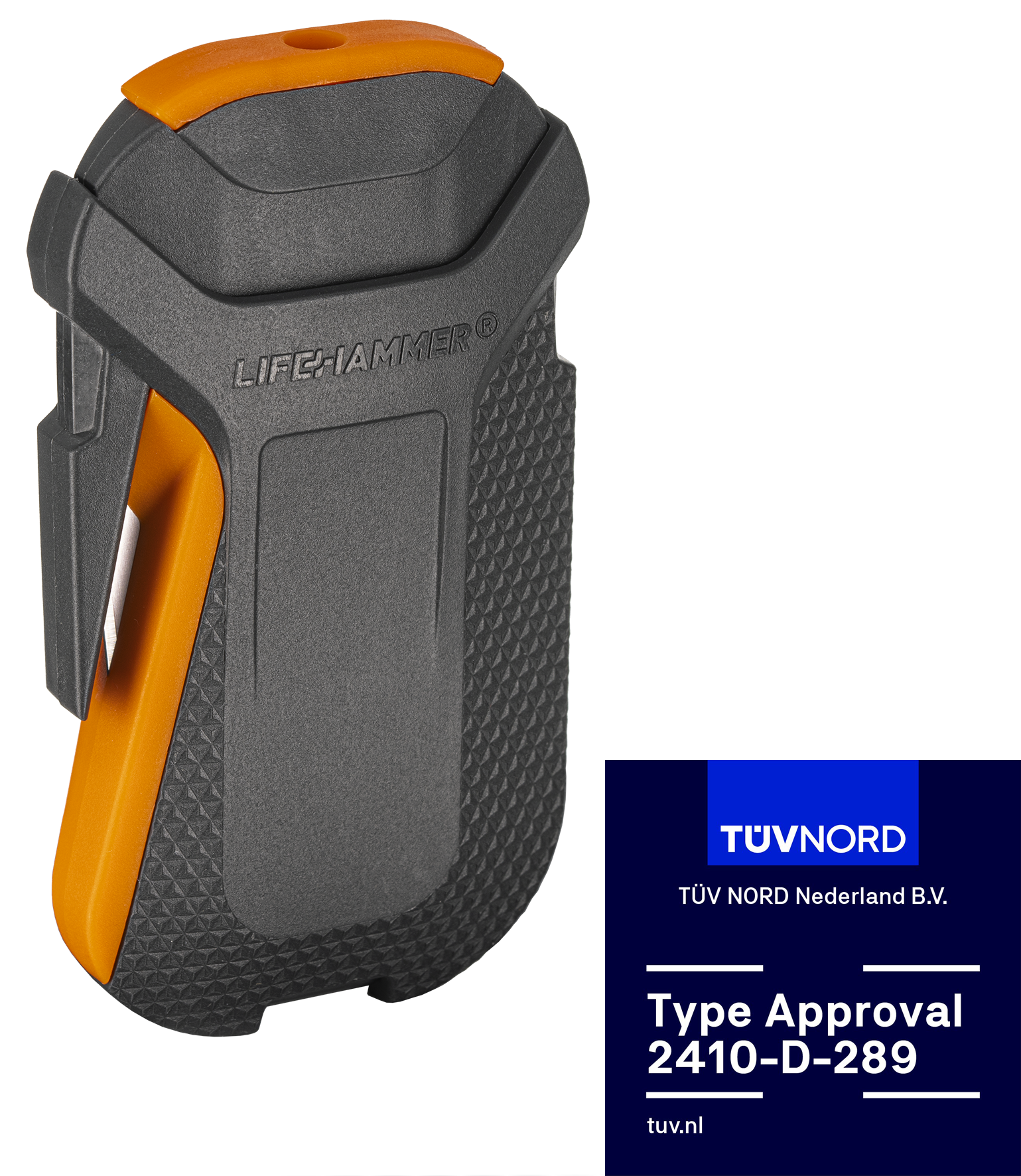
- Safety hammer: A safety hammer with an integrated seatbelt cutter allows for a quick exit from the vehicle in an emergency. It should be mounted within easy reach, not stored in the trunk.
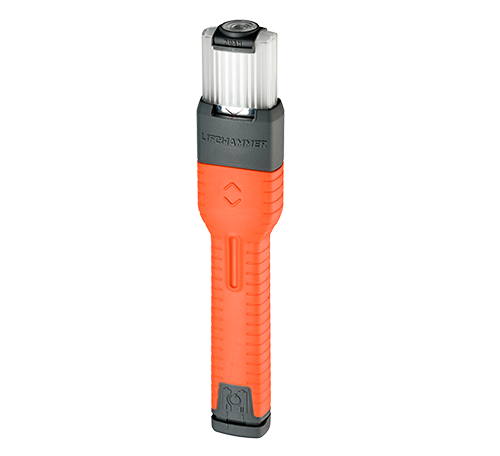
- Flashlight or safety light: In the event of a breakdown after dark, a reliable light source is essential for making yourself and your children visible.
- Charging cable and power bank: To ensure your phone is always ready to make emergency calls.
Check your equipment before every longer trip. An expired first aid kit or a discharged fire extinguisher will be of no use when it matters most.
How Lifehammer® supports you on car journeys with children
At Lifehammer®, we develop safety products that work exactly when you truly need them. For families who regularly travel with children, that means reliable equipment mounted within reach in the vehicle — with no compromises on materials.
- Our safety hammer range includes four models. The Classic and Plus use a manual hardened carbon steel hammerhead; the Evolution and Smart use an automatic ceramic hammerhead. All four feature a seatbelt cutter and are immediately at hand in an emergency.
- All Lifehammer® safety hammers are TÜV-certified and have been used by fire departments and police for decades.
- Our Safety Vest Ultra comes in an ultra-flat vacuum pack that fits under any floor mat, suitable for adults and children alike.
If you have questions about our products or would like to know which equipment is best suited for your vehicles, you can find out more and get in touch with us directly.