 English
 Nederlands
 Deutsch





A road trip is one of those things that rewards preparation without demanding perfection. You do not need to plan every detail, but a little thought before you leave makes a real difference to how the journey unfolds. Whether you are driving across the country for a holiday or heading out for a long weekend with family, the same practical questions come up every time. This guide works through each of them clearly, so you can get on the road feeling organised and ready.
What should you check on your car before a road trip?
Before a road trip, check your tyres, oil, coolant, brake fluid, windscreen washer fluid, lights, and wipers. These are the areas most likely to cause problems on a long drive, and most can be checked in under fifteen minutes at home or at a petrol station before you leave. Start with your tyres. Check the pressure against the recommended level in your owner’s manual, and inspect the tread depth while you are at it. Underinflated tyres reduce fuel efficiency and affect handling, especially at motorway speeds. Do not forget the spare. Under the bonnet, top up any fluids that are running low and check your oil level with the dipstick. If your car is due for a service, it is worth getting it done before a long journey rather than after. A pre-trip check is also a good moment to look at your wiper blades. Worn blades are easy to ignore until you are driving in heavy rain and cannot see clearly. Finally, test all your lights, including indicators and brake lights. Ask someone to stand behind the car while you press the brakes, or reverse towards a wall and check the reflection.What should you pack in your car for a road trip?
For a road trip, pack a breakdown kit, navigation tools, snacks and water, phone chargers, and any documents you may need. Beyond the basics, consider what you would need if the journey took longer than expected or if something went wrong along the way. A practical packing list for the car itself includes:- A physical map or downloaded offline route as a backup to your phone
- A phone charger or power bank
- Water and snacks for all passengers
- A first aid kit
- A warning triangle or road flares
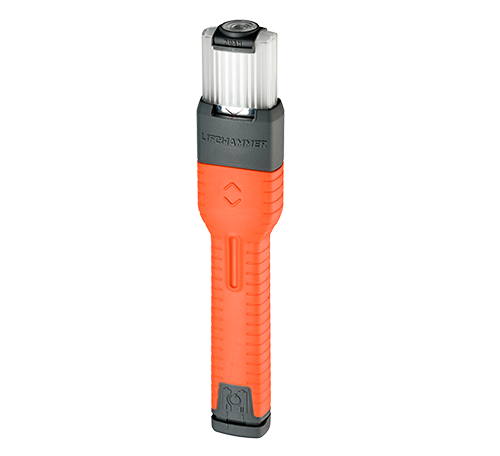
- A torch
- Jumper cables or a jump starter pack
- A blanket, especially for winter journeys
- Sunglasses for daytime driving
What safety items are important for every car journey?
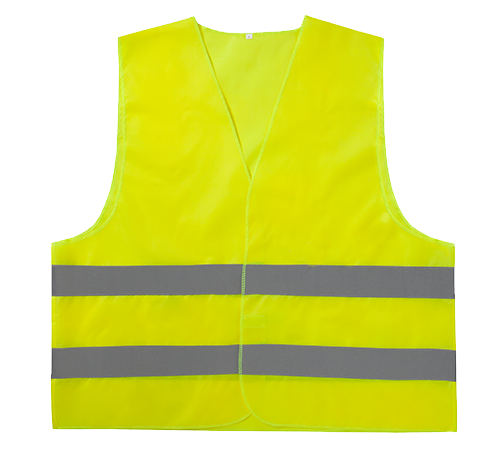
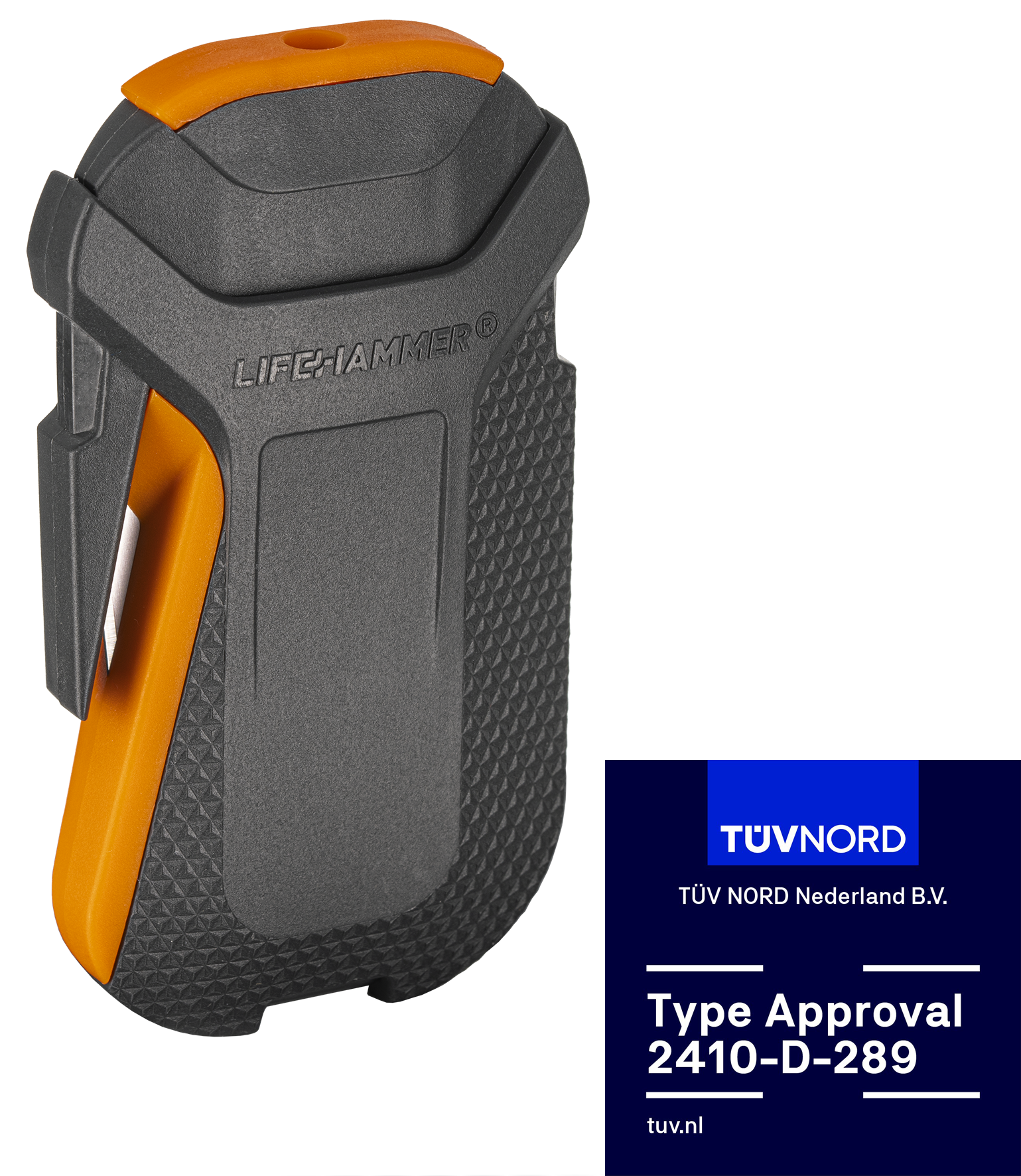
The most important safety items for every car journey are a warning triangle, a reflective vest, a first aid kit, a torch, and a car escape tool. These cover the most common situations where you might need to act quickly or signal your presence to other drivers. A warning triangle or road flare lets you alert other drivers if you break down or stop unexpectedly. A reflective vest makes you visible if you have to get out of the car on a busy road or in low light. Both are legally required in many European countries, so carrying them is not just sensible, it is often mandatory. A first aid kit should be stocked and checked regularly. Many people carry one that has never been opened, which means they do not know whether supplies have expired or been used. A car escape tool is worth including in your road trip safety kit. Modern vehicles use tempered side windows that can be broken in an emergency, and a seatbelt cutter can help free an occupant who cannot release their belt after an impact. These tools are compact and designed to be stored within reach, typically mounted on the car door or centre console.How do you plan the best route for a road trip?
To plan the best road trip route, identify your destination and total driving time, then break the journey into manageable daily stages. Factor in rest stops, fuel, and any planned detours before you commit to a final plan. A good route balances efficiency with enjoyment. Start by deciding how many hours per day you are comfortable driving. Most people find that four to six hours of actual driving is a reasonable daily limit, especially with passengers or children. Anything longer tends to increase fatigue without adding much extra ground.Should you use one navigation app or plan your own route?
Navigation apps are reliable for real-time traffic and alternative routes, but they do not always account for scenic roads, planned stops, or border crossing times. A combination works well: use an app for live navigation, but plan your stages and overnight stops in advance so you are not making decisions on the move. If you are driving through multiple countries, check whether your mobile data plan covers roaming, or download offline maps before you leave. Losing navigation in an unfamiliar area is avoidable with a small amount of preparation.How do you stay safe when driving long distances?
To stay safe on long drives, take regular breaks, avoid driving when tired, keep distractions to a minimum, and adjust your driving to road and weather conditions. Fatigue is one of the most significant risks on long-distance journeys, and it builds gradually without always feeling obvious. The general guidance is to stop for at least fifteen minutes every two hours. A short walk, a drink, and a change of scenery help reset your concentration. If you feel drowsy, stopping is always the right decision. Caffeine can provide a short-term boost, but it is not a substitute for rest. On motorways, maintain a safe following distance and be aware of how monotony affects alertness. Long, straight roads can cause attention to drift. If you are sharing driving with another person, plan your changeovers in advance so neither driver pushes beyond their comfortable limit. In poor weather, slow down and increase your following distance. Wet roads significantly extend stopping distances, and visibility can change quickly. Make sure your headlights are on and your windscreen is clear before you set off.What should you do if something goes wrong on a road trip?
If something goes wrong on a road trip, move the vehicle to a safe location if possible, turn on your hazard lights, and make yourself visible to other drivers before doing anything else. Stay calm, assess the situation, and contact roadside assistance if the problem is beyond what you can handle safely. If you break down on a motorway or fast road, get out of the vehicle on the side away from traffic and wait behind a barrier if one is available. Do not attempt repairs on a live carriageway. Use your warning triangle to alert approaching traffic, but only if it is safe to place it. For minor issues like a flat tyre, a jump start, or running out of fuel, breakdown membership or roadside assistance cover means you can make one call and wait for help. This is worth having in place before you travel, not after something goes wrong. If you are involved in an accident, check that everyone is safe, call the emergency services if needed, and exchange details with any other drivers involved. Document the scene with photographs before moving vehicles if it is safe to do so. Keep your insurance documents accessible, either in the glovebox or saved digitally on your phone.How Lifehammer® supports your road trip safety
We have been developing vehicle safety tools since 1983, and road trip preparation is exactly the kind of situation our products are designed for. Being equipped before you leave is always better than wishing you had thought of it on the road.- All Lifehammer® safety hammers are TÜV certified and trusted by first responders and fleet operators across Europe
- Our Safety Vest Ultra is vacuum-packed for compact storage and opens to a one-size-fits-all high-visibility vest
- Easy installation: no screws required. Attaches to the car door or center console, stays securely in place, and is immediately at hand in an emergency.
- The product line includes four models: the Safety Hammer Classic and Safety Hammer Plus use a manual hardened steel hammerhead; the Safety Hammer Evolution and Safety Hammer Smart use an automatic ceramic hammerhead. All four include a seatbelt cutter.