 Deutsch
 English
 Nederlands






Eine Reise mit dem Auto gehört zu den Erlebnissen, die von guter Vorbereitung profitieren, ohne dass man jedes Detail planen muss. Es ist nicht nötig, alles bis ins Kleinste festzulegen, aber ein wenig Nachdenken vor der Abfahrt macht einen echten Unterschied darin, wie die Reise verläuft. Ob man quer durchs Land in den Urlaub fährt oder mit der Familie ein langes Wochenende verbringt – immer wieder stellen sich dieselben praktischen Fragen. Dieser Leitfaden geht sie Schritt für Schritt durch, damit man gut organisiert und entspannt starten kann.
Was sollte man vor einer Reise am Auto überprüfen?
Vor einer langen Fahrt sollte man Reifen, Öl, Kühlmittel, Bremsflüssigkeit, Scheibenwaschflüssigkeit, Beleuchtung und Scheibenwischer kontrollieren. Das sind die Bereiche, die auf langen Strecken am häufigsten Probleme verursachen – und die meisten lassen sich in weniger als fünfzehn Minuten zu Hause oder an einer Tankstelle vor der Abfahrt prüfen.
Zuerst die Reifen: Den Luftdruck mit dem empfohlenen Wert aus dem Fahrzeughandbuch abgleichen und gleichzeitig die Profiltiefe kontrollieren. Zu wenig Luftdruck erhöht den Kraftstoffverbrauch und beeinträchtigt das Fahrverhalten, besonders bei Autobahngeschwindigkeit. Das Reserverad nicht vergessen.
Unter der Motorhaube alle Flüssigkeiten auffüllen, die zu niedrig sind, und den Ölstand mit dem Messstab prüfen. Steht ein Servicetermin an, lohnt es sich, diesen vor der langen Fahrt wahrzunehmen. Eine Vorfahrtkontrolle ist auch ein guter Moment, um die Scheibenwischerblätter zu prüfen. Verschlissene Wischerblätter fallen kaum auf – bis man bei starkem Regen fährt und kaum noch etwas sieht.
Abschließend alle Lichter testen, einschließlich Blinker und Bremslichter. Am besten bittet man jemanden, hinter dem Auto zu stehen, während man auf die Bremse tritt, oder man fährt rückwärts auf eine Wand zu und kontrolliert die Reflexion.
Was sollte man für eine Reise ins Auto packen?
Für eine Reise mit dem Auto gehören ein Pannenhilfeset, Navigationsmittel, Snacks und Wasser, Ladekabel fürs Handy sowie alle wichtigen Dokumente ins Gepäck. Darüber hinaus sollte man überlegen, was man bräuchte, wenn die Fahrt länger dauert als geplant oder etwas schiefgeht.
Eine praktische Packliste für das Auto umfasst:
- Eine Papierkarte oder eine heruntergeladene Offline-Route als Backup zum Smartphone
- Ein Ladekabel oder eine Powerbank
- Wasser und Snacks für alle Mitfahrenden
- Ein Erste-Hilfe-Set
- Ein Warndreieck oder Straßenfackeln
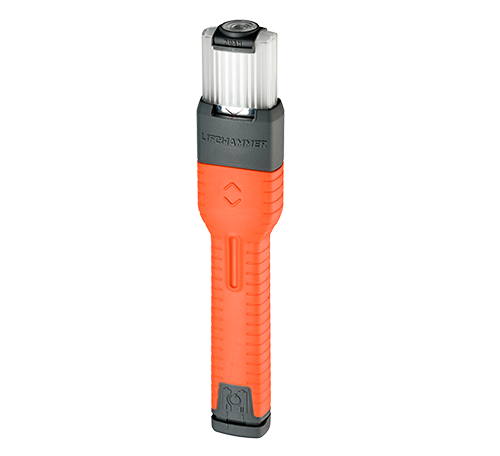
- Eine Taschenlampe
- Starthilfekabel oder ein Starthilfegerät
- Eine Decke, besonders für Winterfahrten
- Eine Sonnenbrille für Fahrten bei Tageslicht
Wer mit Kindern reist, sollte Beschäftigung, zusätzliche Snacks und benötigte Medikamente einpacken. Bei Grenzübertritten Führerschein, Fahrzeugschein und Versicherungsunterlagen mitführen. Einige Länder schreiben bestimmte Ausrüstungsgegenstände gesetzlich vor, etwa eine Warnweste – daher die Vorschriften für das Reiseziel vorab prüfen.
Welche Sicherheitsausrüstung ist bei jeder Autofahrt wichtig?
Die wichtigsten Sicherheitsutensilien für jede Autofahrt sind ein Warndreieck, eine Warnweste, ein Erste-Hilfe-Set, eine Taschenlampe und ein Fahrzeugnotfallhammer. Diese decken die häufigsten Situationen ab, in denen man schnell handeln oder sich anderen Verkehrsteilnehmern bemerkbar machen muss.
Ein Warndreieck oder eine Straßenfackel ermöglicht es, andere Fahrer zu warnen, wenn man liegenbleibt oder unerwartet anhalten muss. Eine Warnweste macht einen sichtbar, wenn man bei viel Verkehr oder schlechten Lichtverhältnissen das Fahrzeug verlassen muss. Beides ist in vielen europäischen Ländern gesetzlich vorgeschrieben – das Mitführen ist also nicht nur sinnvoll, sondern oft auch Pflicht.
Ein Erste-Hilfe-Set sollte vollständig bestückt und regelmäßig überprüft werden. Viele tragen eines mit, das noch nie geöffnet wurde – und wissen daher nicht, ob Verbrauchsmaterial abgelaufen oder aufgebraucht ist.
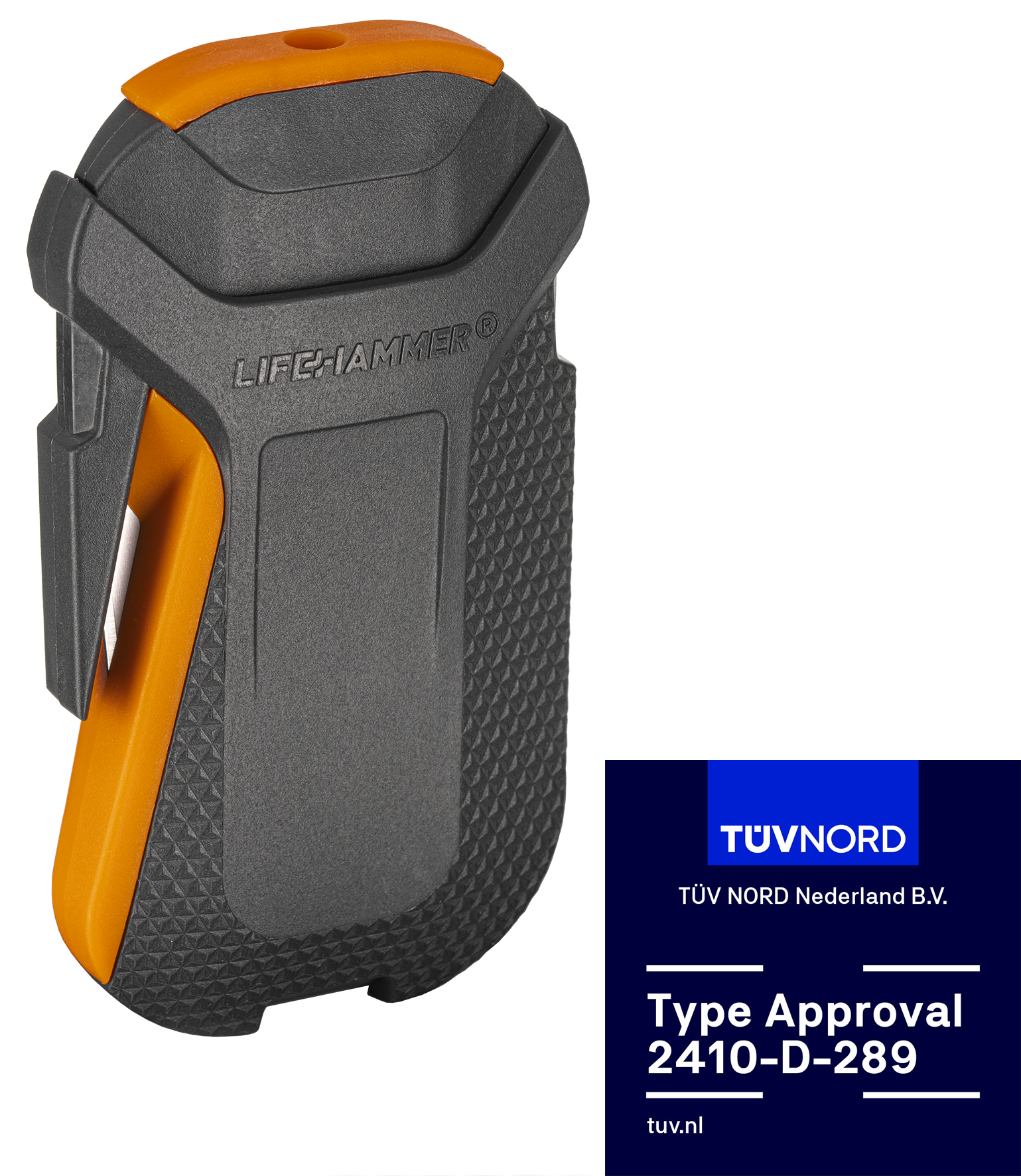
Ein Fahrzeugnotfallhammer gehört ebenfalls zur Sicherheitsausrüstung für die Reise. Moderne Fahrzeuge haben Seitenscheiben aus Einscheibensicherheitsglas, die im Notfall eingeschlagen werden können. Ein Gurtschneider kann dabei helfen, eine Person zu befreien, die nach einem Aufprall den Gurt nicht mehr lösen kann. Diese Werkzeuge sind kompakt und so konzipiert, dass sie griffbereit aufbewahrt werden können – typischerweise an der Fahrzeugtür oder der Mittelkonsole.
Wie plant man die beste Route für eine Reise?
Für die optimale Reiseroute zunächst Ziel und Gesamtfahrzeit festlegen und die Strecke dann in überschaubare Tagesetappen aufteilen. Pausen, Tankstopps und geplante Umwege einkalkulieren, bevor man den endgültigen Plan festlegt. Eine gute Route verbindet Effizienz mit Reisegenuss.
Zuerst festlegen, wie viele Stunden Fahrt pro Tag angenehm sind. Die meisten Menschen empfinden vier bis sechs Stunden tatsächliche Fahrzeit als vernünftiges Tageslimit, besonders mit Mitfahrenden oder Kindern. Längere Etappen steigern meist die Ermüdung, ohne nennenswert mehr Strecke zu machen.
Navigations-App nutzen oder die Route selbst planen?
Navigations-Apps sind zuverlässig für aktuelle Verkehrsinformationen und alternative Routen, berücksichtigen aber nicht immer Panoramastraßen, geplante Stopps oder Wartezeiten an Grenzübergängen. Eine Kombination funktioniert gut: die App für die Live-Navigation nutzen, Etappen und Übernachtungsorte aber vorab planen, damit unterwegs keine spontanen Entscheidungen nötig sind.
Wer durch mehrere Länder fährt, sollte prüfen, ob der Datentarif Roaming abdeckt, oder Offline-Karten vor der Abfahrt herunterladen. Ohne Navigation in unbekanntem Gebiet dazustehen, lässt sich mit wenig Aufwand vermeiden.
Wie bleibt man bei langen Fahrten sicher?
Für sichere Langstreckenfahrten regelmäßige Pausen einlegen, nicht übermüdet fahren, Ablenkungen auf ein Minimum reduzieren und die Fahrweise den Straßen- und Wetterverhältnissen anpassen. Müdigkeit ist eines der größten Risiken auf langen Strecken und schleicht sich allmählich ein, ohne dass man es immer deutlich merkt.
Die allgemeine Empfehlung lautet: mindestens alle zwei Stunden eine Pause von mindestens fünfzehn Minuten einlegen. Ein kurzer Spaziergang, etwas zu trinken und ein Ortswechsel helfen, die Konzentration wiederherzustellen. Wer sich schläfrig fühlt, sollte immer anhalten. Koffein kann kurzfristig helfen, ersetzt aber keine echte Ruhepause.
Auf Autobahnen ausreichend Abstand halten und sich bewusst sein, wie Monotonie die Aufmerksamkeit beeinträchtigt. Lange, gerade Strecken können dazu führen, dass die Konzentration nachlässt. Wer sich das Fahren mit einer anderen Person teilt, sollte die Wechsel im Voraus planen, damit keiner über seine Grenzen hinaus fährt.
Bei schlechtem Wetter die Geschwindigkeit reduzieren und den Abstand vergrößern. Nasse Fahrbahnen verlängern den Bremsweg erheblich, und die Sicht kann sich schnell verschlechtern. Vor der Abfahrt sicherstellen, dass die Scheinwerfer eingeschaltet und die Scheiben frei sind.
Was tun, wenn auf der Reise etwas schiefgeht?
Wenn auf einer Reise etwas schiefgeht, das Fahrzeug wenn möglich an einen sicheren Ort fahren, die Warnblinkanlage einschalten und sich für andere Verkehrsteilnehmer sichtbar machen, bevor man irgendetwas anderes tut. Ruhe bewahren, die Lage einschätzen und den Pannendienst rufen, wenn das Problem nicht sicher selbst behoben werden kann.
Bei einer Panne auf der Autobahn oder einer Schnellstraße das Fahrzeug auf der dem Verkehr abgewandten Seite verlassen und wenn möglich hinter einer Leitplanke warten. Keine Reparaturversuche auf der Fahrbahn. Das Warndreieck aufstellen, um den herannahenden Verkehr zu warnen – aber nur, wenn es sicher ist, es zu platzieren.
Bei kleineren Problemen wie einem Reifenplatzer, einem Starthilfe-Bedarf oder leerem Tank bedeutet eine Pannenhilfe-Mitgliedschaft oder ein Schutzbrief: einmal anrufen und auf Hilfe warten. Das sollte vor der Reise geregelt sein, nicht erst, wenn etwas passiert ist.
Bei einem Unfall zunächst prüfen, ob alle unverletzt sind, bei Bedarf den Notruf wählen und Daten mit anderen beteiligten Fahrern austauschen. Die Unfallstelle fotografisch dokumentieren, bevor Fahrzeuge bewegt werden – sofern dies sicher möglich ist. Die Versicherungsunterlagen griffbereit aufbewahren, entweder im Handschuhfach oder digital auf dem Smartphone gespeichert.
Wie Lifehammer® Ihre Sicherheit auf Reisen unterstützt
Lifehammer® entwickelt seit 1983 TÜV-zertifizierte Fahrzeugsicherheitsprodukte, die speziell für den Einsatz im Notfall konzipiert sind und höchste Qualitätsstandards erfüllen.
- Sicherheitshammer für jeden Bedarf: Lifehammer® bietet vier Modelle an – Classic und Plus mit manuellem Hammerkopf aus gehärtetem Kohlenstoffstahl sowie Evolution und Smart mit automatischem Keramik-Hammerkopf. Alle vier Modelle verfügen über einen integrierten Gurtschneider und zertrümmern Seitenscheiben aus gehärtetem Glas (ESG) zuverlässig.
- Einfache Montage: Keine Schrauben erforderlich. Der Sicherheitshammer wird an der Autotür oder Mittelkonsole befestigt und ist im Notfall sofort griffbereit.
- Safety Vest Ultra: Die kompakte Sicherheitsweste von Lifehammer® lässt sich platzsparend unter der Fußmatte verstauen und ist im Bedarfsfall sofort einsatzbereit – ideal für jede Fahrt.
Weitere Informationen zur Safety Vest Ultra sowie Antworten auf häufige Fragen zu allen Lifehammer®-Produkten finden Sie in unserem Q&A-Bereich. Alle Lifehammer®-Produkte sind außerdem direkt bei Amazon erhältlich.