 English
 Nederlands
 Deutsch






Before driving an unfamiliar vehicle, check the location of the main safety controls, confirm the seatbelts function correctly, assess visibility, and verify that a car escape tool is within reach. These checks apply whether you are borrowing a friend’s car, picking up a hire vehicle, or stepping into an unfamiliar fleet car. The questions below walk through each check in practical order.
Where are the most critical safety controls located in an unfamiliar car?
In an unfamiliar vehicle, the most important safety controls to locate before moving off are the hazard lights, the horn, the headlight switch, the windscreen wiper controls, and the parking brake. These are the controls you may need to operate quickly and instinctively, so finding them before you drive is a straightforward but genuinely useful habit.
Most modern cars follow broadly similar layouts, but the details vary enough to cause hesitation at the wrong moment. Hazard lights, for example, are usually a red triangle button on or near the centre console, but their exact position shifts between manufacturers. The parking brake may be a traditional lever, a foot pedal, or an electronic button. Wiper controls are almost always on the right-hand stalk behind the steering wheel in right-hand-drive cars, but the speed settings and washer trigger differ by model.
Spend two or three minutes in a stationary vehicle going through each of these controls before you pull away. Adjust the seat and mirrors at the same time. This is not overcaution; it is the same preparation that professional drivers and first responders apply as a matter of routine before operating any vehicle they have not driven before.
How do you quickly check if a car’s seatbelts are working properly?
To check a seatbelt in an unfamiliar car, pull the belt out fully to confirm it extends without resistance or fraying, then let it retract smoothly. Clip it into the buckle and tug the lap section firmly to confirm the buckle locks. Finally, lean forward sharply to check that the retractor locks under sudden movement. The whole process takes under thirty seconds per belt.
Look for visible signs of wear as you pull the belt across: cuts, tears, or stiffness in the webbing are signs that the belt may not perform as intended. A buckle that releases with only light pressure, or that feels loose when clicked, should be treated as a concern before driving. Seatbelts are the single most important passive safety feature in any vehicle, and a belt that fails to lock correctly in a sudden stop provides far less protection than one in good condition.
If you are driving with passengers, particularly children, check their belts individually. A belt that sits correctly across an adult may not position properly for a smaller person without adjustment. If the car has rear seatbelts, include those in your check even if the rear seats will be empty. It takes a few seconds and confirms the full system is functional.
What visibility checks should you do before driving a new vehicle?
Before driving an unfamiliar vehicle, adjust all three mirrors so you have a clear view of the road behind and both sides of the car. Check that the windscreen and rear window are clean and unobstructed. Confirm the wiper blades clear the glass properly, and check that the headlights, indicators, and rear lights are functioning if you will be driving in low light or poor weather.
Mirror adjustment is often skipped when borrowing or hiring a car, but it directly affects how much of the road you can monitor while driving. The interior mirror should frame the full rear window. Each door mirror should show a narrow strip of the car’s body on the inside edge, with the rest of the view covering the lane beside and behind you. If the car has blind spot monitoring or parking sensors, take a moment to understand how they signal; a warning light you do not recognise is less useful than one you have already identified.
Windscreen cleanliness matters more than many drivers realise. A smeared or dirty screen creates significant glare when driving into low sun, particularly in autumn and winter. If the car has a screen wash system, test it before you set off. If the wipers leave streaks, that is worth noting, and it is worth having a small microfibre cloth in your bag for a quick wipe before you move off.
Should you check for a car escape tool in any vehicle you drive?
Yes, checking for a car escape tool in any unfamiliar vehicle is a sensible part of your pre-drive routine. A car escape tool combines a seatbelt cutter and a window-breaking tip designed to cut through tempered side glass. If the vehicle does not have one, or if it is stored somewhere inaccessible, that is worth knowing before you drive rather than after.
Tempered glass, the type used in side windows, is specifically designed to resist impact from outside, but a focused strike with a hardened or ceramic tip at the corner of the window can break it cleanly. Laminated glass, which is typically used in windscreens, cannot be broken with a standard safety hammer, so it is the side windows that are the relevant exit points in an emergency. A seatbelt cutter works on the webbing directly, which matters if the buckle jams or the belt locks under tension after a collision.
In hire cars, shared vehicles, and older cars, escape tools are rarely standard equipment. If you are driving someone else’s vehicle, ask whether one is fitted and where it is stored. The most useful position for a car escape tool is within arm’s reach of the driver’s seat, not in the boot or glove compartment. If you travel regularly in different vehicles, keeping a compact escape tool in your bag or jacket means you always have access to one regardless of the car you are in.
What are the most commonly missed safety checks before driving someone else’s car?
The most commonly missed safety checks before driving someone else’s car are tyre condition, fuel level, warning lights on the dashboard, and the location of emergency equipment. These are easy to overlook when you are focused on adjusting the seat and mirrors, but each one can affect how safely the journey goes.
Tyre condition is particularly easy to miss because it requires stepping out of the car. A quick visual check of all four tyres takes less than a minute and tells you whether any are noticeably flat, bulging, or worn. You do not need a pressure gauge to spot a tyre that is significantly underinflated; it will sit visibly lower than the others. If the car has a tyre pressure monitoring system, check whether any warning is showing on the dashboard before you set off.
Dashboard warning lights are another area where drivers often assume everything is fine if the car starts. Spend a few seconds after the ignition is on to confirm that no warning lights remain lit. An engine warning, a low oil indicator, or a brake system alert are not things to drive away with, particularly in a car you do not know well.
Finally, check where the emergency equipment is stored. This includes the spare wheel or tyre repair kit, the vehicle’s breakdown information, and any safety items the owner keeps in the car. In an unfamiliar vehicle, knowing where things are before you need them saves significant time and stress if something goes wrong on the road.
How Lifehammer® supports you with car safety checks
At Lifehammer® we have been developing vehicle safety tools since 1983, and checking an unfamiliar car before driving is exactly the kind of situation our products are designed to support. Whether you are stepping into a hire car, borrowing a vehicle, or simply making sure your own car is properly equipped, we focus on tools that are reliable, compact, and genuinely useful when they are needed.
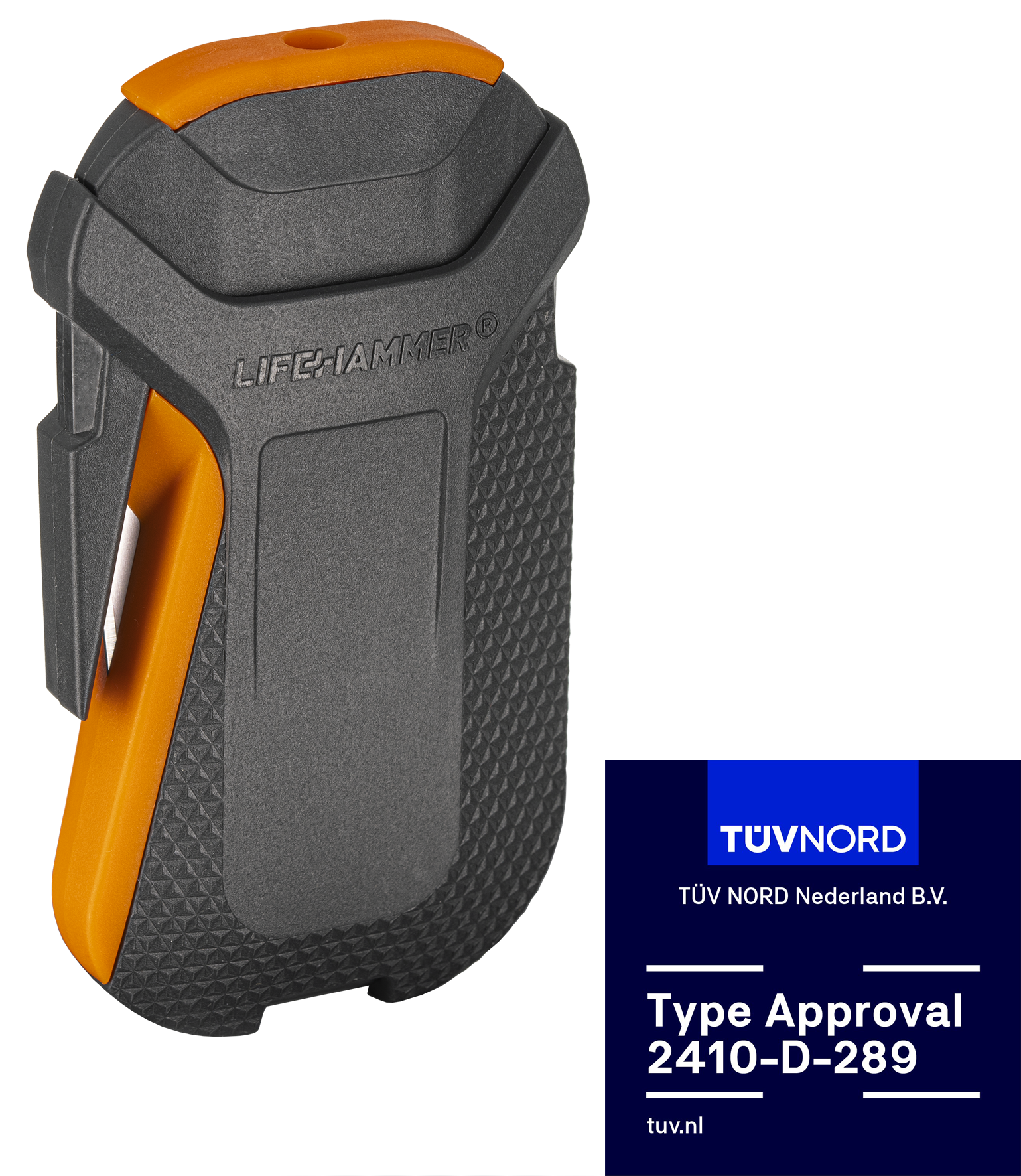
- Our safety hammer range includes four models. The Classic and Plus use a hardened carbon steel hammerhead; the Safety Hammer Evolution and Safety Hammer Smart use an automatic ceramic striking tip. All four models cut seatbelts and break tempered side windows.
- All Lifehammer® safety hammers are TÜV certified to German standards and trusted by first responders, police officers, and fleet operators across Europe: the same reliability standard that matters in a hire car or unfamiliar vehicle.
- The Safety Hammer Smart can be mounted using 3M VHB double-sided adhesive tape, making it easy to position within reach of the driver’s seat in any car you drive regularly, without tools and without permanent fixings. Avoid placing it near airbag deployment zones.
- Our Safety Vest Ultra stores flat under a floor mat and decompresses immediately when needed, practical for any vehicle, including ones you do not own.
If you have questions about which product suits your situation, our Q&A section covers the most common topics in straightforward detail. You can also find Lifehammer® products on Amazon if you prefer to order directly.