 English
 Nederlands
 Deutsch







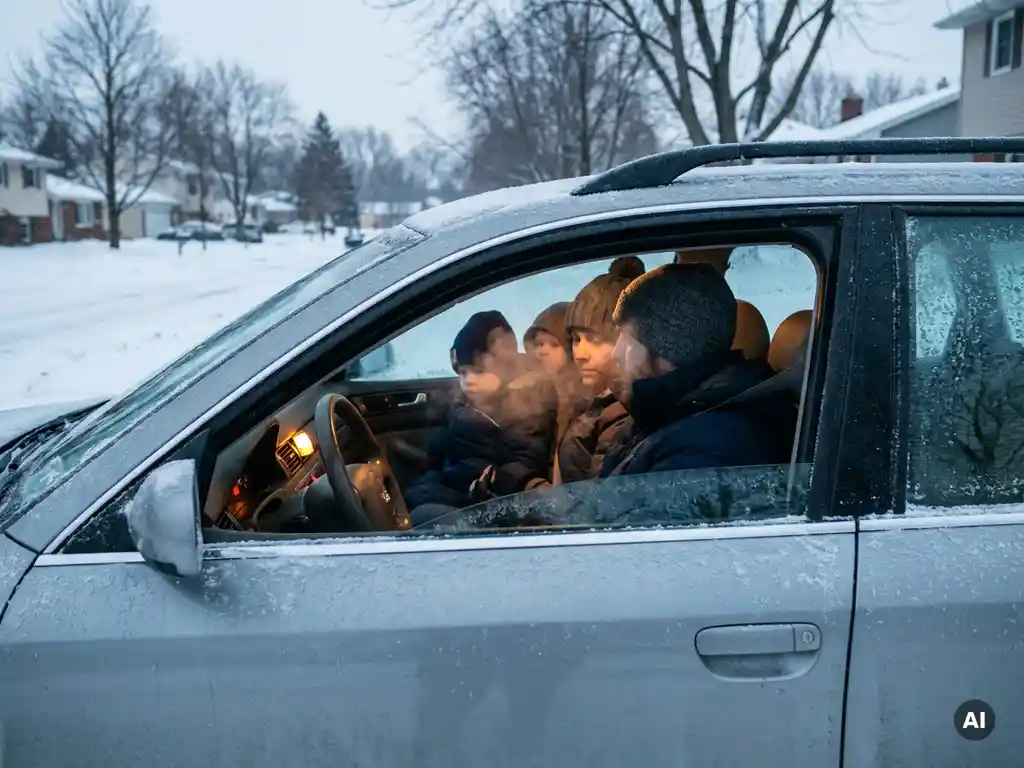
A dead car battery in cold weather is one of the most common (and most avoidable) situations drivers face during winter. When temperatures drop, the chemical reactions inside a battery slow down significantly, reducing its ability to deliver the power your engine needs to start. The colder it gets, the harder your battery has to work, and if it was already weakened from age or underuse, a frosty morning can be all it takes to leave you stranded.
This guide walks you through exactly what to do when your car battery dies in cold weather, from the checks you need to make before attempting anything, through to jump-starting safely and protecting your battery through the rest of the season.
What you need before attempting a restart
Before you touch any cables or call for help, take a moment to assess the situation properly. Rushing into a jump-start without the right preparation can damage your vehicle’s electronics or, in the worst case, create a safety hazard. Cold weather adds an extra layer of complexity because a frozen battery behaves differently from a simply discharged one.
Check the following before you do anything else:
- Inspect the battery terminals for corrosion: a white or blue powdery build-up around the terminals can prevent a good connection and needs to be cleared away first
- Check whether the battery is frozen: a frozen battery will have a swollen or cracked casing and must not be jump-started under any circumstances, as it can rupture or leak
- Confirm you have jump leads or a portable jump starter pack rated for your engine size: undersized equipment will not deliver enough current
- Make sure both vehicles are parked safely, with engines off and handbrakes applied, if you are using another car to jump-start
- Check your vehicle manual for any specific guidance: some modern vehicles with sensitive electronics require particular precautions before jump-starting
Once you have confirmed the battery is not frozen and your terminals are clean, you are ready to move forward. If the battery casing is damaged in any way, do not attempt a restart yourself. Contact a roadside assistance service.
Warm up the battery before jump-starting
One step many drivers skip, and one that significantly improves your chances of a successful restart, is giving a cold battery a brief warm-up period before connecting jump leads. In very cold conditions, a battery that appears completely dead may simply be too cold to deliver sufficient current. Warming it slightly can restore enough capacity to accept a charge.
There are a few practical ways to do this:
- If you have access to a garage or sheltered space, move the vehicle there and allow the ambient temperature to rise slightly before attempting a start
- Turn on the vehicle’s headlights for 30 to 60 seconds, then turn them off and wait two minutes: this can sometimes activate the battery’s electrolyte and improve conductivity
- If the temperature is extremely low (below minus 10 degrees Celsius), consider placing a heat pad or warm cloth over the battery casing for a few minutes. Never use an open flame
This step is especially relevant if your car battery dies in cold weather repeatedly, as it points to a battery that has lost significant capacity and may need replacing. After the brief warm-up, proceed to the jump-start with a better chance of success.
Jump-start your car safely step by step
Jump-starting in cold weather follows the same process as any other time of year, but it pays to be methodical. Connecting cables in the wrong order or to the wrong points is one of the most common mistakes drivers make, and it can cause electrical damage or trigger airbag systems in modern vehicles.
- Position the working vehicle so that both batteries are within reach of your jump leads, but ensure the two vehicles are not touching each other
- Connect the red (positive) cable to the positive terminal of the dead battery first: the terminal is usually marked with a plus sign or the letters “POS”
- Connect the other end of the red cable to the positive terminal of the working battery
- Connect the black (negative) cable to the negative terminal of the working battery
- Connect the other end of the black cable to an unpainted metal surface on your car’s engine block, not to the dead battery itself, as this reduces the risk of sparks near the battery
- Start the working vehicle and let it run for three to five minutes to begin charging the dead battery
- Attempt to start your car: if it does not start after two or three attempts, wait another few minutes before trying again
- Once your car starts, disconnect the cables in reverse order: black from your engine block, black from the working battery, red from the working battery, red from your battery
After a successful start, keep your engine running for at least 20 to 30 minutes, either by driving or letting it idle, to allow the alternator to begin recharging the battery. Do not switch the engine off immediately, as the battery may not yet hold enough charge to restart.
Get the battery recharged after a cold-start
A successful jump-start is not the end of the process. A battery that has fully discharged in cold weather, particularly one that has done so more than once, needs to be properly recharged and tested before you rely on it again. The alternator alone may not fully restore a deeply discharged battery, especially on short journeys.
The most reliable approach is to use a dedicated battery charger or smart charger at home. These devices charge the battery slowly and safely, and many modern models include a conditioning or desulfation mode that helps restore capacity lost through repeated deep discharges. Connect the charger according to its instructions, typically positive terminal first, and leave it to charge fully before disconnecting.
Once recharged, have the battery tested. Most automotive retailers and garages offer a free battery health check using a conductance tester, which gives you a clear picture of remaining capacity and whether the battery is likely to fail again. If the battery is more than three to five years old and has struggled through a cold winter, replacement is often the more practical choice.
Prevent a dead car battery in winter conditions
The most effective way to handle a dead car battery in cold weather is to avoid the situation in the first place. Cold weather battery failures are rarely sudden. They are usually the result of a battery that was already weakened and finally met conditions it could not handle. A few consistent habits through autumn and winter make a significant difference.
- Have your battery tested before winter sets in: a simple health check in October or November can tell you whether your battery is likely to survive the coldest months
- Drive regularly and for longer distances: short trips do not give the alternator enough time to recharge the battery, and vehicles left unused for several days in cold weather lose charge quickly
- Use a trickle charger or battery maintainer if your car sits unused for extended periods: these devices keep the battery at an optimal charge level without overcharging
- Reduce electrical load when starting: turn off heated seats, the blower, and any other accessories before attempting to start in cold conditions, so the battery can focus its available power on the starter motor
- Park in a garage or sheltered area when possible: even a modest increase in ambient temperature can make a meaningful difference to battery performance
- Keep terminals clean and tight: a loose or corroded connection reduces the current available to the starter and makes cold-weather starting harder than it needs to be
Combining these habits with a reliable set of jump leads or a compact jump starter pack in your boot means that even if the battery does fail, you are equipped to handle it quickly and safely.
How Lifehammer® supports you in cold weather driving
At Lifehammer®, we have been developing vehicle safety tools since 1983, and winter driving preparation is exactly the kind of situation our products are designed for. Whether you are building out a complete car safety kit before the cold months arrive or simply making sure you have the right tools within reach, we focus on equipment that is reliable, compact, and genuinely useful when it counts.
- Our Safety Hammer SMART uses a ceramic striking pin and integrated seatbelt cutter, and can be mounted within arm’s reach using 3M VHB double-sided adhesive tape: no tools required
- The Safety Hammer Evolution features a ceramic hammerhead and is assembled using the included hex key, making it a robust and secure option for drivers who want a fixed mounting point in the vehicle
- All Lifehammer® safety hammers are TÜV certified and trusted by first responders and fleet operators across Europe: the same reliability that professionals depend on is available for everyday drivers
- Our Safety Vest Ultra comes in an ultra-flat vacuum pack that stores discreetly under any floor mat and decompresses immediately on opening, useful if you find yourself waiting at the roadside in low-visibility winter conditions
If you have questions about which products are right for your vehicle or your winter kit, our Q&A section covers the most common topics in straightforward detail. You can also find our range on Amazon if you prefer to order directly.