 English
 Nederlands
 Deutsch




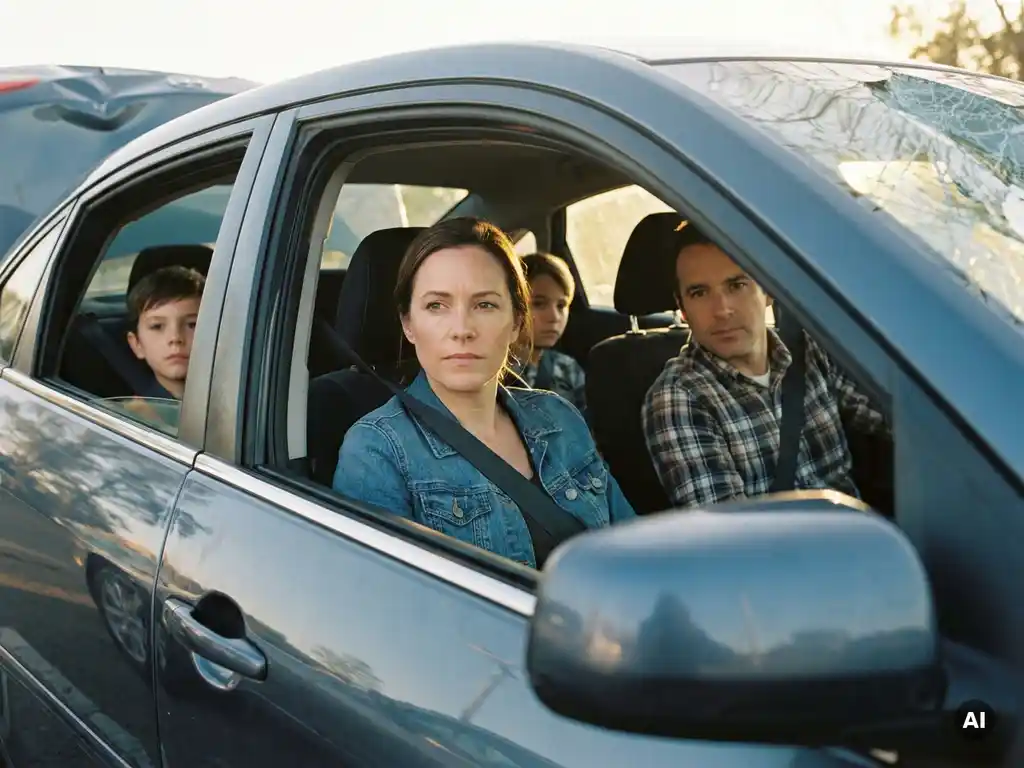
Self-reliance is important in the first 60 seconds of a crash because emergency services almost never arrive within that window. What happens immediately after impact (to your body, your vehicle, and your surroundings) often determines whether you can get out on your own or whether you must wait for help that may be minutes away. The questions below break down exactly why those first seconds matter and what you can do to be ready for them.
What actually happens to the body and car in the first 60 seconds of a crash?
In the first 60 seconds after a collision, the body absorbs significant physical force, and the vehicle often changes shape in ways that make normal exit impossible. Adrenaline floods the system almost instantly, which can temporarily mask pain and create a false sense of calm, or trigger panic that makes simple tasks feel overwhelming. At the same time, the car may have shifted, buckled, or locked in ways that block the doors or jam the seatbelt mechanism.
The seatbelt, which did its job by restraining you during impact, can become extremely difficult to release if the buckle is under tension or has been slightly deformed. Power systems that control electric windows and central locking may fail entirely if the battery is damaged or the circuit is disrupted. Smoke, water, or a deployed airbag can reduce visibility and access further. All of this happens within moments of the collision, before any outside help has even been alerted.
Understanding this sequence matters because it shifts the focus from “what will rescuers do” to “what can I do right now.” The physical barriers that arise in these first seconds are predictable, which means preparation for them is entirely possible.
Why can’t emergency services always reach you in time?
Emergency services cannot always reach a crash scene quickly enough to assist with immediate escape because response times depend on location, traffic, and how quickly the incident is reported. In urban areas, average response times commonly run between eight and twelve minutes. In rural or remote areas, that figure rises considerably. A vehicle that is submerging in water or beginning to smoke does not wait for a response team.
Even when responders arrive quickly, their first priority is assessing the scene, securing it, and coordinating. Reaching a specific occupant inside a damaged vehicle takes additional time and equipment. In multi-vehicle incidents, resources are spread across several casualties. If a crash happens at night, in poor weather, or in an area with limited mobile coverage, the delay between the moment of impact and the moment a trained rescuer reaches your door can be significant.
This is not a criticism of emergency services; it is simply the reality of how distance and logistics work. The gap between impact and arrival is the window in which self-reliance either saves you or leaves you waiting.
What are the most common physical barriers to escaping a crashed vehicle?
The most common physical barriers to escaping a crashed vehicle are a jammed or tension-locked seatbelt, doors that will not open due to structural deformation, and windows that cannot be lowered because the electrical system has failed. These three obstacles account for the majority of situations where occupants are unable to exit a vehicle without assistance.
A seatbelt buckle that is under load (either because the mechanism has been stressed by the crash or because the occupant is positioned at an angle) often cannot be released by pressing the button alone. The belt itself may have locked up entirely. Doors are designed to absorb side impact, which means the same structural rigidity that protects you during a collision can prevent the door from swinging open afterward. Even a modest deformation of the door frame is enough to jam the latch.
Electric windows present a separate problem. Most modern vehicles rely entirely on powered windows, meaning that if the battery is disconnected, the fuse has blown, or the wiring is damaged, the window cannot be lowered. This leaves tempered side glass as the only viable exit point in many situations. Tempered glass, unlike laminated windscreen glass, is designed to shatter into small, relatively safe pieces when struck sharply at a corner or edge, but it requires a focused, hard impact to break. A bare fist or a shoe will not reliably do the job.
How does self-reliance change survival outcomes in a vehicle emergency?
Self-reliance changes survival outcomes in a vehicle emergency by reducing the time between the moment a hazard develops and the moment an occupant can act on it. In situations involving fire, flooding, or a vehicle resting in an unstable position, every additional minute spent waiting for external help increases risk. An occupant who can cut a locked seatbelt and break a tempered window independently can exit before conditions deteriorate further.
The psychological dimension matters just as much as the physical one. People who know they have the tools and the knowledge to act tend to respond more effectively under stress. Panic narrows attention and degrades fine motor skills. Having a clear, practiced plan (reach for the tool, cut the belt, strike the window corner) gives the mind something concrete to do rather than freezing in uncertainty.
Self-reliance does not mean acting recklessly or ignoring injuries. It means being equipped to handle the most common and time-sensitive barriers to escape so that, if the situation demands it, you are not entirely dependent on someone else arriving in time.
What should you keep in your car to be self-reliant in an emergency?
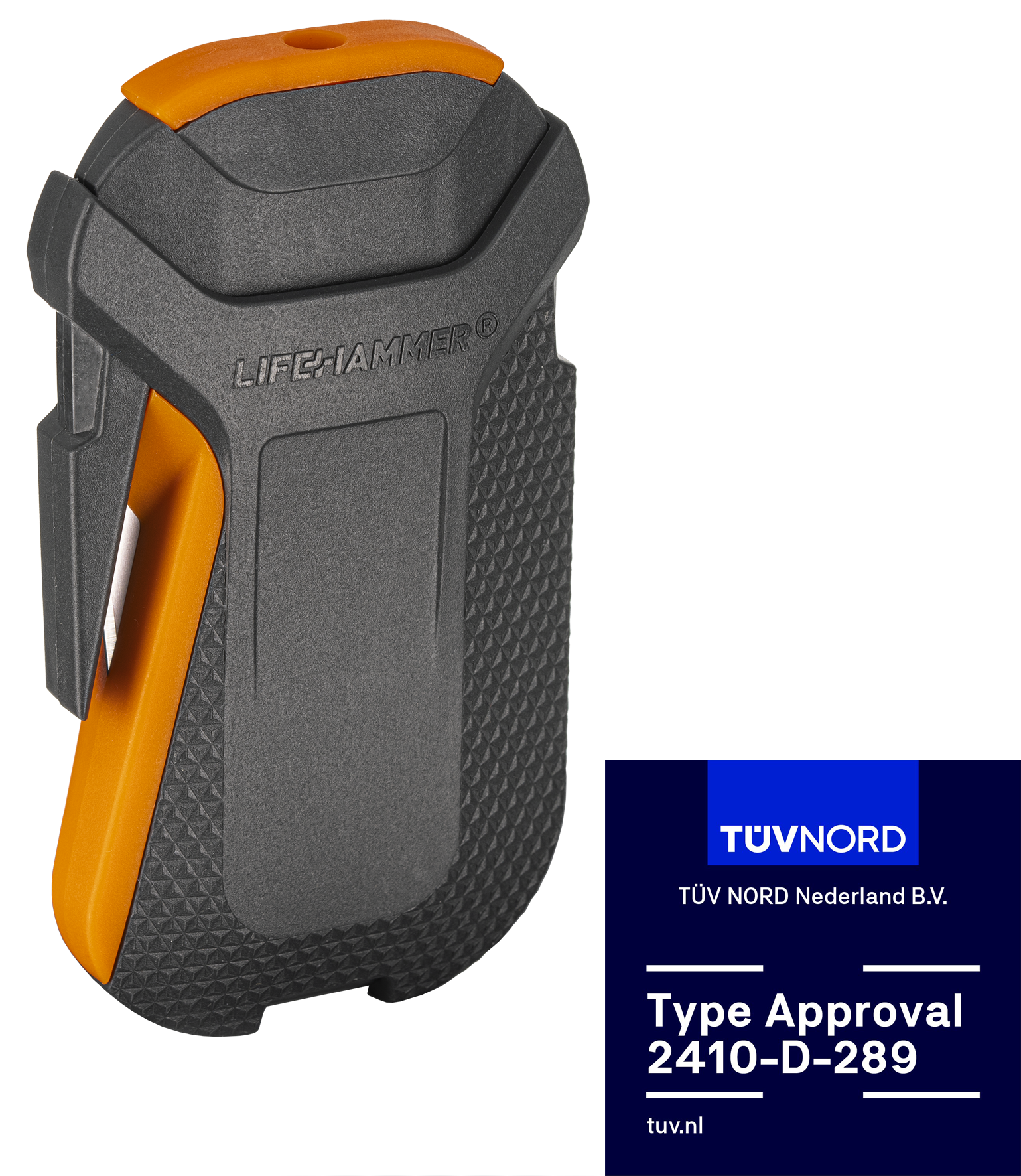
The single most useful item for vehicle self-reliance is a dedicated emergency escape tool that combines a seatbelt cutter with a window-breaking mechanism designed for tempered glass. Beyond that, a basic first aid kit, a reflective safety vest, and a reliable light source cover the most common practical needs after a collision.
Placement is as important as the tool itself. An emergency escape tool stored in the boot is not reachable from the driver’s seat after a crash. It should be mounted within arm’s reach of the driver, typically on the door pillar, the centre console, or attached near the seat. The goal is that you can reach it with one hand, without needing to search for it, even in low light or a disoriented state.
- Emergency escape tool: A combined seatbelt cutter and window breaker for tempered glass, mounted within reach of the driver’s seat
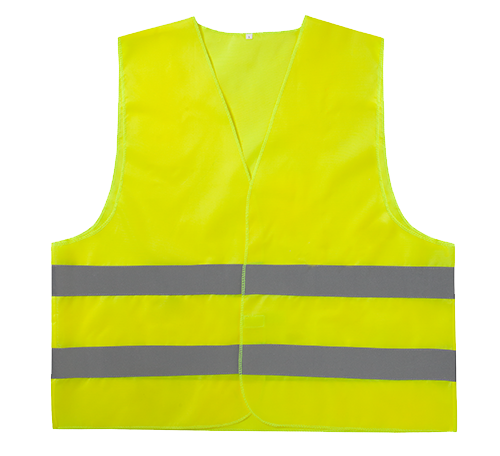
- Reflective safety vest: Useful immediately after exiting the vehicle, particularly on motorways or at night, to make you visible to other traffic
- First aid kit: A compact kit with bandages, gloves, and a foil blanket covers the most immediate post-crash needs
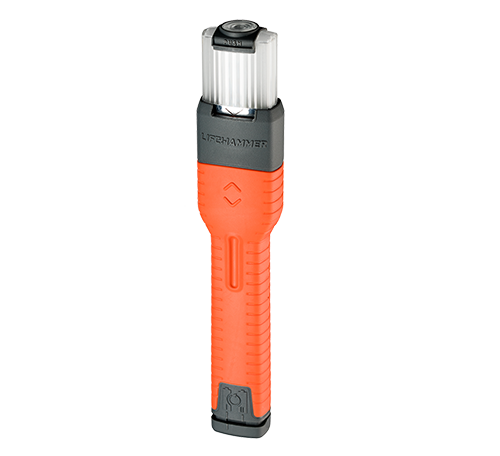
- Torch or light source: A small torch or headlamp is useful if the crash happens at night or in a tunnel where ambient light is poor
- Charged mobile phone: The ability to call for help quickly is itself a form of self-reliance; keeping the phone charged and accessible matters
A road trip safety kit that includes these items takes up very little space and covers the gap between a crash happening and help arriving. The items are not for dramatic scenarios; they are for the mundane, statistical reality that collisions happen to ordinary drivers on ordinary journeys.
Who is most at risk when self-reliance is absent in a crash?
Those most at risk when self-reliance is absent in a crash are drivers and passengers who are alone, those travelling in remote areas far from emergency services, and anyone whose physical condition may limit their ability to call for help or wait safely. Children travelling without adults who are equipped to act are also particularly vulnerable in this context.
Solo drivers face an obvious challenge: there is no one else in the vehicle to assist, call for help, or provide a second set of hands. If the driver is disoriented or injured, the entire outcome rests on what they can do independently. Drivers in rural or unfamiliar areas face the additional problem that responders may not know exactly where they are, and mobile coverage may be unreliable.
Older drivers, or those with conditions that affect grip strength or fine motor control, may find standard vehicle exits more physically demanding after a crash. This makes having the right tool (one designed to require minimal force and be usable under stress) more relevant, not less. Parents travelling with children are also in a position where their own ability to act quickly directly affects the safety of passengers who cannot help themselves.
In each of these cases, the common factor is the same: the absence of a reliable, reachable emergency escape tool and a basic plan for using it leaves too much to chance.
How Lifehammer® supports you in a vehicle emergency
At Lifehammer® we have been developing vehicle safety tools since 1983, and vehicle emergency preparedness is exactly the kind of situation our products are designed for. Whether you are equipping your car for the first time or putting together a complete safety kit before a long journey, we focus on tools that are reliable, compact, and built to work when it counts.
- Our safety hammer range includes four models. The Classic and Plus use a hardened carbon steel hammerhead; the Safety Hammer Evolution and the Safety Hammer SMART use an automatic ceramic hammerhead. All four cut seatbelts and break tempered side windows.
- All Lifehammer® safety hammers are TÜV certified and trusted by first responders, fleet operators, and emergency services across Europe, the same standard of reliability that matters when an emergency escape tool actually needs to perform.
- Our Safety Vest Ultra comes in an ultra-flat vacuum pack that stores discreetly under any floor mat and decompresses immediately on opening. It is one-size-fits-all and suitable for drivers and passengers alike, useful the moment you step out of a vehicle onto a busy road.
- Every product is designed for ease of use under stress (by adults and children alike) so that self-reliance in an emergency does not depend on strength or technical knowledge.
If you have questions about which products are right for your car or your situation, our Q&A section covers the most common topics in clear, straightforward detail. You can also find Lifehammer® products on Amazon if you prefer to order there.