 English
 Nederlands
 Deutsch


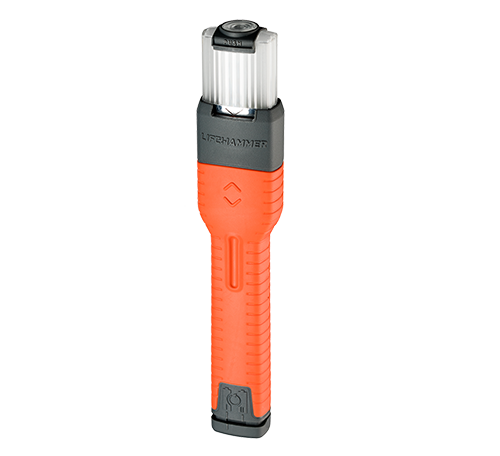
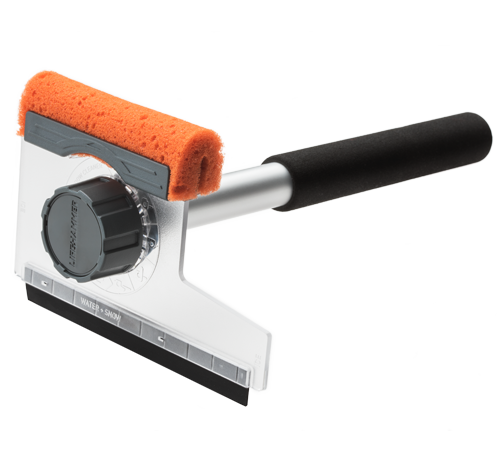


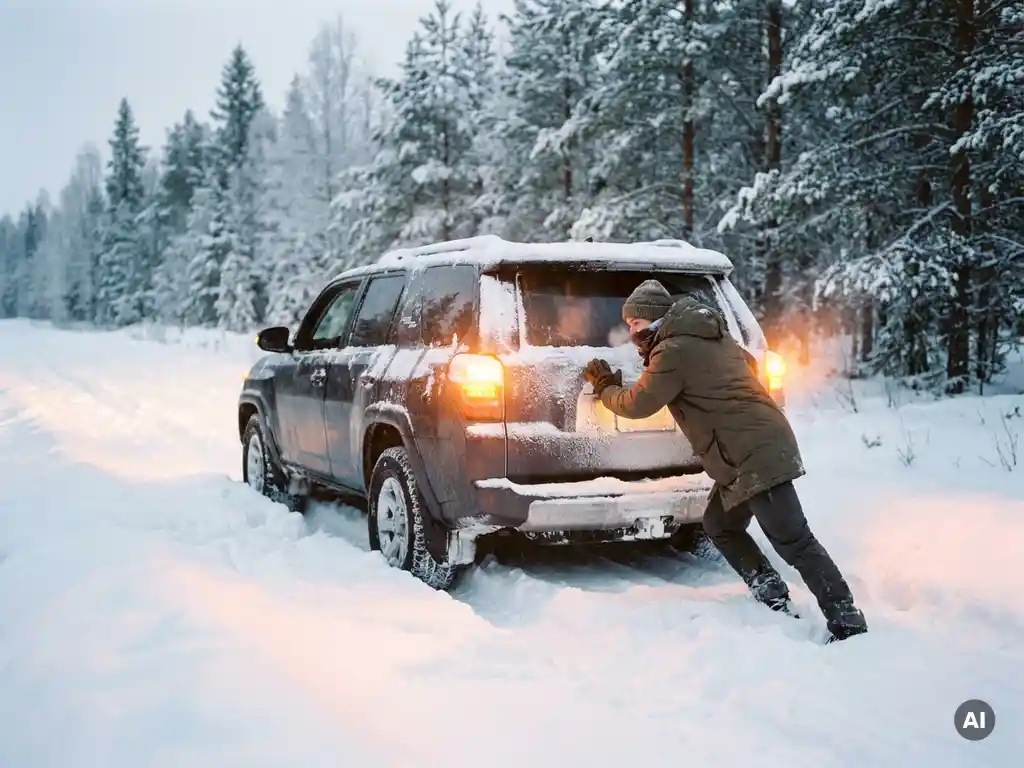
Getting your car stuck in snow is one of those situations that can happen to almost any driver, regardless of experience. Whether you are navigating an icy parking lot, a rural backroad, or a suburban street after an overnight storm, the right tools for getting unstuck from snow can make the difference between a minor inconvenience and a serious ordeal. This guide covers seven practical tools worth keeping in your vehicle through the winter months, along with advice on building a kit before the season begins.
1. Traction mats grip ice where tires can’t
Traction mats are among the most reliable snow escape tools available to everyday drivers. When your tires spin helplessly on ice or compacted snow, these mats slide under the drive wheels to create an immediate grip surface. Within seconds, you can go from completely stuck to moving again without waiting for outside help.
Most traction mats are made from reinforced plastic or rubber with aggressive ridged patterns designed to bite into the tire tread. They are compact enough to store flat in a trunk and reusable across multiple incidents. Some models fold or roll up, making storage even more convenient. Look for a set that covers both drive wheels for maximum effectiveness.
Traction mats work best in situations where the car is only lightly embedded in snow or sitting on a slick surface. They are less effective when the vehicle is deeply buried or when the undercarriage is resting on packed snow. For families and daily commuters, they represent a low-effort, high-reward addition to any winter car kit.
2. A foldable snow shovel clears the way fast
A compact snow shovel is one of the most straightforward tools for getting a car out of snow, and yet it is frequently overlooked until the moment it is needed. When your tires are buried or snow has packed under the vehicle, no amount of engine power will free you. A shovel lets you physically remove the obstacle.
Foldable or telescoping shovels are designed specifically for vehicle storage. They collapse to a manageable size that fits in a trunk or under a seat, yet extend to a length that lets you dig without straining your back. Aluminum or reinforced polymer blades offer a good balance of strength and low weight.
When using a shovel to free a stuck car, focus on clearing snow from in front of and behind all four tires, as well as from beneath the undercarriage. Creating a gentle ramp of cleared snow in the direction you plan to drive gives the vehicle the best chance of rolling free on the first attempt. This tool suits every type of driver, from urban commuters to those who regularly travel rural winter roads.
3. Sand or cat litter boosts tire grip instantly
Sand and cat litter are low-cost, widely available materials that dramatically improve tire grip on ice and compacted snow. Sprinkled directly in front of and behind the drive wheels, they create a textured surface that gives tires something to bite against. Many experienced winter drivers keep a small bag of one or the other in the trunk throughout the season.
Cat litter, particularly the non-clumping clay variety, is especially popular because it is lightweight, easy to store, and widely available year-round. Sand offers slightly more aggressive traction but is heavier and can be harder to find in smaller quantities. Either option works well as a supplement to other snow traction tools.
This approach is best suited for situations where the car is stuck on a smooth icy patch rather than deeply buried in snow. It pairs particularly well with traction mats or a brief spell of shoveling. For families with young children in the vehicle, having this kind of simple, immediate solution on hand provides a useful backup when more involved tools are not practical.
4. A tow strap lets others pull you free
When self-rescue options are exhausted, a tow strap allows another vehicle to pull you free quickly and safely. A quality tow strap rated for the weight of your vehicle is one of the most important winter driving safety items you can carry, because it transforms a passing driver or a roadside assistance vehicle into an effective rescue tool.
Tow straps are typically made from nylon webbing and come in a range of load ratings. Unlike tow ropes or chains, nylon straps have a degree of elasticity that absorbs the initial jolt when the towing vehicle takes up the slack, reducing stress on both vehicles. Always check that the strap is rated for at least the gross vehicle weight of the heavier of the two cars involved.
Tow straps require a proper attachment point on both vehicles, so it is worth identifying your car’s tow hooks or recovery points before you need them. This tool is especially valuable for drivers who frequently travel in areas with low traffic, where waiting for professional assistance could mean a long delay in cold conditions.
5. Tire chains deliver maximum winter traction
Tire chains are the most aggressive snow traction tool available for passenger vehicles. By wrapping around the tire and making direct contact with the road surface, they provide grip levels that no other portable device can match. In deep snow, steep icy inclines, or mountain driving conditions, chains can make impassable roads manageable.
Modern tire chains come in a range of designs, from traditional link chains to cable-style and textile alternatives. Traditional steel link chains offer the most durability and grip but require more effort to fit. Cable chains and textile options are lighter and easier to install but may not suit all vehicles or extreme conditions. Always verify compatibility with your tire size before purchasing.
It is important to fit tire chains before you need them, not after you are already stuck. Practice fitting them at home so you are comfortable doing it in cold, stressful conditions. Check local regulations as well, as some regions require chains during certain weather events while others restrict their use on certain road surfaces. Tire chains are a particularly good investment for families who travel mountain roads or live in areas with heavy seasonal snowfall.
6. A safety hammer helps if you can’t get out
Most winter driving safety conversations focus on getting the car moving again, but there is a separate and equally important scenario to prepare for: being trapped inside the vehicle itself. If a car slides into a ditch, becomes submerged, or if a door frame warps from impact and the door will not open, a safety hammer gives occupants a way to break the tempered side window glass and cut through a jammed seatbelt.
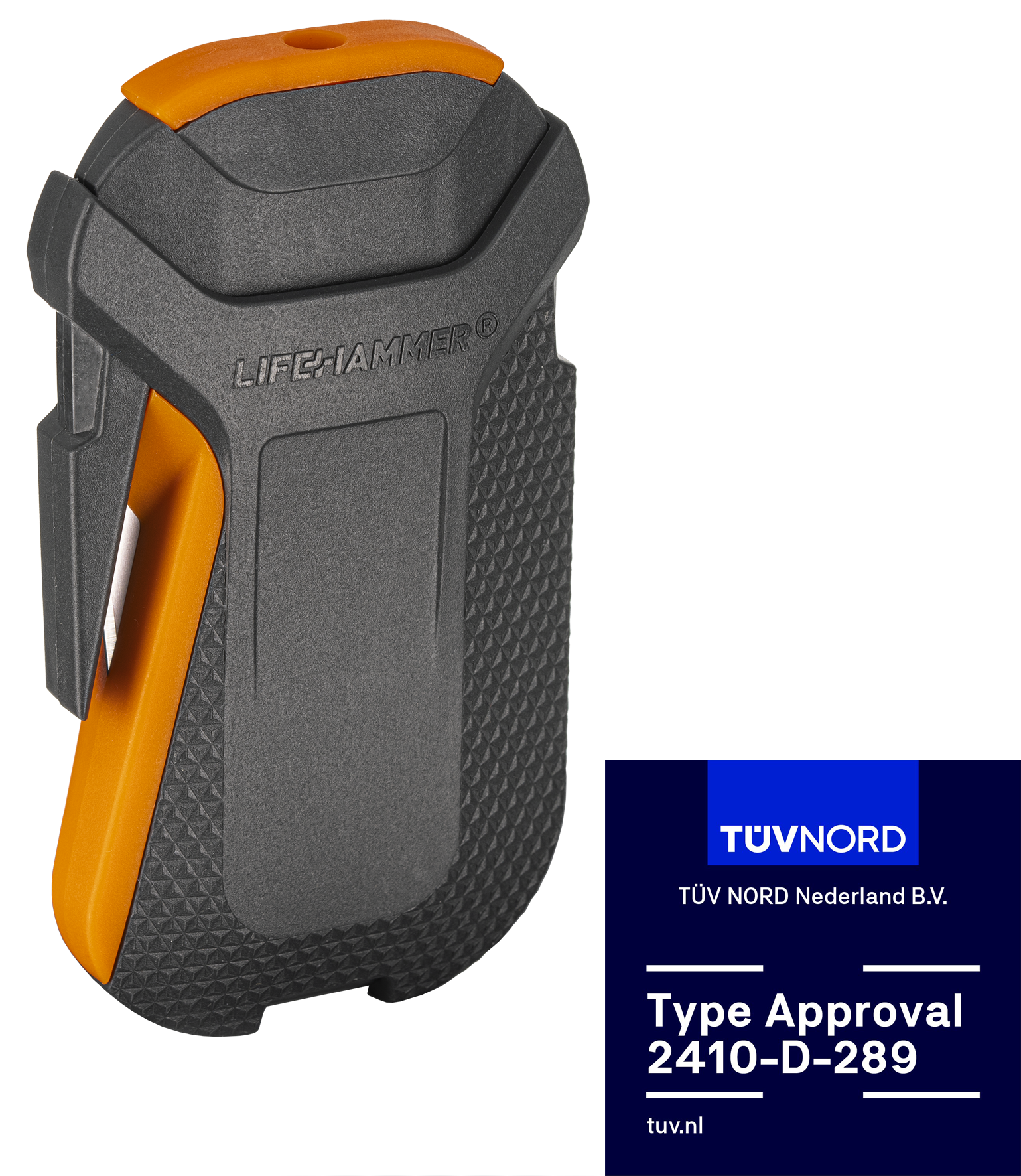
A safety hammer is a compact emergency escape tool that typically combines a hardened striking tip for breaking tempered glass with a recessed blade for cutting seatbelts. The striking mechanism requires only a short, focused motion to fracture a tempered side window, which then crumbles into small, relatively safe fragments. This is different from laminated windshield glass, which a standard safety hammer cannot break and is not designed for.
For families traveling with children, a safety hammer mounted within reach of both front and rear passengers adds a meaningful layer of preparedness. It is a small, lightweight tool that stores easily in a door pocket or center console mount. When conditions are poor and visibility is low, having this kind of emergency car tool on board means that if the situation moves beyond simply being stuck in snow, your family has the means to act.
7. A portable jump starter keeps you powered up
Cold temperatures are hard on car batteries. A battery that performs adequately in mild weather can struggle or fail entirely when temperatures drop, which means a car stuck in snow can quickly become a car with a dead battery as well. A portable jump starter eliminates dependence on another vehicle to get your engine running again.
Modern portable jump starters are compact lithium-ion devices that fit in a glove compartment or small bag. They connect directly to the battery terminals and deliver enough current to start most passenger vehicles and light trucks. Many models also include USB ports for charging phones and built-in LED lights, making them genuinely multi-purpose emergency car tools.
When selecting a portable jump starter, pay attention to the peak amperage rating and ensure it matches the engine size of your vehicle. A unit rated for a small four-cylinder engine may not reliably start a larger six- or eight-cylinder engine. For families, this device is particularly reassuring because it removes one of the most common points of failure in a winter roadside situation, letting you focus on getting unstuck rather than managing a dead battery at the same time.
Build a winter emergency kit before the season starts
The most effective approach to winter driving safety is preparation before the first snowfall, not after you are already stuck on a frozen road. A well-assembled winter emergency kit brings together the tools described above into a ready-to-use package that lives in your vehicle throughout the colder months.
A practical kit for most drivers includes:
- A pair of traction mats stored flat in the trunk
- A foldable snow shovel
- A small bag of sand or non-clumping cat litter
- A tow strap rated for your vehicle’s weight
- Tire chains appropriate for your tire size, if you travel in high-risk areas
- A safety hammer mounted within reach of the driver’s seat
- A portable jump starter kept charged and accessible
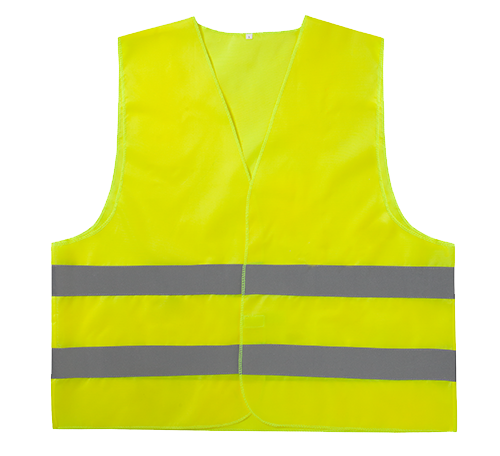
Beyond tools, it is worth including a few supporting items: a warm blanket, waterproof gloves, a high-visibility vest, a fully charged phone or backup power bank, and a basic first aid kit. These additions take up minimal space but significantly expand your ability to stay safe and visible while dealing with a car stuck in snow.
Check your kit at the start of each winter season. Replace anything that has been used or degraded, recharge the jump starter, and verify that tow straps and chains are in good condition. A kit that is assembled but not maintained provides far less protection than one that is regularly reviewed.
How Lifehammer® supports you with winter car safety
At Lifehammer®, we have been developing vehicle safety tools since 1983, and winter preparedness is exactly the kind of situation our products are designed for. Whether you are building a complete winter emergency kit or adding a specific tool to what you already carry, we focus on products that are reliable, compact, and genuinely useful when it counts.
- Our safety hammer range includes four models suited to different needs and preferences. The Classic and Plus use a hardened carbon steel hammerhead; the Safety Hammer Evolution and Smart use an automatic ceramic hammerhead. All four models cut seatbelts and break tempered side windows, and all are TÜV certified according to German standards.
- Our safety hammers are trusted by first responders, fleet operators, and professional drivers across Europe, giving families confidence that the tool they carry is one that works under real conditions.
- The Safety Vest Ultra comes in an ultra-flat vacuum pack that stores discreetly under any floor mat and decompresses immediately on opening. It is one-size-fits-all and suitable for drivers and passengers alike, making it a practical addition to any winter kit.
- Our products are available directly through our website and also on Amazon, so you can choose the purchasing option that works best for you.
If you have questions about which products are right for your vehicle or your winter travel needs, our Q&A section covers the most common topics in straightforward detail.