 English
 Nederlands
 Deutsch




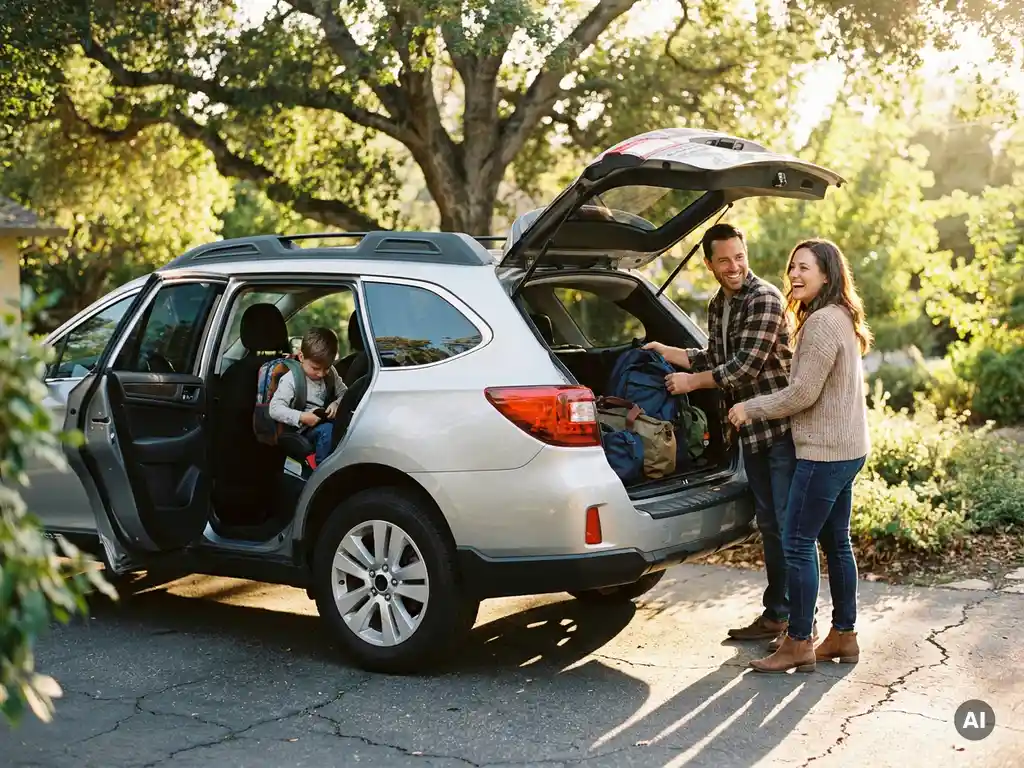
Most drivers think about emergency preparedness once, usually after a close call or a long drive that didn’t go as planned. Building a solid car emergency kit is one of those quiet, practical decisions that takes an hour to get right and then sits in your boot doing nothing for years. Until it doesn’t. Here is what to include, and why each item earns its place.
The essentials every driver forgets until it’s too late
A well-stocked car safety kit is not about expecting the worst. It is about being the person who thought ahead. Whether you are heading out on a long motorway stretch or simply doing the school run, the right supplies mean you are never caught unprepared by a flat tyre, a dead battery, or an unexpected stop in low visibility. The items below cover the most common and the most serious situations drivers face.
First aid kit for handling injuries on the road
A compact first aid kit is the foundation of any car emergency kit. Minor injuries, cuts from broken glass, grazes from a fall on the roadside, are far more common than serious trauma, and having the basics on hand means you can act immediately rather than wait for help to arrive.
Look for a kit that includes adhesive bandages in multiple sizes, sterile gauze pads, medical tape, antiseptic wipes, disposable gloves, and a foil emergency blanket. Pre-assembled kits are convenient, but check what is actually inside before you buy, some are surprisingly sparse.
Store it somewhere accessible, not buried under luggage in the boot. A glove compartment or a side pocket in the boot lining works well. If you drive with children regularly, consider a slightly larger kit with child-appropriate dressings.
Reflective warning triangles or road flares
Visibility is one of the most underestimated factors in roadside safety. If your car breaks down on a busy road or motorway, warning approaching traffic is the first thing you should do before anything else. Reflective warning triangles are a legal requirement in many European countries, and for good reason.
Place them at a safe distance behind your vehicle, typically 50 to 100 metres depending on road speed limits and conditions. Road flares or LED emergency beacons offer an alternative that is visible in daylight and in rain, where reflective triangles can lose effectiveness.
Carry at least two triangles. If you travel internationally by car, check the local regulations for each country you plan to cross, requirements vary across Europe.
Jumper cables or a portable jump starter
A flat battery is one of the most common reasons drivers call for roadside assistance. Jumper cables are a reliable, low-cost solution, but they require another vehicle to be present. A portable jump starter removes that dependency entirely and has become a practical standard in emergency car supplies.
Modern lithium-ion jump starters are compact enough to fit in a glove compartment and can start most passenger vehicles multiple times on a single charge. Many double as a USB power bank, which adds everyday usefulness to an item that otherwise sits unused.
If you opt for traditional jumper cables, go for a set with a decent cable length, at least four metres, and clearly colour-coded clamps. Knowing the correct connection sequence before you need it is worth a few minutes of reading.
Torch or emergency LED light
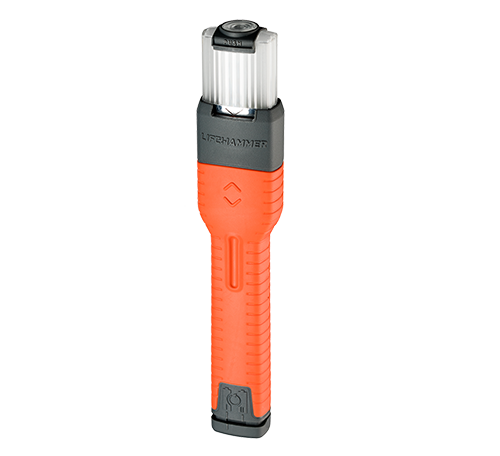
Breakdowns do not wait for daylight. A reliable torch is one of the most versatile items you can keep in a car, useful for changing a tyre in the dark, signalling for help, or checking under the bonnet without relying on a phone screen that drains battery.
LED torches are the practical choice: long battery life, durable, and bright enough to be genuinely useful. A head torch is worth considering if you anticipate doing any hands-on work, as it keeps both hands free. Some emergency torches include a flashing mode or a magnetic base for hands-free positioning.
Keep spare batteries in the kit, or choose a rechargeable model and build in a habit of charging it periodically. A torch that runs out of power when you need it most is no better than no torch at all.
A car escape tool for worst-case scenarios
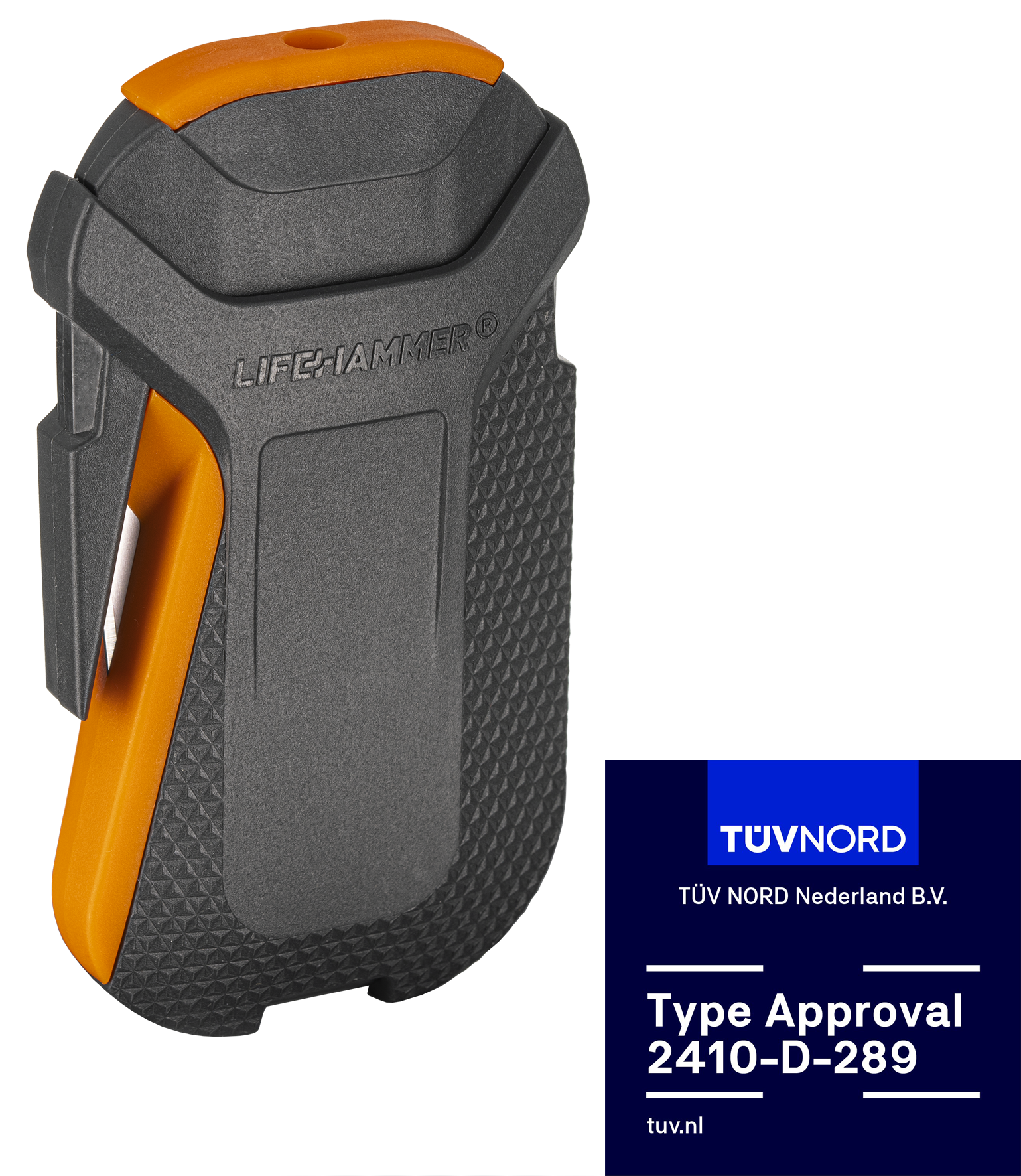
This is the item most drivers overlook, and the one that matters most if a vehicle ends up submerged or the doors become impossible to open after an impact. A car escape tool combines two functions: a seatbelt cutter and a window breaker capable of shattering tempered side glass.
It is worth understanding the difference between tempered and laminated glass here. Tempered glass, used in side and rear windows, shatters when struck at the right point with a focused impact. Laminated glass, used in most windscreens, cannot be broken this way. A quality escape tool is designed specifically for tempered glass, so it works where it is needed.
Keep the tool within reach of the driver, mounted to the dashboard, door pocket, or centre console. A tool stored in the boot is not accessible in an emergency. Ease of access is what makes the difference between a useful tool and an unused one.
Basic toolkit and tyre repair supplies
A full mechanical toolkit is overkill for most drivers. What you actually need is a focused selection of items that cover the most likely roadside problems: a tyre pressure gauge, a can of tyre sealant for temporary puncture repair, and a lug wrench that actually fits your wheel nuts.
If your car has a spare tyre, check its pressure every few months, a flat spare is a frustrating discovery at the worst possible moment. Some newer vehicles come with a tyre inflation kit instead of a spare, so familiarise yourself with how it works before you need it.
A small set of screwdrivers, a pair of pliers, and some electrical tape round out a basic toolkit that handles a surprising range of minor issues. Add a pair of work gloves to protect your hands when dealing with a tyre or engine components.
Water, snacks, and a warm layer
These are the items that feel unnecessary right up until you are stuck waiting for roadside assistance in cold weather with no idea how long help will take. A small supply of water and non-perishable snacks, energy bars, nuts, or similar, costs almost nothing and takes up minimal space.
A warm layer, whether a compact fleece, a foil emergency blanket, or a lightweight jacket, is particularly useful in autumn and winter. If you break down at night or in poor weather, staying warm while you wait is not a comfort issue, it is a practical one.
If you regularly travel with children, factor their needs into what you carry. A small activity or distraction for a long wait is worth including alongside the practical supplies.
Pen, paper, and key documents
After an incident, you will need to exchange information with other drivers, contact your insurer, or note down details while they are fresh. A pen and notepad are simple, reliable, and do not depend on phone battery or signal.
Keep copies of your key documents in the car: insurance certificate, breakdown cover details, and vehicle registration. Some drivers also keep a printed list of emergency contact numbers, useful if your phone is damaged or out of charge.
A small waterproof pouch or zip-lock bag keeps these items protected if water gets into the car. It takes minutes to prepare and removes a layer of stress from an already stressful situation.
Build your kit once, check it twice a year
The value of a car emergency kit comes from it being ready when you need it, not assembled in a hurry after something goes wrong. Set aside an afternoon to put the kit together properly, store it somewhere accessible, and then check it twice a year: once before winter and once before summer. Replace anything expired, recharge anything battery-powered, and make sure nothing has migrated out of the kit over time.
A well-maintained kit does not need to be expensive or elaborate. It just needs to cover the situations you are most likely to face and be in a condition to actually work when called upon.
How Lifehammer® supports you with your car emergency kit
At Lifehammer®, we have been developing vehicle safety tools since 1983, and building a complete car emergency kit is exactly the kind of situation our products are designed for. Whether you are equipping your first car or refreshing a kit that has been sitting untouched for a few years, we focus on tools that are reliable, compact, and genuinely useful when it counts.
- Our safety hammer range gives you a practical car escape tool that combines a seatbelt cutter with a window breaker for tempered side glass. The Safety Hammer SMART uses a ceramic pin as its striking mechanism and can be secured within reach using 3M VHB double-sided adhesive tape, no tools required. The Classic and Plus models use a hardened carbon steel hammerhead for manual striking.
- The Safety Hammer Evolution features a ceramic hammerhead and is assembled using the hex key provided. All four models in our range cut seatbelts and break tempered side windows, and all are TÜV certified to German standards.
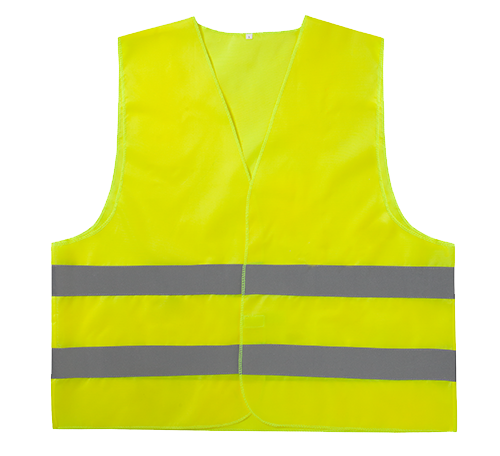
- Our Safety Vest Ultra comes in an ultra-flat vacuum pack that stores discreetly under any floor mat and decompresses immediately on opening. It is one-size-fits-all and suitable for drivers and passengers alike, a straightforward addition to any kit that also satisfies legal requirements in several European countries.
- All Lifehammer® products are trusted by first responders and fleet operators across Europe, not because of marketing claims, but because they are built to perform under real conditions.
If you have questions about which products are right for your car or your journey, our Q&A section covers the most common topics in straightforward detail. You can also find our products on Amazon if you prefer to order there.