 English
 Nederlands
 Deutsch



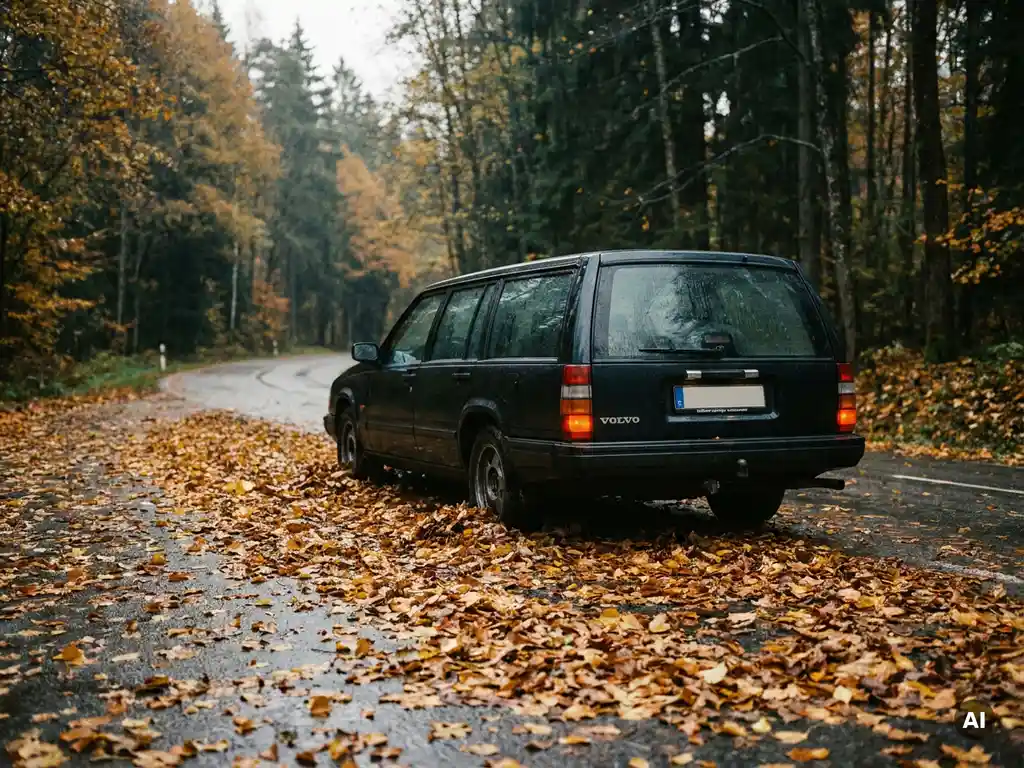
Wet leaves on the road significantly reduce your car’s grip, in some conditions more than ice does. As autumn sets in, fallen leaves coat tarmac surfaces and create a film that interferes with the contact between your tyres and the road, making braking, steering, and cornering noticeably less predictable. The questions below break down exactly why this happens and what you can do about it.
Why are wet leaves more slippery than ice?
Wet leaves on tarmac can be more slippery than ice because they release a natural lubricant as they decompose. When leaves become wet and are compressed under traffic, they break down and produce a layer of organic matter, tannins, and moisture that bonds to the road surface. This creates a film with very low friction, sometimes lower than the friction coefficient of ice, which is already a smooth, hard surface that tyres are specifically designed to manage in winter conditions.
Ice, by contrast, has a relatively consistent surface that tyre compounds and tread patterns are engineered to grip. Leaves offer an irregular, unpredictable layer that even high-performance tyres struggle to penetrate. The decomposition process also means the slipperiness varies from patch to patch, making it harder to anticipate where grip will be lost.
The problem compounds when leaves pile up in layers. A single leaf may cause minimal disruption, but multiple overlapping layers trap moisture between them and the road, creating a surface that behaves more like wet clay than solid tarmac. Shaded roads where leaves dry slowly are particularly prone to this effect.
How do leaves affect braking distance?
Leaves on the road can significantly extend your braking distance, in some cases doubling it compared to dry tarmac conditions. The reduced friction between your tyres and the leaf-covered surface means your car takes longer to slow down, even with modern anti-lock braking systems active. ABS prevents wheel lockup, but it cannot create grip where none exists.
The practical implication is straightforward: the stopping distances you rely on during the rest of the year are no longer accurate in autumn. If you are following another vehicle at what feels like a safe distance, that gap may not be enough if leaves are present between your tyres and the road.
Speed plays a compounding role here. At lower speeds, the consequences of reduced grip are more manageable. At higher speeds, even a modest reduction in friction translates to a considerably longer stopping distance. This is why autumn conditions call for a genuine reduction in speed, not just a mental note that roads might be slippery.
Which roads and conditions are most dangerous in autumn?
The most dangerous roads in autumn are shaded country lanes, tree-lined suburban streets, and roads near parks or woodland where leaf fall is heavy and sunlight is limited. These roads accumulate wet leaves that dry slowly, meaning the slippery layer persists for days after rainfall. Corners, junctions, and downhill stretches on these routes carry the highest risk.
Road types to watch
- Shaded rural lanes: Heavy leaf fall, low traffic to disperse leaves, and limited drying time combine to create persistent slippery patches.
- Tree-lined residential streets: Leaves accumulate at the edges and are pushed toward the centre by parked cars, covering the driving line.
- Cycle lanes and shared paths: Leaves are rarely cleared as promptly as main roads, making these surfaces particularly hazardous for cyclists and motorcyclists.
- Rail crossings and bridge approaches: Smooth surfaces with leaf contamination offer almost no grip for braking or turning.
Conditions that make it worse
- Morning and evening: Dew and overnight moisture reactivate dried leaves, restoring their slippery properties even without fresh rain.
- After the first autumn rain: The initial downpour after a dry period releases the most decomposition material from accumulated leaves.
- Windy days: Fresh leaf fall lands on warm, damp tarmac and bonds quickly, creating new hazard patches without warning.
How can drivers adapt to leaf-covered roads?
Adapting to leaf-covered roads means increasing following distance, reducing speed before corners and junctions, and braking earlier and more gently than usual. The core principle is to give yourself more time and space at every stage of driving, because the margin for error shrinks considerably when autumn road conditions are present.
Smooth, progressive inputs matter more in autumn than at any other time of year. Sudden braking, sharp steering, or aggressive acceleration all risk breaking traction on a leaf-covered surface. Instead, slow down before you reach a corner rather than during it, and release the brakes gently rather than abruptly.
Increase your following distance to at least double what you would normally maintain. If the car ahead brakes suddenly on a leaf-covered road, your standard gap will not give you enough space to stop safely. Watching the road surface ahead for colour changes or patches of leaf accumulation also helps you anticipate where grip might be reduced before you reach those areas.
Avoid driving over large piles of leaves where possible. Beyond the grip issue, deep leaf piles can conceal potholes, kerbs, or debris that can cause sudden damage to tyres or suspension.
Does tyre type or tread depth make a difference on leaves?
Yes, tyre type and tread depth both make a meaningful difference on leaf-covered roads. Tyres with deeper tread have more capacity to channel the wet organic material away from the contact patch, improving the chance of maintaining some grip. Worn tyres with shallow tread are far more likely to plane across the surface rather than grip through it.
The legal minimum tread depth in most European countries is 1.6mm, but on autumn roads, tyres with tread below 3mm perform noticeably worse. If your tyres are approaching the legal minimum, autumn is the time when that wear becomes most consequential.
Seasonal tyre choice also plays a role. All-season and winter tyres use softer compounds and more complex tread patterns that maintain flexibility and grip at lower temperatures, which is when autumn leaf hazards are most common. Summer tyres, designed for warm, dry roads, become less effective as temperatures drop below 7 degrees Celsius, which compounds the grip loss caused by leaves.
Tyre pressure matters too. Correctly inflated tyres maintain the correct contact patch shape. Underinflated tyres deform unevenly, reducing the precision of grip and braking response on already compromised surfaces.
What should drivers keep in their car for autumn emergencies?
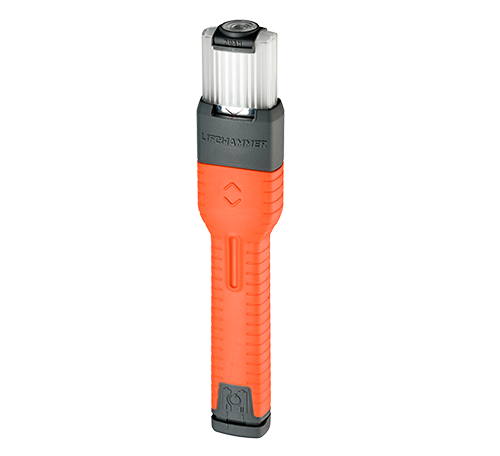
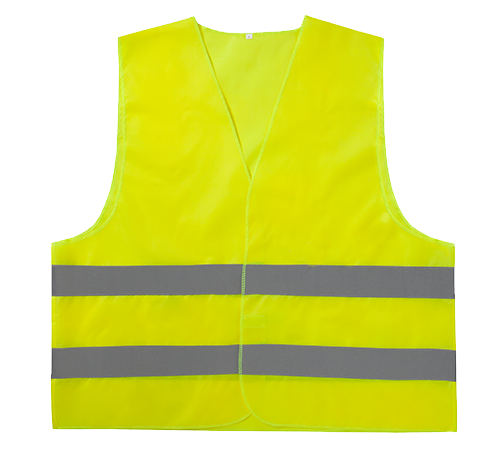
For autumn driving, the most useful items to keep in your car are a high-visibility safety vest, a torch, a warning triangle, a first aid kit, and a car escape tool. These cover the most common autumn emergency scenarios: a breakdown or incident in poor visibility, a need to signal other drivers, and the possibility of needing to exit a vehicle quickly.
Autumn brings shorter days and more frequent low-visibility conditions, which means a breakdown that would be straightforward in summer becomes significantly more hazardous. Being visible to other drivers is the first priority in any roadside situation. A safety vest stored within easy reach of the driver means you can put it on before stepping out of the vehicle.
A torch is useful not just for signalling but for checking tyre condition, looking under the car, or navigating in low light. A warning triangle placed at a safe distance behind your vehicle gives approaching drivers time to slow down and react.
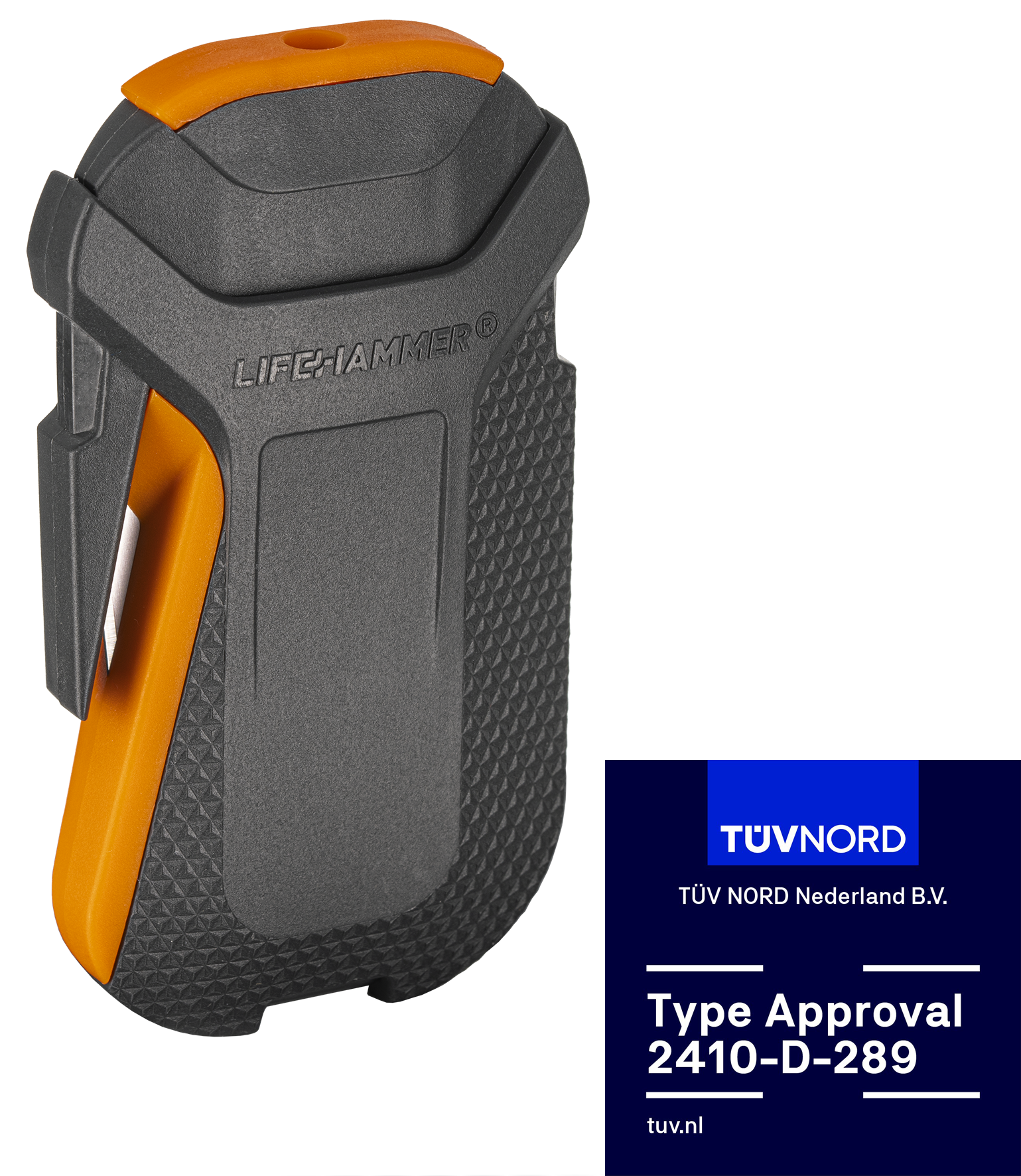
A car escape tool, which combines a seatbelt cutter with a window-breaking implement designed for tempered glass, is a compact and practical addition to any autumn emergency kit. In a collision, a jammed seatbelt or a door that will not open can prevent you from exiting the vehicle, and having a reliable tool within reach removes that obstacle.
How Lifehammer® supports you with autumn driving safety
At Lifehammer® we have been developing vehicle safety tools since 1983, and autumn road conditions are exactly the kind of situation our products are designed for. Whether you are updating your car kit before the season changes or putting together a complete set of emergency essentials, we focus on tools that are reliable, compact, and genuinely useful when it matters.
- Our safety hammer range gives you a reliable car escape tool for tempered side windows and seatbelt cutting. The Safety Hammer SMART uses a ceramic pin as its striking mechanism, attaches with 3M VHB double-sided adhesive tape, and sits within easy reach of the driver without taking up space.
- The Safety Hammer Evolution features a ceramic hammerhead and is assembled with the included hex key for a secure, permanent fit in your vehicle.
- All Lifehammer® safety hammers are TÜV certified and trusted by first responders and fleet operators across Europe, which means the quality is verified, not just claimed.
- Our Safety Vest Ultra comes in an ultra-flat vacuum pack that stores discreetly under any floor mat and decompresses immediately on opening. It is one-size-fits-all and suitable for drivers and passengers alike, making it a practical choice for autumn breakdowns in low-visibility conditions.
If you have questions about which products suit your car or your driving habits, our Q&A section covers the most common topics in straightforward detail. You can also find our products on Amazon if you prefer to order there.