 English
 Nederlands
 Deutsch


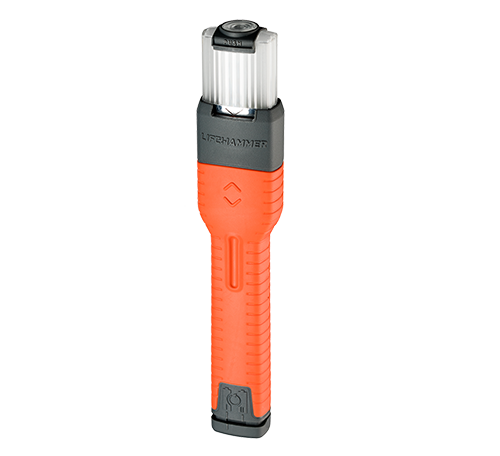


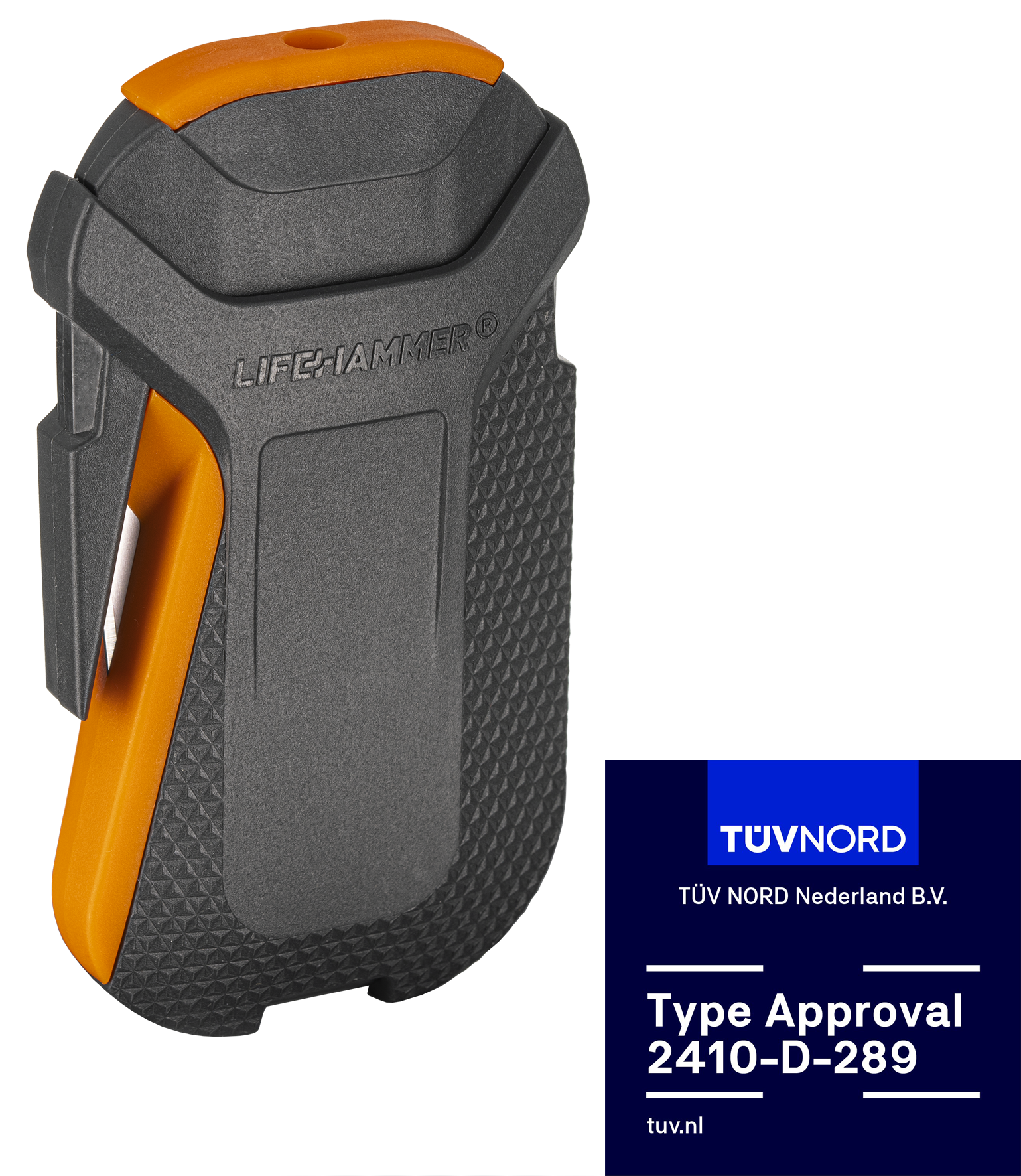



A road trip has a way of making you feel organised even before you leave. You have checked the route, packed the car, and maybe even downloaded an offline map just in case. But road trip safety is often the one area that gets treated as an afterthought, something you assume will take care of itself because nothing has gone wrong before. That assumption is worth examining, because the habits that actually protect you in an emergency are not the ones you form in a crisis. They are the ones you build before you ever need them.
This article walks through what road trip safety habits actually look like in practice, why they matter more under pressure than in calm conditions, and how to build a personal routine that stays with you across every journey. The goal is not to make driving feel more stressful; it is to help you feel genuinely prepared, not just approximately ready.
What counts as a road trip safety habit?
A road trip safety habit is any repeated action or decision that improves your ability to respond effectively when something unexpected happens on the road. The word “habit” is important here: it implies repetition and consistency, not a one-off checklist you complete before a big holiday and then forget.
Safety habits fall into two broad categories. The first is preparedness habits, things you do before a journey to make sure you have the right tools, information, and physical condition to drive safely. The second is response habits, the instincts and routines you develop over time that help you act quickly and calmly when something goes wrong mid-journey.
For example, always storing your car escape tool within arm’s reach of the driver’s seat is a preparedness habit. Knowing exactly where it is without having to look is a response habit. Both matter, but they develop differently: one through deliberate setup, the other through familiarity and repetition.
Why everyday routines become critical under pressure
Under stress, the human brain defaults to what it already knows. This is not a weakness; it is how the nervous system is designed to protect you. When something unexpected happens on the road, your ability to think clearly narrows, and your body prioritises speed over deliberation. In those moments, you do not rise to the occasion. You fall back on your habits.
This is why a car emergency preparedness routine built in calm conditions is far more reliable than trying to figure things out in a high-pressure situation. If you have never thought about where your seatbelt cutter is stored, you will not find it quickly when you need it. If you have never checked your tyre pressure before a long drive, you will not know whether a slow pull to one side is normal or a sign of something developing.
Think of it this way: a pilot does not run through a pre-flight checklist because they expect something to go wrong. They do it because the checklist ensures that if something does go wrong, the right conditions are already in place. The same logic applies to a road trip. Your habits are your pre-flight checklist.
The habits worth building before every trip
Pre-departure habits are the foundation of car emergency preparedness. They take a few minutes but can make a significant difference if your journey does not go as planned.
- Check your tyres. Tyre pressure and tread condition affect both handling and braking distance. Check before a long drive, not just when the warning light appears.
- Top up fluids. Coolant, oil, and windscreen washer fluid are easy to overlook but important for both safety and visibility.
- Verify your emergency kit. Make sure your car contains a first aid kit, a warning triangle or emergency light, a safety vest, and a car escape tool. Check that everything is where you expect it to be.
- Position your car escape tool correctly. Store it where you can reach it from the driver’s seat without unbuckling. This is not a detail; it is the entire point of having one.
- Share your route. Let someone know your planned route and expected arrival time, especially for longer or unfamiliar journeys.
- Check the forecast. Weather conditions affect driving behaviour significantly. Knowing what to expect helps you adjust your speed and following distance before conditions deteriorate.
None of these steps are complicated. What makes them a habit is doing them consistently, not just before major trips but before any drive that takes you away from familiar surroundings.
How to stay prepared during and after a long drive
Building on the pre-departure habits covered above, in-journey habits keep your preparedness active rather than letting it lapse once you have left home.
During a long drive, fatigue is one of the most significant factors affecting your ability to respond to unexpected situations. The practical habit here is simple: plan breaks before you need them. Stopping every two hours, or sooner if you feel tired, is more effective than pushing through and relying on willpower. Your reaction time and decision-making both degrade with fatigue in ways that are difficult to notice from the inside.
Keep your phone charged and accessible, not for use while driving, but so that it is ready if you need to call for help or share your location. A portable charger stored in the glovebox is a small addition to your road trip checklist that removes a potential problem before it starts.
After a long drive, take a moment to reset your car for the next journey. Restock anything you used from your emergency kit, check that your car escape tool is back in its correct position, and note anything that felt off during the drive (unusual sounds, handling changes, or warning lights) so you can address them before your next trip.
Common gaps that leave drivers unprepared
Even drivers who consider themselves prepared often have gaps in their road trip safety routine that only become visible when something goes wrong. Understanding these gaps is the first step to closing them.
Storing emergency tools out of reach
One of the most common mistakes is keeping a car escape tool in the boot or the glovebox. In a situation where the vehicle has been involved in a serious incident, the boot may be inaccessible and the glovebox may be difficult to reach. A tool stored out of reach provides no practical benefit. The correct position is within arm’s reach of the driver, ideally fixed to the door pillar or centre console.
Assuming all glass can be broken the same way
Not all car windows respond the same way in an emergency. Tempered glass, the type used in side and rear windows, can be broken with a safety hammer or ceramic pin tool. Laminated glass, which is standard in windscreens and increasingly used in some side windows on newer vehicles, cannot be broken with a standard safety hammer. Knowing which windows in your specific car are tempered is relevant information before you need it.
Treating the emergency kit as a one-time purchase
An emergency kit that has been in your car for several years without being checked may have items that have expired, degraded, or been used without being replaced. A safety vest that has been compressed for years may not decompress as quickly as expected. A first aid kit from 2019 may have expired medications or missing supplies. Reviewing your kit once a year (or after any journey where you used something from it) keeps it genuinely useful.
Not knowing what to do
Having the right tools is only part of preparedness. Knowing how to use them under pressure is the other part. Spending two minutes familiarising yourself with your car escape tool (how it opens, which end cuts the seatbelt, how much force the window-breaking mechanism requires) means that familiarity is already in place if you ever need to act quickly.
Build a personal road trip safety routine that sticks
The most effective safety routine is one you will actually follow. That means keeping it simple, anchoring it to things you already do, and making the physical setup of your car do some of the work for you.
Start by deciding on a fixed location for each item in your emergency kit. Consistency is what makes a habit automatic. If your car escape tool is always in the same place, you do not have to remember where it is; your hand already knows. The same applies to your safety vest, your warning triangle, and your first aid kit.
Next, attach your pre-departure check to something you already do. Many drivers find it useful to run through a short mental checklist while the car is warming up or while they are waiting at the first traffic light after leaving home. It does not need to be a formal process; it just needs to be consistent.
Finally, review your routine once a year. Roads change, vehicles change, and your circumstances change. A routine that worked well when you were driving alone may need adjusting when you regularly drive with children or elderly passengers. Treat your road trip safety routine as a living document, not a fixed list you set once and forget.
How Lifehammer® supports you with road trip safety
At Lifehammer® we have been developing vehicle safety tools since 1983, and road trip preparation is exactly the kind of situation our products are designed for. Whether you are doing a quick pre-departure check or building out a complete car kit from scratch, we focus on tools that are reliable, compact, and genuinely useful when it counts.
- Our safety hammer range includes four models. The Classic and Plus use a manual hardened carbon steel hammerhead; the Safety Hammer Evolution and Safety Hammer SMART use an automatic ceramic striking mechanism. All four cut seatbelts and break tempered side windows.
- All Lifehammer® safety hammers are TÜV certified and trusted by first responders and fleet operators across Europe, a standard of reliability that matters when a tool actually needs to perform.
- Our Safety Vest Ultra comes in an ultra-flat vacuum pack that stores discreetly under any floor mat and decompresses immediately on opening. It is one-size-fits-all and suitable for drivers and passengers alike.
If you have questions about which products are right for your car or your journey, our Q&A section covers the most common topics in straightforward detail. You can also find our products on Amazon if you prefer to order from there.