 English
 Nederlands
 Deutsch







Yes, elderly drivers should seriously consider taking a refresher course before a long trip. Driving skills can change gradually with age, and a refresher course helps identify any gaps in confidence or ability before they become a problem on the road. The sections below cover what changes with age, what a course involves, and how to prepare well for a longer journey.
At what age should drivers consider a refresher course?
There is no fixed age at which a refresher driving course becomes necessary, but many driving organisations suggest that drivers consider one from around 70 onwards. This is not because older drivers are automatically unsafe – many are highly experienced and cautious – but because age-related changes to vision, reaction time, and physical flexibility tend to become more noticeable from this point.
In many countries, including the UK, drivers must renew their licence every three years once they turn 70. This renewal is administrative, not a driving assessment, which means it does not catch any decline in practical ability. A refresher course fills that gap by giving drivers an honest, professional evaluation of how they are currently performing behind the wheel.
Drivers of any age returning to long-distance driving after a break – whether due to illness, a period of reduced driving, or simply not having done a long motorway journey in some time – can also benefit from a refresher before setting off.
How do driving skills change as people get older?
Driving skills change with age in several specific ways, most of which happen gradually and are not immediately obvious to the driver themselves. The most common changes involve slower reaction times, reduced peripheral vision, greater difficulty processing multiple pieces of information at once, and decreased flexibility in the neck and shoulders, which affects the ability to check blind spots effectively.
Night vision also tends to deteriorate with age, making driving in low light more demanding. Glare from oncoming headlights can take longer to recover from, and judging distances at speed becomes slightly less accurate. These changes are not dramatic in isolation, but they can combine in ways that make complex driving situations – busy motorways, unfamiliar roundabouts, fast-moving urban traffic – more tiring and more difficult to manage.
Older drivers often compensate well by driving more slowly, avoiding peak traffic hours, and sticking to familiar routes. These are sensible adjustments. A refresher course helps drivers understand exactly which areas they are compensating for, and gives them practical tools to manage those situations more confidently rather than simply avoiding them.
What does a refresher driving course for seniors actually cover?
A refresher driving course for older drivers typically covers observation and awareness skills, lane discipline and motorway driving, roundabout and junction confidence, and an overall assessment of reaction timing and vehicle control. The course is structured around the individual driver’s needs rather than a fixed syllabus, so the instructor can focus on the areas where improvement or reassurance is most useful.
Most courses begin with a short assessment drive so the instructor can identify specific areas to work on. Common topics that come up include mirror use and blind spot checks, speed management on faster roads, and how to handle driving fatigue on longer journeys. Instructors who specialise in senior driver safety are trained to approach the session in a supportive, non-judgmental way.
Some courses also include a discussion of how medications can affect driving, when to take breaks, and how to plan a long route in a way that reduces pressure and fatigue. This kind of practical, journey-focused advice is particularly relevant for older drivers preparing for a road trip.
Should elderly drivers take a refresher course before a long trip?
Yes, taking a refresher driving course before a long trip is a sensible step for older drivers, particularly if the journey involves motorway driving, unfamiliar roads, or a significant amount of time behind the wheel. A long trip amplifies any existing challenges – fatigue sets in more quickly, decisions need to be made faster, and the consequences of a lapse in concentration are greater at higher speeds.
A refresher course before a long journey serves two purposes. First, it gives the driver an objective assessment of their current ability, which is something most drivers – of any age – rarely get once they pass their test. Second, it builds confidence. Knowing that a qualified instructor has assessed your driving and found it to be sound is genuinely reassuring, and that reassurance carries over into how you drive.
For older drivers who have not done a long motorway journey recently, even a single session with an instructor focused specifically on higher-speed driving can make a meaningful difference. It is also worth noting that many partners, adult children, or other family members feel more comfortable when an older driver has had a professional check before a significant trip – which itself can reduce the social friction that sometimes surrounds conversations about senior driver safety.
What else should older drivers do to prepare for a long journey?
Beyond a refresher course, older drivers can take several practical steps to make a long journey safer and less tiring. Preparation before departure, thoughtful route planning, and the right equipment all contribute to a more comfortable and secure trip.
- Plan rest stops in advance. Driving fatigue affects everyone, but older drivers tend to notice its effects sooner. Building in a break every 90 minutes to two hours, rather than pushing through, significantly reduces the risk of concentration lapses.
- Check vision and hearing before the trip. An up-to-date eye test is particularly important. Many drivers do not realise how much their vision has changed until it is assessed professionally.
- Review any medications. Some common medications affect alertness, reaction time, or vision. A quick conversation with a GP or pharmacist before a long drive is a straightforward precaution.
- Adjust the car for comfort and visibility. Seat position, mirror angles, and steering wheel height all affect how easily a driver can see and respond. Older drivers with reduced flexibility benefit from spending a few minutes getting these settings right before a long trip rather than adjusting on the move.
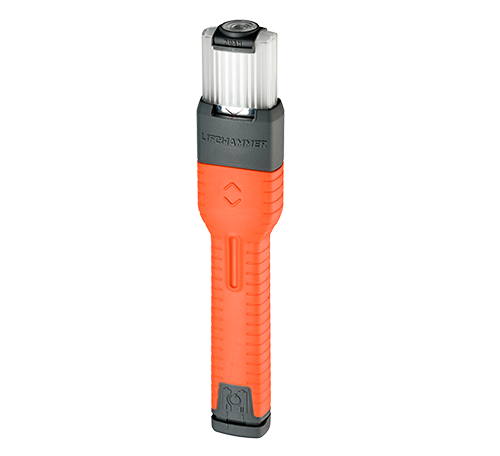
- Keep an emergency kit in the car. A high-visibility vest, a torch, and a window-breaking tool are useful for any driver, but particularly for older drivers who may be travelling alone or on unfamiliar roads.
- Share your route with someone. Let a family member or friend know your planned route and expected arrival time. This is a simple step that adds an extra layer of reassurance for everyone.
Where can elderly drivers find an approved refresher course?
Older drivers in the UK can find approved refresher courses through the DVSA (Driver and Vehicle Standards Agency) register of approved driving instructors, or through specialist organisations such as RoSPA (Royal Society for the Prevention of Accidents) and IAM RoadSmart, both of which offer assessment and coaching programmes tailored to experienced drivers. In other European countries, national motoring clubs and road safety organisations typically run equivalent programmes.
When choosing a course, look for an instructor with specific experience working with older drivers. Not all driving instructors are equally comfortable with this kind of assessment, and the quality of the session depends heavily on the instructor’s ability to give honest, constructive feedback in a way that is encouraging rather than discouraging.
Many local councils and police forces also run free or subsidised refresher sessions for older drivers as part of road safety initiatives. These vary by region, so it is worth checking with your local authority or searching through your country’s main road safety charity to find what is available near you.
How Lifehammer® supports you on longer journeys
At Lifehammer® we have been developing vehicle safety tools since 1983, and long-trip preparation is exactly the kind of situation our products are designed for. Whether you are doing a quick pre-departure check or building out a complete car kit from scratch, we focus on tools that are reliable, compact, and genuinely useful when it counts.
- Our safety hammer range includes four models. The Classic and Plus use a manual hardened carbon steel hammerhead; the Evolution and Smart use an automatic ceramic hammerhead. All four cut seatbelts and break tempered side windows.
- All Lifehammer® safety hammers are TÜV certified and trusted by first responders and fleet operators across Europe.
- Our Safety Vest Ultra comes in an ultra-flat vacuum pack that stores discreetly under any floor mat and decompresses immediately on opening. It is one-size-fits-all and suitable for drivers and passengers alike.
If you have questions about which products are right for your car or your journey, our Q&A section covers the most common topics in straightforward detail.