 English
 Nederlands
 Deutsch




If you are planning a road trip through Germany or simply want to make sure your car is properly equipped for everyday driving, knowing what the law requires is a practical first step. Germany has clear rules about what every driver must carry, and being caught without the right items can result in on-the-spot fines. Here is a straightforward breakdown of what is legally required, what is strongly recommended, and how the rules change when you cross into neighbouring countries.
What items are legally required in a car in Germany?
In Germany, every vehicle must carry a warning triangle, a first aid kit, and a high-visibility safety vest. These three items are mandatory under German road traffic law. Driving without them can result in fines, and in the event of an accident, the absence of required equipment may have legal consequences. Here is what each requirement covers in practice:- Warning triangle: Must be carried at all times and placed on the road to warn other drivers in the event of a breakdown or accident. The triangle must meet the relevant ECE approval standard.
- First aid kit: Must be a DIN 13164-compliant kit. This is a specific German standard, so a basic travel kit from a supermarket may not qualify. Kits have an expiry date, so it is worth checking yours regularly.
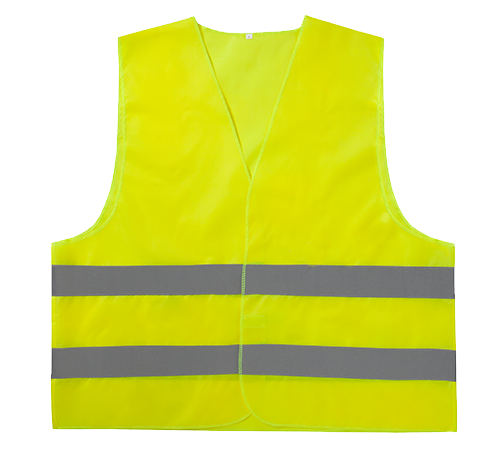
- High-visibility safety vest: At least one vest must be kept inside the passenger compartment of the vehicle, not in the boot. This ensures it is accessible even if you cannot open the boot after an accident.
What happens if you don’t have required items in Germany?
If you are stopped by police or involved in an incident and cannot produce the required items, you face an on-the-spot fine. The exact amount depends on which item is missing, but fines for missing a warning triangle, first aid kit, or safety vest are modest individually. Collectively, however, they add up quickly, and the inconvenience is entirely avoidable. Beyond the financial penalty, there is a more practical concern. If you are involved in a collision and cannot properly warn oncoming traffic because you lack a warning triangle, the situation becomes significantly more dangerous for everyone involved. German authorities take road safety equipment seriously precisely because it protects not just the driver, but other road users too. For foreign drivers travelling through Germany, the same rules apply. Being a visitor does not exempt you from German road traffic law. If you are renting a car, check whether the rental vehicle already contains the required items, as many rental companies include them, but it is always worth verifying before you set off.Does Germany require a first aid kit in every car?
Yes, Germany legally requires every car to carry a first aid kit that meets the DIN 13164 standard. This standard specifies the exact contents the kit must include, such as bandages, wound dressings, gloves, and a foil rescue blanket. A generic travel kit or one that has passed its expiry date does not meet the requirement. The DIN 13164 standard was updated in recent years, and kits now include items that reflect modern first aid guidance, including face shields for CPR. When buying a replacement kit, look for the DIN 13164 marking on the packaging to confirm it meets the legal standard. It is good practice to check the expiry date on your first aid kit at least once a year, for example when you carry out your annual vehicle service. Individual items such as sterile dressings and gloves degrade over time, and an expired kit may not perform as intended when it is actually needed.What safety equipment is recommended but not required in Germany?
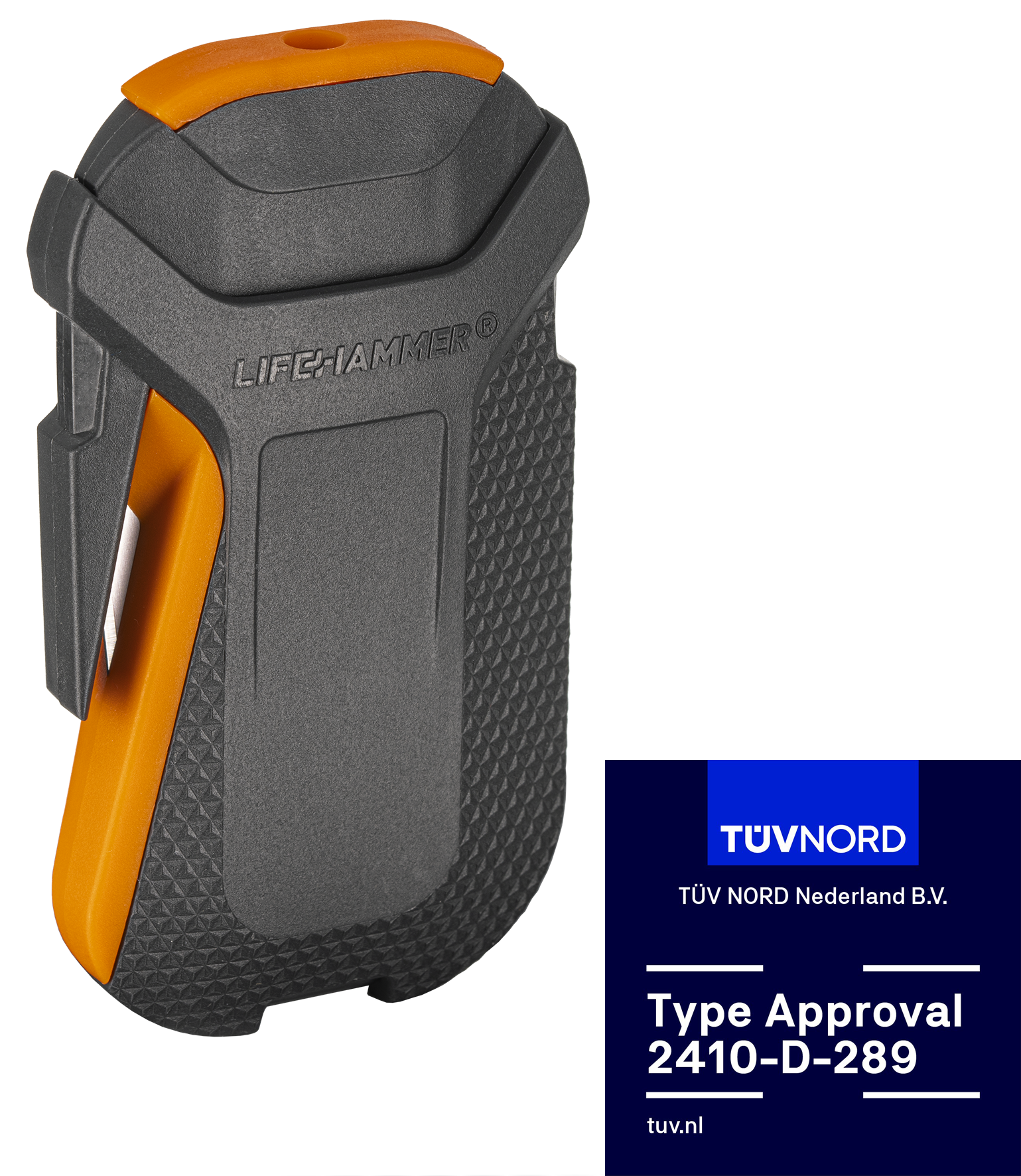
Beyond the three legally required items, several pieces of equipment are strongly recommended for German roads even though they are not mandatory for private passenger vehicles. Carrying them reflects good preparation and can make a real difference in an emergency.- Car escape tool or safety hammer: Modern vehicles use tempered side windows that are extremely difficult to break with bare hands. A safety hammer with an integrated seatbelt cutter allows you or a passenger to exit quickly if a door becomes jammed or a seatbelt locks. It is a compact, practical tool that takes up almost no space.
- Fire extinguisher: Not legally required for private cars, but useful in the event of an engine fire. If you carry one, make sure it is rated for vehicle use and is stored securely.
- Tow rope or jump leads: Useful for breakdowns, especially on longer journeys or in rural areas where roadside assistance may take time to arrive.
- Additional high-visibility vests: Only one vest is legally required, but if you regularly travel with passengers, having a vest for each person is sensible.
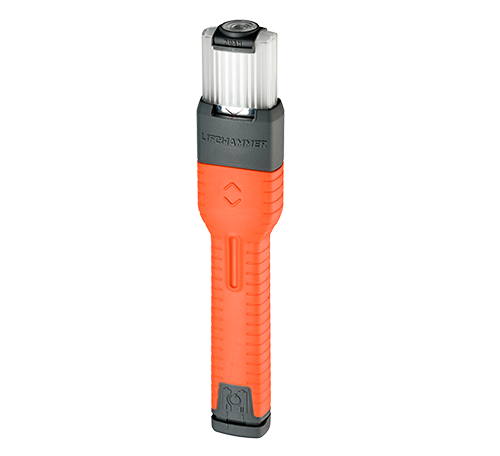
- Torch or emergency light: Useful for breakdowns at night or in tunnels, where visibility can be poor and working safely around the vehicle requires adequate light.
Are the rules different for driving through other European countries?
Yes, the rules vary significantly between European countries, and what is optional in Germany may be legally required just across the border. If your road trip takes you through France, Austria, Spain, or other European countries, you need to check the specific requirements for each one before you travel. Here are some notable differences to be aware of:- France: Requires a warning triangle and a high-visibility vest. Speed camera detectors are prohibited.
- Austria: Requires a warning triangle, a first aid kit, and a high-visibility vest. Winter tyres or snow chains are required in certain conditions.
- Spain: Requires two warning triangles and high-visibility vests for all occupants who exit the vehicle.
- Italy: Requires a warning triangle and a high-visibility vest.
- Netherlands: No mandatory requirement for a warning triangle or high-visibility vest in private vehicles.
How Lifehammer® supports your road trip safety
We have been developing vehicle safety tools since 1983, and our products are built around one straightforward idea: when something goes wrong, your equipment should work without question. For road trip preparation, that means having tools that are reliable, easy to reach, and genuinely useful in the moments that count.- The Lifehammer® range includes four safety hammers. The Classic and Plus models use a manual hardened carbon steel hammerhead; the Evolution and Smart models use an automatic ceramic hammerhead. All four include a seatbelt cutter and break tempered side windows.
- All Lifehammer® safety hammers are TÜV certified to German standards, the same certification framework that underpins mandatory car safety equipment in Germany.
- Our Safety Vest Ultra is vacuum-packed to an ultra-flat profile, making it easy to store within the passenger compartment while remaining immediately accessible.
- Every product is designed to be used under stress, with ergonomic shapes and clear functions that do not require instruction in the moment.